
The National Parks Service (NPS) has unveiled a refreshingly witty yet critically important public service announcement (PSA) aimed at educating visitors about safe and responsible wildlife encounters. The campaign, disseminated through social media and park channels, underscores the agency’s commitment to preserving both visitor safety and the well-being of the diverse animal populations that inhabit America’s treasured natural landscapes. The core message is unambiguous: maintain a respectful distance, refrain from interaction, and allow wildlife to remain wild.
This initiative arrives as the peak visitor season commences across numerous national parks, a time when increased human presence inevitably leads to more frequent encounters with wild animals. The NPS, recognizing the potential for both dangerous situations and harm to wildlife, has adopted a proactive and engaging approach. The PSA highlights the inherent risks associated with improper interactions, emphasizing that visitors are solely responsible for their safety and the welfare of the animals. The directive is simple: no touching, no feeding, and absolutely no harassing of wildlife.
The NPS’s social media team, often lauded for their engaging content, has once again demonstrated a keen understanding of public communication. By injecting humor and relatability into a serious subject, they aim to capture the attention of a broad audience, including those who may be less familiar with park regulations or the inherent dangers of interacting with wild creatures. The underlying sentiment is that while the allure of a close encounter with a majestic elk or a playful bear cub is undeniable, the consequences of succumbing to this temptation can be severe.

A Timeless Challenge: Balancing Access and Preservation
The challenge of managing human-wildlife interactions in national parks is not new. For decades, park managers have grappled with the delicate balance between providing accessible and enjoyable experiences for visitors and safeguarding the natural integrity of park ecosystems. Incidents of visitors feeding animals, leading to habituation and subsequent aggressive behavior, have resulted in injuries and, in tragic cases, the euthanasia of the animals. The NPS’s current campaign serves as a vital reminder of these past lessons and a forward-looking strategy to prevent future occurrences.
The NPS manages over 400 units, encompassing over 85 million acres, each with its unique ecological characteristics and resident wildlife. From the towering grizzly bears of Yellowstone to the bighorn sheep of the Rocky Mountains and the marine life of coastal parks, the diversity of species necessitates a nuanced yet universally applicable set of guidelines. The PSA’s emphasis on "knowing before you go" is paramount, as specific regulations regarding viewing distances and food storage can vary significantly from one park to another.
The Core Message: Respect and Distance

At the heart of the NPS’s campaign is the principle of respect for wild animals. The PSA explicitly states, "leave animals alone—no touching, no feeding, no harassing." This directive is rooted in a fundamental understanding of animal behavior. Feeding wildlife, even with seemingly harmless items, can disrupt their natural diets, lead to nutritional deficiencies, and foster dependency on human food sources. This dependency can transform animals into nuisddenly aggressive beggars, putting both humans and the animals at risk.
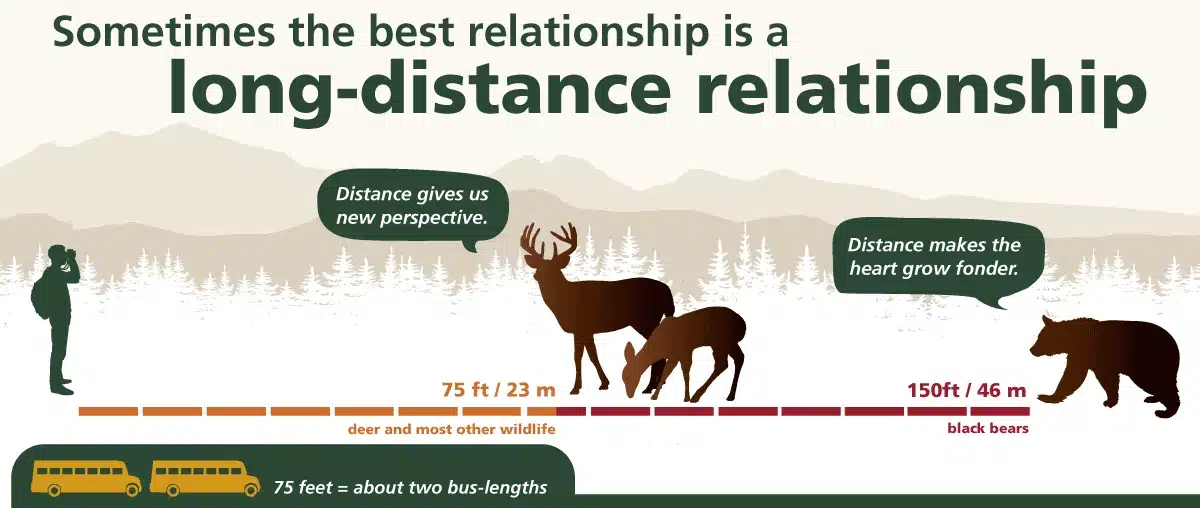
The NPS also stresses the importance of maintaining a safe distance. While specific distances can vary by species and park, a general guideline is to stay at least 25 yards (approximately 75 feet) from most wildlife and a minimum of 100 yards (approximately 300 feet) from predators such as bears and wolves. The PSA humorously suggests that if you are close enough to take a selfie, you are undoubtedly too close. Utilizing binoculars or telephoto lenses is encouraged for a better viewing experience without compromising safety.
"Vacation Brain" and the Importance of Vigilance
The campaign acknowledges a common phenomenon: "vacation brain." When individuals are in a relaxed, holiday mindset, they may let their guard down, becoming more susceptible to impulsive actions. The PSA notes that the "cuddly thoughts" inspired by certain animals can lead to a lapse in judgment, resulting in less-than-pleasant experiences. This pragmatic observation underscores the need for constant vigilance, even when surrounded by the serene beauty of a national park.

The NPS intends for this message to be shared widely, encouraging visitors to educate their friends and family who may be planning a trip to a national park. By fostering a culture of responsible tourism, the agency hopes to mitigate the risks associated with increased visitor numbers. The implicit understanding is that a positive and safe experience in nature relies on the collective adherence to these guidelines.
Seven Pillars of Safe Wildlife Viewing
The PSA elaborates on seven key principles for safe wildlife viewing, providing actionable advice for visitors:
-
Know Before You Go: This foundational step involves researching park-specific regulations. Each park has unique guidelines, including minimum viewing distances and food storage requirements. Visitors are encouraged to consult park websites, the NPS app, or speak with a park ranger for the most up-to-date information. This proactive approach ensures visitors are informed before they even encounter wildlife.
-
Give Animals Room: The most effective strategy for safety is to provide animals with ample space. This means adhering to established minimum viewing distances, which can range from 25 yards for most animals to 100 yards for predators like bears and wolves. The NPS emphasizes that if animals react to your presence, you are too close. Allowing animals to behave naturally in their habitat is crucial for their well-being and for providing authentic viewing opportunities.
-
Do Not Disturb: This principle encompasses a range of behaviors to avoid. It is illegal and harmful to feed, touch, tease, frighten, or intentionally disturb wildlife. Animals in national parks are wild and can be unpredictable when startled or approached. Interacting with them can lead to injuries for both humans and animals, as well as the transmission of diseases. Staying on designated trails also helps minimize human impact by keeping our presence in predictable areas. For visitors with pets, strict adherence to leash laws (typically 6 feet), proper waste disposal, and ensuring vaccinations are up-to-date are critical. Furthermore, visitors should refrain from using animal calls or attractants that might disrupt natural behavior.
-
Keep Your Eyes on the Road: Vehicle strikes are a significant cause of wildlife mortality in national parks. Roads often bisect animal habitats and migration routes. Visitors must strictly adhere to speed limits and be aware of the potential for animals to dart into the roadway. When stopping to observe wildlife, it is imperative to pull vehicles completely off the road into designated pull-outs to ensure the safety of both wildlife and other motorists.
-
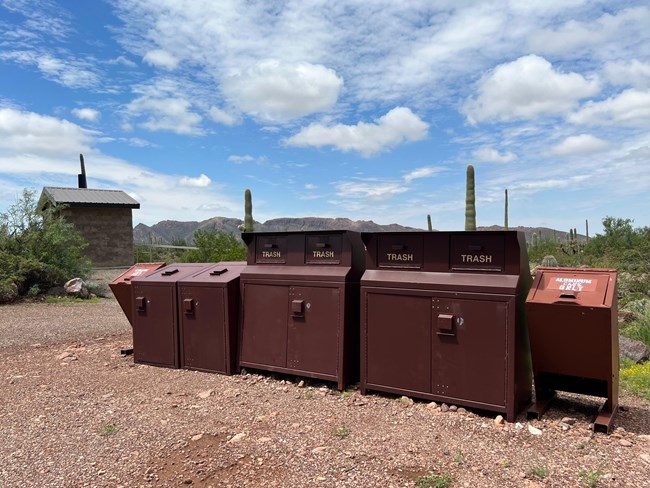
Store Your Food and Stash Your Trash: Improper food storage and littering can have severe consequences. Animals attracted to human food sources, including crumbs left on picnic tables, can become habituated and aggressive. This habituation not only puts visitors at risk of injury but can also lead to wildlife managers having to remove and humanely euthanize animals that pose a threat. The NPS urges visitors to maintain clean picnic areas and campsites, store food securely, and dispose of all garbage in appropriate wildlife-resistant containers. Failure to do so can inadvertently lead to the death of wildlife.
-
See Something, Say Something: Visitors are encouraged to report any physical contact with wildlife, or any observations of animals that appear sick, dead, or are behaving unusually, including approaching people. Similarly, if visitors witness others disregarding safety guidelines, they are urged to politely educate them and, if necessary, contact a park ranger. This community-based approach enhances the overall safety and preservation efforts within the parks.
-
Be Responsible: The ultimate responsibility for safety and keeping wildlife wild rests with each individual visitor. The NPS emphasizes that a visit to a national park is an opportunity to connect with nature, but this connection requires a commitment to personal safety and the preservation of the natural environment.
The Broader Implications: A Testament to Conservation
The NPS’s proactive and humor-infused PSA is more than just a set of rules; it is a testament to the agency’s dedication to conservation and public education. By employing relatable messaging and clear directives, the NPS aims to foster a deeper appreciation for wildlife and the importance of coexisting with them responsibly. The success of this campaign will be measured not only in the absence of negative incidents but also in the cultivation of a more informed and conscientious park-visiting public.

As millions of people prepare to explore the unparalleled beauty of America’s national parks, the NPS’s message serves as a crucial reminder that these magnificent landscapes and their inhabitants are a shared trust. By embracing the principles of respect, distance, and responsibility, visitors can ensure that their experiences are not only memorable but also contribute to the long-term health and preservation of these invaluable natural treasures for generations to come. The subtle humor woven into the PSA is a clever tool, making a vital message accessible and memorable, ultimately reinforcing the NPS’s mission to protect and preserve America’s wild spaces.

