
While the majority of winter sports enthusiasts limit their time on the snow to a few months each year, the physiological demands of alpine skiing require a commitment to physical conditioning that spans all four seasons. Maintaining "ski shape" is not merely a matter of aesthetic fitness; it is a critical strategy for performance optimization and injury mitigation. The muscles required to navigate deep powder, stabilize through icy transitions, and absorb the impact of mogul fields remain essential to functional health regardless of the temperature outside. By establishing a rigorous off-season training regimen, athletes can build a robust foundation that prevents the chronic back, hip, and knee pain frequently associated with the sudden high-intensity load of the winter season.
The Biomechanics of Skiing and the Necessity of Preparation
Skiing is a unique athletic endeavor that relies heavily on eccentric muscle contractions—where muscles lengthen under tension—and isometric stability. When a skier carves a turn, their quadriceps, hamstrings, and glutes must manage massive gravitational forces while maintaining a semi-squatting position. Without adequate preparation, the body’s connective tissues and smaller stabilizing muscles are often overwhelmed, leading to the high rate of orthopedic injuries seen in recreational populations.
Data from the National Ski Areas Association (NSAA) and various sports medicine journals indicate that while overall injury rates have decreased over the last several decades due to better equipment, the nature of injuries has shifted. Knee injuries, particularly Anterior Cruciate Ligament (ACL) and Medial Collateral Ligament (MCL) tears, remain the most common serious injuries, accounting for approximately 25% to 30% of all reported skiing incidents. Furthermore, lower back pain affects nearly 40% of frequent skiers, often stemming from a lack of core stability and poor hip mobility. These statistics underscore the necessity of a structured off-season program that targets the kinetic chain from the ankles to the lumbar spine.
Initial Assessment: The Side Plank Stability Test
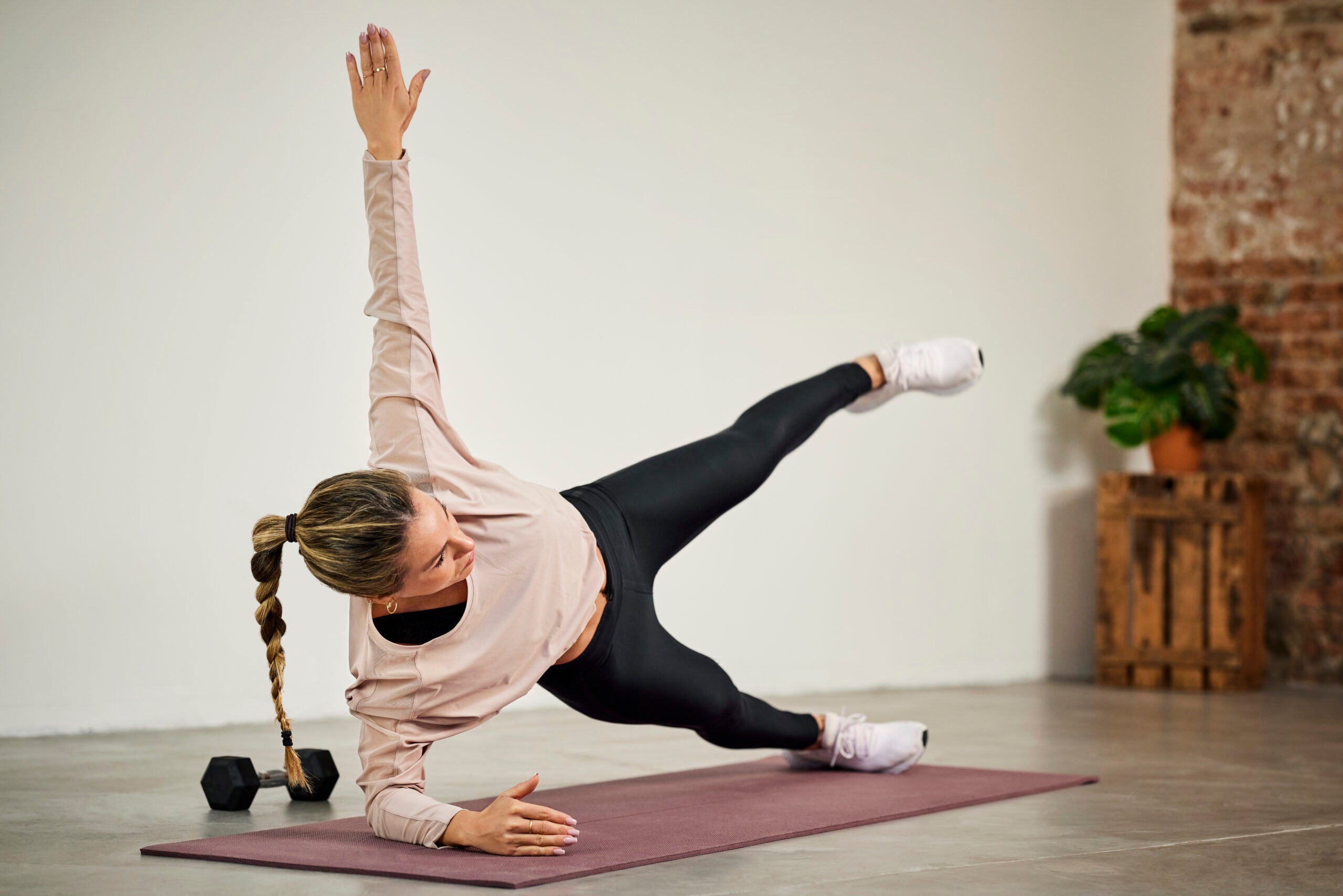
Before embarking on a strength program, athletes must assess their current baseline. A primary indicator of ski-readiness is lateral core and hip stability. The side plank test is a standard diagnostic tool used by physical therapists to evaluate the strength of the obliques and the hip abductors, specifically the gluteus medius. These muscles are responsible for pelvic stabilization during the weight transfers required for carving and navigating uneven terrain.
To perform the side plank test, an individual must lie on their side with the elbow positioned directly beneath the shoulder and the legs stacked. The hips are lifted to create a straight line from the head to the feet. In a ski-specific variation, the individual should flex the top foot and lift it to hip height, holding for one second before lowering it with control.
A "ski-ready" athlete should ideally complete 10 to 15 controlled repetitions per side without the shoulder collapsing or the hips sagging toward the floor. For many recreational skiers, the inability to complete even five repetitions without losing form indicates a significant deficiency in the deep stabilizer muscles. This weakness is a primary contributor to the "valgus collapse" (the knee caving inward), which is a leading cause of ACL ruptures.
A Five-Pillar Exercise Framework for the Off-Season
To address the deficiencies revealed by initial testing, sports scientists recommend a multi-planar approach to training. The following five exercises are designed to mimic the specific forces encountered on the mountain.
1. Lateral Lunges for Frontal Plane Strength
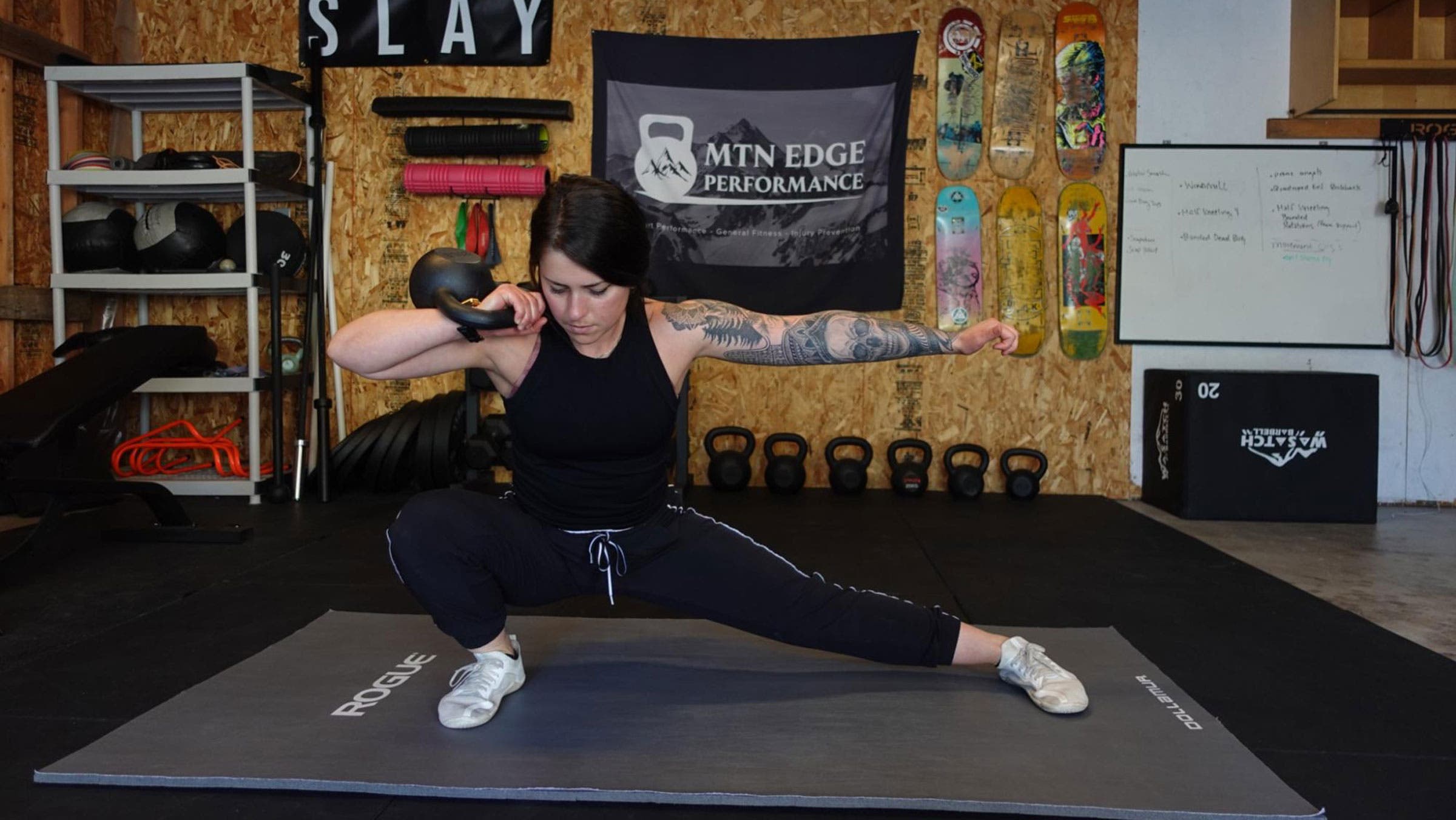
Standard forward lunges are effective for general leg strength, but skiing is a sport played in the frontal plane (side-to-side). Lateral lunges target the adductors and abductors, which are essential for maintaining edge control on icy slopes.
- Execution: Stand with feet hip-width apart, step wide to one side, and sink the hips back while keeping the opposite leg straight.
- Ski-Specific Impact: This movement strengthens the lateral hip complex, allowing for more powerful weight transfers and reducing the strain on the knee joint during high-speed turns.
2. Step-Ups for Unilateral Power and Balance
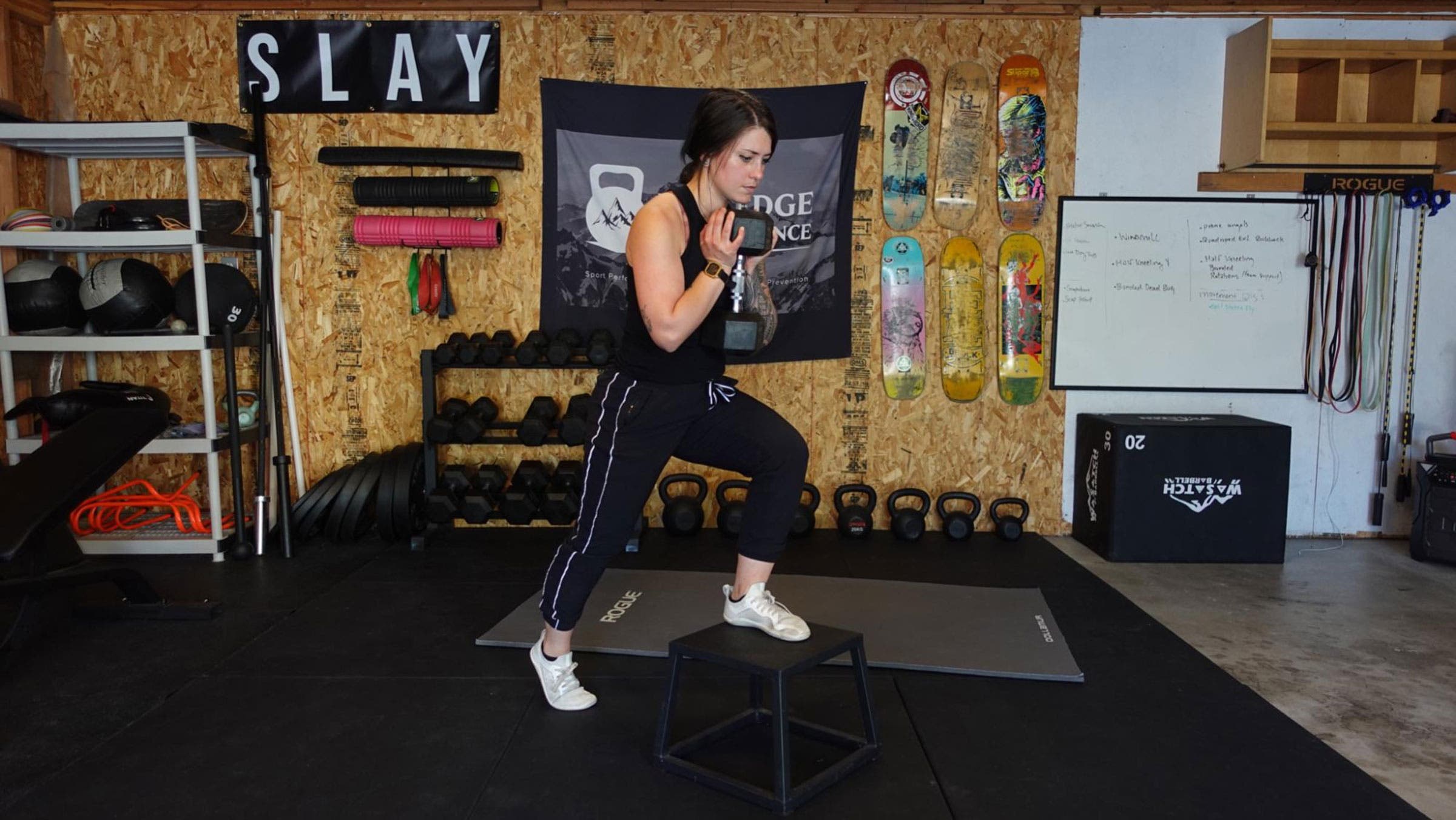
Skiing is essentially a series of single-leg movements. Step-ups address strength imbalances between the left and right legs while building explosive power in the glutes and quadriceps.
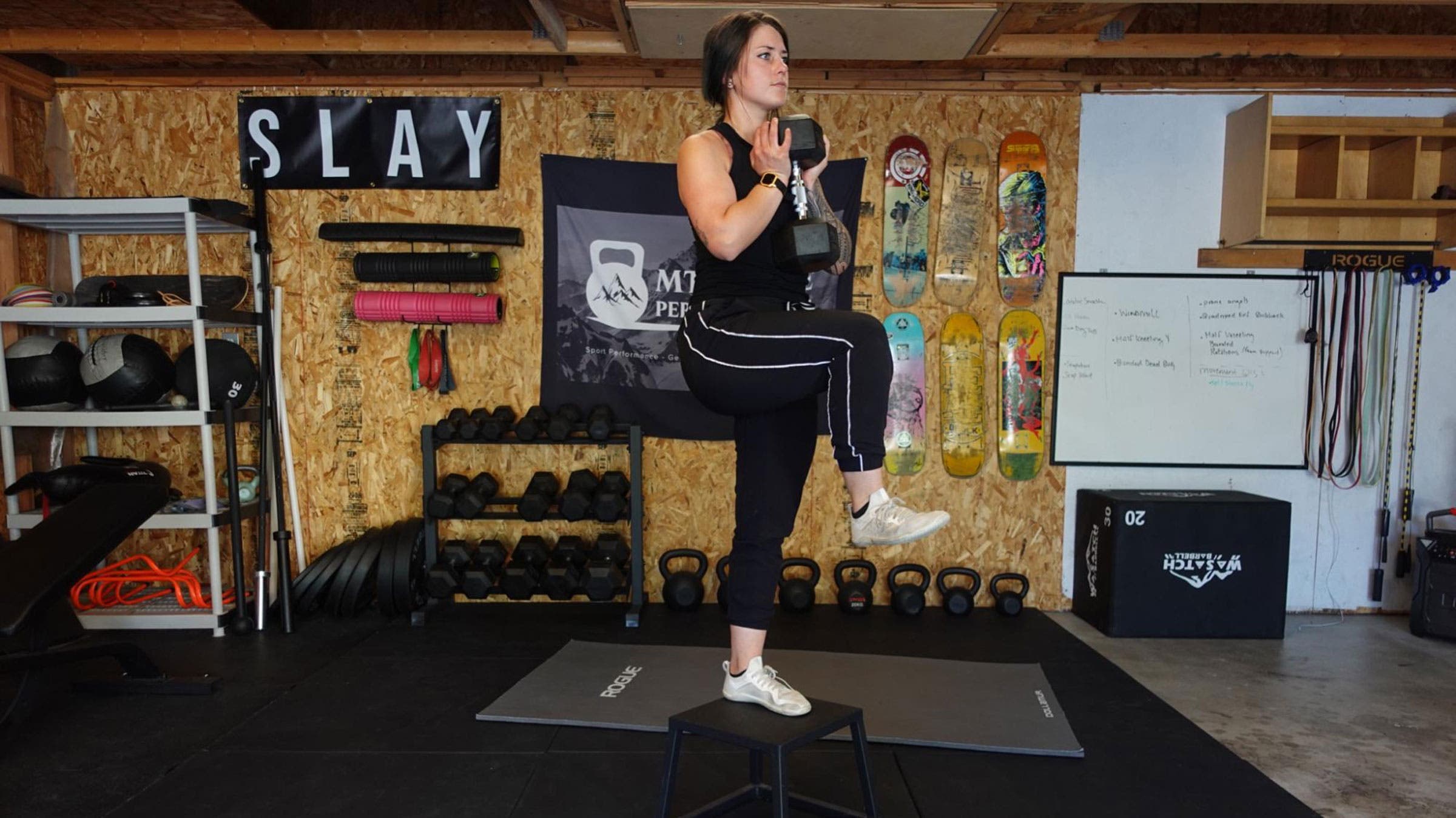
- Execution: Using a box or bench at knee height, step up with one foot, driving through the heel to stand fully upright. Lower back down with a slow, controlled tempo.
- Ski-Specific Impact: By focusing on the eccentric (lowering) phase, skiers prepare their muscles for the constant "braking" force required when descending steep pitches.
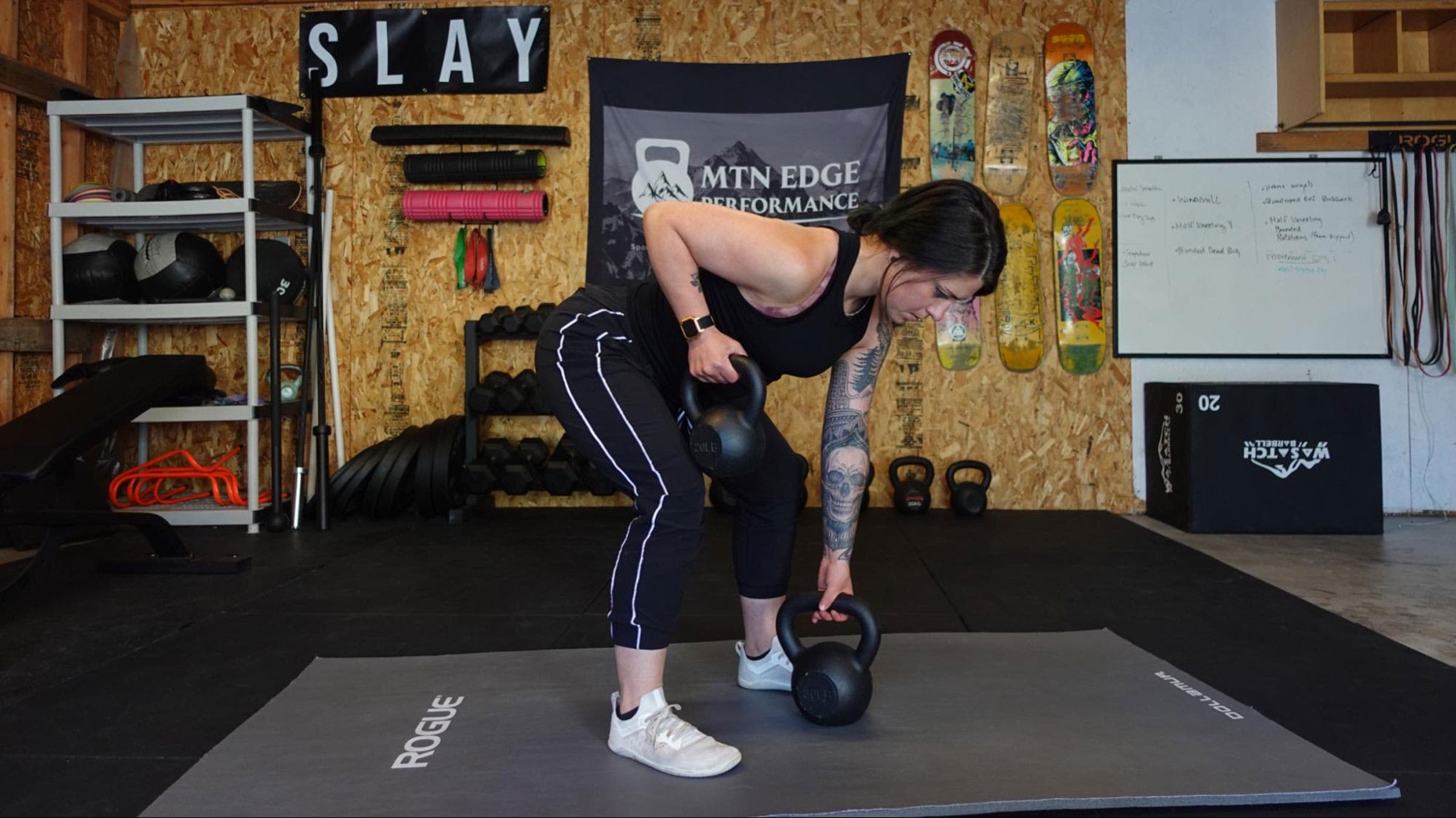
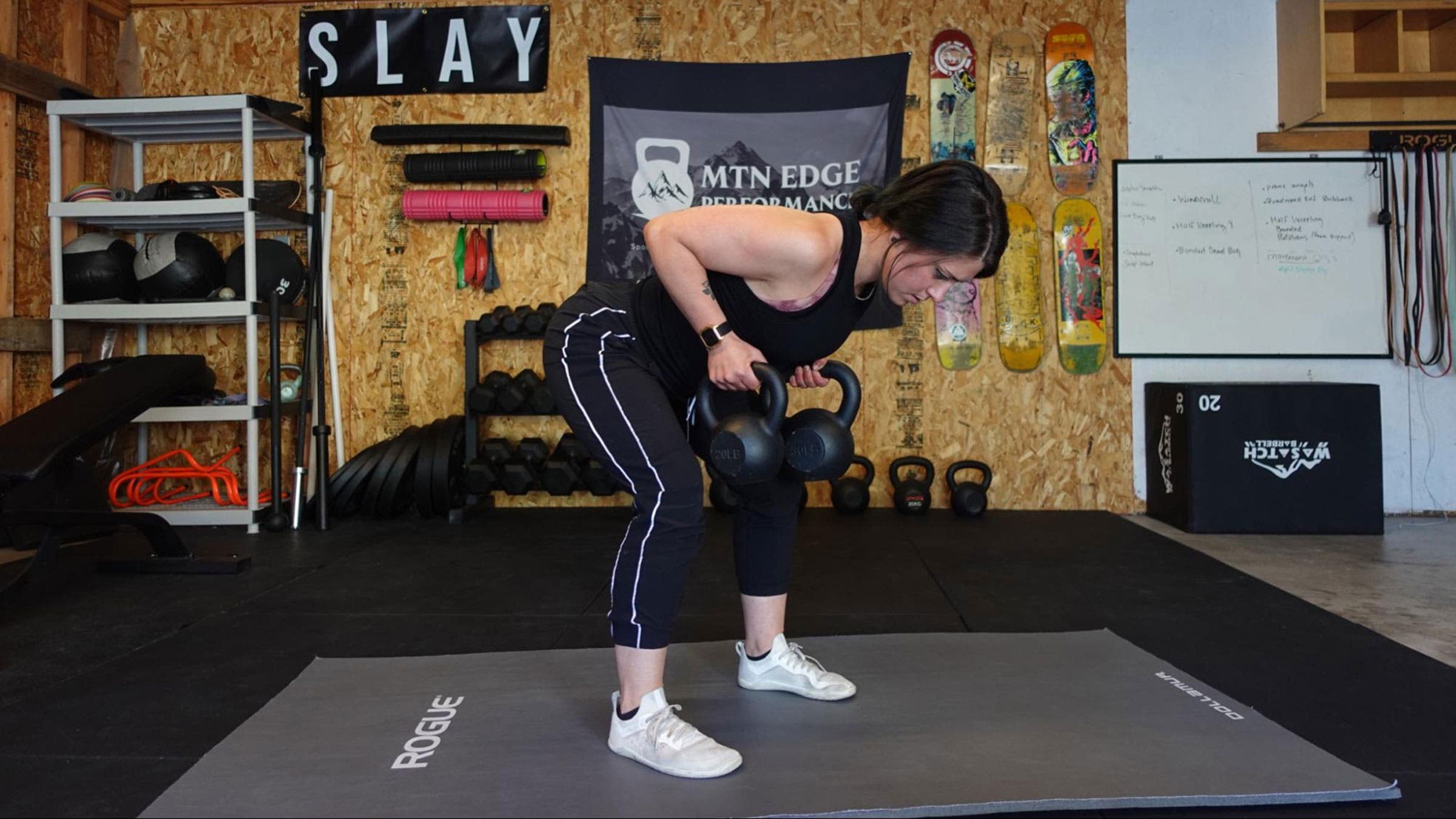
3. Gorilla Rows for Posterior Chain Integrity
The "skier’s stance" requires a strong lower back and active core to protect the spine from the jarring impacts of moguls or jumps. The Gorilla Row is a functional movement that targets the erector spinae and the deep muscles of the back.
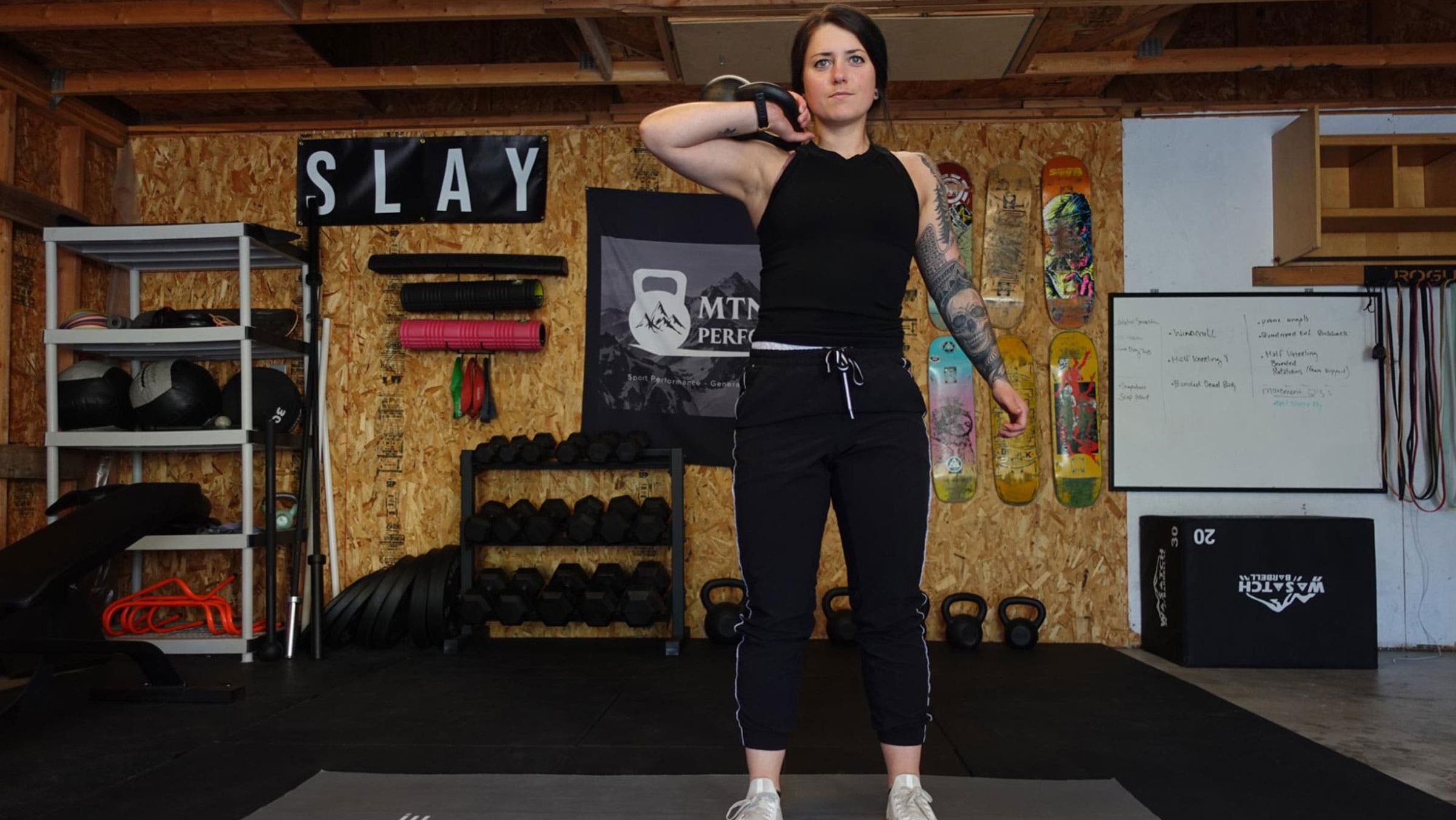
- Execution: Standing in a wide, hinged position with kettlebells on the floor, row one weight to the hip while the other remains grounded, alternating sides without allowing the torso to rotate.
- Ski-Specific Impact: This builds the "anti-rotation" strength needed to keep the upper body quiet and stable while the lower body is working independently through a turn.
4. Suitcase Marches for Lateral Core Stability
Carrying heavy gear across a parking lot or maintaining a stable torso while skiing through heavy "mashed potato" snow requires significant lateral core strength. The Suitcase March isolates the quadratus lumborum and obliques.
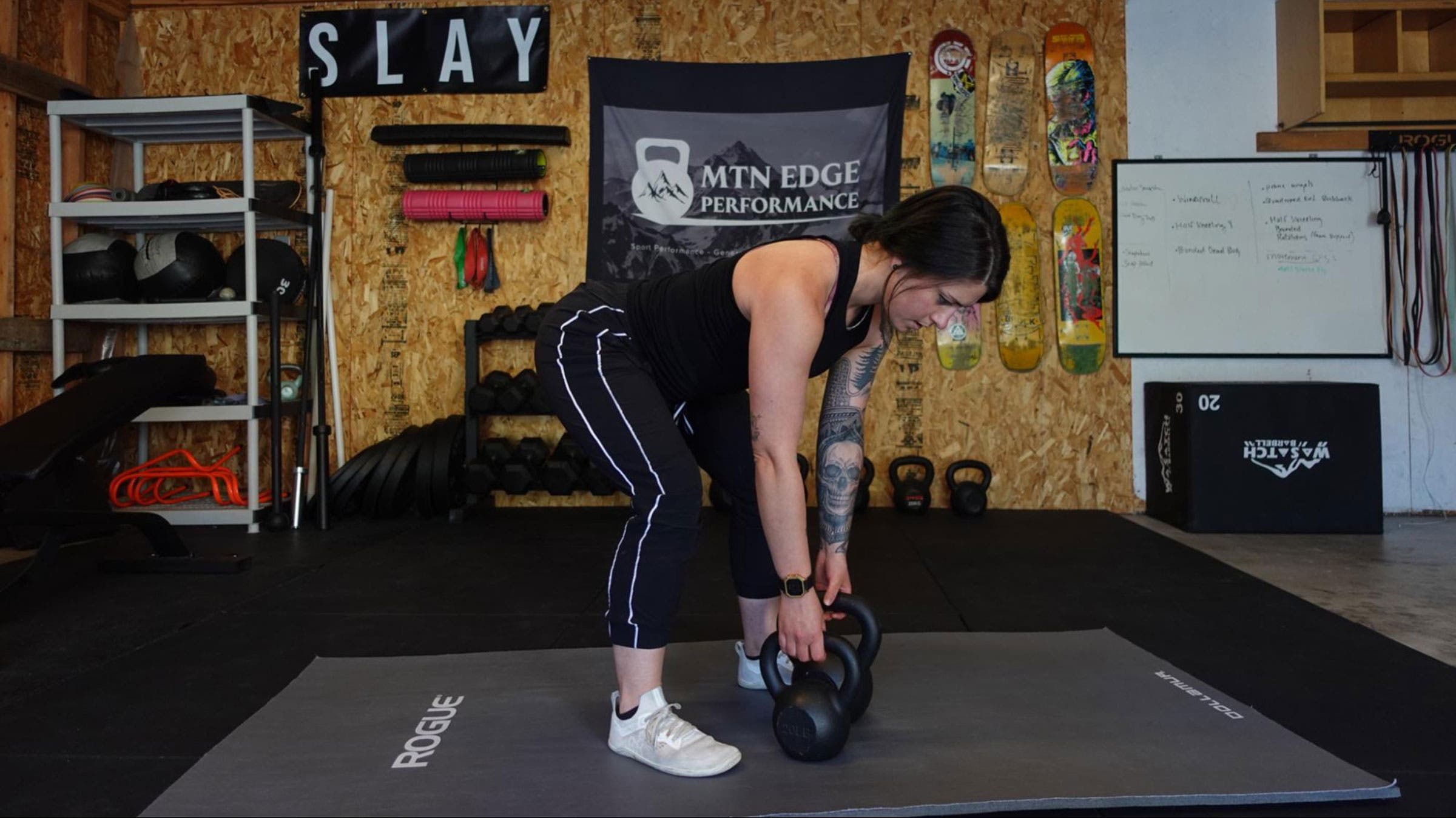
- Execution: Hold a heavy dumbbell in one hand like a suitcase. Maintain a perfectly upright posture and march in place, lifting the knees high while resisting the urge to lean toward the weighted side.
- Ski-Specific Impact: This prevents the "lateral leak" of energy, ensuring that every ounce of power generated by the legs is transferred directly to the skis.
5. Plank Pull-Throughs for Rotational Resilience
Skiing requires the core to act as a bridge between a rotating lower body and a stable upper body. The Plank Pull-Through challenges the transverse abdominis to maintain a neutral spine under shifting loads.
- Execution: Start in a high plank position with a weight placed outside one hand. Reach under the body with the opposite hand, pull the weight across to the other side, and repeat.
- Ski-Specific Impact: This mimics the reactive core engagement needed when a ski hits an unexpected bump or a patch of ice, allowing the athlete to recover their balance instantly.
Chronology of an Effective Off-Season Training Cycle
Conditioning should not be static; it must evolve as the winter season approaches. Experts suggest a periodized approach:
- Phase 1: Post-Season Recovery (April–May): Focus on low-impact mobility work and addressing any lingering injuries from the previous winter. Yoga and swimming are recommended to maintain cardiovascular health without joint stress.
- Phase 2: Foundational Strength (June–August): This is the window for heavy resistance training. Focus on the five exercises listed above, increasing weight and volume to build muscle mass (hypertrophy) and bone density.
- Phase 3: Power and Agility (September–October): Transition to plyometrics (box jumps, lateral hops) to build "twitch" fibers. This phase prepares the nervous system for the rapid-fire decision-making required in glades or moguls.
- Phase 4: Pre-Season Conditioning (November): Increase the intensity of cardiovascular training and focus on muscular endurance. Long-duration wall sits and high-repetition leg circuits simulate the fatigue of a full day on the mountain.
Expert Analysis and Broader Implications
Physical therapists emphasize that "pre-habilitation" is significantly more cost-effective and less painful than rehabilitation. According to Dr. Elizabeth Myers, a specialist in sports orthopedics, "The most common mistake recreational skiers make is assuming that being ‘cardio fit’ from running or cycling is enough. Skiing is a multi-directional strength sport. If you haven’t trained your body to resist rotation and manage lateral loads, you are essentially a passenger on your own skis, which is when injuries happen."
The implications of this training extend beyond individual health. On a macro level, better-prepared skiers lead to fewer emergency evacuations and reduced strain on mountain rescue services. Economically, the loss of productivity from skiing-related injuries—often requiring months of physical therapy or surgery—represents a significant hidden cost of the sport.
Conclusion: The Long-Term Athlete
Ultimately, off-season conditioning transforms the skiing experience from a seasonal struggle into a year-round athletic pursuit. By utilizing the side plank assessment and integrating targeted functional movements, skiers can move beyond mere survival on the slopes. The development of a strong core, resilient hips, and explosive leg power ensures that when the first snow falls, the athlete is not just ready to ski, but ready to excel. Consistency in the gym during the summer months is the most reliable predictor of longevity in the sport, allowing enthusiasts to enjoy the mountains well into their later years with minimal pain and maximum performance.

