
The 26-year-old Finnish cross-country skiing sensation, widely regarded as one of the most promising talents in the Nordic circuit, has confirmed that she and her partner, 28-year-old retired national team member Verneri Poikonen, have officially taken up residence together in Espoo. The move represents a significant geographical consolidation for the pair, who previously navigated the challenges of maintaining a relationship while separated by hundreds of kilometers across Finland.
For Kähärä, who has spent the better part of her professional career training in the dedicated hub of Vuokatti—located approximately 600 kilometers north of Helsinki—the relocation to the capital region is more than just a change of address. It is a strategic lifestyle adjustment designed to balance the rigorous demands of elite-level training with personal stability.
Bridging the Distance: A New Chapter in Espoo
The logistical challenges of their previous living arrangements were substantial. While Kähärä was entrenched in the high-performance environment of Vuokatti, Poikonen, who concluded his professional skiing career in the spring of 2024, has been focused on his aviation studies in Pori. Pori is situated roughly 250 kilometers northwest of Helsinki, while Vuokatti sits deep in the northern reaches of the country.
By settling in Espoo, located just 25 kilometers east of Helsinki, the couple has managed to drastically shorten their respective commutes. Kähärä, speaking to Finnish media, noted the irony of the situation with a sense of relief. "His commute will be quite a bit shorter than the one to Vuokatti," she remarked, acknowledging that the distance had previously been a primary hurdle in their day-to-day lives.
The transition to Espoo is not merely a domestic update; it is an environment designed to foster recovery and training efficiency. Kähärä characterizes the new setting as "Espoonland," a locale that strikes a balance between urban accessibility and the serenity of the Finnish countryside. Despite its proximity to the capital, the area offers the isolation and quiet necessary for an elite athlete to recharge. For Kähärä, who has faced significant health challenges in the preceding months, this tranquility is of paramount importance.
A Career at a Crossroads: The Road to Recovery
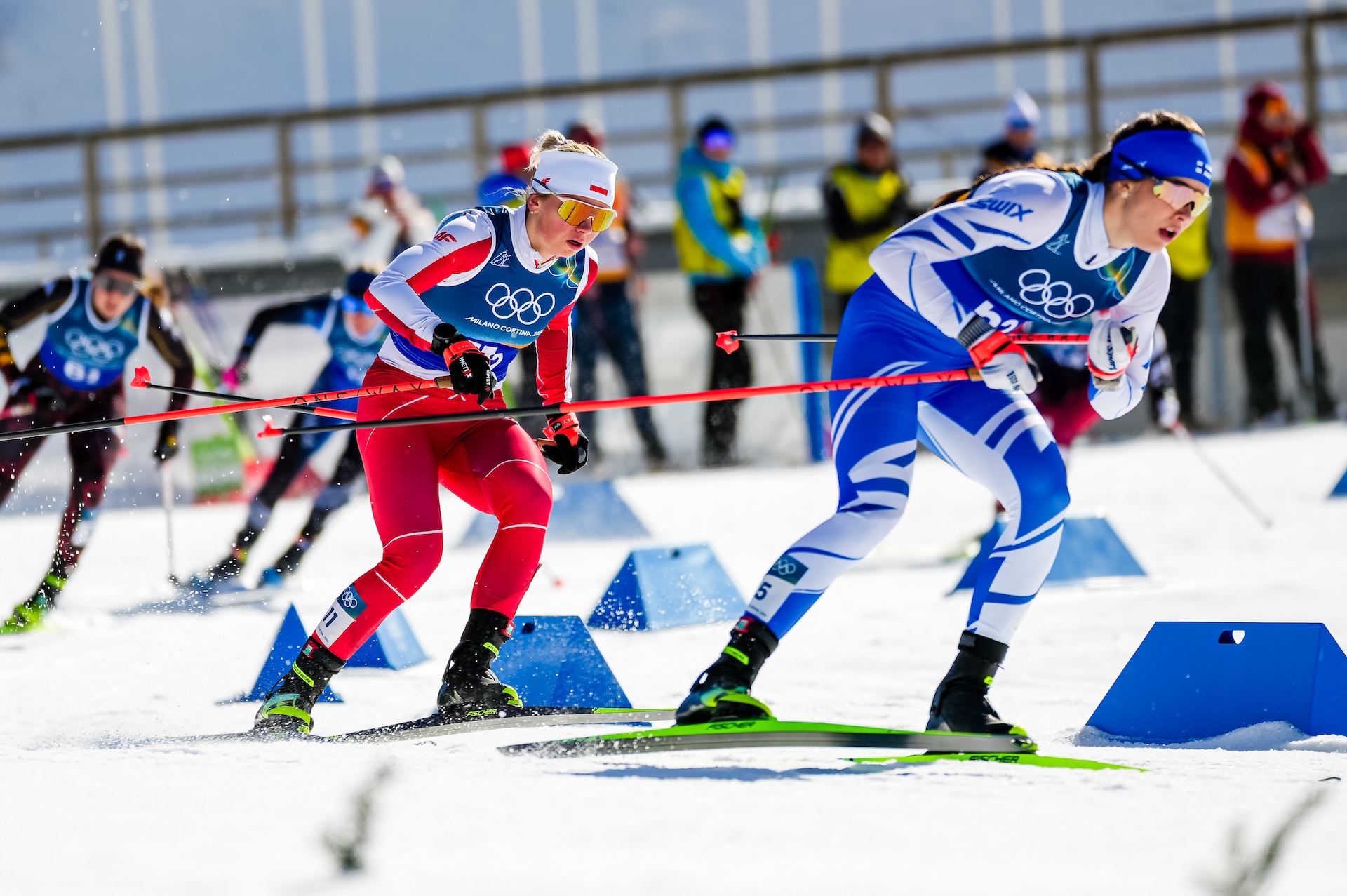
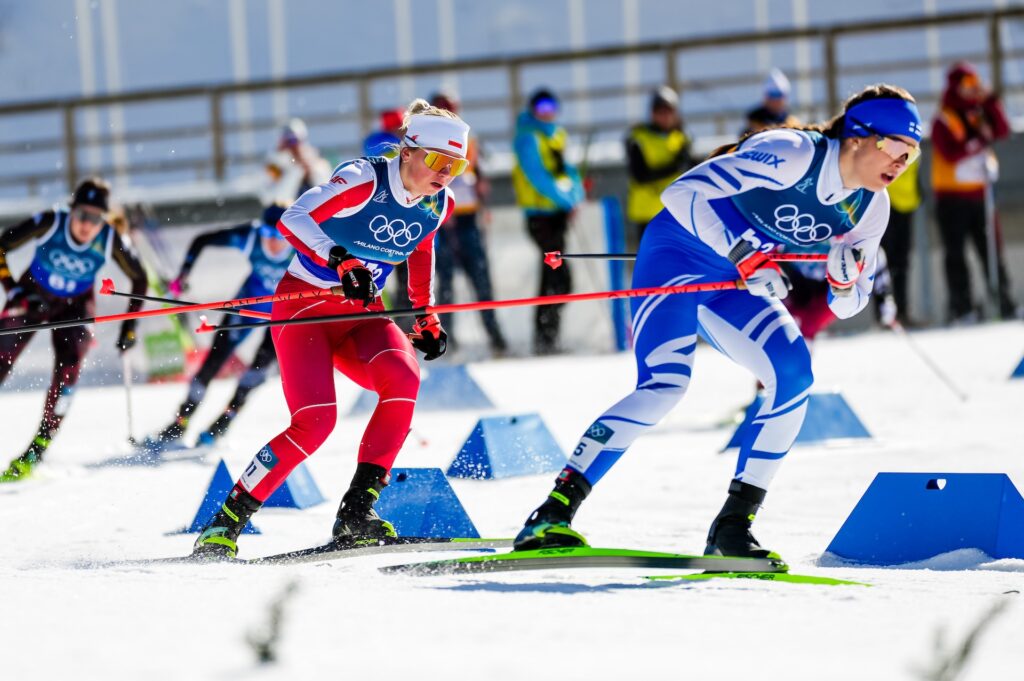
The move comes at a pivotal moment in Kähärä’s career. Long identified as a cornerstone of Finland’s future in sprint skiing, she gained international attention during the 2026 Olympic Winter Games in Milan and Cortina. During the teamsprint, Kähärä was at the center of one of the most dramatic moments of the competition. She was instrumental in putting the Finnish team in a position to contest for a medal, only to suffer a fall during the final anchor leg. While the incident was a crushing disappointment for the athlete and her national supporters, it served to solidify her reputation as a fierce competitor who is capable of racing at the highest possible intensity.
However, the post-Olympic period has been fraught with difficulty. Following the 2026 Games, Kähärä experienced a severe health setback that forced her to step away from the sport entirely. She was, as reported in recent months, ordered by medical professionals to undergo three months of strict bed rest. For an athlete whose entire life is predicated on physical motion and cardiovascular conditioning, the diagnosis was described by those close to her as "the worst nightmare."
The transition to living with Poikonen occurs as she begins the slow, arduous process of reintegration into professional training. The move to the Espoo residence is, therefore, a component of a broader rehabilitation strategy. By residing in a location where she can access varied training terrains—including immediate access to roller-skiing paths and running trails directly from her doorstep—she is attempting to control her environment to prevent further burnout or physical strain.
Technical and Geographical Advantages
From a performance standpoint, the relocation offers tangible benefits. The Finnish national team often utilizes centralized training centers, but for an athlete in recovery, the ability to train independently, at one’s own pace, and within a supportive domestic environment, is a luxury.
Kähärä’s description of the training opportunities in Espoo is telling. The ability to transition from the living room to a training session without a lengthy commute reduces the mental load of the recovery process. In professional sports, the "training load" is not merely physical; it is the sum total of travel, preparation, and psychological exertion. By minimizing the travel component, Kähärä is optimizing her daily energy budget—a critical factor for an athlete who has spent months in inactivity and must now carefully manage her return to competition.
Contextualizing the Finnish Skiing Landscape
To understand the weight of Kähärä’s decision, one must look at the landscape of Finnish skiing. The country has been in a period of transition, seeking to restore the dominance it once held in the sport. The departure of veterans like Poikonen and the maturation of talents like Kähärä represent a generational shift.
Poikonen’s transition from the national team to aviation is emblematic of the career paths taken by many Nordic athletes who must reconcile the short window of professional sports with the necessity of long-term career planning. His presence in the household provides a level of experience and professional understanding that is invaluable to Kähärä as she navigates her return. He understands the pressures of the World Cup circuit, the physical toll of the training, and the psychological weight of expectation.
Broader Implications and Outlook
The impact of this move on Kähärä’s performance remains to be seen, but the signs are cautiously optimistic. In high-level sports, stability in one’s personal life is frequently correlated with sustained success on the field of play. By eliminating the stress of long-distance travel and establishing a stable home base, Kähärä is setting the foundation for a return to the form that made her an Olympic prospect.
The media attention surrounding this move also highlights the celebrity status of elite cross-country skiers in Finland. In a nation where winter sports are a primary cultural touchstone, the private lives of athletes are often subject to intense public interest. Kähärä’s openness about the move, while maintaining boundaries regarding her personal life, reflects a modern approach to athlete-media relations, balancing transparency with the need for privacy.

As the next competitive season approaches, the eyes of the Finnish sporting public will be on Kähärä. Her journey—from the heartbreak of the Olympic fall to the depths of a three-month health-induced hiatus, and now to a new, settled life in Espoo—is a narrative of resilience.
The question of whether she can regain her position at the pinnacle of the sprint rankings is yet to be answered. However, the move to Espoo indicates that she is building a support system and a training environment that prioritizes longevity and holistic health. As she works her way back to full fitness, the quietude of her new home may prove to be the most vital training tool in her arsenal. The transition marks the end of a long period of uncertainty and the beginning of a deliberate, calculated push toward a comeback that many in the Finnish sporting community are eagerly anticipating.
With her health as the primary variable, the next six to twelve months will be definitive. For now, the sprint star is focused on the immediate future: the comfort of her new home, the proximity of her training grounds, and the support of her partner as she prepares to return to the circuit that defines her identity.

