
As the autumnal equinox marks the transition toward the winter months, the focus for alpine athletes and recreational skiers shifts toward physiological readiness. While the summer months often prioritize general fitness, the specific demands of downhill skiing—characterized by high-velocity eccentric loading, rapid lateral transitions, and significant cardiovascular strain at altitude—require a targeted preseason regimen. Research underscores the necessity of this preparation; a longitudinal Swedish study involving alpine ski students demonstrated that structured preseason neuromuscular training reduced the incidence of Anterior Cruciate Ligament (ACL) injuries by nearly 50% over the course of two competitive seasons. This data highlights a critical reality for the millions of skiers who frequent resorts from the Colorado Rockies to the European Alps: physical preparation is not merely a matter of performance, but a fundamental requirement for injury prevention and career longevity in the sport.
The Biomechanical Demands of Alpine Skiing
To understand the necessity of autumn conditioning, one must analyze the unique stresses skiing places on the human body. Unlike traditional running or cycling, which are primarily sagittal plane movements, skiing requires multi-planar stability. The "skier’s knee" is a frequent point of failure, often resulting from a combination of tibial rotation and valgus stress—forces that the ACL is designed to resist but can be overwhelmed by during a fall or a high-impact turn.
Conditioning for this environment involves more than simple strength; it requires neuromuscular control, or the body’s ability to subconsciously communicate between the brain and the muscles to stabilize joints. Professional trainers emphasize that the "off-season" is actually a "pre-season," where the goal is to build a "bulletproof" chassis. This involves strengthening the posterior chain—the glutes, hamstrings, and lower back—which acts as the primary braking system and stabilizer during high-speed descents.
A Chronology of Preseason Preparation
The ideal training cycle for an alpine athlete typically begins twelve to sixteen weeks before the first anticipated snowfall. This timeline allows for a progression from general aerobic conditioning to sport-specific hypertrophy and, finally, to explosive power and reactive stability.
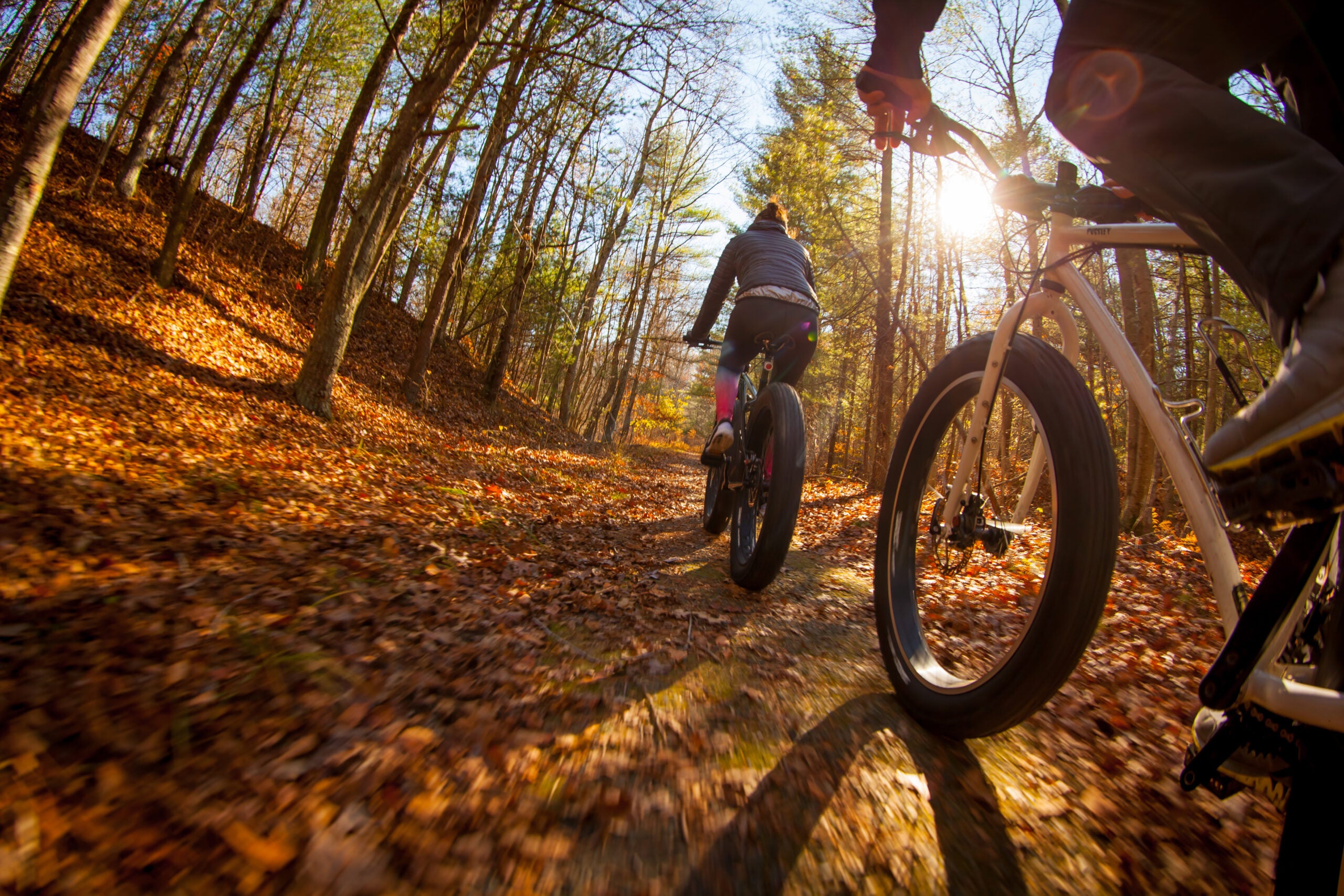
- Late August to September (Base Phase): Focus on aerobic capacity and foundational strength. This period utilizes high-volume, lower-intensity activities such as long-distance trail running and mountain biking to build a cardiovascular reservoir.
- October (Strength and Hypertrophy Phase): Emphasis shifts toward building the muscle mass necessary to absorb the "G-forces" of carving. Weight training focuses on compound movements like squats, lunges, and deadlifts.
- November (Power and Proprioception Phase): As resort opening dates approach, the training becomes more "twitchy." Plyometrics, box jumps, and balance-board exercises are integrated to mimic the rapid-fire corrections required in mogul fields or variable snow conditions.
- December (Maintenance): Once the season begins, the focus shifts to recovery and maintaining the gains made during the autumn months.
Vertical Ascent Training: Hiking and Slope Climbing
One of the most effective sport-specific activities available to those in mountainous regions is the practice of hiking up designated ski trails. This activity provides a dual benefit: it offers a high-intensity cardiovascular workout while simultaneously conditioning the lower extremities for the specific inclines they will encounter in winter.
From a physiological standpoint, uphill hiking under load—often referred to as "vertical displacement"—torches the quadriceps and glutes in a manner that closely mirrors the sustained isometric and eccentric contractions of skiing. For athletes looking to increase the difficulty, the use of weighted vests mimics the weight of a fully loaded avalanche pack, further challenging core stability and respiratory efficiency. Furthermore, the descent on foot, provided it is done carefully, trains the muscles to handle eccentric loading, which is the primary cause of muscle soreness (DOMS) after the first few days of the ski season.
Mountain Biking: Proprioception and Edge Control
Mountain biking has emerged as the premier cross-training tool for the modern skier. The parallels between the two sports are extensive. Both require the athlete to scan the terrain ahead, choose a "line," and commit to high-speed cornering.
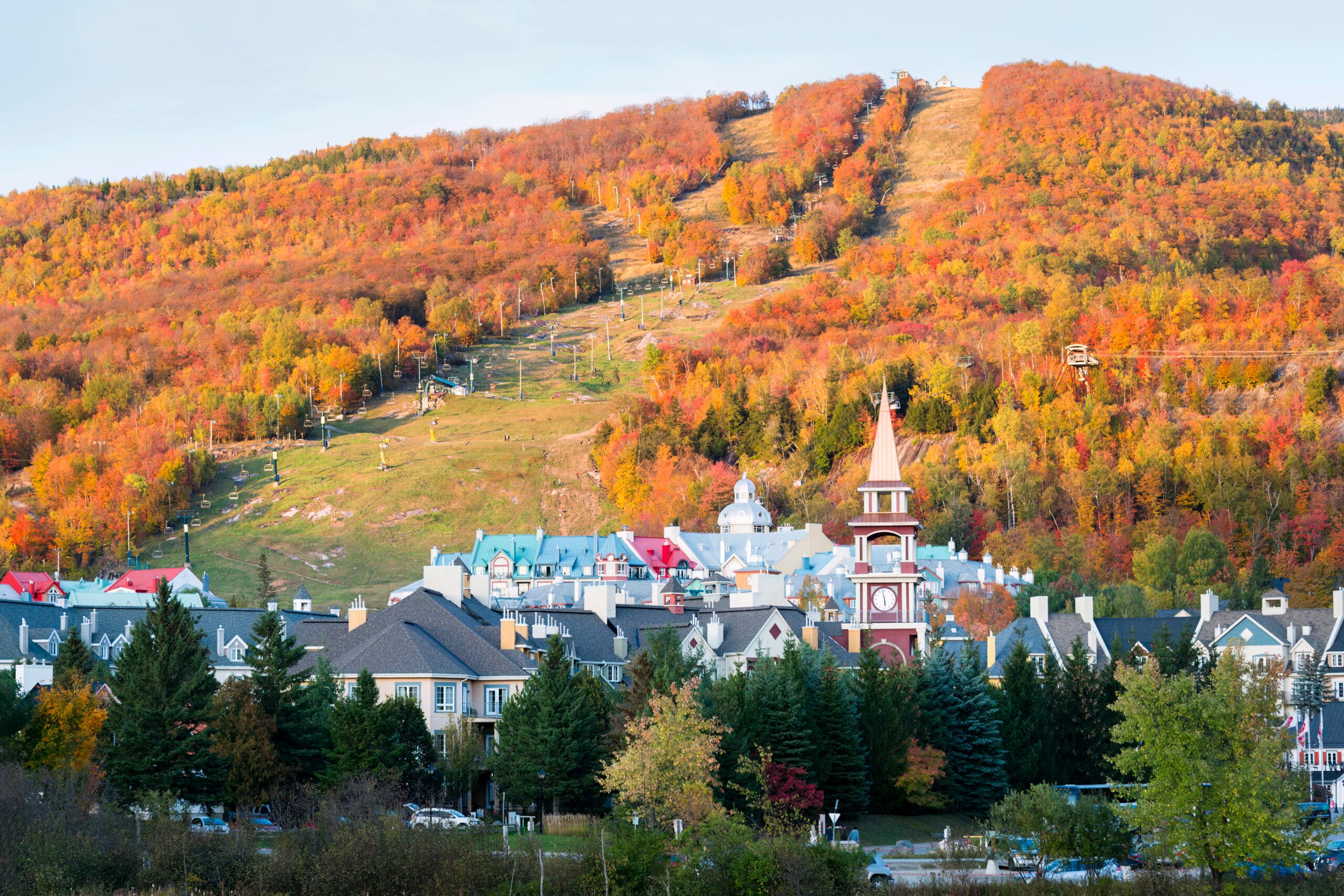
The act of navigating a mountain bike through technical "singletrack" or over loose scree requires constant micro-adjustments in balance. This trains the vestibular system and improves proprioception. When a skier leans into a turn on a groomed run, they are relying on the same lateral stabilizers and core engagement used when cornering a bicycle on a dirt berm. Moreover, the high-cadence climbing required in mountain biking builds the "slow-twitch" endurance necessary for long days on the mountain, while technical descents provide the "fast-twitch" stimulus needed for reaction-based skiing.
Via Ferrata: Core Stability and Mental Fortitude
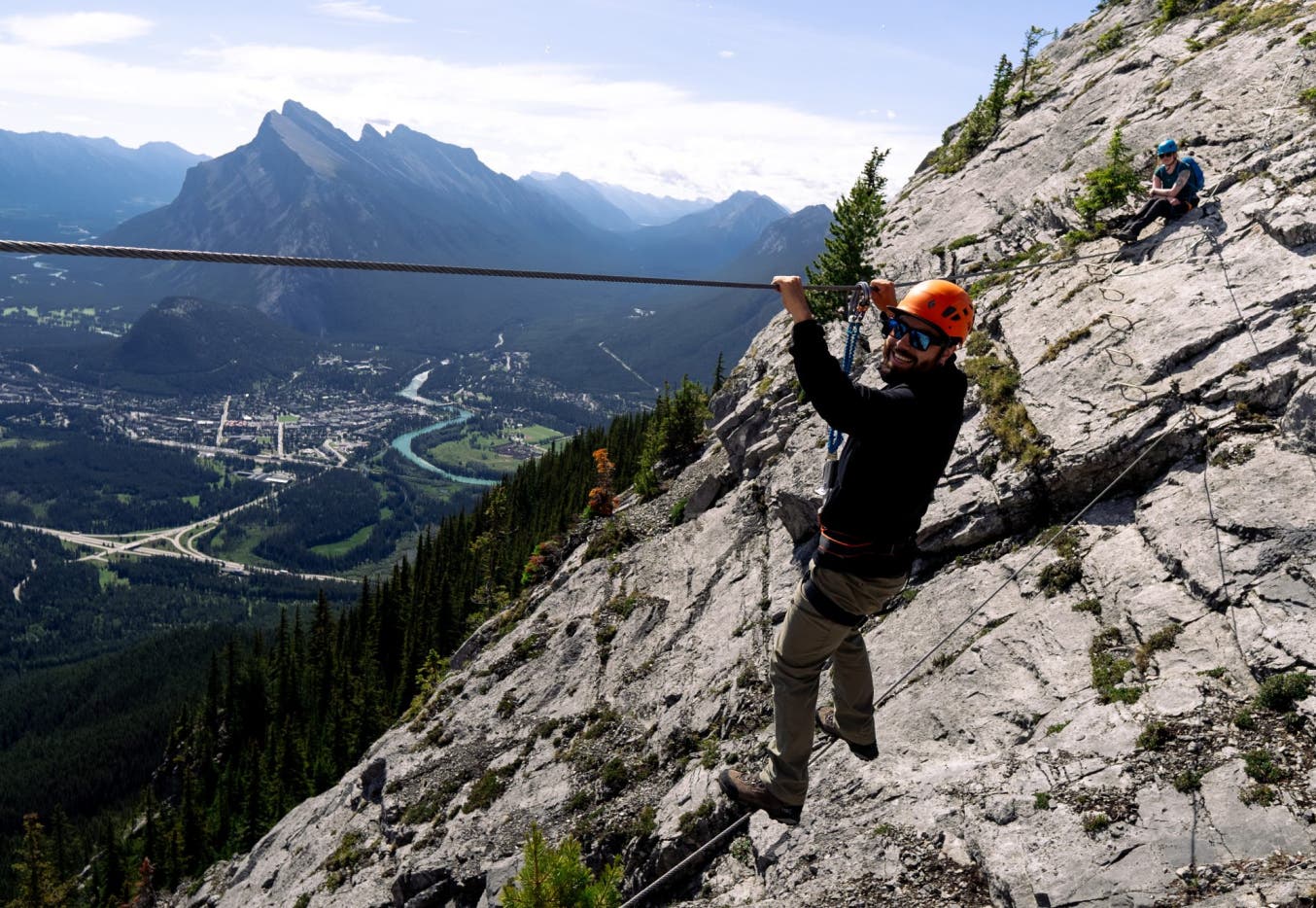
Originating in the Italian Dolomites—the site of the upcoming 2026 Winter Olympics—the via ferrata (or "iron path") has become a global phenomenon in alpine training. These protected climbing routes, consisting of steel cables, rungs, and ladders, offer a unique full-body workout that emphasizes grip strength, core engagement, and upper-lower body separation.
While skiing is primarily a lower-body sport, the core is the conduit through which power is transferred. A weak core leads to "breaking at the waist," a common technical flaw that increases the risk of injury. Navigating a via ferrata requires sustained isometric holds and controlled, deliberate movements over vertical terrain. This mirrors the mental focus required when navigating "no-fall zones" or steep couloirs in the backcountry. The exposure and height also provide psychological conditioning, helping athletes manage adrenaline and maintain calm under physical duress.
The Science of Altitude Conditioning and Trail Running
For those aiming to ski in high-altitude environments such as the Andes, the Alps, or the High Sierra, trail running at elevation is an indispensable tool. The primary challenge of skiing at 10,000 feet and above is hypoxia, or the reduced availability of oxygen.
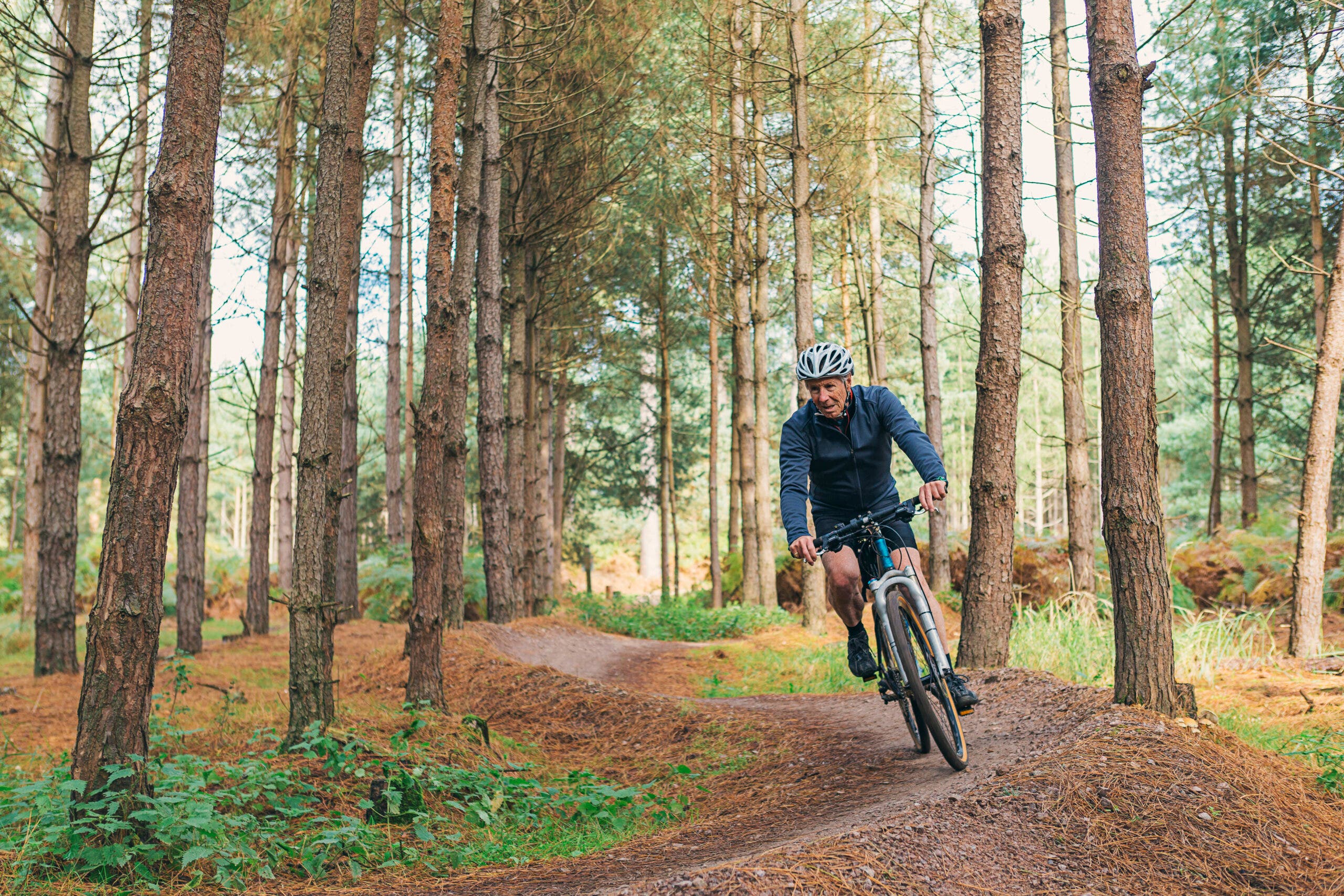
Running on uneven alpine trails forces the respiratory system to adapt to lower oxygen pressures, increasing the production of red blood cells and improving the efficiency of oxygen transport to the muscles. Additionally, the irregular surface of a trail—comprising roots, rocks, and mud—strengthens the small stabilizer muscles around the ankles and knees. These are the same muscles that prevent "boot bang" and help maintain balance when a ski hits an unexpected chunk of ice or a hidden "death cookie."
Technological Advancements: Indoor Slopes and Simulators
The democratization of ski training has been significantly bolstered by the rise of indoor ski centers and advanced simulators, particularly for those living in urban centers far from the mountains. Facilities like Big Snow American Dream in New Jersey provide a year-round, temperature-controlled environment for basic skill maintenance. However, for high-performance training, the focus has shifted toward "Infinite Slope" technology.
Companies like Bluerun utilize revolving carpet systems that function similarly to a treadmill for skiers. These slopes can be adjusted for both speed and incline, allowing for high-repetition training of specific movements. Unlike a traditional mountain run, which is interrupted by lift rides, an infinite slope allows a skier to carve for ten or twenty minutes continuously. This builds "sport-specific endurance" that is almost impossible to replicate in a traditional gym.
Interactive simulators further augment this by providing biofeedback on edge angles, weight distribution, and hip angulation. For the aging athlete or those recovering from previous injuries, these controlled environments offer a way to refine technique and rebuild muscle memory without the uncontrolled variables of wind, ice, and other skiers.
Expert Analysis and Industry Implications
The shift toward rigorous preseason conditioning is not merely a trend among elite athletes; it is an economic and public health necessity. The cost of a typical ACL reconstruction and subsequent physical therapy can exceed $30,000, not including the loss of productivity and seasonal passes.
Sports medicine professionals, including surgeons for the U.S. Ski Team, increasingly advocate for "pre-habilitation." By addressing muscular imbalances and flexibility deficits in the autumn, skiers can significantly decrease their "injury profile." The consensus among experts is that most non-contact injuries on the slopes occur during the final hour of the day when fatigue causes a breakdown in form. Therefore, building a high "fatigue threshold" through autumn endurance work is perhaps the most effective safety measure a skier can take.
From an industry perspective, resorts are also recognizing the value of the "fit skier." A guest who is physically prepared is more likely to enjoy their stay, purchase multi-day passes, and return the following year. This has led to an increase in resort-sponsored fitness apps and preseason training "camps" designed to bridge the gap between summer leisure and winter intensity.
Conclusion: The Long-Term Athlete
The transition into one’s 40s, 50s, and beyond does not necessitate a departure from aggressive skiing, but it does demand a more sophisticated approach to preparation. The goal of autumn training is to ensure that the body is a resilient vessel capable of handling the volatile environment of the mountains. Whether it is through the vertical grind of a slope hike, the technical precision of mountain biking, or the high-tech repetition of an indoor simulator, the work done in the "shoulder season" determines the quality of the winter to come. As the data suggests, those who invest in their physical capital during the fall are rewarded with a season defined by performance and longevity rather than fatigue and recovery.

