
While the vast majority of young skiers embarking on a gap year find themselves operating chairlifts, tuning equipment, or instructing toddlers on the beginner slopes, Dr. Greg Lichtman chose a path defined by clinical rigor and orthopedic research. Spending a formative year at the Steadman Philippon Research Institute in Vail, Colorado, Lichtman transitioned from a passionate recreational skier to a student of the biomechanical failures that plague the sport. The experience, which involved working alongside U.S. Ski Team athletes during their most vulnerable moments of surgical recovery, provided a foundational understanding of the anterior cruciate ligament (ACL) and the catastrophic impact of its rupture.
Today, Dr. Lichtman operates as a practicing orthopedic surgeon in Auburn, California, situated in the high-traffic corridor serving the Lake Tahoe ski region. While his professional life is occupied by the precision of reconstructive surgery and the long-term management of patient rehabilitation, his clinical philosophy is increasingly focused on the "ounce of prevention" that keeps skiers out of the operating room entirely. This commitment to injury mitigation was further refined during a sports medicine fellowship at the University of Massachusetts, where the stark contrast between the icy conditions of East Coast skiing and the data-rich environments of field sports became apparent.
The Biomechanical Crisis on the Slopes
The prevalence of ACL injuries in skiing is a well-documented phenomenon in sports medicine, yet Lichtman notes a significant disparity in how these injuries are addressed compared to land-based athletics. In sports such as soccer and basketball, standardized injury prevention protocols—like the FIFA 11+ program—have been shown to reduce ACL injury rates by as much as 40 to 60 percent. In contrast, skiing has historically lacked the same level of validated, widely adopted prevention data.
"I saw a high volume of injuries and also saw that there was a lot of data on preventing injuries in land-based sports, but not skiing," Lichtman observed. This realization prompted a deeper investigation into the specific mechanisms of failure. According to clinical data, the ACL is most vulnerable during a very narrow window of time—approximately 60 milliseconds—during which the forces applied to the knee exceed the ligament’s tensile strength. Because human reaction time is significantly slower than this 60-millisecond window, the injury is often inevitable once the "mechanism of injury" has been triggered.
The Chronology of an ACL Tear: Understanding the Mechanisms
To prevent an injury, one must first understand the physics of the fall. Dr. Lichtman identifies two primary mechanisms that account for the majority of non-contact ACL tears in skiing: the "Slip-Catch" and the "Phantom Foot."
The Slip-Catch Mechanism
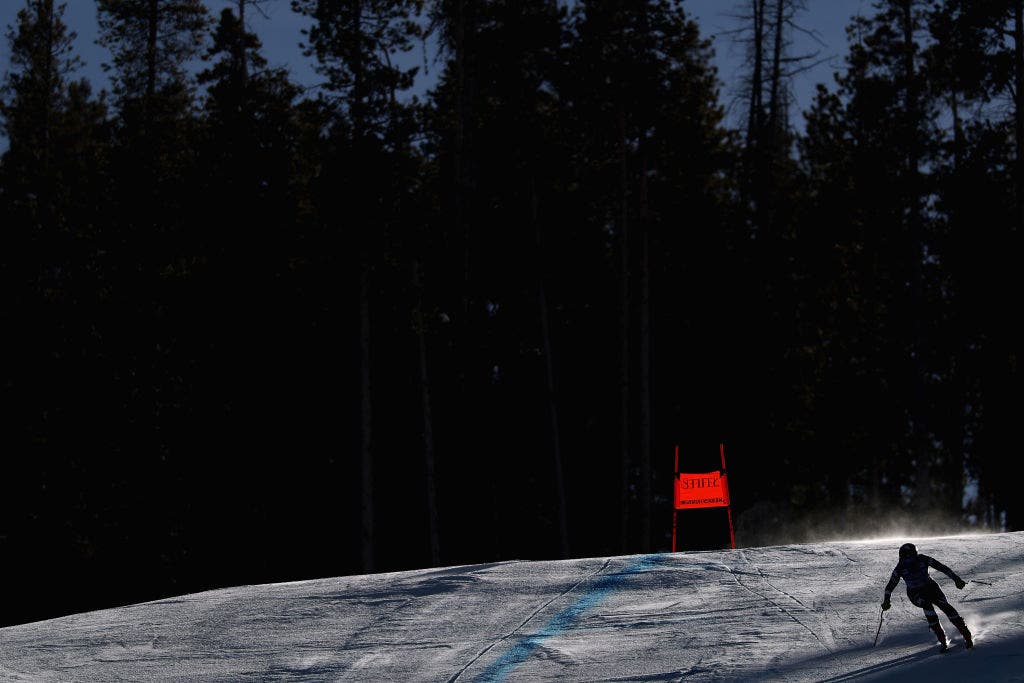
The Slip-Catch is a high-speed phenomenon often seen in competitive racing and high-performance carving. It occurs when a skier’s downhill ski loses contact with the snow or "slips" out from under them. In an instinctive attempt to recover, the skier’s leg straightens and then abruptly flexes and compresses as the edge catches the snow again. This sequence forces the tibia (the lower leg bone) into a position of valgus stress and internal rotation.
This specific combination of rotation and compression is the primary driver of ACL failure. On the East Coast, where hardpack and "blue ice" are common, the Slip-Catch is a frequent culprit, as skis often struggle to find purchase on the frozen surface before suddenly engaging.
The Phantom Foot Mechanism
The "Phantom Foot" is perhaps the most common mechanism among recreational skiers. It typically occurs when a skier is in the "backseat"—a position where the center of gravity is behind the boots, the hips are below the knees, and the weight is on the tails of the skis.
In this scenario, if the skier falls backward and to the side, the tail of the downhill ski acts as a lever. Because modern skis are shaped and relatively rigid, the tail (the "phantom foot") creates a rotational force that is transferred directly to the knee joint. If the uphill arm is positioned behind the body, it further rotates the torso away from the downhill ski, exacerbating the torque. Because the force is applied through the lever of the ski tail, the binding often fails to release until after the ligament has already reached its breaking point.
Data-Driven Prevention: Beyond the Wall Sit
For decades, the standard advice for pre-season ski conditioning was centered almost exclusively on quad strength, often epitomized by the "two-minute wall sit." However, Dr. Lichtman argues that this approach is insufficient for modern biomechanical demands. While the quadriceps are essential for power, they are also "ACL antagonists," meaning that in certain positions, a strong quad contraction can actually pull the tibia forward, increasing the strain on the ACL.
To counter this, Lichtman advocates for a comprehensive preseason program that prioritizes the "ACL protectors": the hamstrings, the gluteus medius, and the core.
- The Gluteus Medius: This muscle is responsible for lateral hip stability. A weak gluteus medius allows the knee to collapse inward (valgus), which is the "position of no return" for an ACL. Exercises like lateral leg raises and banded "monster walks" are essential for maintaining proper knee-over-toe alignment.
- Core and Obliques: Core stability is the anchor of a skier’s balance. When a skier is "kicked" by a bump or a change in snow density, a strong core allows them to recover their center of gravity before they are forced into the backseat.
- Fatigue Management: Clinical data suggests a spike in injuries during the month of December and during the final hour of the ski day. This "fatigue curve" indicates that as muscles tire, skiers lose their athletic stance and default to the backseat. Dr. Lichtman emphasizes "fatigue awareness"—the ability to recognize when the body can no longer maintain a safe, forward-leaning posture.
Environmental and Technical Risk Factors
Beyond physical conditioning, Dr. Lichtman points to environmental variables that correlate with increased injury rates. Flat light is a significant risk factor because it obscures terrain changes, leading to sudden balance disruptions. Similarly, "Sierra Cement"—the heavy, wet snow characteristic of the Tahoe region—creates high levels of drag that can easily throw a skier off balance, especially if they lack the leg strength to power through the variable density.
From a technical standpoint, the "backseat" remains the primary enemy. For novice and intermediate skiers, the most effective injury prevention tool is professional instruction. Learning to keep the shins compressed against the tongues of the boots ensures that the skier remains over their center of pressure, reducing the likelihood of a "Phantom Foot" incident.
The Role of Equipment and Future Implications
A common misconception among skiers is that high-quality bindings are a guarantee of safety. However, Dr. Lichtman notes that most ACL tears occur before the binding even has a chance to release. "Recreational skiers need to have the DIN on their bindings set correctly for their age, height, weight, and skill level," he states.
There is an ongoing debate in the industry regarding binding technology. While multidirectional release systems, such as those found in certain Look and KneeBinding models, are designed to mitigate the rotational forces that cause ACL tears, Lichtman believes the field is ripe for further innovation. The development of bindings with higher sensitivity to internal tibial rotation could represent the next frontier in ski safety.
Broader Impact on the Sport
The implications of Dr. Lichtman’s work extend beyond the individual patient. An ACL tear is not merely a physical injury; it is a significant economic and psychological burden. With surgery and rehabilitation costs often exceeding $30,000 and a recovery timeline of nine to twelve months, the "cost" of a single fall is immense. Furthermore, a ruptured ACL increases the long-term risk of post-traumatic osteoarthritis, even with a successful reconstruction.
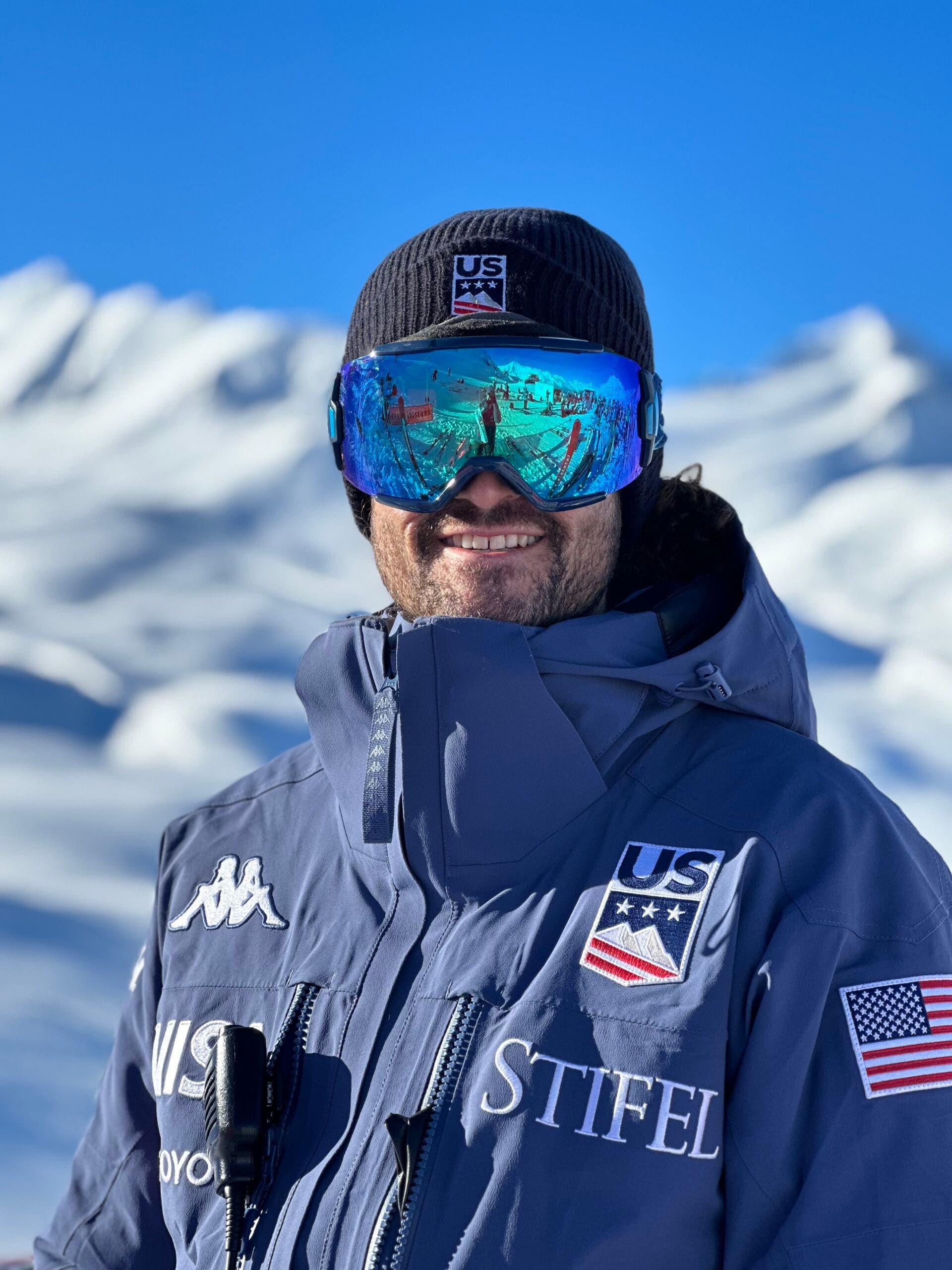
As a pool physician for the U.S. Women’s Ski Team, Lichtman travels to world-class venues from Portillo, Chile, to Val d’Isère, France. His dual role as a high-level team doctor and a community surgeon allows him to bridge the gap between elite sports science and recreational safety. By advocating for validated prevention programs similar to those used in soccer, Lichtman aims to shift the culture of skiing from one of "inevitable injury" to one of "proactive protection."
The ultimate goal, as Lichtman summarizes, is to ensure that the passion for the mountains isn’t cut short by a 60-millisecond lapse in biomechanics. Through a combination of technical education, specific physical conditioning, and an awareness of the mechanisms of failure, the skiing community can begin to reduce the "extremely high" rates of ligamentous injury that currently define the sport.

