
As the 2025-2026 winter sports season reaches its peak, an often-overlooked health crisis is surfacing among both recreational and professional skiers: the long-term physiological impact of poorly fitted footwear. While the traditional "badge of honor" in skiing has long been the endurance of uncomfortable, stiff boots, medical professionals are increasingly warning that this stoicism can lead to irreversible podiatric damage. The intersection of high-performance athletic requirements and human anatomy has created a landscape where the difference between a successful season and a lifetime of chronic pain often comes down to millimeters of plastic and foam.
For decades, the prevailing wisdom among the skiing community was that discomfort was a necessary trade-off for the rigidity required to control a pair of skis at high speeds. However, as the sport continues to evolve and equipment becomes more specialized, the medical community is highlighting the specific risks associated with "locking" the foot into a fixed, non-neutral position for extended periods. The primary concern is no longer just temporary soreness, but the exacerbation of latent deformities and the creation of new, permanent nerve and bone pathologies.
The Medical Reality of the Ski Boot Environment
According to Dr. Nelya Lobkova, a prominent New York City-based podiatrist and an avid skier, the structural design of a ski boot—while necessary for downhill performance—creates a hostile environment for the human foot. Dr. Lobkova notes that ski boots can significantly aggravate existing conditions that might otherwise remain dormant or manageable. Among the most common issues are bunions, which are forefoot deformities often linked to genetics, and Morton’s neuroma, a painful thickening of the nerve tissue typically occurring between the third and fourth toes.
The mechanics of these injuries are rooted in the physics of the boot’s "toe box." When this area is too restrictive, the resulting friction and compression can cause bunions and hammertoes to become acutely inflamed. Conversely, a boot that is too loose presents its own set of dangers. "If the boots are too loose, the foot jams excessively forward inside the boot and impinges the toe bones," Dr. Lobkova explains. "In either case, an inflamed bunion or an impinged nerve root could become a lingering problem long after the skier has left the slopes."
Beyond bone and nerve issues, the physical pressure of the boot shell against the toes can lead to subungual hematoma—more commonly known as bruising under the nail. While this may seem like a cosmetic issue, Dr. Lobkova warns of more severe complications. "Both conditions could potentially lead to a toenail infection that may require removal of the toenail or oral antibiotics," she says. Furthermore, repeated trauma to the nail bed can cause "irreversible damage," resulting in nails that appear permanently thicker and shorter than their healthy counterparts.
Distinguishing Normal Discomfort from Pathological Pain
The challenge for many skiers is identifying when a sensation moves from standard athletic exertion to a warning sign of injury. Dr. Mikel Daniels, a Baltimore-based podiatric surgeon, emphasizes that while a new boot will naturally feel "snug," it should never be agonizing. "There is a difference between regular ski boot discomfort and a bad fit," Daniels says.
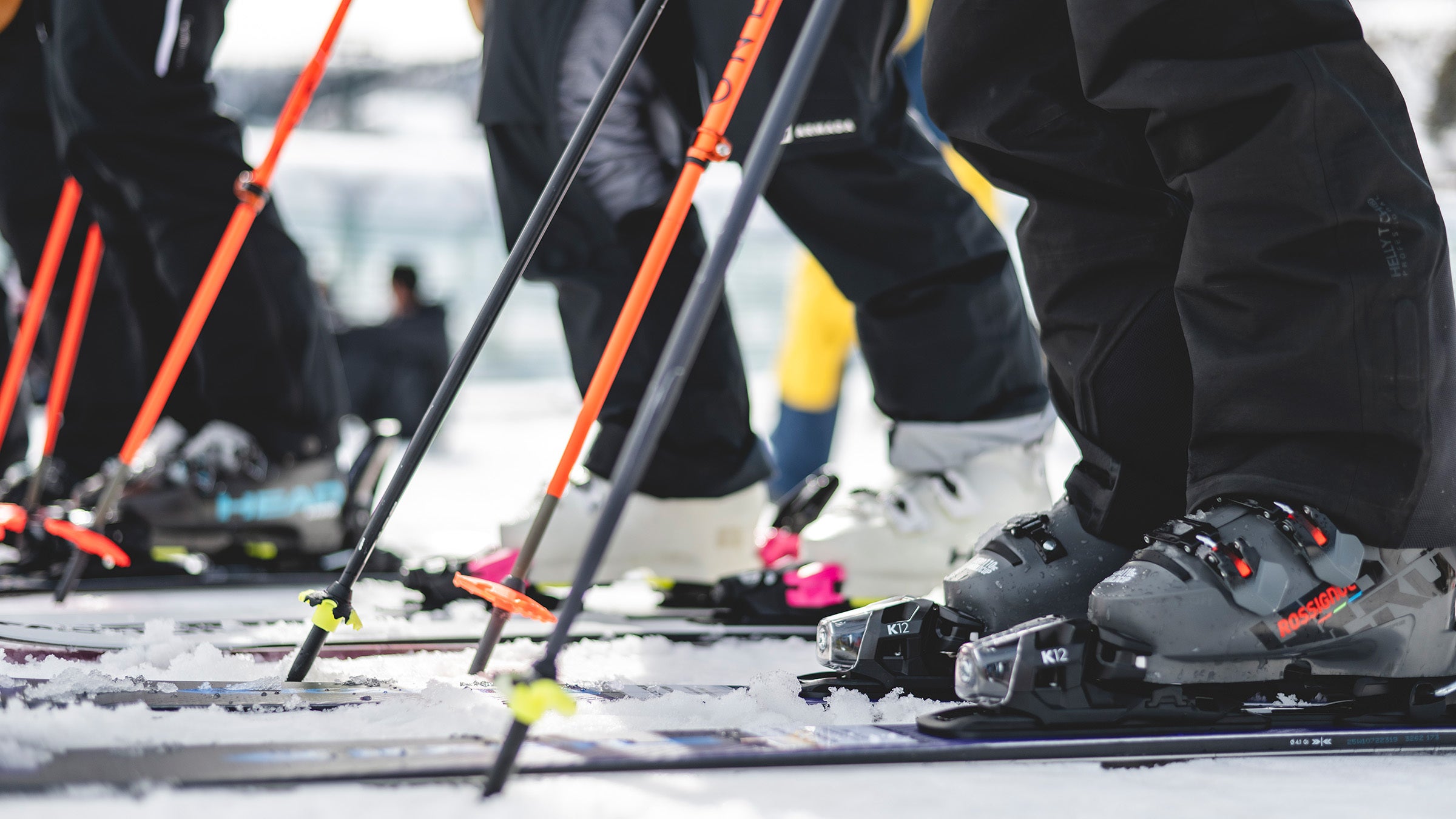
According to Dr. Daniels, a properly fitted boot should allow the toes to lightly brush the front of the liner when the skier is standing upright. Critically, when the skier moves into a "flexed" or active skiing stance, the toes should pull back slightly from the front of the boot. While a general ache at the end of a long day is common—especially as the foam liner compresses over time—certain red flags should never be ignored. Localized, sharp pain, persistent "pins and needles" sensations, or feet that remain unusually cold despite movement are all indicators of nerve compression or restricted blood flow. "My rule is simple: if your boot pain makes you think more about your feet than your skiing, the fit is wrong," Daniels adds.
The Evolution of Boot-Fitting Technology and Customization
In response to these medical concerns, the ski industry has seen a massive surge in the professional boot-fitting market. What was once a luxury for World Cup racers is now becoming a standard expectation for serious recreational skiers. The primary solution recommended by both Dr. Lobkova and Dr. Daniels is heat molding.
Modern ski boot shells and liners are often constructed from thermoformable plastics. When heated in a specialized oven and then worn by the skier, the material softens and expands to match the unique contours of the individual’s foot. This process is essential for accommodating common irregularities like prominent ankle bones or wide forefoots. "When heat-molded and custom-fitted, downhill ski boots should contour all forefoot deformities," says Dr. Lobkova, noting that this customization is the single most effective way to reduce the friction that leads to neuromas and bunions.
For more extreme cases, professional boot fitters use a technique known as "punching." This involves using hydraulic tools to locally stretch the plastic shell in specific areas, such as the big toe or a bunion site. Dr. Daniels recounts the case of a high-level skier who suffered from chronic "black toenails" every February. "Once we got him into a boot with the right shell length and a small punch in the toe box, his toenails finally survived a ski season," Daniels says. This highlights that many "inevitable" skiing injuries are actually the result of solvable mechanical conflicts.
The Role of Custom Orthotics and Biomechanics
Even with a perfectly molded shell, many skiers continue to experience forefoot pain due to internal biomechanics. Dr. Lobkova frequently recommends custom orthotics specifically designed for the low-volume environment of a ski boot. Standard over-the-counter insoles are often too thick, which can paradoxically increase pressure by taking up valuable vertical space inside the boot.
"I will create thin, specialized custom insoles with an embedded metatarsal pad," Lobkova explains. These pads serve to separate the toe bones and tendons in the forefoot, preventing the compression that triggers Morton’s neuroma. By stabilizing the arch and the heel, these orthotics also prevent the foot from "collapsing" or lengthening during the turn, which is a major cause of toes slamming into the front of the boot.
Protecting the Rental Consumer
The risk of foot damage is perhaps highest among occasional skiers who rely on rental equipment. Because rental boots are designed to fit the "average" foot, they often fail to provide the support or specific shaping required for safety. However, Dr. Daniels suggests several measures to mitigate risk for those not ready to invest in their own gear.
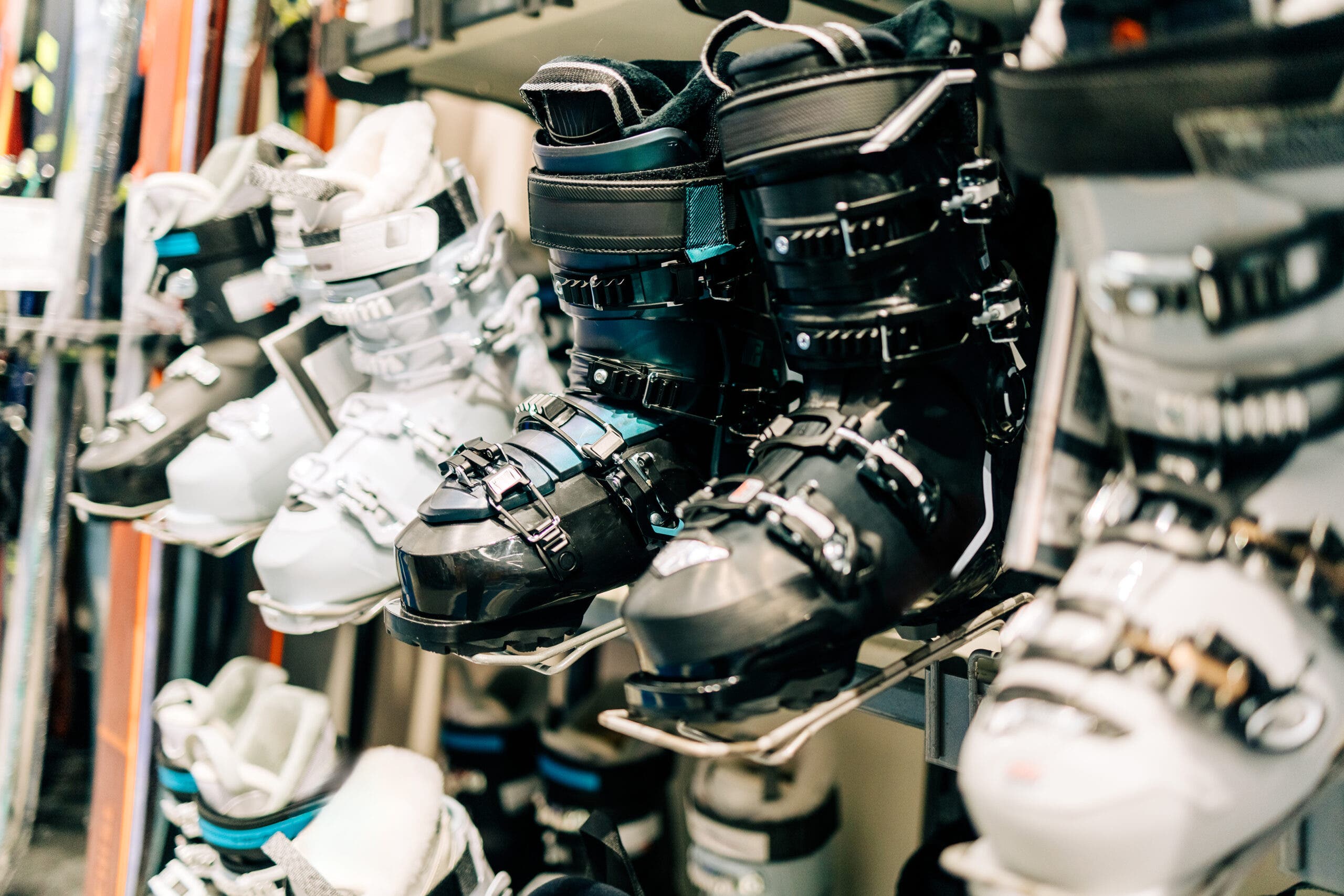
First, communication with rental technicians is vital. Skiers should disclose any history of bunions, high arches, or nerve pain. Second, the choice of socks is a critical, yet often overlooked, factor. The industry standard has shifted away from thick, padded cotton socks toward thin, high-performance merino wool. Merino wool offers superior thermal regulation and moisture-wicking properties, which are essential for preventing the blisters and fungal infections that thrive in the damp, cold environment of a boot.
Furthermore, Dr. Daniels advises that if a skier uses orthotics in their everyday shoes, they should attempt to use them in their rental boots as well. Maintaining a snug shell—rather than opting for a larger, "comfier" size—is also key. An oversized boot often leads to "over-buckling," where the skier tightens the straps to the point of cutting off circulation just to achieve a sense of control.
Broader Implications: The "Tourniquet Effect" and Industry Impact
The implications of foot health extend beyond the individual skier to the broader resort economy. Each year, thousands of "ski days" are lost because participants are forced to quit early due to foot pain. This represents a significant loss in revenue for resorts, instructors, and equipment manufacturers.
From a physiological standpoint, Dr. Lobkova warns of the "tourniquet effect." When skiers take breaks in warm lodges without loosening their boots, their feet and ankles naturally swell due to vasodilation. If the feet swell against the unyielding plastic of a buckled boot, blood flow is restricted, which can lead to localized tissue damage or increased risk of frostbite once the skier returns to the cold.
"Loosen or remove your ski boots during breaks," Lobkova advises. "This allows the foot to relax and ensures that blood reaches the extremities."
Conclusion: A New Paradigm for Winter Sports Health
As we move further into the 2026 season, the message from the medical community is clear: pain is not a requirement for performance. The long-term health of a skier’s feet depends on a proactive approach to equipment selection and a willingness to utilize modern customization technologies.
By shifting the culture away from "toughing it out" and toward precision fitting, the industry can reduce the prevalence of permanent deformities and chronic nerve conditions. Whether through heat molding, custom orthotics, or simply choosing the right sock, the tools exist to ensure that the only thing a skier brings home from the mountain is a sense of accomplishment—not a lifelong podiatric injury. As Dr. Daniels concludes, the most important thing any athlete can do is listen to their body; if the equipment is causing pain, it is failing in its primary purpose.

