
Returning from the demanding filming of the reality series "71 Degrees North," Vetle Sjåstad Christiansen, the elected representative for the national biathlon team, has immediately plunged into a heated conflict with the sport’s national governing body. Christiansen has announced his intention to confront the leadership directly, citing what he perceives as a deeply disrespectful handling of two accomplished biathletes, Endre Strømsheim and Vebjørn Sætrum. The controversy erupts following the national team’s recent selection for the upcoming season, which has seen both medal-winning athletes unexpectedly excluded without being offered a pathway to the development squad.
A Shocking Exclusion and a Fierce Rebuttal
The core of the dispute lies in the exclusion of Endre Strømsheim and Vebjørn Sætrum from the national biathlon team. Strømsheim, who achieved remarkable success last year by securing two World Championship gold medals within a three-day span, has been dropped following a season where he himself indicated a dip in form, effectively concluding his competitive efforts in January. Sætrum, a promising athlete who had only completed one year on the national team, found his season significantly hampered by injuries and illness, leading to his also being omitted from the squad. Crucially, neither athlete was offered a position on the development or "rekrutt" team, a move that has been widely criticized within the biathlon community.
The decision has clearly galvanized Endre Strømsheim, who has articulated his deep dissatisfaction in a strongly worded letter addressed to the Norwegian Biathlon Federation (NSSF). The extensive correspondence reportedly details a barrage of sharp criticism regarding the process and the rationale behind his exclusion. Four primary points of contention are highlighted within Strømsheim’s letter, which paints a picture of an unpredictable and unstable selection policy, where elite athletes are treated as disposable.
The Letter’s Accusations: A Call for Accountability
Strømsheim’s letter, a critical document in this unfolding saga, outlines a pattern of what he describes as "disrespectful" treatment, likening the situation to athletes being treated as "use and throw away" commodities. This sentiment is echoed by Christiansen, who, upon learning of the exclusions while still on location for "71 Degrees North," expressed his solidarity with his teammates.
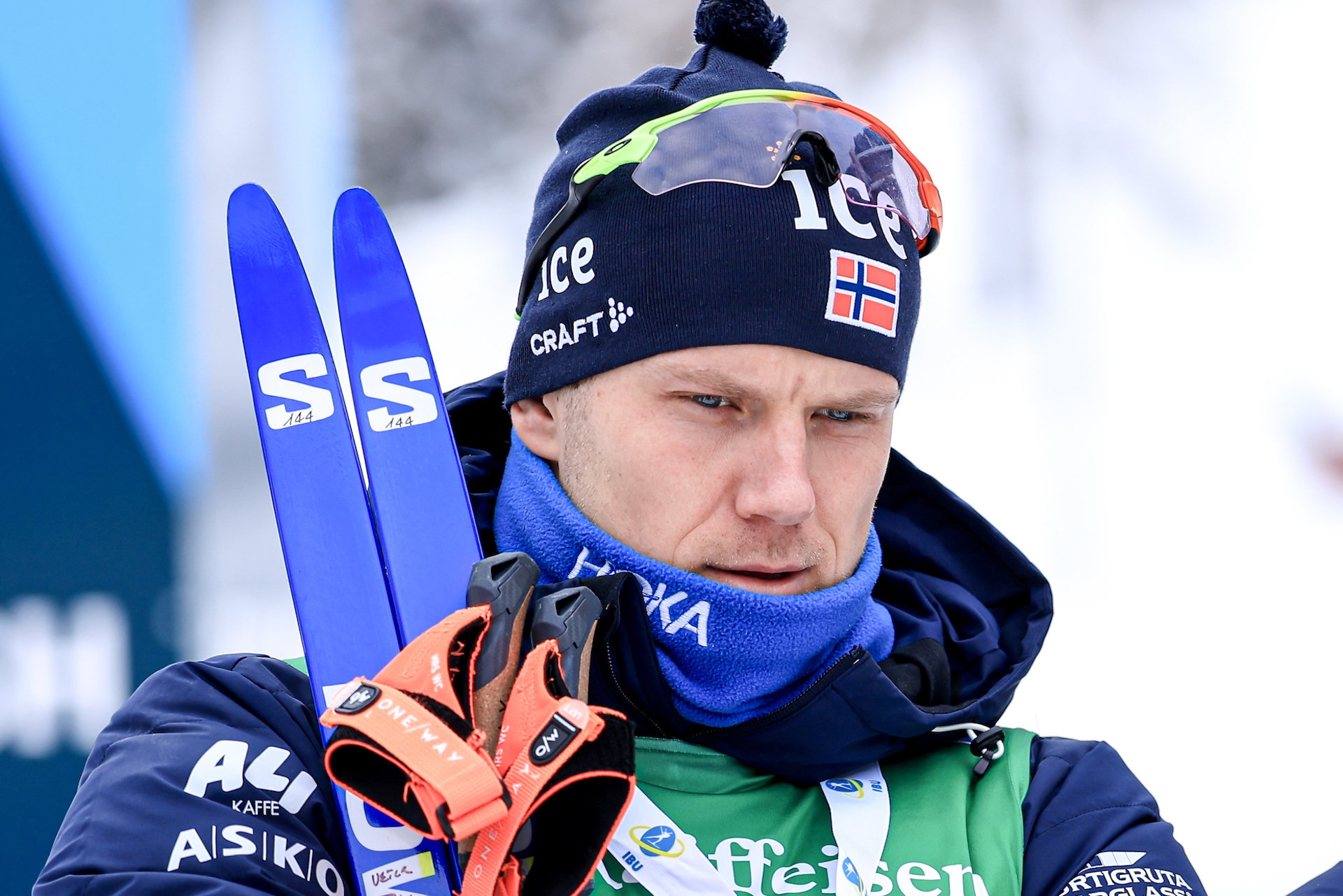
"Endre is very direct. He is a thinker and doesn’t hold back," Christiansen stated in an interview with TV2. "It seems he feels he was let down by his own."
Christiansen, speaking in his capacity as the athletes’ representative, has voiced concerns that the newly appointed leadership is adopting a short-sighted approach. He finds it particularly perplexing that there is no place for either Strømsheim or Sætrum within any national team structure, especially given their recent track records.
"What I can react to is that there has been no place made for them on any national team. To not have room for Endre and Vebjørn, who have relatively recently proven that they can win World Cup races, I cannot quite understand. Then I think the federation falls into the trap of thinking a bit too short-term," Christiansen elaborated.
A Troubled History of Internal Strife
The current controversy is not an isolated incident for the Norwegian biathlon team. The sport in Norway has, in recent years, been plagued by internal turmoil, including disputes and dissatisfaction surrounding team selections. This issue reached a public peak during the Winter Olympics, when biathlete Martin Uldal publicly stated he felt "tricked" regarding event selections, believing he was denied genuine opportunities for an individual Olympic medal. While Christiansen had noted recent progress in addressing these internal issues, he views the recent selection debacle as a significant step backward.
The Federation’s Defense and the Athletes’ Predicament
Lars Mørland, the Sport Director, has defended the federation’s decisions, acknowledging Christiansen’s reaction but emphasizing the competitive landscape within Norwegian biathlon. "I understand that Vetle reacts to them falling outside," Mørland commented. "So, it is the case that we in Norway have very many athletes at a very high level, and based on last year’s results, neither Endre nor Vebjørn have positioned themselves for a national team spot – unfortunately. We are assisting both of them within the frameworks we have, and Endre is the reigning world champion and the only athlete currently qualified (for the World Championships)."
However, Strømsheim’s letter disputes this narrative, highlighting a perceived lack of communication and transparency. He points out that the head coach, Joar Oberegger, had not been in contact with him since taking up his position. Strømsheim asserts that he should have been able to provide a thorough background on his challenging season, which included multiple illnesses and the strain of competing under pressure, information he claims could have been obtained from the current assistant coach or the former sport director, Tore Botnan. Strømsheim claims Botnan had assured him of his continued importance in the national setup, particularly with an eye on the 2027 World Championships in Otepää, Estonia, where he is the defending mass start champion.
The conflicting accounts regarding the assessment of Strømsheim’s performance over the past two seasons further fuel the controversy. Strømsheim alleges that assistant coach Frode Andresen initially cited incorrect results when assessing his performance relative to another athlete. Subsequently, Sport Director Mørland reportedly stated that only the most recent season (2025/2026) was considered, a departure from previous practice that Strømsheim finds confusing and inconsistent with Norway’s historical success in biathlon, which has often involved looking at a broader performance window.
A particularly contentious point raised by Strømsheim is the introduction of new selection criteria that grant the Sport Director’s "discretion" final authority, with no possibility of appeal. Strømsheim questions the timing of this change, especially as the newly appointed Sport Director, Mørland, is reportedly still active in his previous role and has limited experience in biathlon result assessment. This, coupled with the dismissal of input from the experienced outgoing sport director, is seen as a break in continuity and a significant loss of valuable institutional knowledge.
The Broader Implications for Norwegian Biathlon
The exclusion of Strømsheim and Sætrum, coupled with the ensuing conflict, raises significant questions about the future direction and management of Norwegian biathlon. The sport has long prided itself on its success, built on a foundation of strategic athlete development and support. The current situation suggests a potential shift away from these established principles, with athletes feeling that their dedication and past achievements are being undervalued.
The implication of such a selection policy, as articulated by Strømsheim and supported by Christiansen, is a climate of insecurity and unpredictability for all athletes. The message sent is that even established champions are vulnerable to sudden exclusion due to a single off-season or illness, a stark contrast to the long-term development focus that has characterized Norway’s dominance in the sport. This approach risks fostering a culture where athletes may feel pressured to compete even when injured or unwell, potentially leading to further health issues and undermining the overall well-being of the team.
The ramifications extend beyond individual athletes. A fragmented and insecure team environment is unlikely to foster the cohesion and collective spirit necessary for continued international success. The "use and throw away" mentality, as described by Strømsheim, could erode trust between athletes and the federation, making it more challenging to recruit and retain top talent in the future.
Looking Ahead: A Call for Respect and Stability
As Vetle Sjåstad Christiansen prepares to formally address the leadership, the biathlon community will be watching closely. The hope is for a resolution that prioritizes athlete welfare, upholds principles of fair and transparent selection, and restores the trust that has been eroded. The legacy of Norwegian biathlon has been built on a foundation of excellence, both on and off the course, and the current leadership faces the critical task of demonstrating their commitment to these enduring values.
Endre Strømsheim, despite his current predicament, remains determined to continue his career. He has confirmed his intention to pursue his training independently, acknowledging the significant challenges ahead without the formal support structure of the national team. His qualification for the World Championships as the defending mass start champion provides a beacon of hope, but his situation underscores the precarious position in which elite athletes can find themselves when national team structures falter. The coming weeks will be crucial in determining whether Norwegian biathlon can navigate this crisis and emerge with its reputation and its athletes’ confidence intact.

