
The landscape of professional alpine skiing is set for a significant transition as the International Ski and Snowboard Federation (FIS) announced on October 8 that Markus Waldner will conclude his tenure as the men’s chief race director. A fixture of the World Cup circuit for over a decade, Waldner has been the central authority figure overseeing the technical integrity, safety, and scheduling of the sport’s most prestigious events. His departure marks the end of a pivotal 12-year era that saw the men’s circuit navigate unprecedented challenges, ranging from climate-induced scheduling crises to the modernization of broadcast and safety standards.
Waldner’s decision to step down, while unexpected by the general public, comes as a reflection of the cumulative, high-intensity pressure inherent in a role that balances the interests of athletes, television rights holders, local organizers, and the governing body. In his official statement, Waldner noted that he no longer possessed the requisite mindset and energy to commit to another full, grueling World Cup season, signaling a desire for a change in pace after years of constant travel and high-stakes decision-making.
A Career Defined by Decades of Ground-Level Experience
To understand the significance of Waldner’s departure, one must look beyond his tenure as race director. Born in the South Tyrol region of Italy—a heartland for alpine skiing—Waldner’s journey began on the slopes as a competitor before he transitioned into the academic and administrative side of the sport. He earned a master’s degree in sports science from the University of Innsbruck, providing him with a technical foundation that complemented his practical knowledge of the mountains.
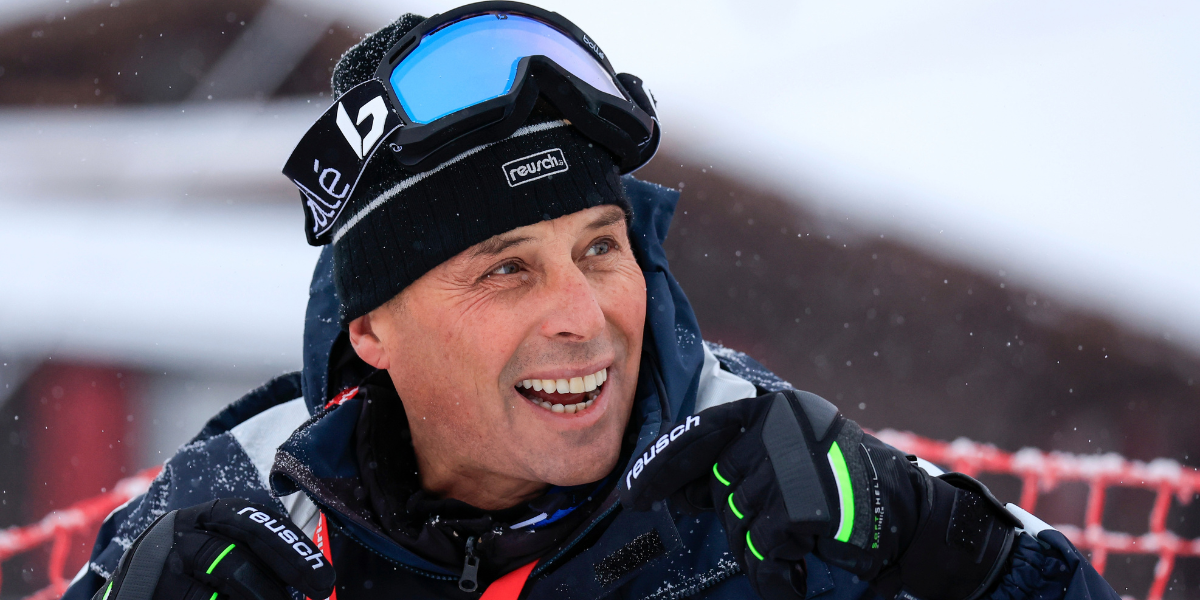
His ascent within the FIS hierarchy was marked by steady, deliberate progression. He joined the organization in 1997 as a Europa Cup coordinator, a role that required him to oversee the development circuit where the next generation of World Cup stars cut their teeth. This position provided him with a comprehensive understanding of the logistical complexities of alpine racing, from snow safety to course preparation, long before he was thrust into the international spotlight. Following his work with the Continental Cups across five continents, he succeeded Gunter Hujara in 2014, assuming the mantle of men’s chief race director at a time when the sport was undergoing significant commercial and technological shifts.
Chronology of a Leadership Era
The 12-year span of Waldner’s leadership can be categorized by several distinct phases of evolution within the FIS Alpine World Cup:
- 2014–2016: The Transition and Modernization. Taking over from his predecessor, Waldner focused on stabilizing the calendar and refining the technical rules of the circuit, ensuring that the transition of leadership did not impact the quality of the competition.
- 2017–2020: Safety and Climate Adaptation. As global temperatures began to shift, the circuit faced more frequent cancellations. Waldner became known for his proactive approach to snow control and his willingness to make unpopular but necessary calls to ensure athlete safety.
- 2021–2024: Pandemic and Post-Pandemic Resilience. The COVID-19 pandemic introduced unprecedented logistical hurdles. Under Waldner’s guidance, the circuit successfully implemented "bubble" protocols, allowing the racing season to proceed despite international travel restrictions.
- 2025–2026: The Sustainability Pivot. In his final years, Waldner increasingly spoke about the need for a sustainable calendar. He advocated for a reduction in the number of events to combat athlete fatigue and address the logistical burden on teams and organizers.
Data and the Demands of the Role
The position of chief race director is perhaps the most scrutinized role in winter sports. Waldner was responsible for overseeing approximately 40 to 45 individual race days per season across Europe, North America, and occasionally Asia. Each event involves a complex interplay of television broadcast windows, local snow-making capabilities, and the safety of the athletes.
Supporting data regarding the 2024-2025 season highlights the scale of this operational burden. With a record number of events scheduled to maximize commercial revenue, the pressure on race directors to deliver successful competition weekends has reached an all-time high. Waldner’s departure reflects an industry-wide recognition that the current pace of the World Cup calendar is becoming difficult to sustain. His 2024 comments, where he famously noted that "less would be more," underscored a growing rift between the sport’s commercial expansion and the practical limits of human and environmental resources.

The Mechanism of Decision-Making
Waldner became synonymous with the "race hold" and the difficult "cancellation" call. In the eyes of the casual viewer, he was the face of the FIS, often seen on the course discussing conditions with athletes or consulting with his team regarding the safety of a starting gate. For those within the sport, he was a mediator who possessed a unique fluency in the "language of racing."
His decision-making process was rarely arbitrary. It was built upon a granular knowledge of the snow surface, the changing light conditions, and the specific capabilities of the course workers at every venue from Kitzbühel to Aspen. While his decisions frequently made him the target of criticism from fans or teams whose preferred outcomes were denied, he maintained a reputation for prioritizing the objective safety of the racers over commercial or political convenience. This consistency, despite the inevitable friction it caused, became his hallmark.
Institutional Implications and the Transition Plan
The immediate impact of Waldner’s resignation on the FIS is significant, yet the federation has moved quickly to initiate a succession plan. Peter Gerdol, the current chief race director for the women’s circuit, will assume the responsibility of overseeing both the men’s and women’s circuits during the initial stages of the 2026-27 season. This move is designed to ensure continuity during the transition.
FIS Alpine Director Janne Leskinen characterized Waldner as a "true reference point," acknowledging that his departure leaves a void in institutional memory that cannot be filled overnight. The challenge for the governing body is not merely finding an administrator, but finding someone with the deep-seated, multi-decade experience required to navigate the political and environmental pressures of modern alpine skiing.
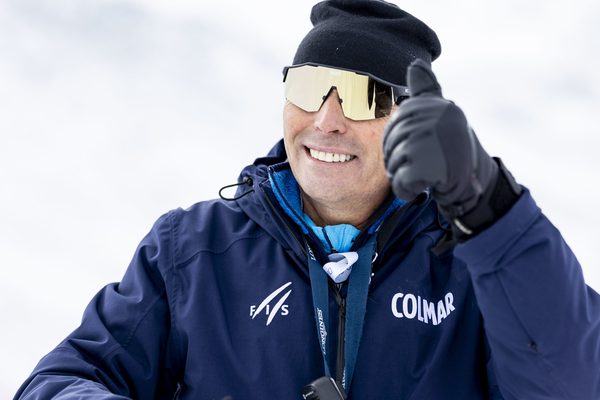
Waldner is expected to assist with the transition throughout the remainder of the 2026-27 season. Furthermore, the FIS is in active discussions regarding his future involvement in the organization, potentially in a consultative capacity that would allow the federation to retain his expertise in course design, safety protocols, and long-term scheduling strategy.
The Future of the World Cup Circuit
As the sport looks ahead, the challenges Waldner identified remain: the necessity of adapting to a warming climate, the need to manage a bloated, high-intensity competition calendar, and the imperative to foster athlete longevity. The next chief race director will inherit a system that is arguably more complex and volatile than the one Waldner inherited in 2014.
The departure of a figure like Waldner serves as a catalyst for reflection within the FIS. It forces the sport to evaluate whether its current trajectory—increasingly reliant on a high volume of events and strict broadcast requirements—is sustainable for the personnel tasked with executing it. Waldner’s exit is not just a change in personnel; it is a signal that the structural pressures on the sport have hit a critical juncture.
For the athletes, coaches, and the global fan base, the upcoming season will be one of transition. The familiar sight of Waldner on the course, checking the snow or communicating with the jury, will be replaced by new leadership. However, the legacy of his 12-year tenure—defined by a commitment to the technical, safety-first fundamentals of alpine racing—will undoubtedly influence the direction of the sport for years to come. The industry now waits to see how the FIS will fill a role that requires not only administrative acumen but an innate understanding of the delicate balance between the raw power of the sport and the fickle nature of the mountain environment.

