
PARK CITY, Utah – In a significant departure from traditional offseason regimens, the Stifel U.S. Ski Team recently convened its alpine athletes for a groundbreaking week-long camp in June, signaling a deliberate shift in strategy as the new Olympic cycle for the Milano Cortina 2026 Winter Games begins. Far from the usual individual-centric conditioning, this camp placed an unprecedented emphasis on fostering team integration, camaraderie, and a cohesive culture across all disciplines and genders. The initial challenge for many athletes was not a demanding physical test, but rather the fundamental act of learning the names of teammates they rarely encountered during the fragmented World Cup season.
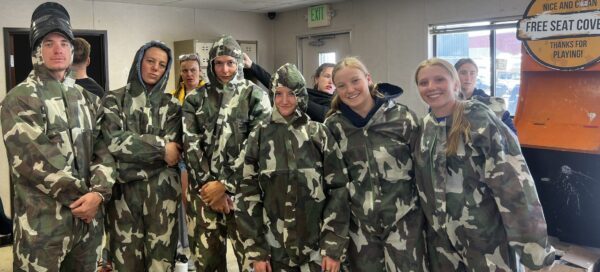
This innovative approach, held in Park City, Utah, intentionally blended World Cup veterans with promising rookies, technical specialists with speed racers, and men with women. Instead of adhering to separate schedules, athletes collaborated on common goals, dismantling long-standing barriers that naturally emerge from distinct training paths and competitive circuits. By the camp’s conclusion, the visible signs of shared exertion—paintball bruises, exhausted legs from intense activities, and the echo of collective laughter—underscored a newly forged sense of unity. This was not a serendipitous outcome but the meticulously planned cornerstone of a revitalized program.
Foreste Peterson, the Stifel U.S. Ski Team’s Athletic Development Coordinator, highlighted the intentionality behind the event. "This may be the first full men’s and women’s conditioning camp we’ve had in a really long time," Peterson noted, emphasizing, "We wanted to put a huge emphasis on team integration, team connection, camaraderie and cohesion." This camp transcended mere physical preparation; it marked a strategic pivot in how the alpine program intends to cultivate success over the next four years, with the Milano Cortina Games as a pivotal target. Crucially, athletes interviewed by Ski Racing Media universally agreed that the most significant gains were not quantifiable in the weight room but in the strengthened relationships across the team.
A Holistic Approach: More Than Muscle and Metrics
The camp’s schedule was deliberately rigorous and diverse, moving beyond conventional strength and conditioning. It encompassed a range of activities designed to challenge athletes physically while simultaneously forcing collaboration and communication. SkillsQuest testing, a standard physical assessment tool in U.S. skiing, was interspersed with team-based sports like hockey and beach volleyball, along with adventurous outdoor challenges such as reservoir relays, a demanding hike at Snowbasin, and strategic paintball skirmishes. The week culminated in a grueling final workout aptly nicknamed "The Picnic," which proved anything but relaxing. In addition to physical challenges, guest speakers led educational sessions on critical aspects of high-performance sport, including breathing techniques, nervous-system regulation, and broader performance psychology, underscoring a holistic development strategy.
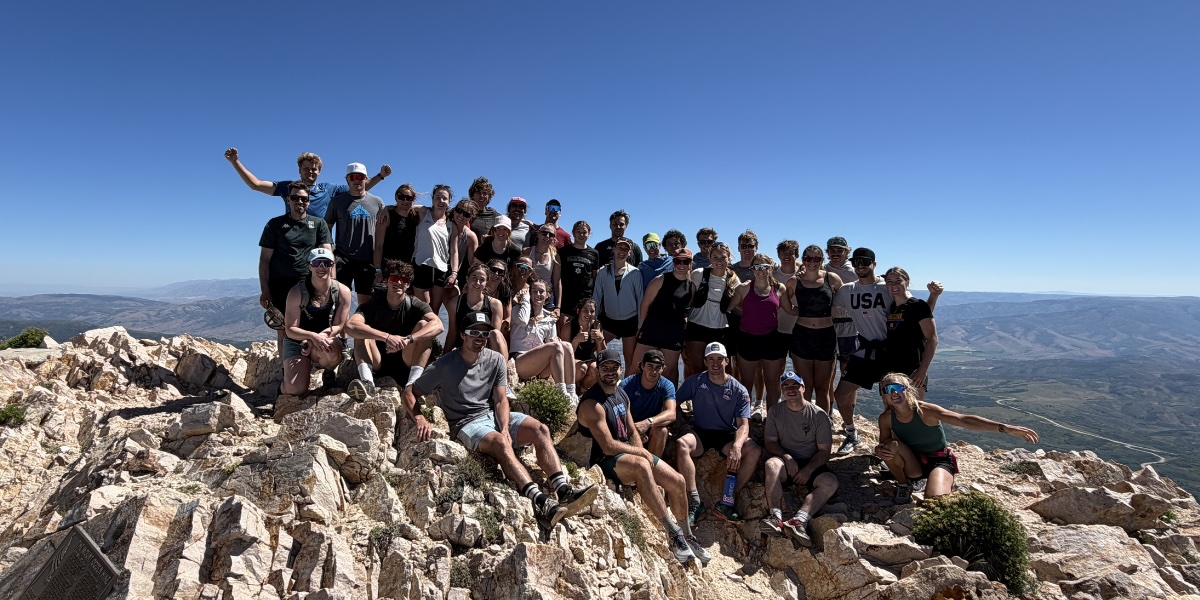
Almost every activity served a dual purpose. While athletes undeniably pushed their physical limits, building strength, speed, power, and endurance, the more profound objective was fostering deeper connections among teammates who, under normal circumstances, would only interact fleetingly during the intensely competitive season. Peterson and her athletic staff meticulously designed mixed teams of five to seven athletes, ensuring a diverse blend of experience, discipline, and gender. A World Cup-style scoring system was implemented for every challenge, creating a continuous competitive dynamic from the initial SkillsQuest tests through to the final awards ceremony, which even included prize money. "We told them the main themes were competition, connection and education," Peterson explained, underscoring that "The whole week was built on team competition."
This format immediately transformed the camp’s atmosphere. Mary Bocock, who balanced the camp with her spring and summer terms at Dartmouth College after a season that saw her make her first Olympic team and qualify for her first World Cup Finals in super-G, expressed enthusiasm for the integrated approach. "It was so great to have the men and women together," Bocock commented, commending the coaching staff: "Our strength and conditioning coaches did such a great job organizing the events and having a wide variety of activities that played to different people’s strengths." The competitive spirit quickly transcended individual achievements, evolving into a collective pursuit. "The team aspect was super helpful because you wanted to win for your team," Bocock affirmed. This sentiment echoed across interviews, with athletes consistently prioritizing the meaningful time spent building relationships over individual scores, prizes, or even the workouts themselves.
Learning from Success: The Women’s Team as a Blueprint
The impetus for this cultural shift was significantly influenced by the recent success of the women’s alpine program, which has garnered both World Cup victories and the prestigious Nations Cup. The Nations Cup, a measure of overall team strength across all disciplines and genders, indicates a robust and deep talent pool, a testament to effective program development and, implicitly, strong team dynamics. The women arrived at the camp not only with their accolades but also with a team culture that leadership openly cited as an exemplary model.
River Radamus, a 28-year-old veteran and currently the highest-ranked American giant slalom skier, having finished 10th in last season’s World Cup standings, found this lesson particularly resonant. "I think something that was on the men’s minds was seeing the stellar performances that the women have put together over the last couple of years and the way they’ve built not only their team performance but also their team culture," Radamus articulated. "We want to be there with them." This acknowledgment highlights a strategic aspiration to replicate the women’s proven formula for sustained excellence.
Typically, the men’s and women’s programs operate on largely separate schedules, often training in different locations and pursuing distinct competitive goals due to the nature of the World Cup calendar. This camp deliberately erased those conventional boundaries. "There was a lot of camaraderie and a lot of competition," Radamus observed, emphasizing the essential balance: "I think you need equal parts."
A defining moment of the week, remarkably, wasn’t a structured competition but an organic interaction: the hike at Snowbasin. This activity allowed athletes to naturally form groups, engage in conversations that drifted far beyond the confines of ski racing, and spend hours together in a relaxed, informal setting. "It was just a really organic way to get to know each other better," Peterson reflected. Bocock noticed the positive impact almost immediately. "Even after one or two days of having the genders together, we were already more cohesive," she stated, underlining the rapid progression of team unity.
The Enduring Value of Fitness and Hard Work
While the cultural emphasis was paramount, the camp did not compromise on physical intensity. The week commenced with SkillsQuest, a comprehensive physical assessment tool employed throughout U.S. skiing to evaluate aerobic fitness, strength, speed, power, and muscular endurance. Peterson noted that even elite World Cup athletes, despite years of experience, often arrive at these tests with a degree of anxiety. "They’re not the biggest fans of going into a test like SkillsQuest because it’s taxing," she acknowledged.
However, Peterson views SkillsQuest not as a punitive measure but as an invaluable assessment tool that highlights individual strengths and weaknesses, providing a crucial benchmark. Its accessibility, requiring relatively minimal equipment, also makes it a practical tool for clubs across the country to utilize in talent development. "If I were coaching a U16 group," she explained, "I’d use it as an assessment tool."
Radamus, drawing from his own developmental journey, agrees with its utility, albeit with a tempered perspective. He humorously recalled posting some of the weakest fitness scores when he first entered the national team pipeline. "I was probably setting record lows across the board," Radamus admitted with a laugh. This personal experience has shaped his current view of the test. "I don’t think it’s the end-all, be-all," he asserted. "There’s not 100 percent correlation and there’s not no correlation. It’s important to strive for as good numbers as you can get because it makes the rest of the skiing easier." His significant improvements, he emphasized, stemmed not from revolutionary technology or secret training methods, but from consistent effort. "There are no shortcuts," Radamus stated. "Good old-fashioned hard work is where I’ve found the most progress."
Shared Misery, Double Joy: The Long-Term Vision
Beyond the foundational SkillsQuest, the week swiftly transitioned into a series of unexpected and engaging experiences. Paintball, while leaving a few bruises, forged tactical cooperation and competitive spirit. Beach volleyball ignited fierce, good-natured rivalries. The reservoir relays, a multi-faceted challenge combining swimming, paddleboarding, carries, and various obstacles, demanded seamless teamwork and resilience. The infamous "Picnic" workout, far from a leisurely afternoon, pushed nearly every athlete to exhaustion through repeated rounds of jumps, weighted squats, lunges, sprints, and stair bounds.
"The Picnic was probably the most physically demanding," Bocock recounted, "But in terms of teamwork, the reservoir relays brought everyone together." This blend of individual challenge and collective effort served to reinforce the camp’s core mission.
Peterson lauded the camp as one of the staff’s most successful projects, anticipating its integration as a regular component of the offseason schedule, with future refinements informed by athlete feedback. For Radamus, however, the ultimate value transcended mere points or prizes. As the World Cup season approaches, teammates will once again scatter across continents, pursuing individual goals. Yet, the relationships forged during that single week in June are expected to endure far longer, providing a crucial support system.
Radamus eloquently summarized the profound impact of shared experience: "My favorite saying is, ‘Misery shared is half a misery. Joy shared is double joy.’" He elaborated, "When I’m suffering, when I’m doing the hard stuff that I don’t like, if I’m doing it together with my friends or teammates, it makes it easier. Ski racing is an individual sport, but it’s also a team sport."
This strategic investment in culture and cohesion reflects a broader understanding within the U.S. Ski Team leadership that sustained athletic excellence in an individual sport often hinges on the strength of its collective. The camp was not just about building stronger bodies but about forging an unbreakable team spirit, fostering a supportive environment where athletes can thrive both individually and collectively. The athletes arrived expecting a demanding conditioning camp; they left with the profound belief that they had built a better team, a foundation upon which to launch their collective pursuit of success towards Milano Cortina 2026 and beyond. This unified approach aims to leverage the power of shared purpose, transforming individual endeavors into a formidable collective force on the global stage.

