
The physical demands of high-performance alpine skiing often create a physiological debt that, if left unaddressed, manifests as chronic musculoskeletal issues. Newton’s third law of physics—that every action has an equal and opposite reaction—finds a literal and metaphorical application on the slopes. While the "action" of a powder day provides immense psychological reward and athletic satisfaction, the "reaction" often involves long-term physical attrition. For many in the skiing community, this manifests as a steady accumulation of injuries, ranging from ligament tears to chronic lumbar distress. However, emerging evidence and personal case studies suggest that a disciplined transition toward resistance training can mitigate these effects, offering a path to athletic longevity even for those who have suffered a decade of debilitating pain.
The Chronology of Physical Attrition
The trajectory of a dedicated skier often follows a predictable pattern: early years defined by resilience and rapid recovery, followed by a middle period where minor aches become persistent "management" issues. For a 33-year-old skier with over 1,000 days of experience on the mountain, the toll of this lifestyle became an existential threat to their athletic future. The injury history included a severe elbow fracture and dislocation sustained eight years prior, which resulted in permanent structural limitations. More pressing, however, was a ten-year history of lower back pain that escalated from dull stiffness to acute spasms.
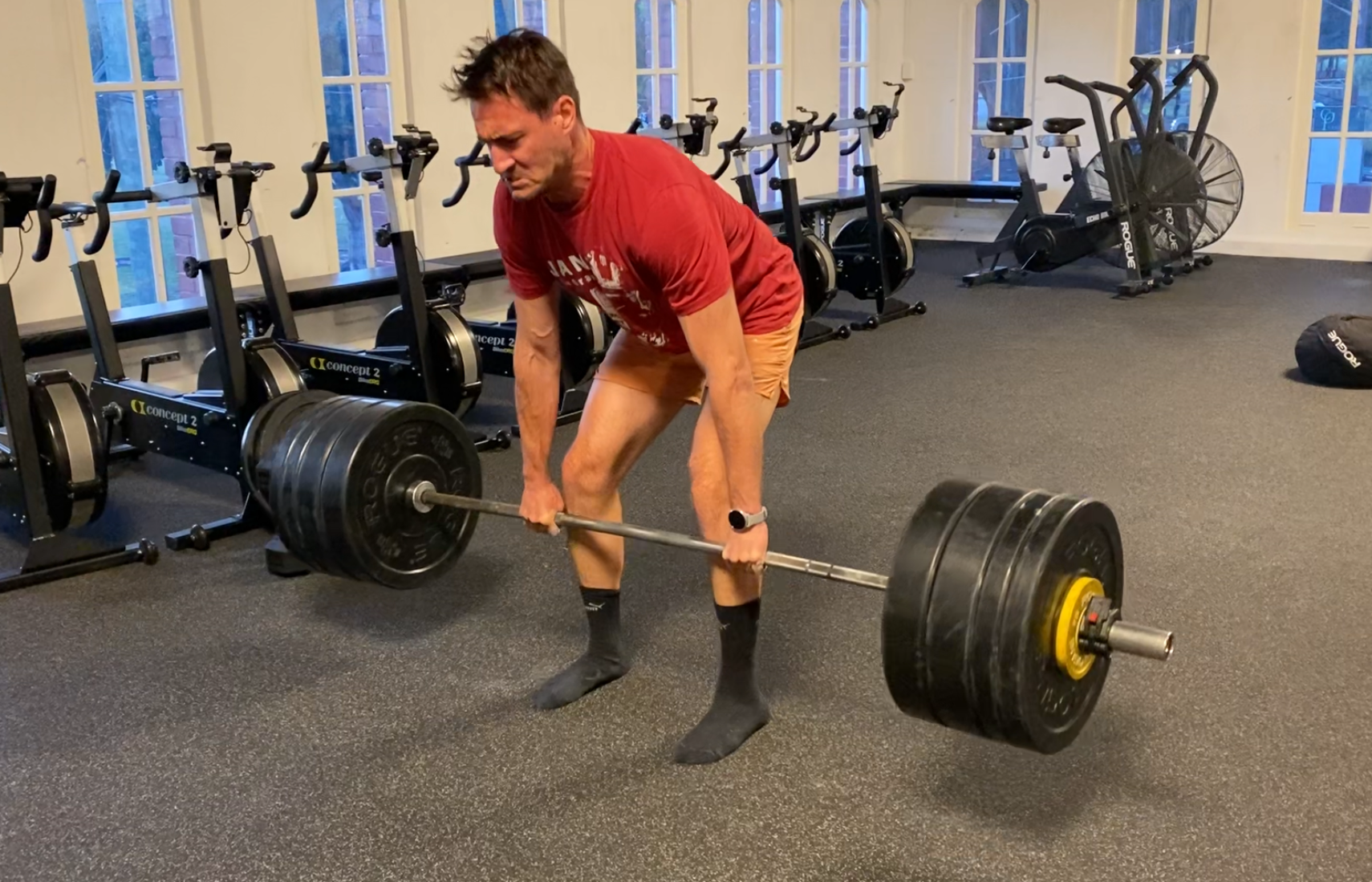
By the age of 32, the cumulative impact of these injuries reached a crisis point. The individual experienced repeated lower back spasms—involuntary contractions of the muscles intended to protect the spine from perceived further injury—that resulted in total immobilization. These episodes, which lasted up to a week, highlight a common threshold in sports medicine where traditional "management" techniques such as yoga, foam rolling, and stretching no longer suffice to stabilize the skeletal structure.
The Biomechanics of Muscle Imbalance in Winter Sports
To understand why traditional flexibility-focused routines often fail skiers, it is necessary to examine the biomechanical requirements of the sport. Franco Morris, Head of Program Delivery at a specialized training facility in Sydney, Australia, identifies muscle imbalance as the primary catalyst for chronic pain in athletes. Morris notes that human evolution has not kept pace with the specific demands of modern sports like skiing or the sedentary behaviors of contemporary life, such as prolonged sitting.
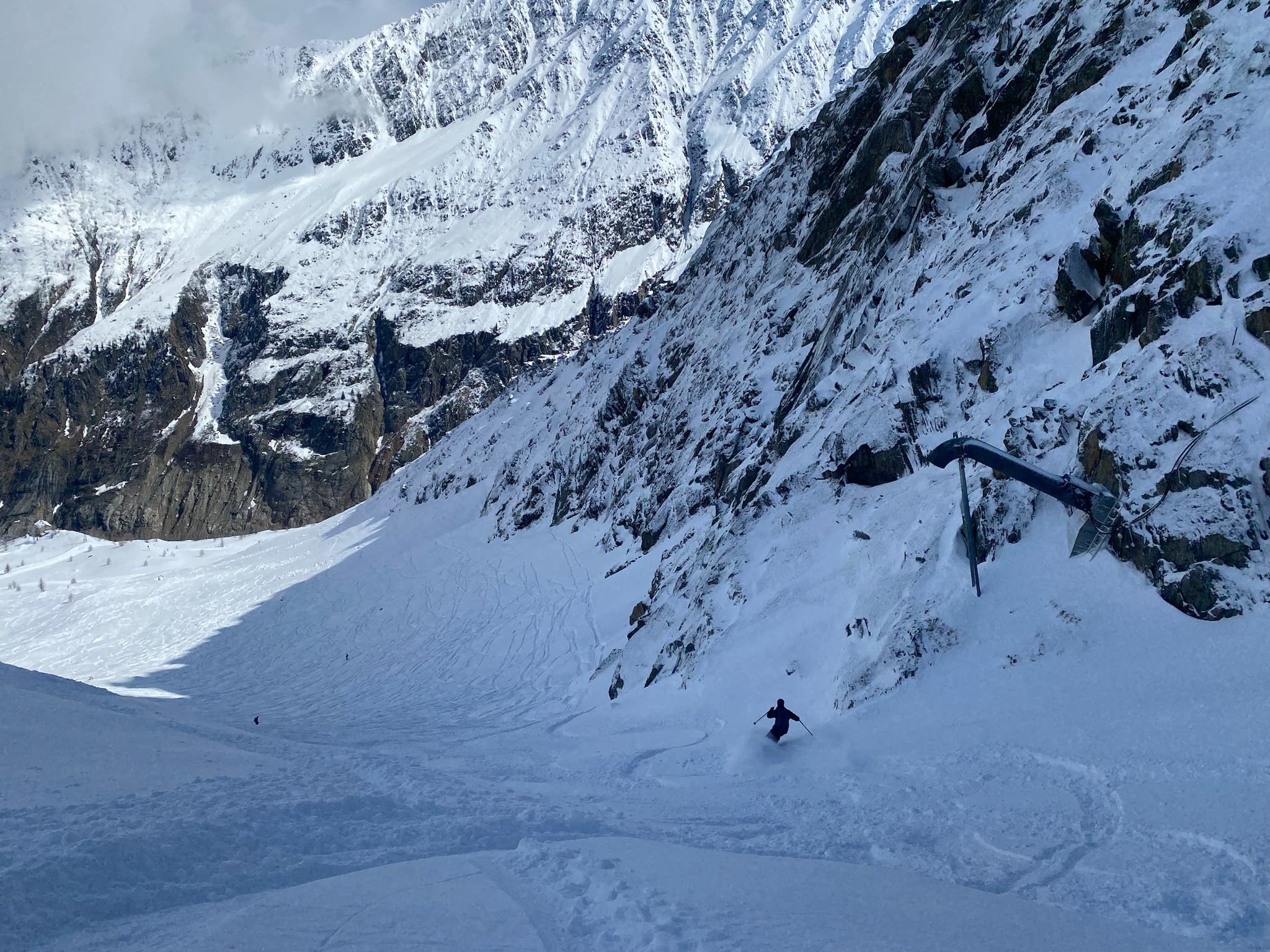
In the case of the tall, broad-shouldered skier, the "upper-body apparatus" acts as a heavy pendulum during downhill maneuvers. If the lower body—specifically the hips and glutes—lacks the requisite strength to anchor this movement, the lumbar spine is forced to compensate. This "dirty work" performed by the lower back leads to fatigue and eventually the catastrophic failure of a spasm. As athletes age, muscle tissue becomes less malleable and slower to respond to sudden loads, making the correction of these imbalances a biological necessity rather than an aesthetic choice.
The Transition to Resistance Training
The shift from passive recovery (massages, hot tubs) and flexibility work (yoga) to active resistance training represents a fundamental change in philosophy. For the subject of this study, a one-year commitment to a structured weightlifting regimen resulted in the first pain-free days experienced in over a decade. While minor joint "crepitus"—the popping and cracking of knees and hips—remains, the debilitating chronic pain has been largely replaced by the manageable, fleeting soreness associated with muscle hypertrophy and recovery.
The success of this intervention is rooted in several key principles of sports science:
- Professional Supervision and Form: The complexity of movements like the deadlift requires expert coaching to ensure that the load is distributed across the intended muscle groups rather than further straining compromised joints. Group-based training models have emerged as a cost-effective way for athletes to access this expertise.
- The Importance of the Posterior Chain: For skiers, the posterior chain—comprising the hamstrings, glutes, and erector spinae—is the engine of the body. Strengthening these areas through deadlifts, kettlebell swings, and hip thrusts provides the stability needed to protect the spine during high-velocity turns.
- Volume and Endurance Over Maximal Load: Unlike bodybuilders or powerlifters, skiers benefit most from high-repetition sets (e.g., 10 repetitions at 60% of maximum capacity). This approach builds muscular endurance and bone density without adding excessive mass that could hinder agility in technical terrain.
Supporting Data on Skiing Injuries and Prevention
Data from the U.S. Ski Team and various sports medicine journals indicate that lower back pain and ACL (anterior cruciate ligament) injuries are the most frequent complaints among long-term skiers. A study published in the Journal of Orthopaedic & Sports Physical Therapy suggests that a strong posterior chain can reduce the risk of ACL strain by providing better deceleration control.
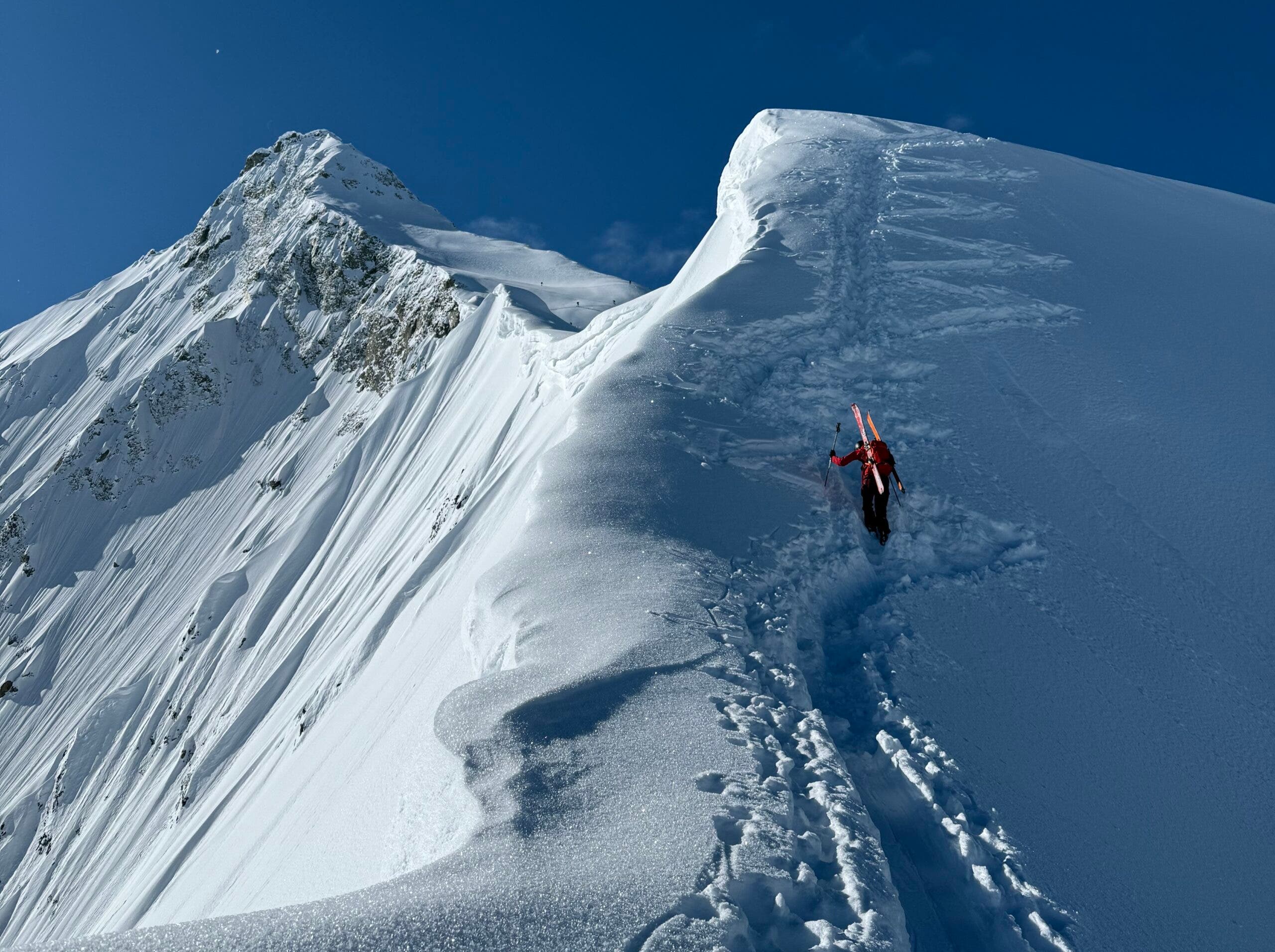
Furthermore, weight training has been shown to increase bone mineral density. Franco Morris emphasizes that building muscle provides "cushioning tissue" around the skeletal structure. This is particularly relevant for skiers who have previously suffered fractures, as the increased density and surrounding muscle mass act as a biological armor against future impacts.
Technical Analysis of Essential Movements
For those looking to replicate these results, certain movements have proven more effective than others for the specific demands of alpine environments:
- The Deadlift: By lifting a barbell from the floor to the hips with a neutral spine, the athlete engages the entire posterior chain. This movement mimics the "ready" stance in skiing, where the body must absorb undulations in the terrain.
- Kettlebell Swings: This explosive hip-hinge movement develops the power needed for short-swing turns and navigating heavy "mashed potato" snow conditions.
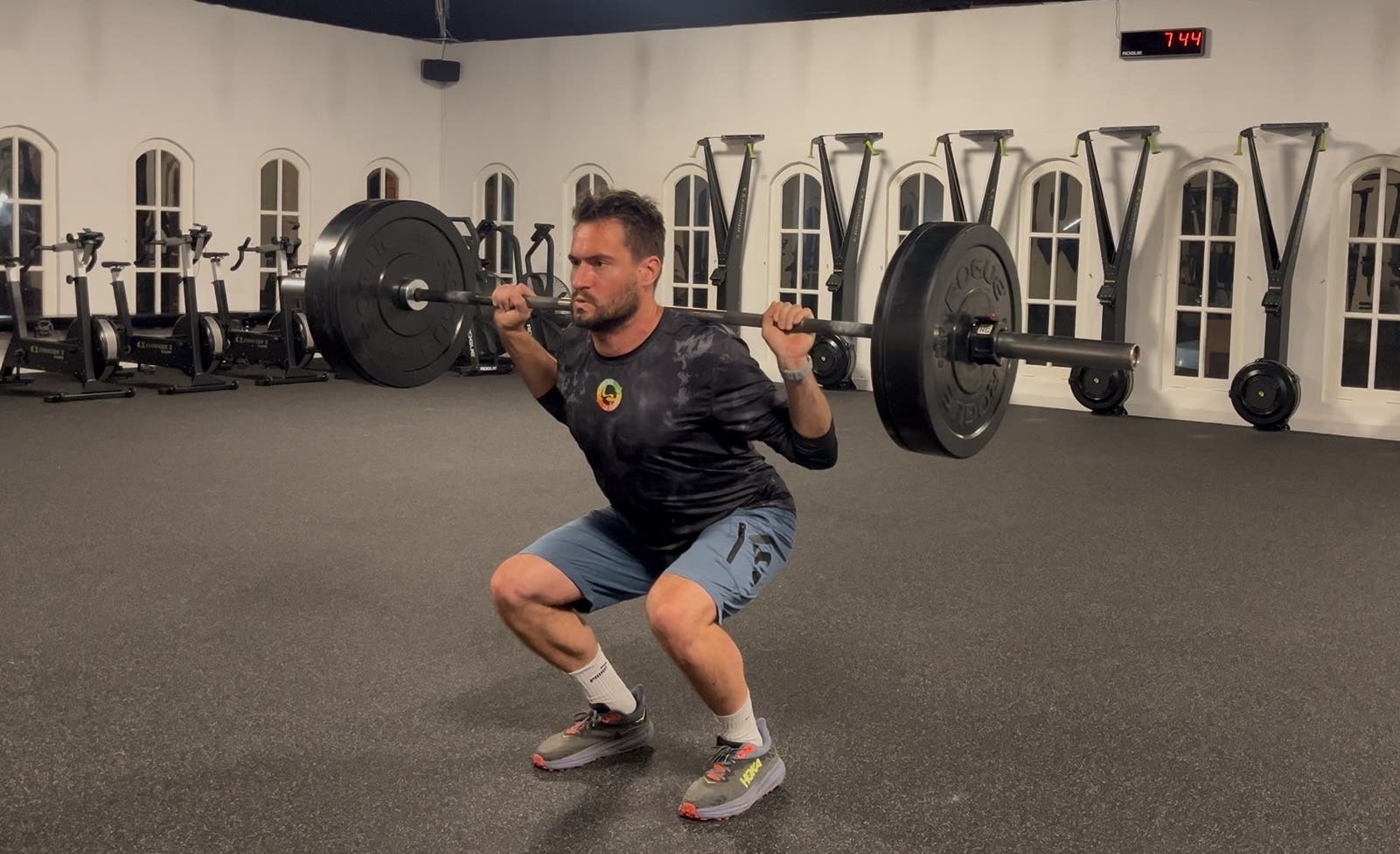
- Barbell Step-Ups: This unilateral (single-leg) exercise is perhaps the most specific to skiing, where weight is constantly shifted from one leg to the other. It builds stability in the knee and hip joints, reducing the "crackle and pop" often felt by aging skiers.
Broader Implications for the Skiing Community
The implications of this case study extend beyond a single individual. As the "baby boomer" and "Gen X" demographics continue to ski well into their 60s and 70s, the focus of the industry is shifting toward "pre-habilitation." The traditional model of "skiing yourself into shape" during the first week of the season is being replaced by year-round conditioning.
The psychological impact of chronic pain cannot be overlooked. The fear of injury often leads to a defensive skiing style, which paradoxically increases the likelihood of a fall. By regaining physical confidence through strength training, athletes can return to a more fluid, offensive style of skiing, thereby increasing both safety and enjoyment.
Conclusion and Outlook
The transition from chronic pain to athletic functionality is not an immediate process. It requires a "metamorphosis" that is often physically demanding and mentally taxing. However, the data and anecdotal evidence suggest that the investment in strength training pays dividends in the form of decades added to a skier’s career.
As Franco Morris concludes, "The sky is the limit." Most recreational athletes have significant "room for improvement" in their baseline strength, which can effectively counter the natural effects of aging and the mechanical stresses of high-impact sports. For the 33-year-old skier who once struggled to get out of bed, the "miracle cure" was not found in a pill or a massage table, but in the disciplined environment of the weight room. This shift in perspective—from managing pain to building strength—represents the new standard for longevity in the mountains.

