
The relationship between a skier and their boots has long been defined by a paradoxical blend of performance-driven necessity and physical endurance. For decades, the global skiing community has treated foot discomfort not merely as a side effect of the sport, but as a rite of passage—a "badge of honor" earned through hours spent on frozen slopes. However, as the 2025-2026 ski season draws to a close, medical professionals are increasingly warning that the stoic acceptance of pain may be masking physiological damage that can last far longer than a winter holiday. According to leading podiatrists and sports medicine experts, the rigid architecture of the modern ski boot, while essential for alpine control, can serve as a catalyst for permanent deformities and chronic neurological issues if not managed with clinical precision.
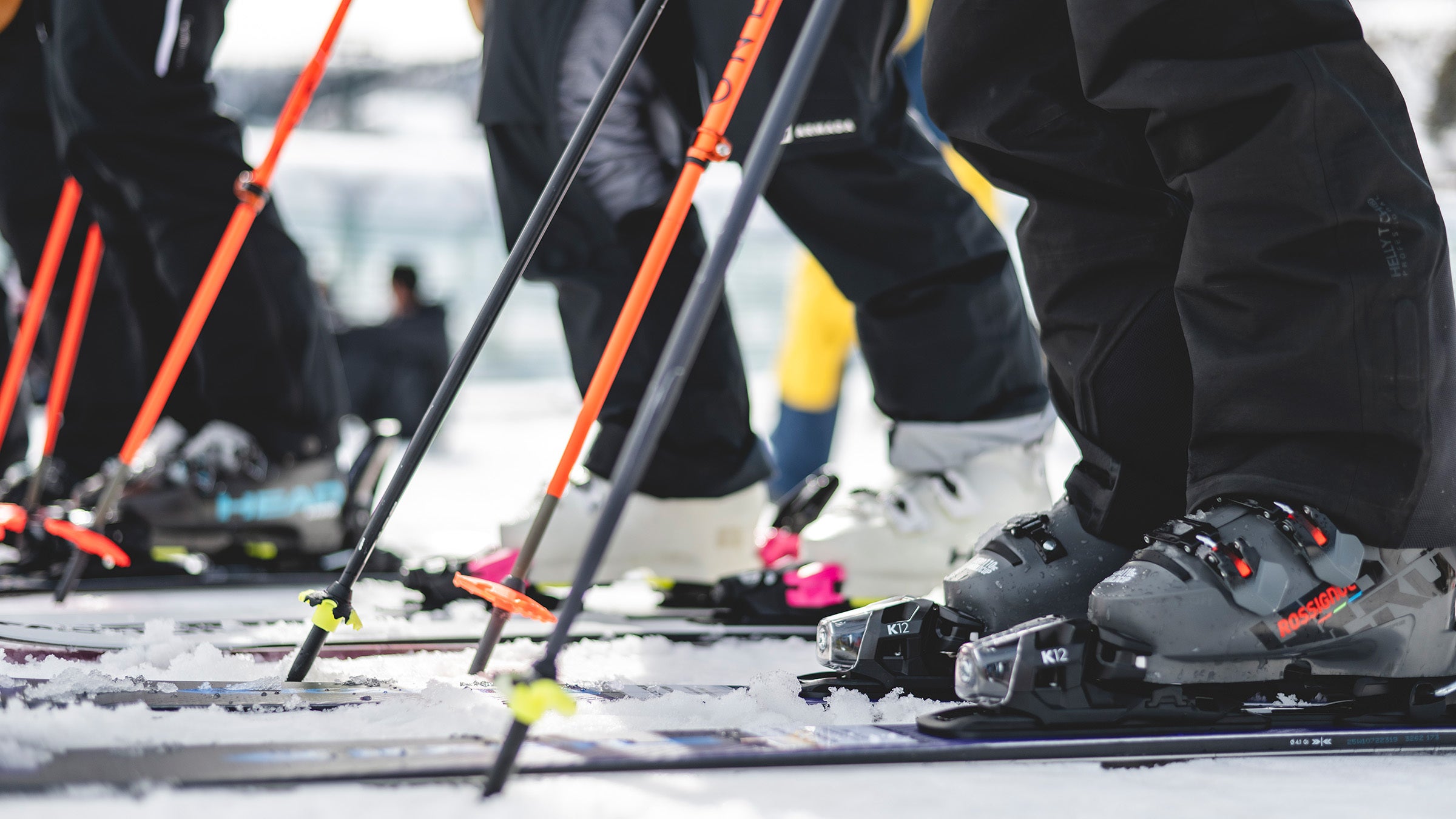
The mechanical requirements of alpine skiing necessitate a boot that is stiff enough to transfer energy directly from the leg to the ski edge. This rigidity, however, creates a hostile environment for the human foot, which is naturally designed for flexibility and shock absorption. Dr. Nelya Lobkova, a New York City-based podiatrist and veteran skier, notes that the primary danger lies in the exacerbation of pre-existing conditions. For many, minor foot irregularities that remain asymptomatic in daily life are pushed to a breaking point when encased in a carbon-fiber or high-performance plastic shell.
The Pathophysiology of the Ski Boot: From Bunions to Neuromas
The most common medical complications arising from ill-fitting ski boots involve the forefoot, specifically the hallux valgus (bunions) and Morton’s neuroma. A bunion is a bony bump that forms on the joint at the base of the big toe, often resulting from genetic predisposition but significantly worsened by external pressure. When a skier’s toebox is too narrow, the friction and compression force the big toe toward the second toe, causing the joint to become inflamed and eventually deformed.
"When the toebox in a boot is tight, friction can cause bunions, hammertoes, and neuromas to become painful," Dr. Lobkova explains. "This is also the case if the boots are too loose, as the foot jams excessively forward inside the boot and impinges the toe bones. In either case, an inflamed bunion or an impinged nerve root could become a lingering problem after the ski slope."
Morton’s neuroma represents a more complex neurological threat. It involves a thickening of the tissue around one of the nerves leading to the toes, typically between the third and fourth metatarsals. The condition is characterized by a sharp, burning pain or the sensation of a pebble in one’s boot. In the high-pressure environment of a ski boot, this nerve compression can lead to permanent nerve damage, resulting in chronic numbness or "phantom pains" that persist throughout the year.
The Evolution of Ski Footwear: A Historical Context
To understand the current crisis of foot health in skiing, one must look at the technological trajectory of the equipment. In the early 20th century, ski boots were essentially reinforced leather hiking boots with rudimentary strapping systems. While they offered little in the way of ankle support, they allowed for significant foot articulation.
The shift began in the 1960s with the introduction of plastic shells. By the 1970s and 80s, the "rear-entry" boot became a cultural phenomenon, prioritizing comfort and ease of use. However, as the sport moved toward higher speeds and more aggressive carving techniques, the industry pivoted back to the "four-buckle overlap" design. This design maximizes performance but significantly increases the risk of "pressure points"—localized areas where the shell exerts excessive force on bony protrusions. Today, the average high-performance boot has a "last" (width) of 98mm to 100mm, which is often narrower than the natural splay of a human foot under load.
Subungual Hematoma and Irreversible Nail Damage
Beyond skeletal and neurological concerns, the soft tissue and nails are frequently the first casualties of a poor fit. Subungual hematoma, commonly referred to as "black toenail," occurs when repetitive impact or sustained pressure causes bleeding under the nail bed. While often dismissed as a cosmetic issue, Dr. Lobkova warns that the implications can be severe.
"Both conditions [subungual hematoma and ingrown toenails] could potentially lead to a toenail infection that may require removal of the toenail or oral antibiotics," she states. The long-term consequences are often overlooked by casual skiers. Excessive damage to the nail bed can cause permanent dystrophy. "The toenails may not look the same afterwards, typically appearing thicker and shorter compared to the other toenails," Lobkova adds. For some, this damage can lead to fungal infections (onychomycosis) that take years of medical intervention to resolve.
Identifying the Warning Signs: Discomfort vs. Danger
Distinguishing between the "normal" aches of a day on the mountain and symptoms of impending injury is a critical skill for any skier. Dr. Mikel Daniels, a Baltimore-based podiatric surgeon, emphasizes that pain should never be the default state.
"There is a difference between regular ski boot discomfort and a bad fit," says Dr. Daniels. According to Daniels, a properly fitted boot should feel like a "firm handshake" around the foot. The toes should lightly brush the front of the liner when the skier is standing upright, but as soon as they flex forward into a skiing stance—pushing the shins against the tongues of the boots—the toes should pull back slightly, creating a small pocket of space.
The warning signs of a dangerous fit include:
- Localized Sharp Pain: A specific "hot spot" that feels like a needle pressing into a bone.
- Pins and Needles: Indicative of restricted blood flow or nerve compression.
- Unusually Cold Feet: While skiing is a cold-weather sport, excessively cold toes often suggest that the boot is so tight it is acting as a tourniquet, cutting off circulation.
- Persistent Numbness: If the toes remain numb for more than an hour after the boots are removed, nerve impingement has likely occurred.
"My rule is simple: if your boot pain makes you think more about your feet than your skiing, the fit is wrong," Dr. Daniels asserts.
Modern Solutions: Heat Molding, Shell Punching, and Orthotics
The modern ski industry has developed sophisticated methods to mitigate these risks, though they are often underutilized by the general public. Customization is no longer reserved for Olympic athletes; it has become a medical necessity for the recreational skier.
Heat-Molding and Custom Liners
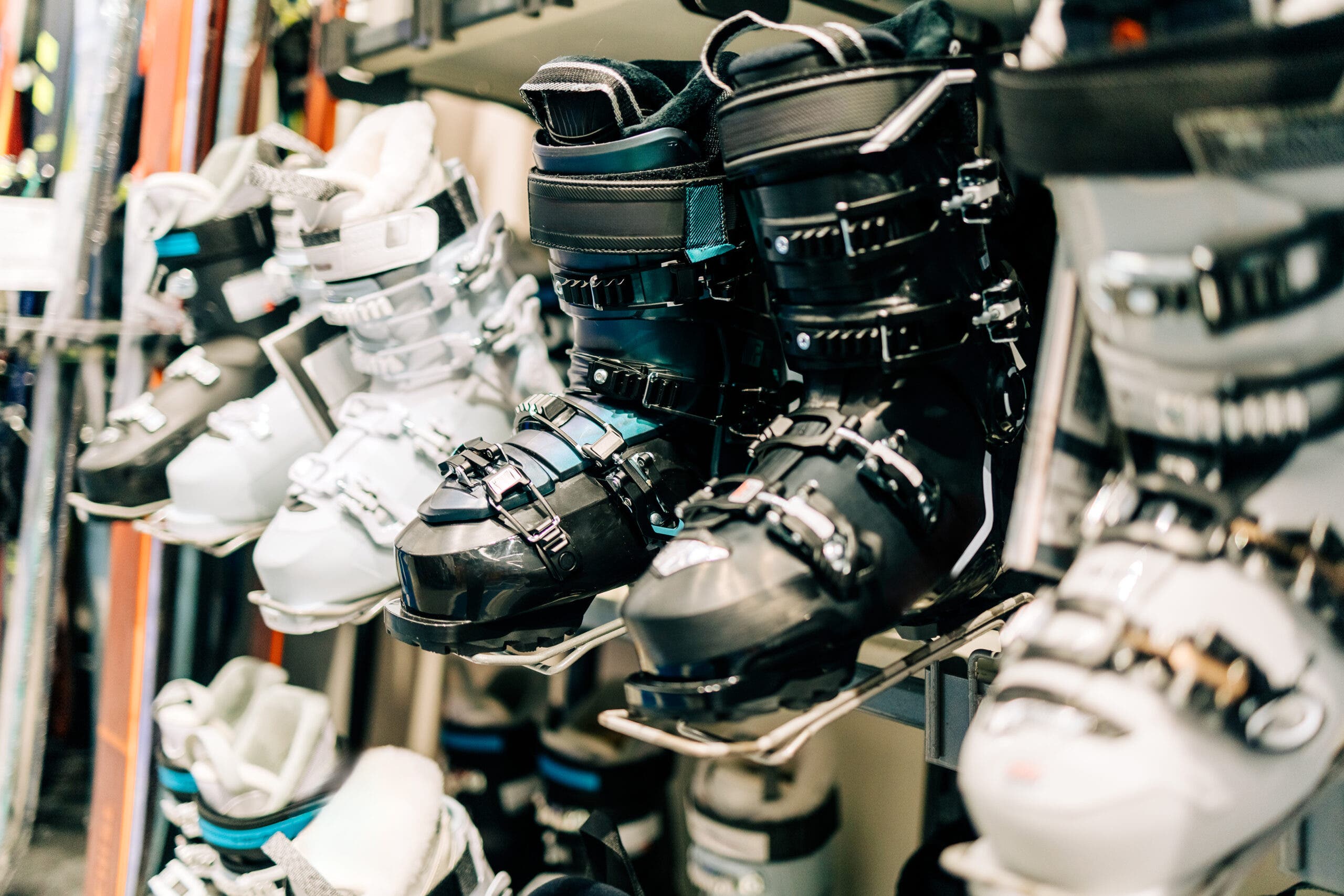
Most mid-to-high-range boots now feature heat-moldable liners and, in some cases, heat-moldable shells. By heating the boot in a specialized oven and then having the skier wear it as it cools, the material expands and contracts to mirror the unique topography of the individual’s foot. "When heat-molded and custom-fitted, downhill ski boots should contour all forefoot deformities," says Dr. Lobkova.
Shell Punching
For those with specific structural issues like "sixth toes" (tailor’s bunions) or prominent navicular bones, bootfitters use hydraulic presses and heat guns to "punch" or "grind" the plastic shell. This creates a localized relief zone without compromising the overall integrity and stiffness of the boot. Dr. Daniels recounts a case of a patient who suffered from chronic black toenails for years. "Once we got him into a boot with the right shell length and a small punch in the toe box, his toenails finally survived a ski season," he notes.
Custom Orthotics
The insoles that come standard in most ski boots are often criticized by medical professionals as "glorified cardboard." They provide little to no arch support, leading to "foot collapse" inside the boot, which increases the effective width of the foot and causes it to slam into the front of the shell. Dr. Lobkova recommends custom-made orthotics specifically designed for the low-volume environment of a ski boot. These often include metatarsal pads that help spread the metatarsal heads, preventing the compression that leads to Morton’s neuroma.
The Rental Market: A High-Risk Zone
The majority of skiers worldwide utilize rental equipment, which presents a unique set of challenges. Rental boots are designed for durability and "general" fit, meaning they are often voluminous and lack the precision required for safe foot alignment.
Dr. Daniels advises rental customers to prioritize the "snugness" of the shell over initial comfort. A common mistake is choosing a larger boot to avoid pressure, which leads to the foot sliding inside the boot. This "slop" causes the skier to over-tighten the buckles, which creates localized pressure points and restricts circulation—a phenomenon known as the "buckle-down" trap. Furthermore, skiers are encouraged to bring their own high-quality, merino wool socks. Unlike cotton, which retains moisture and collapses when wet, merino wool provides consistent cushioning and thermal regulation, reducing the risk of blisters and frostbite.
Physiological Management: The Importance of the Mid-Day Break
A significant yet often ignored factor in foot health is the physiological change the foot undergoes during the day. As a skier moves from the cold exterior to a warm lodge, the blood vessels in the feet dilate, and the feet and ankles begin to swell.
"You don’t want them to swell against a stiff boot because this will cause a tourniquet effect, preventing blood from reaching the foot," warns Dr. Lobkova. She recommends that skiers completely unbuckle their boots—or better yet, remove them—during lunch breaks to allow for lymphatic drainage and restored circulation. This simple habit can prevent the cumulative swelling that often leads to late-afternoon pain and increased injury risk.
Broader Implications for the Ski Industry
The medical community’s focus on foot health comes at a time when the ski industry is grappling with "skier retention" rates. Studies suggest that physical discomfort is one of the leading reasons why first-time skiers do not return to the sport. By framing boot fit as a medical and safety issue rather than a luxury service, the industry stands to improve both its economic outlook and the long-term health of its participants.
As equipment technology continues to advance toward lighter and stiffer materials, the collaboration between podiatrists and bootfitters will become increasingly vital. The message from the medical community is clear: pain is a signal, not a requirement. Protecting the feet today ensures that the "badge of honor" does not become a permanent disability tomorrow. Listening to one’s body and seeking professional intervention for fit issues is the only way to ensure that the joy of the mountain remains untainted by the lasting scars of the boot.

