
Published May 12, 2026 12:32PM
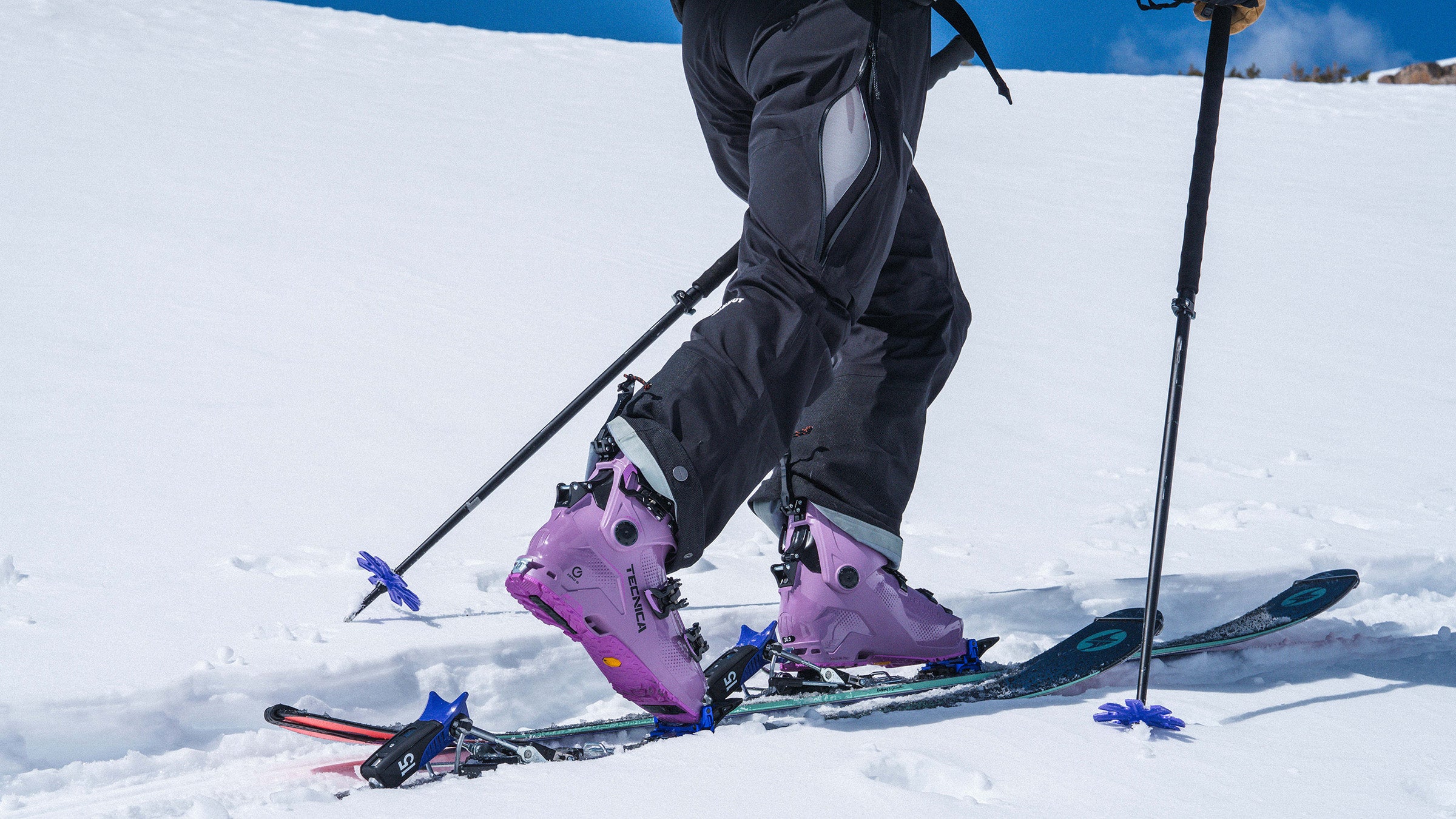
The outdoor equipment landscape is continually evolving, driven by innovations that seek to optimize user experience. A significant development in the backcountry skiing sector comes with the official announcement of Tecnica’s 2027 lineup, featuring the highly anticipated Zero G Decoy Pro GW. This new boot, set to retail at $1,200 and available in Fall 2026, represents a strategic pivot for the brand, aiming to bridge the long-standing gap between lightweight touring efficiency and robust downhill capability. Extensive field testing, particularly during an intensive week in Cooke City, Montana, has affirmed the Decoy’s potential to redefine expectations for hybrid backcountry footwear, shifting the narrative from compromise to confidence.
The Evolution of Backcountry Skiing and Gear Paradigms
For decades, backcountry skiing has presented a fundamental dilemma for enthusiasts: the inherent trade-off between the arduous ascent and the exhilarating descent. Early backcountry setups often involved modified alpine gear, which offered excellent downhill performance but made uphill travel exceptionally challenging due to weight and limited range of motion. The subsequent rise of dedicated touring gear swung the pendulum towards extreme lightweight designs, prioritizing minimal mass and maximum articulation for efficient climbing. Boots like Tecnica’s own Zero G Tour, weighing in at a mere 1,285 grams, exemplify this trend, allowing skiers to cover vast distances and elevations with relative ease. However, this pursuit of lightness frequently came at the expense of downhill stability and power, particularly in variable or challenging snow conditions. Skiers often found their lightweight boots lacking the stiffness and support required to confidently drive wider skis or navigate aggressive terrain, leading to a diminished experience on the descent—the very reward for the uphill effort. This created a segment of skiers who, despite their love for the backcountry, felt perpetually constrained by their gear choices.
Tecnica’s Strategic Response: The Zero G Decoy’s Genesis
Recognizing this critical market need, Tecnica embarked on a rigorous research and development process to engineer a boot that would fundamentally challenge these conventional trade-offs. The design brief for the Zero G Decoy was ambitious: to deliver a boot that skis demonstrably better than the touring-focused Zero G Tour while offering superior walkability compared to the freeride-oriented Cochise. This "split the difference" philosophy aimed to create a truly balanced hybrid.
"Our goal with the Zero G Decoy was to empower skiers to experience the full spectrum of backcountry skiing without feeling limited by their equipment," states a Tecnica product manager, emphasizing the brand’s commitment to innovation. "We observed a growing frustration among experienced backcountry skiers who felt forced to choose between a fast ascent and an enjoyable descent. The Decoy is our answer to that, integrating advanced materials and construction to deliver power on the way down and efficiency on the way up."
The development timeline for a new boot like the Decoy typically spans several years, involving concept generation, material selection, prototyping, laboratory testing, and extensive field trials. The 2027 model’s journey began approximately three years prior to its public announcement, with engineers meticulously refining shell geometry, cuff articulation, and liner design to achieve the desired performance metrics. Key innovations focused on optimizing the balance between stiffness for downhill control and flexibility for touring comfort.
Key Specifications and Design Innovations
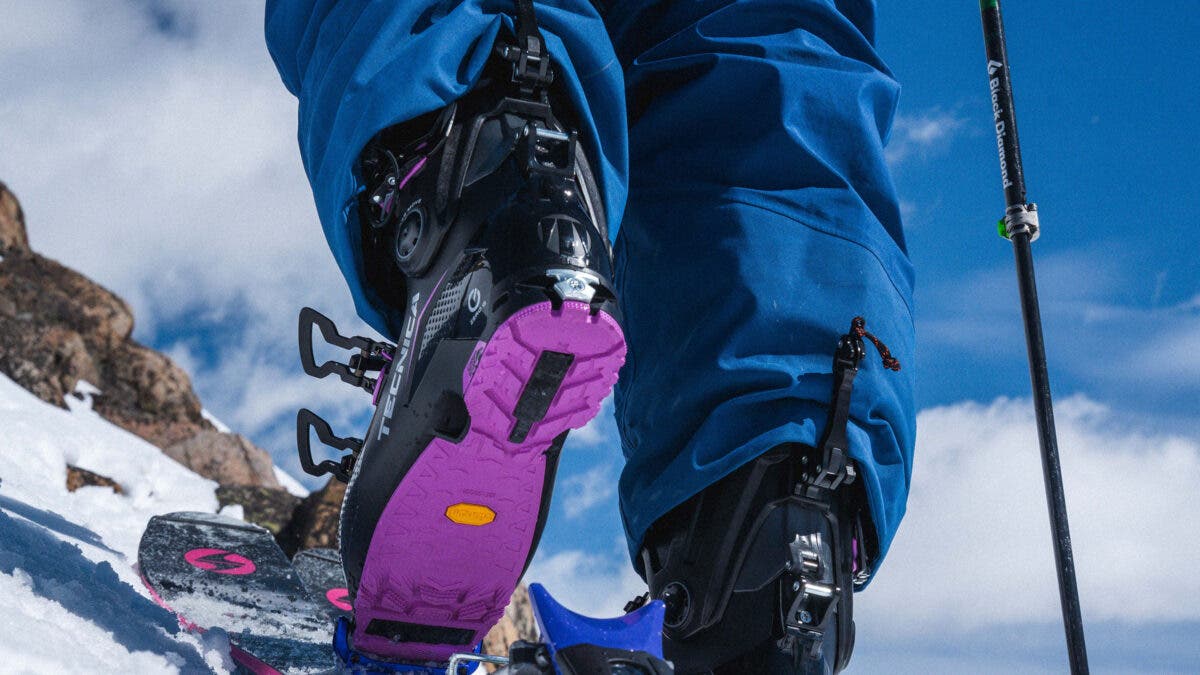
The 2027 Tecnica Zero G Decoy Pro GW arrives with impressive specifications:
- Price: $1,200 (anticipated)
- Weight: 1,650 grams (per boot)
- Flex: 130
- Volume: MV (Medium Volume, 99 mm last)
- Binding Compatibility: Tech, GripWalk
At 1,650 grams, the Decoy sits squarely between the Zero G Tour (1,285g) and the Cochise (1,885g), signaling its hybrid intent. This weight class positions it against other high-performance hybrid boots in the market, often considered the sweet spot for skiers seeking a robust yet tourable option.
Central to the Decoy’s design is its polyurethane (PU) shell construction. Unlike the softer Grilamid often used in ultralight touring boots, PU offers superior progressive flex and rebound characteristics, crucial for powerful downhill skiing. This is further enhanced by Tecnica’s reinforced Power Frame construction, which strategically thickens areas of the shell to maximize power transfer and torsional rigidity without excessive weight. The boot features four traditional buckles, providing a secure and customizable fit that instills confidence, a stark contrast to the cable-style buckles found on some lighter touring models which can feel less responsive.
For uphill performance, the Decoy integrates Tecnica’s T-Hike mechanism, a sophisticated cuff-to-shell connection system that allows for an impressive 65 degrees of range of motion. While this figure matches the claimed ROM of the lighter Zero G Tour Pro, the Decoy’s stiffer PU shell and a more anatomically sculpted, plush liner inherently require slightly more effort to cycle through the stride compared to its lighter counterpart. However, this is a conscious trade-off designed to enhance downhill stability. The Vibram GripWalk sole ensures reliable traction on mixed terrain, from rocky bootpacks to icy parking lots, and is compatible with all modern alpine touring and GripWalk-certified alpine bindings.
The 99-millimeter last, shared with the Cochise, provides a medium-volume fit that caters to a broad range of foot shapes. The anatomically sculpted liner is designed to reduce "dead space," particularly around the instep and heel, contributing to an immediate, comfortable, and secure out-of-the-box fit that minimizes the need for extensive customization.
Rigorous Field Testing in Cooke City, Montana
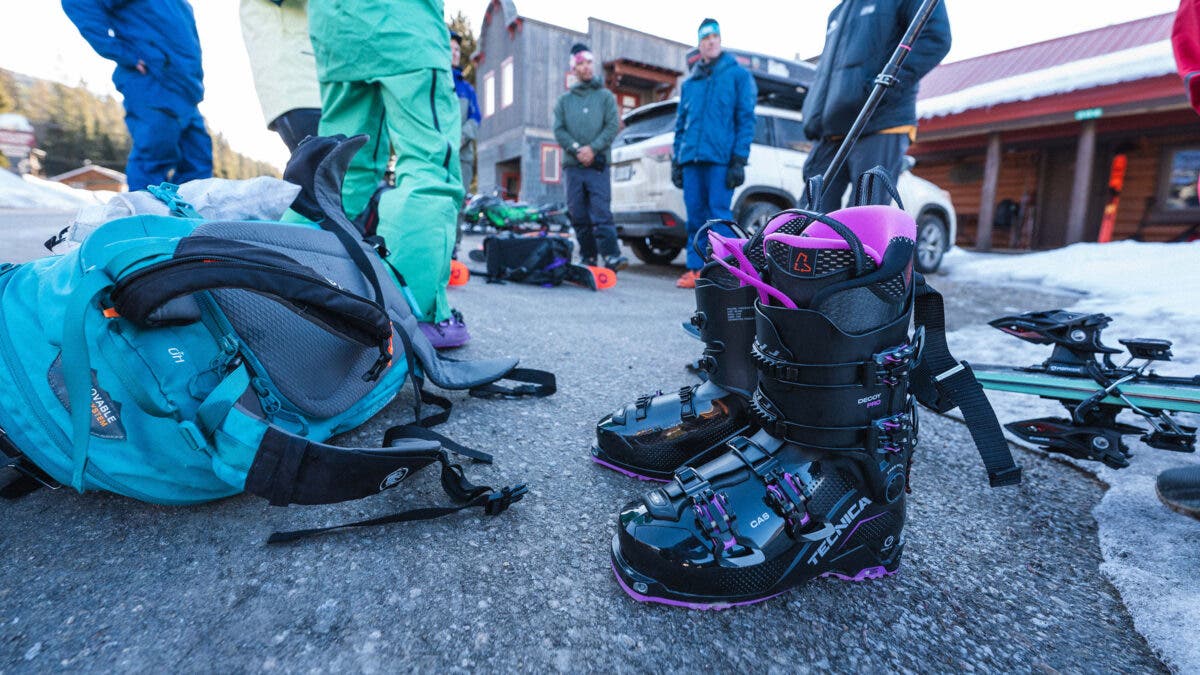
To validate the Decoy’s performance claims, Tecnica orchestrated an intensive testing expedition in early April 2026, leveraging the rugged and diverse terrain of Cooke City, Montana. Nestled at an elevation of 8,127 feet and boasting a population of 77, Cooke City serves as a gateway to the Beartooth Mountains, one of the Lower 48’s snowiest and most challenging ranges. Its unique combination of snowmobile-accessed terrain and expansive human-powered zones makes it an ideal proving ground for versatile backcountry gear.
The testing team included the author of the original review, alongside renowned Blizzard Tecnica athletes Connery Lundin, Piper Kunst, and Tim McChesney—professional skiers known for their aggressive styles and deep backcountry experience. Over three days, the team covered 14 miles and ascended 12,000 feet of vertical, navigating a broad spectrum of snow conditions exacerbated by an unseasonable heat wave that pushed temperatures into the upper 60s even above 8,000 feet. This environmental variability, ranging from creamy corn snow on south-facing aspects to cold, preserved winter snow in north-facing chutes, and sun-baked aprons littered with avalanche debris, created the perfect crucible to assess the Decoy’s adaptability and resilience.
The full test setup, weighing a substantial 4,400 grams per ski (including the Decoy boots, Blizzard Canvas 108 skis, and CAST Freetour 2.0 Pivot 15 bindings), was designed to push the limits of what a "touring" setup could achieve. This deliberate choice of a heavier, more robust system underscored the shift in philosophy: prioritizing downhill confidence over ultralight uphill efficiency.
Downhill Performance: Uncompromising Power
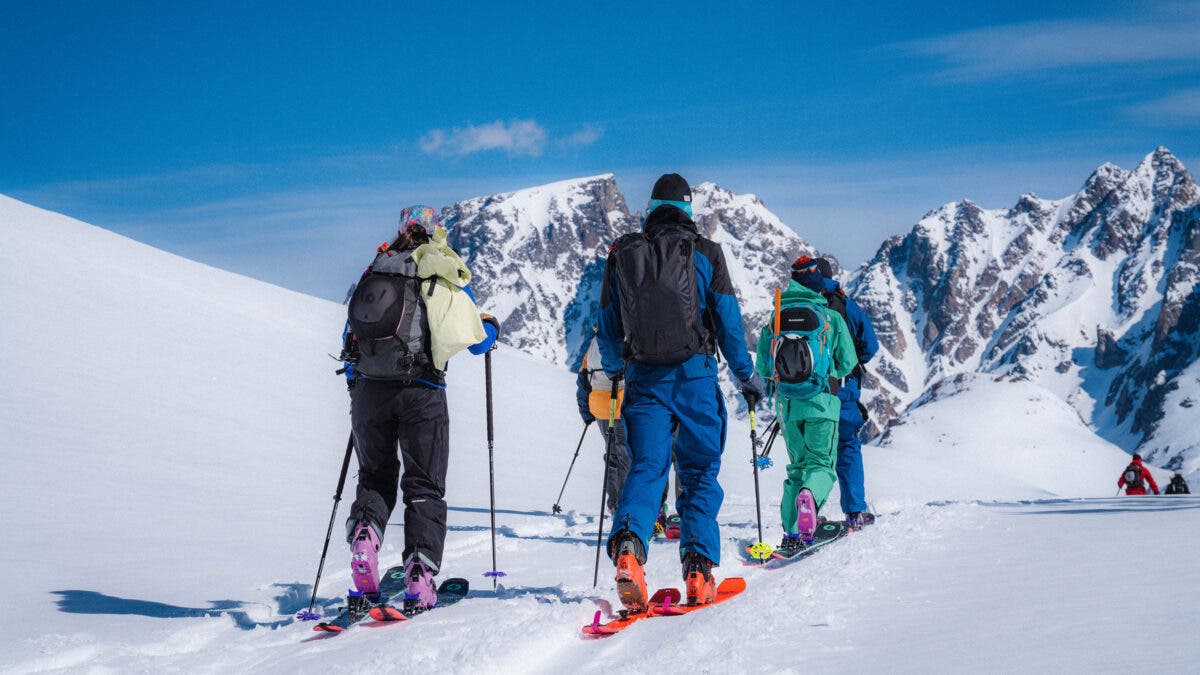
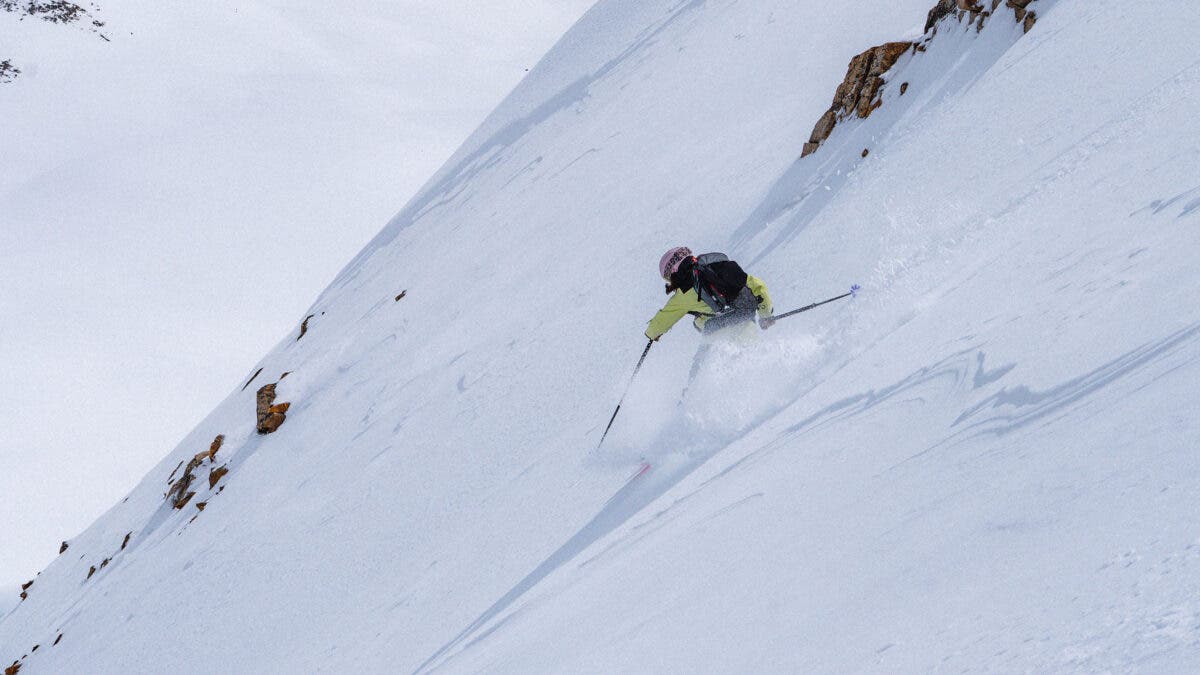
The most striking revelation from the Cooke City trials was the Decoy’s exceptional downhill performance. Despite encountering highly inconsistent snow conditions—a scenario where lighter touring boots typically falter—the Decoy remained remarkably composed and predictable. Reviewers noted a complete absence of the nervous, unpredictable feeling often associated with lighter touring gear.
The boot’s progressive flex, directly attributable to its PU shell and Power Frame construction, allowed skiers to drive the Blizzard Canvas 108 skis aggressively through challenging snow. The immediate response and precise power transfer enabled quick stance adjustments, crucial for maintaining control when transitioning between wildly different snow textures. This responsiveness translated into a skiing experience akin to a dedicated alpine setup, freeing the skier from the mental burden of adapting their technique to the gear’s limitations. As one tester remarked, "Where lighter, softer touring boots tend to fold when pushed through mank or variable snow, the Decoy stayed composed and predictable. It let me ski the way I would on an alpine setup, even after three ACL surgeries, which is a testament to its stability."
This performance unequivocally confirms Tecnica’s objective: the Decoy not only skis better than the Zero G Tour but also surpasses the downhill capabilities of the Cochise, establishing a new benchmark for hybrid boot performance.
Uphill Performance: Capable and Unyielding
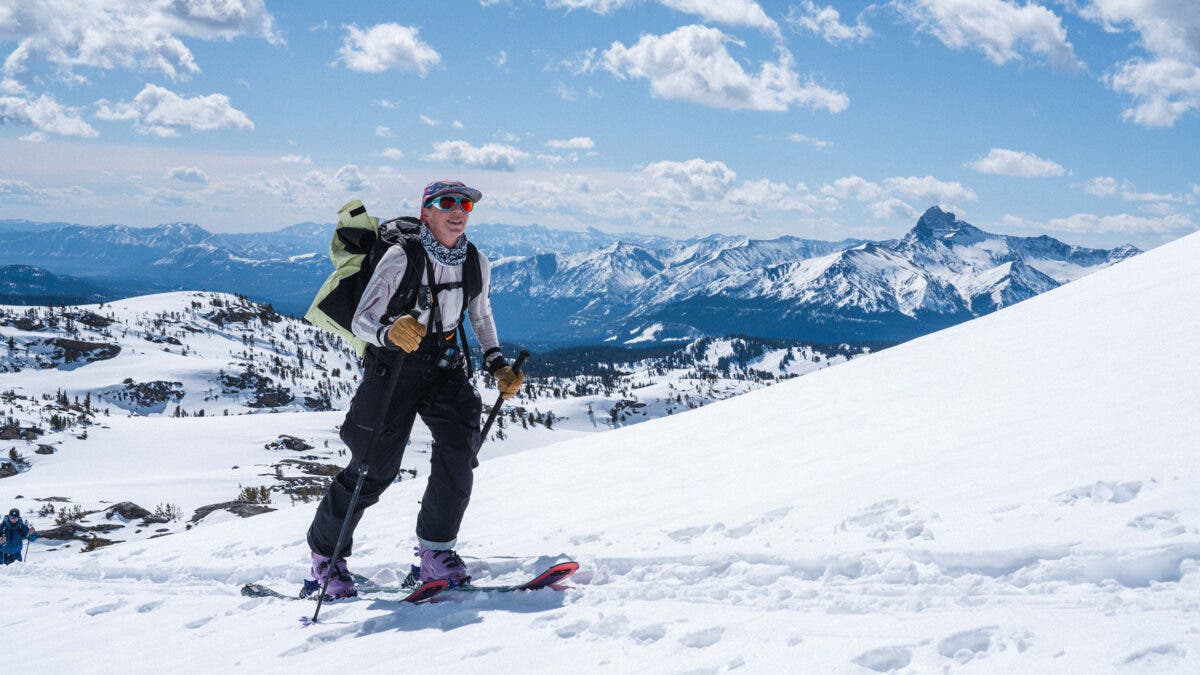
While the Decoy’s primary mission was to excel on the descent, its touring performance was also rigorously evaluated. The testing included both snowmobile-accessed "sled skiing," which involved shorter bootpacks, and extended human-powered tours. On the second day, the team ascended Cooke’s iconic Fin, a seven-mile, 3,000-vertical-foot climb directly above town. This extended tour provided a comprehensive assessment of the Decoy’s walkability beyond the "short tours" it was ostensibly designed for.
The out-of-the-box fit played a significant role in uphill comfort. The 99-millimeter last and anatomically shaped liner effectively cradled the foot, minimizing movement and friction even when the boots were unbuckled. This secure fit, combined with the 65-degree range of motion provided by the T-Hike mechanism, made longer ascents manageable.
However, the Decoy’s robust construction, while beneficial for downhill performance, presented a discernible difference in uphill effort compared to ultralight touring boots. The stiffer PU shell and thicker liner, despite the impressive ROM, require more energy to flex through each stride. This was particularly noticeable for testers who were not in peak touring shape, highlighting the boot’s less forgiving nature for fitness gaps. "If you’re fit and technically efficient on the skintrack, the Decoy won’t hold you back," noted a reviewer. "If you’re not, you’ll feel the extra weight and friction." This trade-off underscores the Decoy’s positioning: it is a boot for skiers who prioritize downhill performance and are willing to accept a slightly more demanding ascent.
Implications and Market Impact
The introduction of the Tecnica Zero G Decoy Pro GW is poised to significantly impact the backcountry skiing market. Its successful execution of the hybrid design philosophy addresses a growing demand from experienced skiers who are increasingly disillusioned with the compromises inherent in ultralight gear. This demographic, often referred to as "freeride tourers" or "downhill-focused tourers," values the quality of the descent above all else and is willing to carry a few extra grams for superior control and confidence.
Industry analysts predict that boots like the Decoy will catalyze a broader shift in consumer preferences, encouraging other brands to invest further in developing robust hybrid solutions. This trend could lead to a more diversified market, where skiers have a wider array of options that cater specifically to their priorities, whether it’s ultralight racing, resort-adjacent freeride touring, or multi-day expeditions.
Furthermore, the Decoy’s emphasis on downhill performance has potential implications for safety. By providing skiers with greater control and confidence in variable snow, it may reduce the likelihood of accidents caused by equipment limitations. The ability to ski aggressively and adapt quickly to changing conditions is a critical factor in navigating complex backcountry terrain safely.
The personal epiphany experienced by the lead tester—the realization that sacrificing uphill ease for downhill joy was a worthwhile trade-off—mirrors a sentiment gaining traction within the wider backcountry community. This shift from a "lighter is always better" mentality to a "performance is paramount" ethos is a testament to products like the Decoy that genuinely deliver on their promise. While the broader setup, particularly the CAST Freetour binding, may still see individual fine-tuning for specific users, the Decoy boot itself has firmly established its position as a go-to choice for those who enter the backcountry "for the skiing, dammit."
The 2027 Tecnica Zero G Decoy Pro GW and its women’s counterpart, the Decoy 115 W GW, are slated to hit retail shelves in fall 2026, marking a significant step forward in the quest for the ultimate backcountry skiing experience.

