
The 30th annual United Nations Climate Change Conference, known as COP30, concluded in Belém, Brazil, leaving a complex legacy of heightened ambition tempered by significant diplomatic and structural hurdles. Held in the "gateway to the Amazon," the summit drew approximately 60,000 participants from nearly 200 nations, centering global attention on the world’s most critical carbon sink. While the event fostered unprecedented cross-cultural dialogue and sub-national agreements, the final negotiated outcomes faced criticism for failing to explicitly address the primary driver of global warming: fossil fuels.
The Amazonian Context: COP30 in Belém
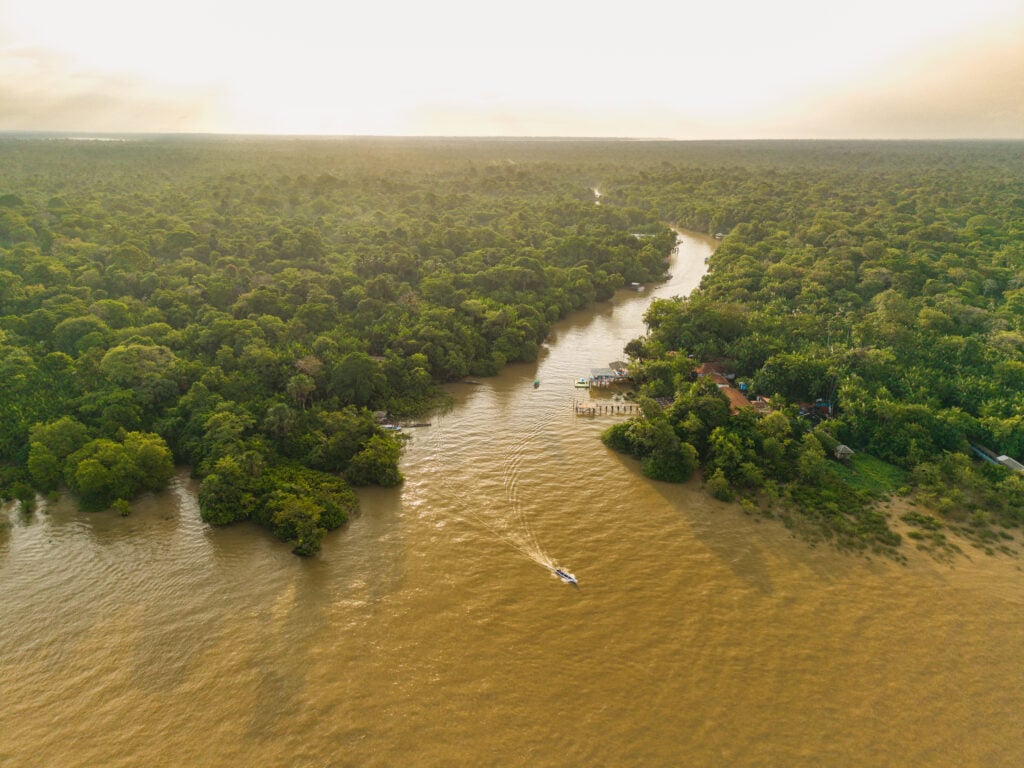
Belém, the capital of the Brazilian state of Pará, served as more than just a backdrop for the summit. As the first COP held in the heart of the Amazon rainforest, the location was intended to symbolize a shift in focus toward the protection of biodiversity and the rights of Indigenous peoples. The Amazon plays a foundational role in regulating the global climate, yet it remains under constant threat from deforestation, mining, and industrial expansion.
The conference was divided into distinct operational areas, most notably the "Blue Zone" and the "Green Zone." The Blue Zone, managed by the United Nations Framework Convention on Climate Change (UNFCCC), served as the epicenter for formal negotiations, country pavilions, and official press conferences. In contrast, the Green Zone and the concurrent People’s Climate Summit provided platforms for civil society, grassroots activists, and the general public to voice concerns and showcase local solutions. Despite the high energy within these venues, the summit faced the daunting task of reconciling the economic interests of petrostates with the urgent scientific mandate to limit global temperature increases to 1.5°C above pre-industrial levels.
A Chronology of Negotiations: From Opening Plenary to Final Accord
The two-week summit, held from November 11 to November 28, followed a rigorous timeline of high-level segments and technical negotiations. The first week was characterized by the arrival of heads of state and the announcement of various multi-lateral initiatives. During this period, sub-national leaders and non-governmental organizations (NGOs) dominated the narrative, filling the void left by shifting federal priorities in several key emitting nations.
The second week transitioned into the "high-level segment," where ministers and senior negotiators attempted to finalize the text of the "Belém Declaration." Negotiations were marked by intense debates over climate finance, specifically the "Loss and Damage" fund established in previous years to assist vulnerable nations. However, as the closing plenary approached, the language surrounding the transition away from fossil fuels became the primary point of contention. While over 80 nations advocated for a clear roadmap to phase out coal, oil, and gas, opposition from major oil-producing regions led to a final document that omitted the term "fossil fuels" entirely, a move that many climate scientists and policy analysts described as a significant setback for global climate diplomacy.
The United States: A Tale of Two Delegations
One of the most notable features of COP30 was the lack of an official federal negotiating delegation from the United States. Following a shift in administrative priorities, the U.S. government did not send formal representatives to the inner-circle negotiations. Historically, the U.S. has played a pivotal role as a broker in international climate deals; former negotiators present in an unofficial capacity noted that this absence made it significantly more difficult to reach a consensus on ambitious mitigation targets.
However, the U.S. presence remained visible through sub-national and legislative actors. A coalition of governors, mayors, and local leaders from 26 states participated in the Local Leaders Forum, which preceded the summit in Rio de Janeiro. California Governor Gavin Newsom emerged as a prominent figure during the first week, signing bilateral agreements with Colombia to reduce methane emissions and with Nigeria to expand electric vehicle (EV) infrastructure.
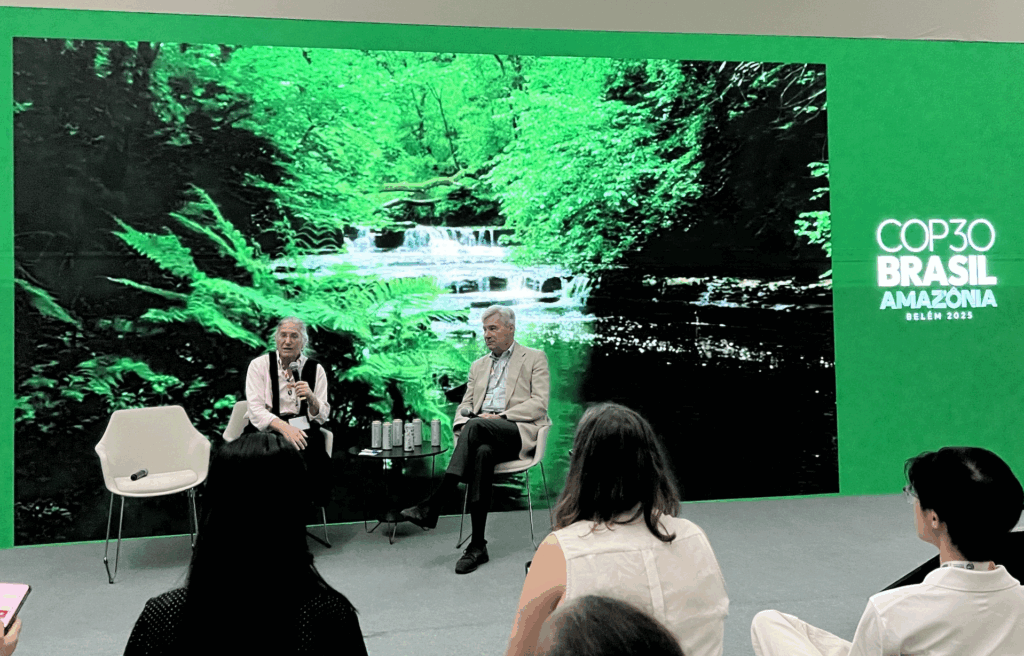
Additionally, Senator Sheldon Whitehouse of Rhode Island represented the U.S. Congress in Belém. In his addresses to students and international delegates, Whitehouse emphasized the influence of the fossil fuel industry on American climate policy, stating that the perceived partisan divide on climate issues is an "artificial state" created by massive industrial spending. He argued that as long as the fossil fuel industry is permitted to "pollute for free," a viable pathway to climate safety remains elusive.
Indigenous Leadership and the Barrier of Fossil Fuel Interests
COP30 saw a significant increase in Indigenous representation, with approximately 900 delegates attending—a three-fold increase from the 300 present at COP29. Indigenous communities, recognized as a formal constituency group by the UNFCCC, led powerful demonstrations and shared climate solutions based on generations of land stewardship. Activists such as Saúl Luciano Lliuya, known for his landmark climate litigation against the German energy giant RWE, participated in Greenpeace actions to demand that polluters pay for the damages caused by carbon emissions.
Despite this increased visibility, Indigenous leaders argued that their presence remained largely symbolic. This sentiment was exacerbated by the overwhelming presence of fossil fuel lobbyists. Reports indicated that there were more than twice as many industry lobbyists in the Blue Zone as there were Indigenous delegates. Furthermore, the host nation, Brazil, faced scrutiny for moving forward with new exploratory oil drilling projects just days before the summit began, highlighting the ongoing tension between national economic development and environmental preservation.
The barriers to participation were not only political but also logistical. Many delegates from the Global South, including Indigenous fellows from the Andes and Africa, faced significant hurdles regarding travel visas, funding, and language access. At many events, English remained the sole language of programming, effectively excluding Spanish and Quechua-speaking participants from the decision-making process.

The Scientific Gap: 1.5 Degrees Celsius and the Emission Reality
The primary objective of COP30 was to establish clear pathways for countries to update their Nationally Determined Contributions (NDCs) to align with the 1.5°C goal. According to the United Nations Environment Programme (UNEP), the world must achieve a 55% reduction in greenhouse gas emissions by 2030 to remain on a safe trajectory.
The scientific community, represented in Belém by the Research and Independent Non-Governmental Organizations (RINGO) community, provided a constant stream of data illustrating the accelerating impacts of climate change on mountain ecosystems and polar regions. Academic institutions, including Colorado State University (CSU) and the Mountain Sentinels Alliance, showcased research on how melting glaciers in the Andes and the Rockies are threatening water security for millions.
While the summit did secure a commitment to halt and reverse deforestation by 2030—a crucial win for the Amazon—critics pointed out that without a corresponding commitment to end fossil fuel reliance, forest conservation alone would be insufficient to stabilize the global climate. The omission of "fossil fuels" from the final text was viewed by many scientists as a refusal to acknowledge the empirical reality of the crisis.
Climate Litigation: Shifting the Burden of Responsibility
A burgeoning theme at COP30 was the role of the judiciary in enforcing climate action. The presence of Saúl Luciano Lliuya and his legal team highlighted a shift toward "climate litigation" as a tool for accountability. Lliuya’s case against RWE, which argues that a company should be held liable for its proportional contribution to global warming, has set a precedent for similar lawsuits worldwide.
During the summit, legal experts and NGOs hosted sessions on the "Polluter Pays" principle, arguing that the financial burden of climate adaptation should shift from vulnerable communities to the corporations most responsible for historical emissions. This legal framework is increasingly seen as a necessary supplement to the often-stalled diplomatic process of the UNFCCC.
Educational and Civil Society Engagement
Despite the frustrations surrounding the official negotiations, COP30 served as a transformative educational platform. Universities and research NGOs used the summit to foster cross-cultural knowledge sharing. Students from across the globe engaged directly with negotiators and activists, gaining firsthand experience in the complexities of international policy.
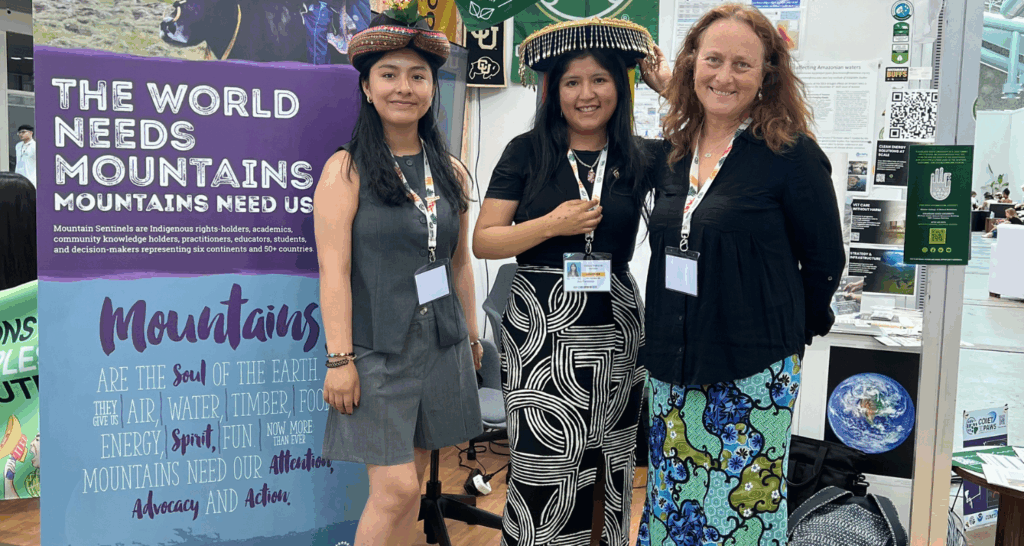
Collaborative exhibits between North American universities and South American NGOs, such as the Instituto de Montaña, highlighted the shared challenges faced by mountain communities. These interactions often led to informal alliances, such as the growing mountain agenda within the UNFCCC, which seeks to prioritize the protection of high-altitude ecosystems that are warming at twice the global average rate.
Analysis of Outcomes and the Road to COP31
The results of COP30 reflect a world in transition, where the hunger for climate action is palpable but the structural reliance on fossil fuels remains a formidable roadblock. The "meaningful wins" of the summit—such as the deforestation pledges and the expansion of sub-national climate pacts—provide a foundation for future progress, yet they fall short of the comprehensive global shift required by climate science.
The absence of the United States at the federal level highlighted a shifting landscape of climate leadership, where states like California and nations in the Global South are increasingly taking the initiative. However, the influence of petrostates and industry lobbyists continues to dictate the limits of international agreements.
As the international community looks toward COP31, the message from Belém is clear: the era of symbolic representation must give way to substantive power-sharing and accountability. The phrase "everyone, everywhere, all at once," echoed by negotiators and activists alike, serves as a reminder that climate action can no longer be confined to closed-door sessions. For the Amazon, for mountain communities, and for the global climate, the window for effective intervention is narrowing, and the commitments made—or avoided—at COP30 will resonate for decades to come.

