
For decades, even the most seasoned skiers, including the Executive Editor of SKI magazine, have inadvertently overlooked a fundamental aspect of ski boot fitting: volume. This widespread oversight highlights a critical gap in understanding how precisely matched equipment can unlock a skier’s full potential, comfort, and longevity on the slopes. The recent revelation by a prominent industry figure, after a lifetime of skiing and professional involvement in the sport, underscores the subtle yet profound impact of an accurately fitted boot, specifically concerning its internal volume.
The Pervasive Misconception of "Snug Enough"
The narrative of an accomplished skier, deeply embedded in the sport’s culture and gear evaluation, discovering a long-standing inadequacy in her primary equipment is striking. Despite decades on skis, raising three proficient skiers, and a career dedicated to the ski industry, the executive editor had been unknowingly using boots ill-suited to her foot volume. This admission, far from being a personal failing, reflects a systemic challenge within the ski community where the nuanced concept of boot volume often takes a backseat to more easily quantifiable metrics like shell size (length) and flex rating.
For years, the editor’s boots had felt "snug," a sensation frequently endorsed by bootfitters as ideal, akin to a "firm handshake." There were no overt discomforts like hot spots, painful pressure points, or noticeable gaps that might immediately signal a poor fit. Crucially, these boots never prevented her from tackling challenging terrain or enjoying epic powder days. Yet, an underlying feeling persisted: a plateau in performance, an inability to "take it to the next level." This subtle impediment, often dismissed as a personal skill ceiling, was in fact an equipment limitation rooted in an incorrect boot volume.
Deconstructing Ski Boot Volume: More Than Just Length
Ski boot volume refers to the internal space within the boot shell, encompassing the width of the last (forefoot), the instep height, and the dimensions of the heel pocket. Manufacturers typically categorize boots into low, medium, and high volume categories, corresponding to narrow, average, and wide feet, respectively. For instance, a low-volume boot might feature a last width of 98mm, while a high-volume boot could extend to 104mm or more. This internal architecture dictates how snugly the foot is held throughout its entirety, affecting energy transmission, responsiveness, and ultimately, control.
The emphasis in ski boot selection has historically gravitated towards shell length (Mondo point size) and flex index, which denotes the boot’s stiffness. While these are undeniably crucial, a boot that is correct in length and flex but incorrect in volume can compromise performance significantly. A high-volume boot on a low-volume foot, even if cinched down tightly, creates excess internal space. This "negative space" allows for micro-movements of the foot within the boot, leading to a delayed and less precise transfer of power to the ski edges. Conversely, a low-volume boot on a high-volume foot can cause painful compression, circulation issues, and an inability to properly buckle the boot.
Part of the challenge lies in the unique nature of ski footwear. Unlike street shoes, which prioritize comfort and allow for ample movement, ski boots are designed to be an extension of the leg, demanding a precise, form-fitting embrace. This unfamiliar sensation can lead many skiers to perceive even a technically oversized boot as "tight," further obscuring the true issue of volume. The editor’s own preference for comfortable street shoes like Birks and Uggs highlights this stark contrast in footwear philosophy, making the discernment of a truly correct ski boot fit even more elusive for the general public.
The Catalyst for Change: A New Boot, an Enduring Problem
The journey to uncovering this critical fitting error began in November with the acquisition of a new pair of ski boots featuring a BOA closure system. The editor, anticipating enhanced heel hold and improved performance from this innovative lacing technology, took them to Vail in December for their inaugural turns. Despite the perceived "firm, perfect fit" offered by the new system, the desired level of control remained elusive. This persistent performance gap, even with advanced boot technology, served as the ultimate impetus for seeking specialized intervention.
Recognizing that custom solutions might be necessary to optimize the fit, the editor visited a Surefoot store in Vail Village. Surefoot, a pioneer in custom ski boot fitting, represented a step beyond conventional boot fitting, promising a tailored experience designed to address individual biomechanical nuances.
Surefoot: A Legacy of Customization and Precision
Founded in 1982 by brothers Bob and Russ Shay in Park City, Utah, Surefoot emerged from a shared frustration with the painful and poorly fitting ski boots prevalent at the time. Both lifelong skiers and racers, the Shays understood that generic, mass-produced boots could not adequately cater to the diverse anatomical needs of individual skiers. Their vision was revolutionary: to move beyond the "one-size-fits-all" paradigm and introduce custom-fitted solutions that enhanced both comfort and performance.
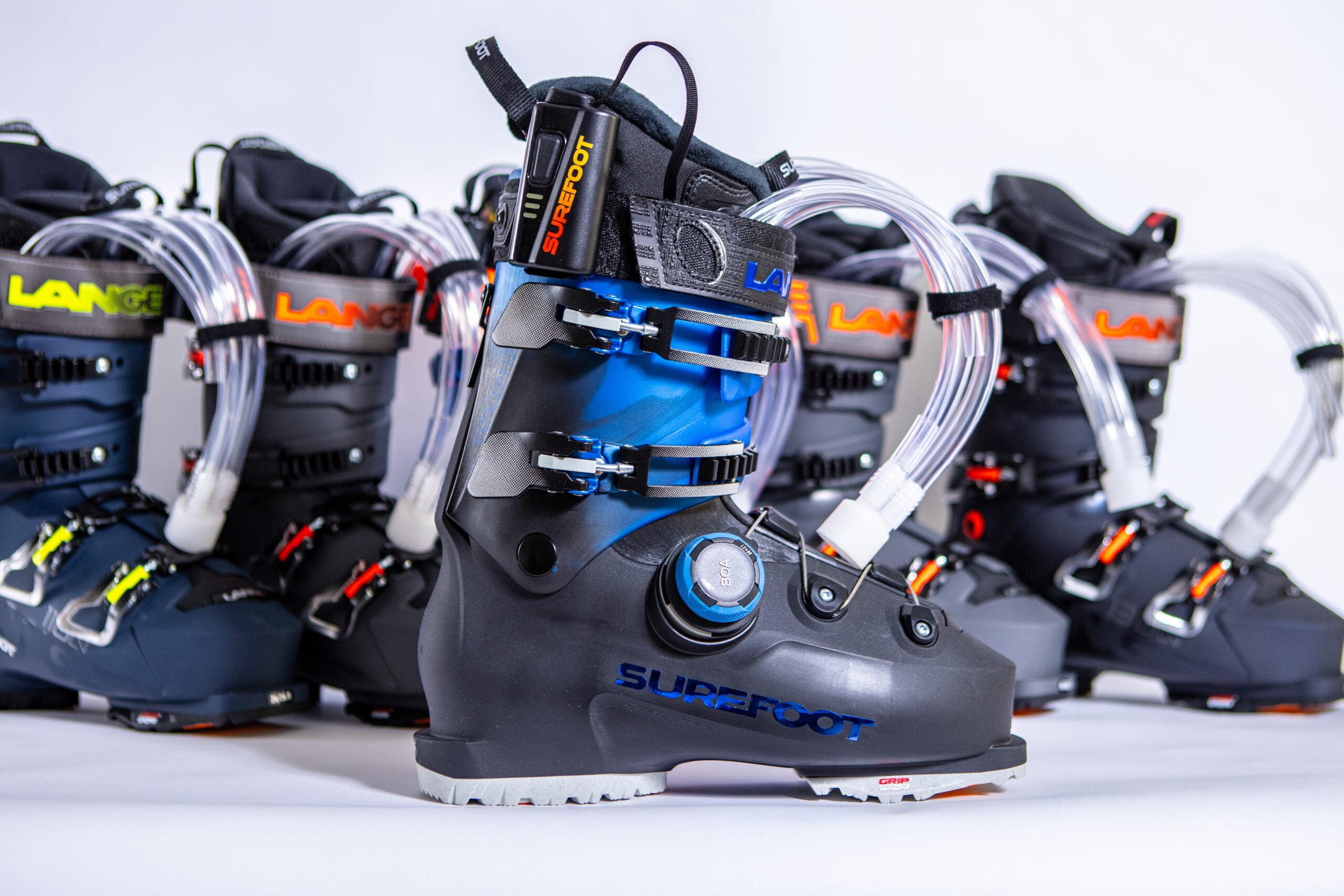
The Shays pioneered innovative custom ski boot fitting technologies, transforming the industry’s approach to personalized gear. Their methodology quickly gained traction, leading to the establishment of over 30 stores across North America and Europe. Surefoot’s success is built upon a comprehensive, multi-step process that combines advanced diagnostics with custom-molding techniques.
The Three Pillars of Surefoot’s Custom Fitting Process:
The Surefoot bootfitting process is meticulously structured into three critical steps, each designed to ensure an unparalleled level of precision and customization:
-
Digital Scan and Foot Evaluation: This initial phase involves a state-of-the-art 3D digital scan of the skier’s foot. Unlike traditional manual measurements, the 3D scanner captures thousands of data points, creating a highly accurate topographical map of the foot. This scan precisely identifies unique anatomical characteristics such as arch height, instep volume, forefoot width, and, crucially, heel width and overall foot volume. During this step, the Surefoot technician meticulously analyzes the scan results, discussing the implications of specific foot types—be it a high arch, a narrow heel, or, as in the editor’s case, low-volume feet with narrow heels. This objective, data-driven assessment is often the first time skiers receive a truly comprehensive understanding of their foot’s geometry. For the SKI Executive Editor, this scan was the pivotal moment of revelation. The technician’s direct question—"Have I ever been fitted in a low-volume boot?"—immediately highlighted the decades-long oversight. The technician’s confident smile, followed by "Oh yeah, that’s going to make a big difference," validated the editor’s long-held, albeit unarticulated, suspicion about her boot fit.
-
Custom Insole Creation: Following the digital evaluation, a custom insole is crafted. The insole serves as the foundation of the boot fit, providing crucial support, alignment, and stability. Generic insoles often fail to adequately support the foot’s natural contours, leading to pronation, supination, and inefficient power transfer. Surefoot’s custom insoles are molded precisely to the individual foot, supporting the arch, cradling the heel, and ensuring optimal foot alignment within the boot. This personalized support system minimizes foot fatigue, reduces pressure points, and enhances the skier’s ability to drive power directly to the ski edges, translating into improved control and responsiveness. The insoles are also designed to be removable, offering the flexibility to be used in other performance footwear.
-
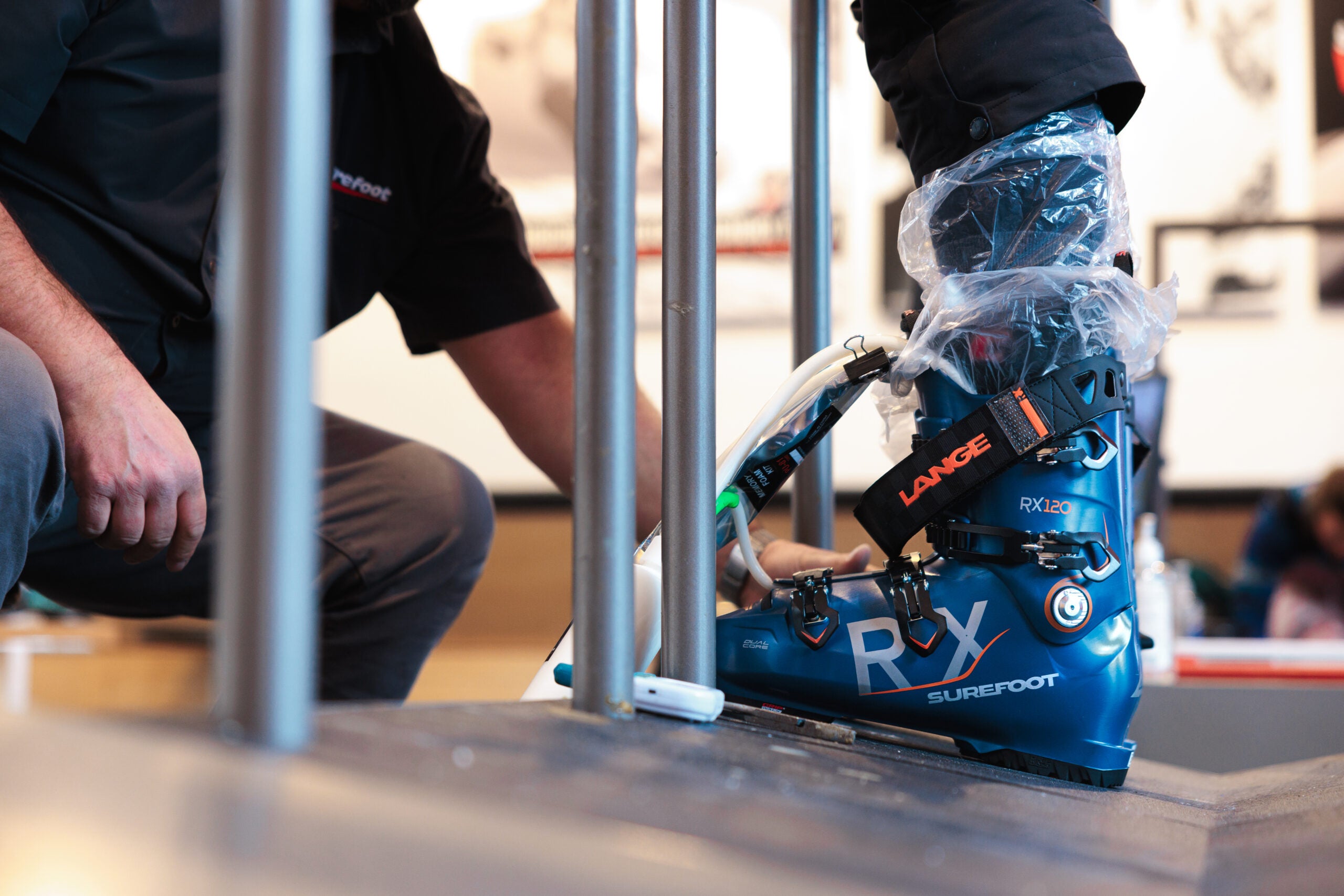
Liner Molding: The final, and arguably most defining, step is the molding of the boot liner. Surefoot employs a proprietary chemical foam injection process. After the custom insole is placed into the boot shell, the foot is positioned, and a specialized, liquid foam mixture is injected into the liner. As the foam expands, it meticulously conforms to every contour of the foot and lower leg, filling all "negative space" between the foot and the boot shell without creating any uncomfortable pressure points. This process ensures an anatomically perfect fit, eliminating slop and maximizing energy transmission. Unlike heat-moldable liners, which offer a general shape, foam-injected liners provide an unparalleled level of precision, effectively becoming a second skin. The entire process, from scan to final fit, typically takes about an hour, culminating in a boot that is truly an extension of the skier’s body. An additional, highly valued benefit for many skiers is the inclusion of boot heaters with every Surefoot boot or liner purchase, addressing the common issue of cold toes and enhancing overall comfort on the slopes.
The Transformative Impact: Enhanced Control and Confidence

The immediate transition to the new low-volume Tecnica Mach1 LVs, paired with Surefoot’s custom liner and insole, brought about a subtle yet undeniably noticeable transformation in the editor’s skiing experience. While the difference wasn’t a radical overnight change in technique, it manifested as a significant improvement in the nuanced aspects of ski control.
The editor reported an unprecedented level of command over her skis, particularly in challenging or "dicey" terrain. This enhanced control translates directly into improved confidence, allowing for more aggressive and precise movements. In biomechanical terms, a perfectly fitted boot ensures that every subtle movement of the foot and ankle is instantly and efficiently transferred to the ski. This eliminates the minute delays and energy loss associated with negative space, allowing for quicker edge changes, more powerful turns, and superior stability in variable snow conditions. The feeling of "leveling up" is not merely psychological; it is a direct consequence of optimizing the interface between the skier and their equipment.
Even with the precise fit, a minor issue of heel lift persisted due to the editor’s exceptionally narrow heels. This highlights the extreme variability of human anatomy and the continuous need for fine-tuning. True to their commitment to ongoing support, Surefoot technicians were able to address this with targeted modifications, such as the addition of wedges to further narrow the heel pocket. This complimentary service, available at any Surefoot location, underscores the comprehensive, long-term approach to customer satisfaction and optimal fit that characterizes specialized bootfitting.
Broader Implications for the Skiing Community
The executive editor’s experience carries significant implications for the wider skiing community. It serves as a powerful reminder that:
- Education is Paramount: Many skiers, even those with extensive experience, lack a comprehensive understanding of proper boot fitting, particularly the critical role of volume. Educational initiatives from resorts, ski shops, and media outlets are crucial to demystify these concepts.
- Custom Fitting is an Investment: While custom boot fitting represents a greater initial investment than off-the-rack purchases, its benefits extend far beyond immediate comfort. It translates into enhanced performance, reduced fatigue, injury prevention, and ultimately, a more enjoyable and prolonged engagement with the sport. The ability to ski for "another 25 years" becomes a viable and comfortable prospect.
- Technology and Expertise Go Hand-in-Hand: Advanced boot technologies, such as BOA closures, are valuable, but their full potential can only be realized when combined with expert, personalized fitting. The human element of a skilled bootfitter, armed with advanced diagnostic tools, remains irreplaceable.
- Beyond the First Purchase: The relationship with a custom bootfitter should be ongoing. The body changes, and equipment requires adjustments. Services like complimentary modifications and fit tweaks are vital for maintaining an optimal fit throughout the lifespan of the boots.
The journey of the SKI Executive Editor from a seasoned professional overlooking a fundamental bootfitting detail to experiencing the transformative power of a truly customized fit is a compelling testament to the often-underestimated science of ski boot volume. It highlights that regardless of one’s skill level or experience, the pursuit of precision in gear selection is not merely about comfort; it is about unlocking potential, maximizing enjoyment, and ensuring a sustainable, fulfilling future in the sport of skiing. As the industry continues to innovate with new boot designs and materials, the foundational principle of a perfectly matched volume, meticulously achieved through expert fitting, will remain the cornerstone of optimal ski performance.

