
As the calendar turns to October 2026, the global ski industry is experiencing a transitional phase defined by a mix of climate-driven challenges and innovative engineering solutions. While traditional glacier resorts in the Alps navigate the lingering effects of a warm summer, northern European resorts are leveraging “snow farming” technology to bypass the limitations of seasonal snowfall. Meanwhile, in North America, the perennial competition to secure the title of the season’s first opening is intensifying.
The European Alpine Landscape: A Cautious Reopening
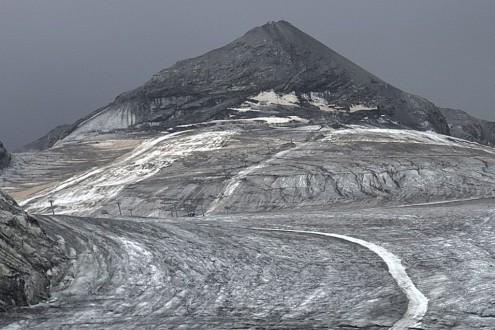
The Austrian and Swiss Alps, which serve as the epicenter of early-season skiing, are currently operating on a limited, high-altitude basis. Hintertux, historically the only resort in the world to offer 365-day skiing, faced an unprecedented disruption this year when it was forced to suspend operations in July due to adverse glacier conditions. After a period of summer dormancy, the resort is scheduled to resume operations this Friday, marking a significant milestone for the Austrian ski calendar.
In Switzerland, Saas-Fee has confirmed a re-opening date of Saturday, October 3. The resort, which concluded its summer operations on August 10, is adopting a conservative approach. Management has indicated that only the upper Allalin 2 and Allalin 3 lifts will be functional upon opening. This decision highlights the ongoing volatility of high-altitude ice, as the lower lifts remain closed pending further evaluation of glacier safety and base depth.
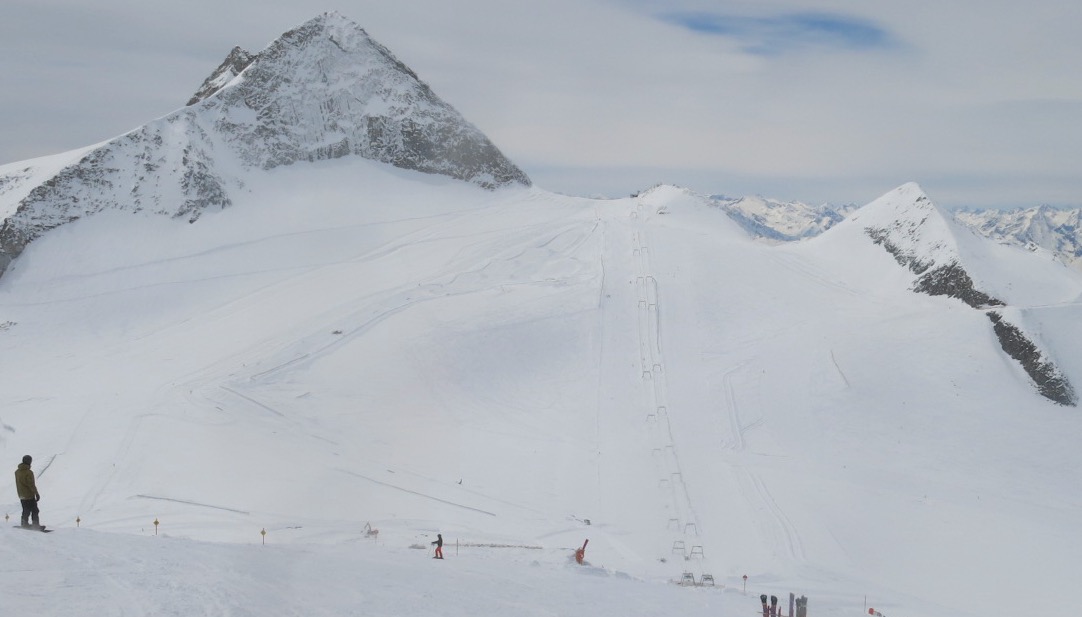
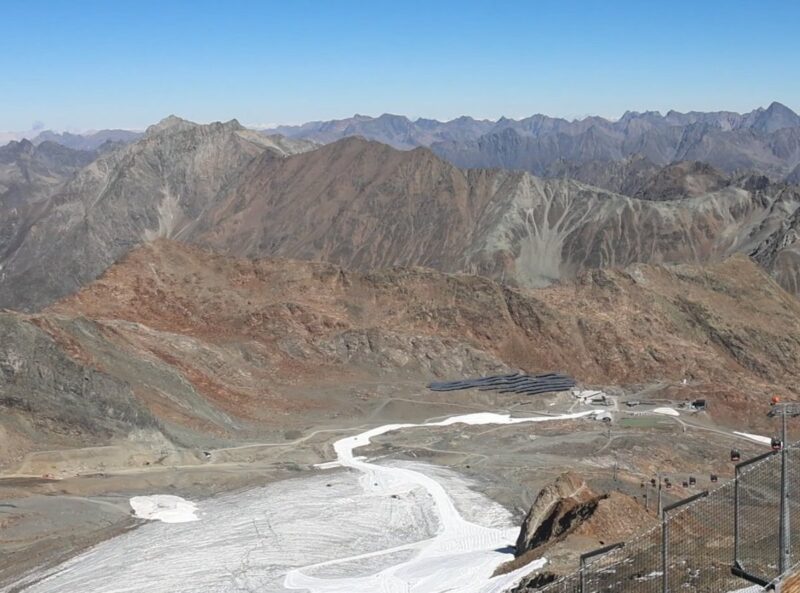
This cautious atmosphere is echoed across the region. Pitztal, which successfully initiated its season last weekend, currently offers 1.6 miles of groomed terrain via the Gletscherexpress. While the resort aims to remain open until May 2, 2027, the initial scope is limited to Pistes 26 and 29. Similarly, Val Senales in Italy is operating under restricted conditions, providing just one kilometer of accessible terrain. Meanwhile, the Passo Stelvio glacier, which experienced a forced closure in mid-August due to record-breaking thermal spikes, has reopened with approximately three kilometers of slopes, though the current state of the ice remains a point of concern for local environmental observers.
Weather Challenges and Operational Delays
The transition into the 2026-2027 season has not been without its setbacks. The unpredictability of autumn weather patterns in the Alps has led to the postponement of several highly anticipated openings. Both Kaunertal and Soelden, originally slated to open on September 26, were forced to delay their season starts.
Kaunertal officials issued a formal statement citing unfavorable meteorological conditions, noting that recent precipitation fell as rain rather than snow. When combined with ambient temperatures that remain consistently above the threshold required for effective snowmaking, the resorts found it impossible to provide a safe surface for training or recreational use. This underscores a broader trend in the industry where resorts are increasingly dependent on early-season temperature drops that are becoming progressively harder to predict.
The Rise of Snow Farming: A Finnish Solution
While the Alps grapple with the variability of glacier health, the resorts of Levi and Ruka in Finland are demonstrating the efficacy of "snow farming." Scheduled to open on October 2, these resorts do not rely on current snowfall or fragile glaciers. Instead, they utilize stockpiled snow preserved from the previous winter.
The scale of this operation is significant. Ruka, for example, preserves approximately 150,000 cubic meters of snow throughout the summer months—a volume sufficient to cover 67 football pitches. This practice involves insulating the snow with specialized covers to prevent sublimation and melt, allowing the resort to create a consistent, reliable base long before the first natural flakes fall. This technological adaptation is increasingly viewed as a viable business model for resorts aiming to guarantee early-season revenue regardless of shifting global climate trends.
North American Preparations and the Race to Open
Across the Atlantic, the competitive spirit of the Colorado ski industry is reaching its annual peak. The "race to be first" between Arapahoe Basin and Loveland has long been a hallmark of the North American season, often serving as an unofficial kickoff for the regional economy.
As of late September 2026, Loveland has begun testing its snowmaking infrastructure, with the resort’s technical teams calibrating high-pressure guns to capitalize on any cold snaps. Other major players, including Keystone and Wolf Creek, are also positioning themselves for an early October launch. Unlike the European focus on glacial terrain, the North American strategy relies heavily on robust snowmaking systems that require sustained cold temperatures to create a man-made base capable of withstanding the early autumn sun.
Strategic Implications for the 2026-2027 Season
The start of the 2026-2027 season provides a clear snapshot of the challenges facing the winter sports industry. The forced closure of historically reliable glaciers, such as Hintertux, represents a long-term shift in the stability of mountain environments. For resort operators, this necessitates a multi-pronged strategy:
- Technological Diversification: Increased investment in snow farming and advanced snowmaking technology is no longer optional but essential for operational continuity.
- Risk Management: As seen in the cases of Kaunertal and Saas-Fee, management teams are adopting more rigorous, data-driven approaches to determining when terrain is safe to open, prioritizing long-term asset health over short-term revenue.
- Climate Adaptability: Resorts are shifting their marketing and operational calendars to be more fluid. The era of "guaranteed" opening dates is being replaced by "conditional" openings, where operations are scaled up or down based on real-time glacier and weather data.
Chronological Summary of Early-Season Openings
- Early September 2026: Passo Stelvio (Italy) reopens after a mid-August heat-induced closure.
- Late September 2026: Pitztal (Austria) begins limited operations; Kaunertal and Soelden delay openings due to warm temperatures and rainfall.
- October 2, 2026: Levi and Ruka (Finland) open using stockpiled snow.
- October 3, 2026: Hintertux (Austria) and Saas-Fee (Switzerland) resume operations.
- October 2026 (Ongoing): Snowmaking tests continue at Arapahoe Basin, Loveland, Keystone, and Wolf Creek (USA).
Conclusion
As the ski industry moves deeper into the 2026-2027 season, the contrast between traditional glacier-based skiing and modern engineered solutions is becoming increasingly stark. While natural snowfall remains the ideal, the resorts that thrive in the coming decade will likely be those that successfully balance ecological stewardship with technological innovation. The industry remains in a state of high alert, monitoring weather patterns daily, as both resort operators and enthusiasts await a more consistent winter cycle. For now, the season is underway, albeit on a fragile and carefully managed foundation. As the global community looks toward the coming months, the focus remains on the delicate intersection of seasonal tradition and the evolving realities of our mountain environments. The race to winter is officially on, and while the path may be rocky, the industry’s commitment to providing a platform for sport remains resolute.

