
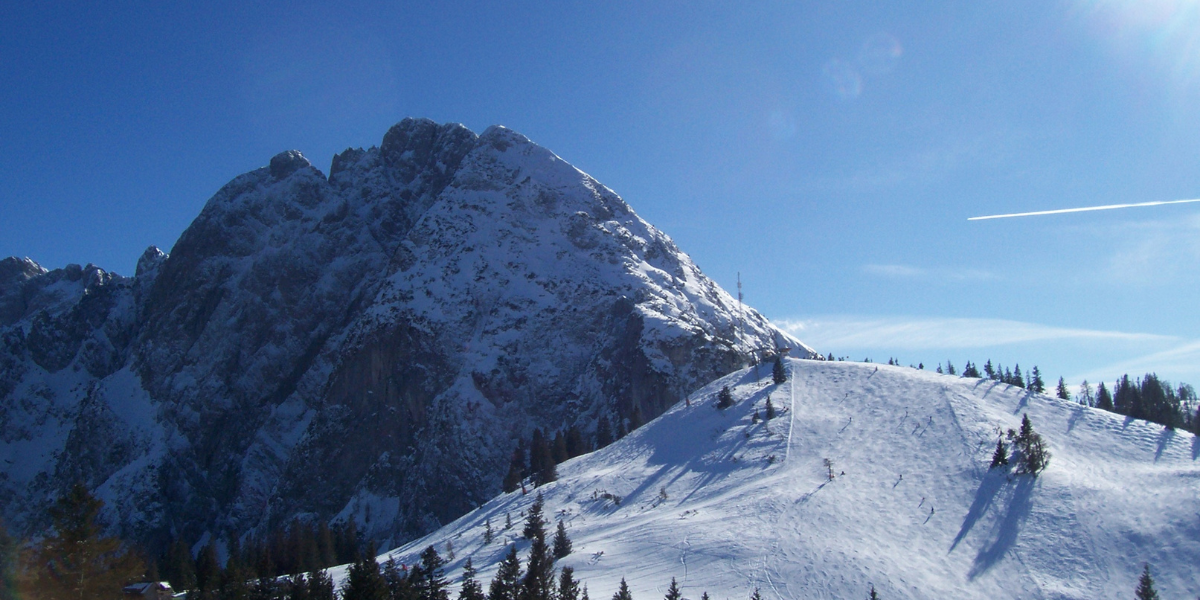
The quiet, picturesque valley of Gosau is undergoing a profound transformation as it prepares to host the Audi FIS Women’s Ski World Cup for the first time in its history. Scheduled for December 28–29, 2026, this landmark event marks a significant milestone for the Dachstein West region, positioning the resort as a new hub for technical alpine skiing. The two-day competition, featuring a giant slalom on Monday followed by a slalom on Tuesday, serves as a high-stakes debut that will place the Hornspitz slopes under the intense scrutiny of the international sporting community.
The selection of Gosau as a host venue is not merely a logistical adjustment to the calendar but a homecoming for elite women’s alpine racing in Upper Austria. The state, known as Oberösterreich, has not seen a women’s World Cup event since 1992. While the region previously hosted the men’s circuit in Hinterstoder in 2020, the return of the women’s tour represents a significant logistical achievement for the local organizing committee and Ski Austria.
A Strategic Shift in the World Cup Calendar
The integration of Gosau into the 2026-27 FIS World Cup calendar follows a series of strategic negotiations and venue assessments. Historically, the late-December technical races were synonymous with Lienz. However, when the opportunity arose to reconfigure the late-year schedule, FIS officials and Ski Austria identified Dachstein West as an ideal candidate due to its high-altitude technical terrain and the region’s capacity to handle the complex infrastructure requirements of a modern World Cup event.
In March 2026, FIS officially greenlit the inclusion of Gosau, signaling a shift in the traditional mid-season schedule. For the athletes, the transition to the Hornspitz track presents a fresh challenge. The course is designed to test technical precision, with the giant slalom and slalom events requiring a blend of rhythmic flow and aggressive edge-work. By mid-September, final course preparations were already in motion, involving a collaboration between snow-grooming specialists, safety experts, and slope architects to ensure the Hornspitz meets the exacting standards of the International Ski Federation.
Historical Context and the Long Wait for Return
To understand the significance of this event, one must look at the timeline of alpine racing in Upper Austria. The 34-year hiatus for women’s World Cup events in this specific province has been a point of contention for local sports enthusiasts. In the decades following the 1992 races, the focus of Austrian alpine skiing often drifted toward the traditional powerhouses in Tyrol and Vorarlberg.
The 2020 men’s event in Hinterstoder served as a vital proof-of-concept, demonstrating that the infrastructure in Upper Austria could sustain the logistical demands of a global broadcast and the arrival of thousands of spectators. However, the absence of women’s racing created a void that local officials were eager to fill. The successful bid for the 2026 dates is the culmination of years of lobbying by the Upper Austrian Ski Association, which sought to re-establish the province as a premier destination for both recreational skiing and professional competition.
Stakeholders and Organizational Synergy
In early September, the organizing committee convened a comprehensive briefing in Gosau. The gathering included a cross-section of stakeholders: representatives from the state government, local municipalities, emergency services, and corporate sponsors. The meeting was designed to synchronize the final operational phases, ranging from medical evacuation protocols and spectator management to the complex fiber-optic cabling required for international television broadcasts.
Upper Austria Governor Thomas Stelzer has been a vocal proponent of the event, framing it as a catalyst for regional development. "34 years is a long wait," Stelzer noted during the summit. His rhetoric underscores the emotional and political weight placed on the event. For the government, the World Cup is a shop window, an opportunity to demonstrate the technological and hospitality capabilities of the Dachstein West region to a global audience of millions.
Economic development is at the heart of the government’s investment in the event. Markus Achleitner, the Regional Minister for Economic Affairs and Sport, emphasized that the impact extends far beyond the finish line. The influx of teams, support staff, media personnel, and international fans is expected to provide a substantial boost to the local economy during the peak holiday season. Lodging, regional retail, and the service sector are expected to see a surge in demand, which the organizers hope will lead to a long-term increase in tourism revenue for the Salzkammergut region.
Technical Specifications and Race Logistics
The race schedule is set to follow a rigorous format designed for maximum visibility. Both the giant slalom on December 28 and the slalom on December 29 will maintain a consistent start time of 10:00 a.m. for the first run and 1:00 p.m. for the second.
The Hornspitz course itself is undergoing rigorous testing. Unlike the traditional, high-traffic circuits of the World Cup, the Gosau track provides a degree of unpredictability. Alpine specialists often emphasize that "new" venues can neutralize the advantage held by veteran racers who are intimately familiar with the nuances of older, established courses. This factor, combined with the mid-winter conditions typical of late December, suggests that the event could prove to be a significant equalizer in the season’s points standings.
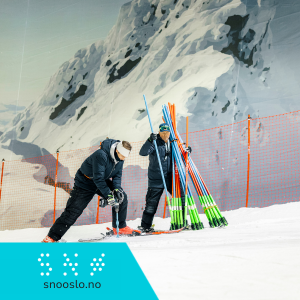
Safety and technical oversight are being managed by a team led by Rupert Schiefer, CEO of Dachstein Tourism AG. Schiefer has noted that the technical requirements for a slalom event in the modern era include sophisticated snow-injection systems to ensure a hard, consistent surface throughout the duration of the competition. Given the erratic nature of recent European winters, the organizers have invested in high-capacity snow-making infrastructure to mitigate the risk of adverse weather conditions.
Broader Implications for the Alpine World
The inclusion of Gosau in the World Cup calendar is a test case for regional diversification in professional skiing. As climate change continues to impact lower-altitude resorts, the ability of mountain regions to showcase resilience and technical infrastructure is increasingly important. If Gosau succeeds in hosting a seamless, high-profile event, it may pave the way for a more frequent rotation of venues, preventing the "stagnation" of the tour and encouraging investment in emerging ski destinations.
Furthermore, the social impact of the event on the local community cannot be overlooked. For the youth of the Salzkammergut region, the presence of the world’s elite female skiers serves as a powerful inspiration. The regional ski associations have already begun coordinating youth outreach programs, aiming to use the momentum of the World Cup to boost enrollment in local alpine training academies.
Looking Ahead: A New Chapter for Gosau
As the countdown to December 28 continues, the mood in Gosau remains one of cautious optimism. The transition from a quiet winter resort to a global sporting stage involves thousands of hours of volunteer labor and millions in private and public sector investment.
The success of the 2026 races will ultimately be judged by three metrics: the quality of the competition, the efficiency of the logistics, and the resulting economic stimulation for the region. While the athletes will focus on the technical challenges of the Hornspitz gates, the organizers will be focused on the broader mission: to prove that after more than three decades, Upper Austria is ready to hold its place on the international alpine circuit.
With official confirmation from FIS and the support of the Austrian Ski Association, all components are now in place. The infrastructure is being stress-tested, the hospitality sectors are preparing for maximum capacity, and the local population is readying for a spectacle that will, in many ways, redefine the profile of the Dachstein West region for the next generation of winter sports enthusiasts. The event promises to be a pivotal moment in the 2026-27 season, serving as a reminder that even the most established sports rely on the renewal and inclusion of new venues to maintain their vitality and relevance.

