
The 2025-26 winter season marks a monumental occasion for the Northwest Avalanche Center (NWAC) as it celebrates five decades of dedicated service to the Pacific Northwest. Established in 1975, NWAC has evolved from a fledgling initiative into a nationally recognized authority in science-based avalanche forecasting, vital community education, and an unwavering commitment to public safety in mountainous terrain. This extensive history chronicles the journey of NWAC, highlighting the visionary individuals, formidable challenges, and innovative spirit that have shaped one of the region’s most trusted sources for mountain weather and avalanche advisories.

The genesis of NWAC was rooted in a growing concern over avalanche fatalities in the western United States. During the 1970s, a surge in winter recreation—from skiing and snowboarding to snowmobiling and winter hiking—coincided with an alarming increase in avalanche-related deaths. National statistics revealed a disturbing trend: avalanche fatalities in the western U.S. more than doubled, climbing from an average of seven per year to over twenty. While avalanche control programs and safety education efforts were gradually expanding, the sheer increase in public exposure to avalanche-prone areas outpaced these protective measures.
Prior to NWAC’s formal establishment, the need for avalanche information was met with informal, ad-hoc warnings. Paul Frankenstein of the Forest Service’s Snoqualmie National Forest and Frank "Bud" Reanier of the National Weather Service (NWS) in Seattle recognized the danger and began issuing rudimentary avalanche warnings during periods of particularly hazardous conditions. However, a systematic and consistent forecasting system was conspicuously absent. A significant early step toward real-time information dissemination came in the early 1970s when Ken White, also with the Forest Service, launched the first avalanche hotline in the Northwest: 442-SNOW. This pioneering service primarily served the Snoqualmie Pass area, providing a crucial, albeit limited, channel for avalanche hazard information.
The formal foundation of NWAC was laid in the mid-1970s through a collaborative effort involving the Snoqualmie National Forest, Mount Rainier National Park, and the Seattle office of the National Weather Service. Central to this initiative were researchers from the University of Washington, notably the esteemed snow scientist Ed LaChapelle, alongside his graduate students Mark Moore and Rich Marriott. Their primary objective was to develop a practical avalanche forecasting program specifically designed to aid highway operations, particularly along the critical I-90 corridor and the newly opened North Cascades Highway. These routes were not only vital arteries for regional transportation but were also notoriously vulnerable to the destructive power of avalanches.
December 6, 1975, marked a pivotal moment in mountain safety history. On this date, NWAC issued its first official backcountry avalanche forecast, positioning it as the second program of its kind in the United States, following Colorado’s Avalanche Information Center (CAIC), which had begun operations in 1973. The initial efforts were largely shouldered by graduate students Rich Marriott and Mark Moore, who, under the guidance of Ed LaChapelle and Bud Reanier, were instrumental in issuing forecasts, developing essential instrumentation, and fostering collaboration with various local and federal agencies.
The late 1970s and 1980s saw NWAC solidify its operational framework. In 1978, a formal cooperative agreement was established between the Forest Service, National Weather Service, Washington State Department of Transportation (WSDOT), and the National Park Service. This agreement, strongly championed by Roland "Em" Emetaz of the Forest Service, facilitated cost-sharing and formally integrated NWAC’s administration under the Forest Service’s Pacific Northwest Regional Office. During these formative years, NWAC operated with a lean but dedicated team, often characterized by its resourcefulness and hands-on approach.
The original NWAC team, operating through the 70s and 80s, comprised a core group of individuals whose dedication laid the groundwork for the center’s enduring success. Mark Moore, who would go on to lead NWAC for his entire career until his retirement in 2012, was a driving force from its inception. Rich Marriott, after his foundational work at NWAC, embarked on a successful career in broadcast meteorology, becoming a familiar face to many in the Puget Sound region through his decades-long tenure at KING 5 News. Other key figures who left significant impressions included Pam Speers Hays and Sue Ferguson.
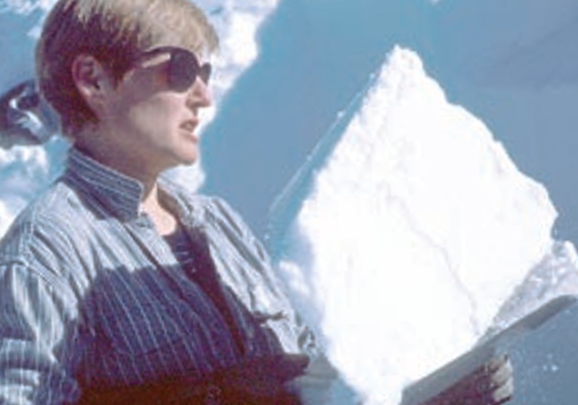
Sue Ferguson, in particular, was an influential figure in snow science and avalanche safety. Holding a BS in Physics from the University of Massachusetts and a PhD in Geophysics and Atmospheric Sciences from the University of Washington, where she was mentored by Ed LaChapelle, Ferguson brought a rigorous scientific background to NWAC. She served as the Director of the Utah Avalanche Center from 1984 to 1986 before joining NWAC as an avalanche meteorologist from 1986 to 1992. Her contributions extended beyond forecasting; she published instructional books on glaciers and avalanches, played a pivotal role in founding The Avalanche Review, and was instrumental in the establishment of the American Avalanche Association. Tragically, Sue lost a battle with cancer in 2005, but her legacy continues to inspire. Mark Moore’s tribute to her in April 2006 eloquently described her as "precocious and a quick learner" with a "great ability to gain a broad and reasoned perspective on whatever task she took upon herself to discover."
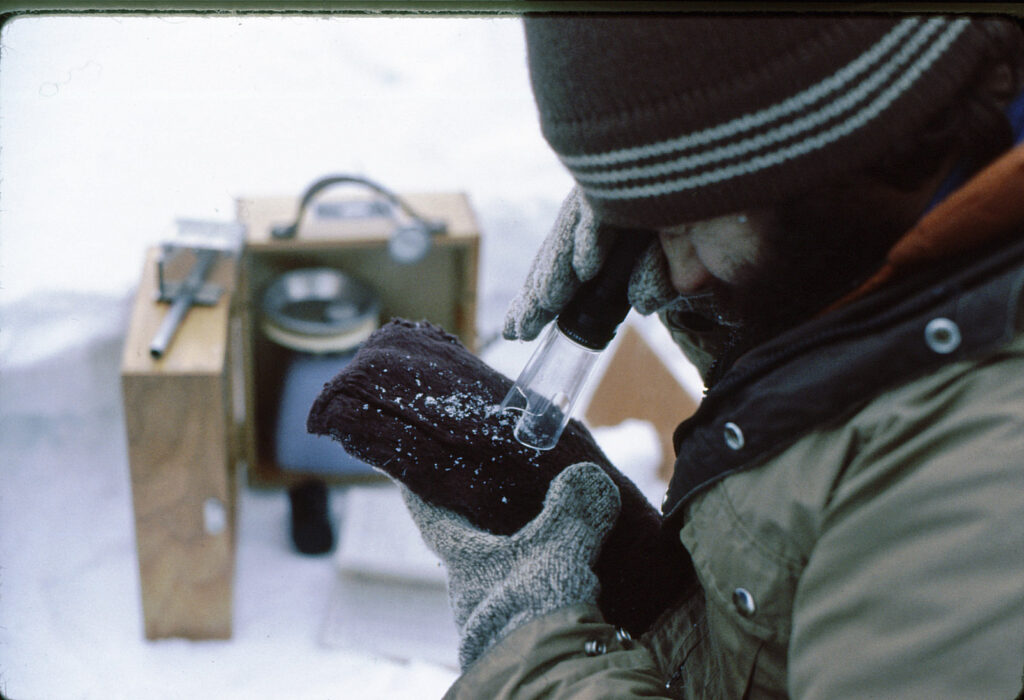
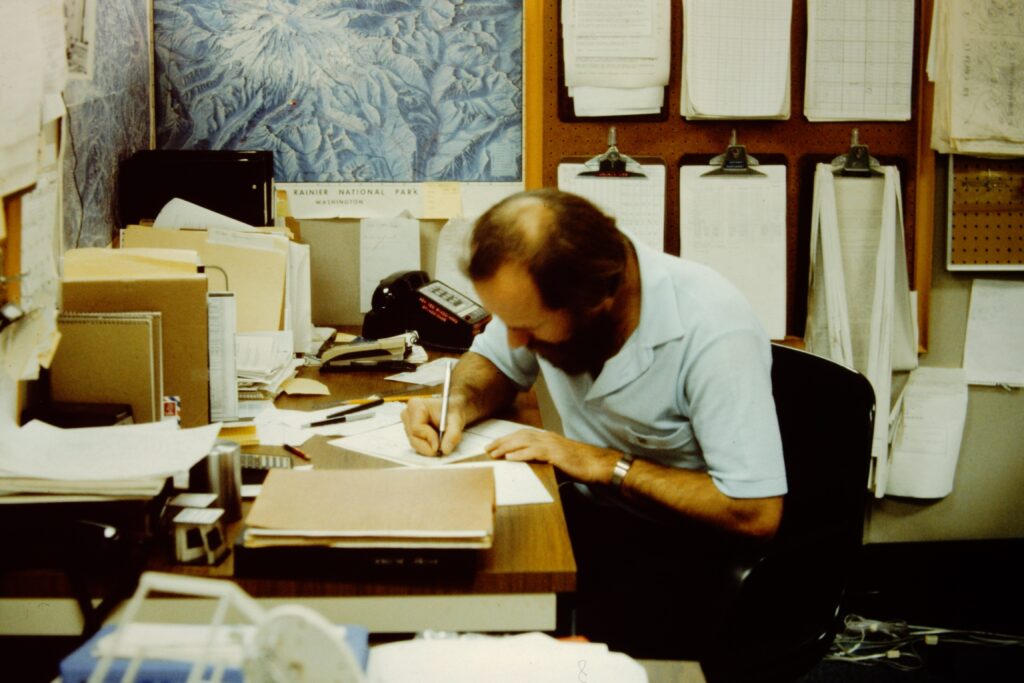
Beyond the forecasters, the contributions of Phil Taylor, a local Seattle engineer, were indispensable. Taylor, who met Mark and Rich at the University of Washington in the 1970s, dedicated himself to developing, testing, and building specialized weather instruments. Many of the wind instruments, snow boards, and other mountain weather measuring equipment still utilized by NWAC today owe their origins to his ingenuity. Taylor’s instruments are deployed not only throughout the Cascades but also on remote peaks facing the most extreme weather conditions. His commitment involved countless hours spent in the field with NWAC and other snow professionals, as well as in his basement workshop, creating equipment designed to withstand the harsh Pacific Northwest environment. Andy Harrington, a current NWAC Avalanche Forecaster, noted in a tribute to Taylor that his contributions "to our industry are overlooked would be an understatement." Harrington emphasized Taylor’s role in providing "tools and guidance… that helps us all perform our jobs better" and enabling a deeper understanding of factors contributing to avalanches.
The early days of NWAC were characterized by innovation born out of necessity, operating on a shoestring budget. Without access to modern technology, NWAC staff were often tasked with the hands-on creation and repair of their own weather instruments. Mark Moore recalled the logistical challenges, such as leasing a dedicated phone line between Seattle and Stevens Pass to ensure constant data flow. A rudimentary modem was used to decode weather data transmitted via telephone lines, often from remote locations like chairlifts, back to the NWAC office. When equipment inevitably failed, the solutions were as creative as they were resourceful. Reports indicate that common fixes included employing chewing gum to secure loose components and even utilizing beer cans as makeshift parts in critical situations, underscoring the team’s ingenuity and dedication in overcoming technical limitations.
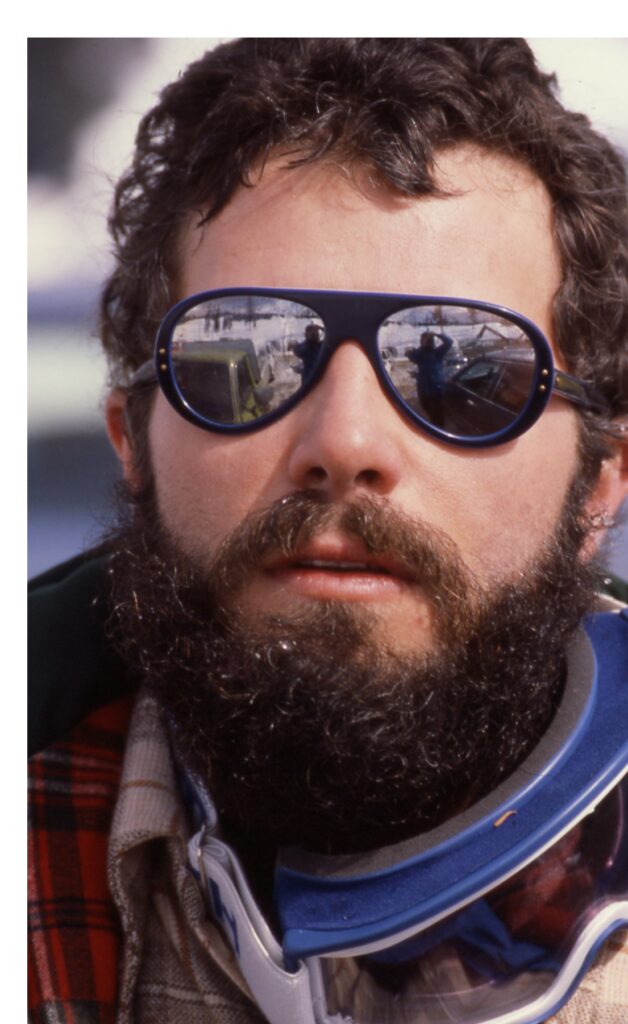
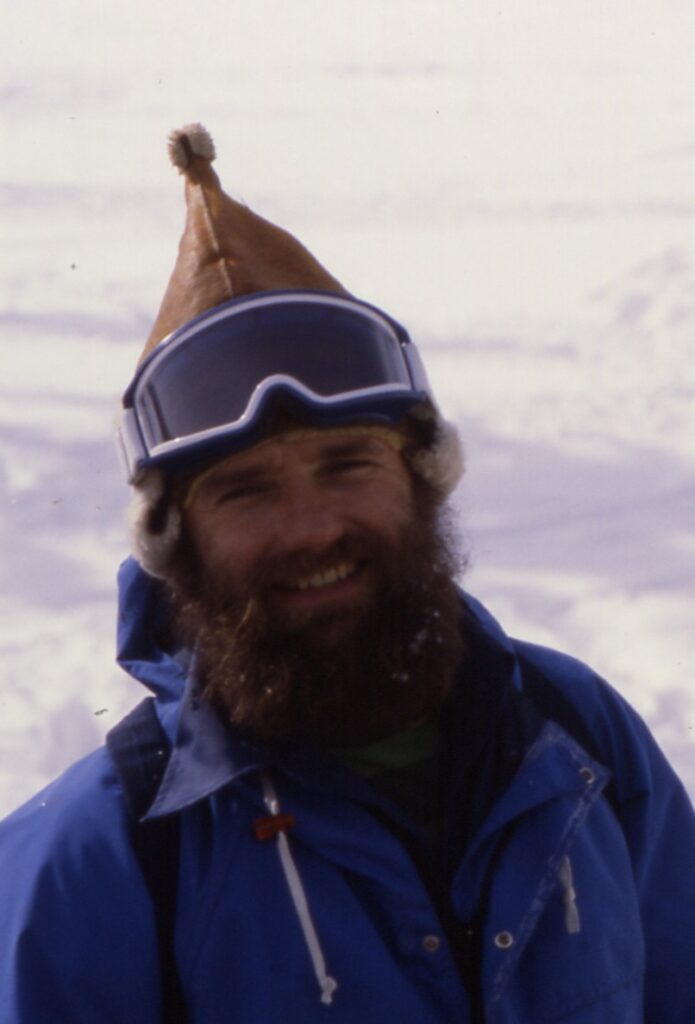
The integration of NWAC with the Seattle National Weather Service office in 1978 was not without its initial challenges. Rich Marriott humorously recounted the early reception, noting that "The forecasters didn’t like us." He described Mark and himself as appearing "like we had just come out of the backcountry after two years—huge hair, huge beards. They wanted to have us deloused." Despite the initial skepticism, the quality of NWAC’s mountain observations and the expanding data network gradually proved their immense value. Even the most resistant NWS forecasters came to appreciate the program’s contributions. A significant factor in this acceptance was the support of Bud Reanier, then Deputy Meteorologist-in-Charge at NWS Seattle, who recognized the program’s potential and facilitated NWAC’s integration into the broader forecasting community.
The 1990s and 2000s witnessed a period of expansion and professionalization for NWAC. For decades, the center operated with a core team of just three forecasters, who diligently refined forecasting methodologies and systematically expanded the mountain weather station network. A crucial development in 1999 was the establishment of the nonprofit Friends of the Northwest Weather and Avalanche Center. This organization was founded to bolster the center’s growing public education initiatives and fundraising efforts. Ultimately, this community-driven nonprofit would merge with the Forest Service’s NWAC operations, creating a unified organizational structure.
During this era, Mark Moore continued his leadership, joined by two long-serving forecasters who became the backbone of NWAC for nearly three decades: Kenny Kramer (1989-2019) and Garth Ferber (1993-2016). Garth Ferber, known for his calm demeanor whether forecasting or traversing mountains, took a lead role in advancing NWAC’s weather station program. His mentorship of newer forecasters extended well beyond his retirement. Kenny Kramer, who became NWAC’s Forecast Director in 2013, possessed renowned forecasting expertise, though he also harbored a passion for surfing and tropical locales. Kenny, alongside Scott Schell, the Non-Profit Executive Director, and Dennis D’Amico, NWAC’s current Forecast Director, played a crucial role in navigating NWAC’s transition and expansion during the 2010s, a period marked by a significant surge in backcountry use and rapid technological advancements. Simon Trautman, now the Director of the National Avalanche Center, also contributed to laying this groundwork.
In 2013, NWAC further expanded its operational capacity by introducing a field-based professional observer program, which initially comprised six individuals, including Dallas Glass, NWAC’s current Forecast Deputy Director. The subsequent years, from 2017 onwards, saw consistent growth in NWAC’s field and community-based forecaster network. The team grew from its historical baseline of three meteorologists to a total of eleven forecasters, strategically positioned across key areas from Bellingham to Hood River and Seattle to Leavenworth, enhancing the granularity and reach of avalanche advisories.
Today, NWAC operates as a sophisticated and impactful organization. Its current structure includes 11 full-time forecasters, 12 part-time forecasters, and a dedicated team of administrative and outreach staff. The center manages an extensive network of over 250 remote weather stations and receives valuable observational data from a network of over 300 trained volunteer observers. This vast data collection system supports the issuance of more than 1,300 forecasts annually, covering numerous mountain zones across the Pacific Northwest. NWAC’s public education efforts reach thousands of backcountry users each year through courses, presentations, and online resources, fostering a culture of safety and informed decision-making.
The organization’s success and longevity are underpinned by strong support from long-standing partners, including the U.S. Forest Service, National Weather Service, WSDOT, National Park Service, Bureau of Land Management, Washington State Parks, and numerous ski resorts and conservation groups. These collaborations are vital for data sharing, operational support, and the continued advancement of avalanche safety initiatives.
Looking toward the future, NWAC remains committed to innovation, a principle that has guided its operations since its inception. The journey from rudimentary fixes in the field to advanced technological modeling and widespread smartphone accessibility for forecasts demonstrates this continuous evolution. NWAC has transitioned from a two-person operation issuing rudimentary forecasts to a comprehensive center that provides over 1,300 forecasts annually, educates thousands of backcountry enthusiasts, and has garnered millions of dollars in community support over its history. As recreational use of the backcountry continues to expand, NWAC’s mission to provide critical safety information becomes increasingly vital.
NWAC is a profound reflection of the Pacific Northwest community itself—characterized by resilience, resourcefulness, and a deep-seated commitment to mutual safety. As the center celebrates its golden anniversary, it pays homage to the individuals who meticulously built this program, the enduring partnerships that sustained it, and the public whose trust and engagement have been paramount.
With an eye toward the next fifty years, NWAC remains steadfast in its foundational belief: informed recreation saves lives. Whether individuals are embarking on backcountry ski tours, navigating snow-covered highways, or actively teaching avalanche safety, they are integral to NWAC’s ongoing narrative. The organization expresses pride in its rich past, profound gratitude for the ongoing support it receives, and palpable excitement for the decades of service that lie ahead.

