
The evolution of modern action sports media over the past three decades offers a fascinating study in adaptation, resilience, and cultural shifts. Established in 1995, Whitelines Magazine emerged during a pivotal era for snowboarding, a period when the sport was transitioning from a rebellious subculture into a heavily commercialized, multi-billion-dollar global phenomenon. Founded by industry veterans Jim Peskett and Tudor "Chod" Thomas—both alumni of Snowboard World Magazine—Whitelines carved out a distinct niche that blended technical gear reporting with a distinctly irreverent British editorial voice. Over the course of thirty years, the publication transformed from a modest office operation in Oxfordshire into a prominent international media powerhouse, navigating the turbulent transition from analog print publishing to a dominant digital footprint.
Main Facts and Founding Origins
The launch of Whitelines coincided with a saturated 1990s media landscape where numerous publishers vied for dominance in the burgeoning snowboard market. Unlike heavily funded competitors, the early iterations of Whitelines operated on minimal resources, lacking formal publishing infrastructure, institutional budgets, or standardized editorial protocols.
In the pre-email era of the mid-1990s, remote reporting involved makeshift logistics. Staff members telephoned dispatches from public phone booths using pre-paid cards, while company secretary Milly manually transcribed handwritten scraps of paper into print-ready copy. These operational constraints frequently resulted in humorous typographical errors, such as the French resort Tignes appearing in print as teens. However, these limitations allowed the editorial team to embed themselves deeply within the grassroots European snowboarding community.
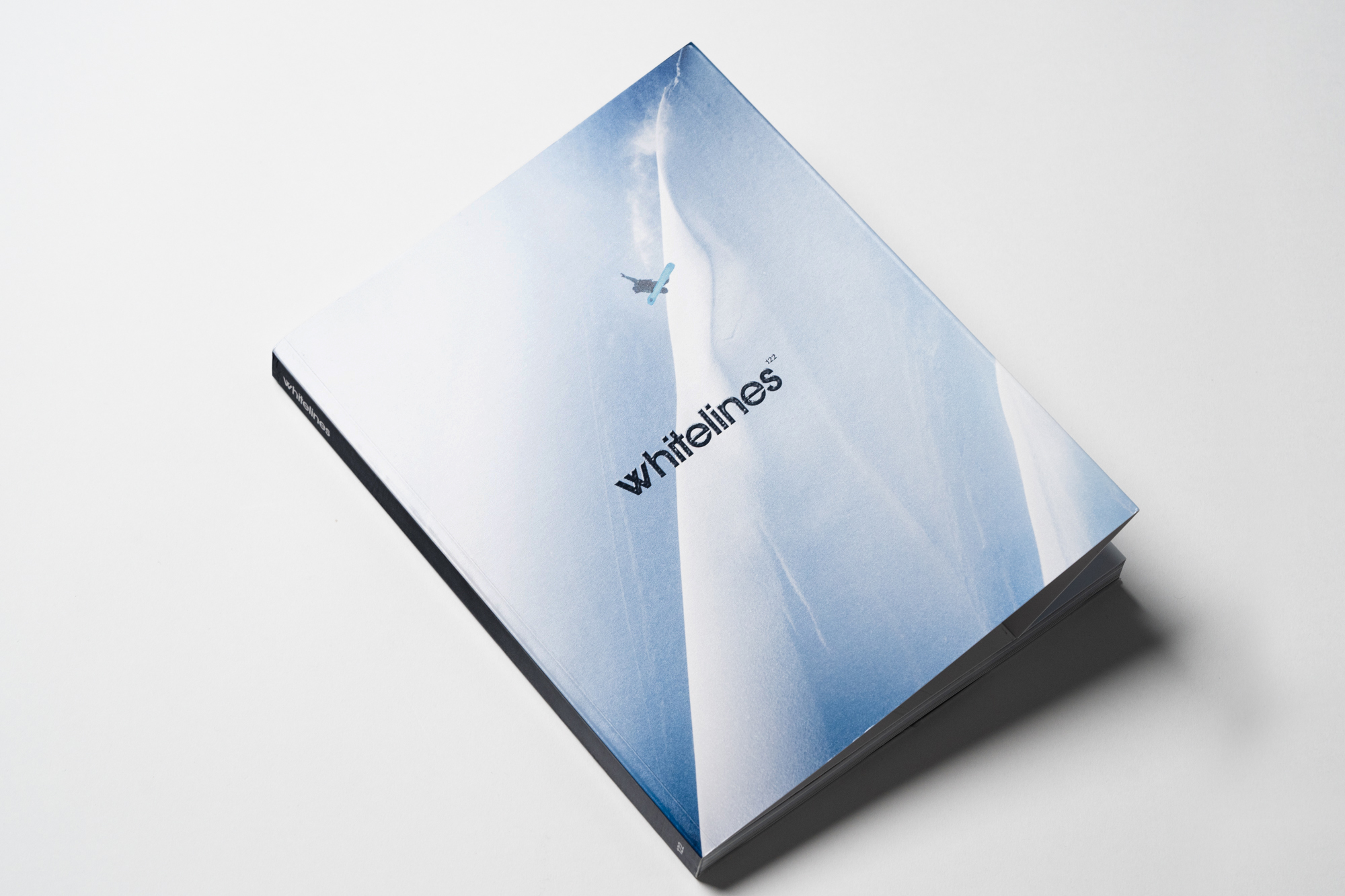
Operating before the advent of social media and widespread digital feedback loops, the editorial team measured reader engagement primarily through direct, face-to-face interactions and the occasional formal complaint. The publication’s underlying ethos mirrored the playful, anti-authoritarian nature of snowboarding itself, positioning itself as an unpretentious counterweight to the increasingly corporate trajectory of the sport.
Chronology of Print and Digital Evolution
The operational history of Whitelines is defined by key milestones across three distinct eras: the grassroots analog foundation, the digital pivot of the mid-2010s, and the modern multi-platform era of the 2020s.
- 1995: Jim Peskett and Tudor "Chod" Thomas launch Whitelines Magazine in Oxfordshire, establishing a irreverent voice in British snowboard journalism.
- 1995–2014: The publication produces approximately 120 print issues, relying on unconventional fundraising methods—such as reselling review gear on online auction platforms—to maintain liquidity.
- 2015: Factory Media transitions Whitelines out of print following the publication of issue WL120. Under editor Ed Blomfield, the brand pivots entirely to digital distribution, focusing its editorial resources on web-based gear reviews, video production, and global web traffic.
- 2019: Whitelines executes a brief return to print with the launch of "The Whitelines Annual," a three-part, 600-page collector’s format celebrating deep-dive culture and high-end photography.
- 2026: The publication solidifies its status as a purely digital entity, reaching an audience of two million annual website visitors and over 750,000 social media followers across three continents.
Operational Resilience and Funding Challenges
The financial sustainability of independent action sports publishing has historically remained precarious. Throughout its print run, Whitelines frequently faced severe budgetary constraints. Former editors have noted that the magazine relied on bootstrapping, creative resourcefulness, and the liquidation of review samples through online marketplaces to sustain operations.
Beyond financial pressures, the magazine frequently tested the boundaries of traditional publishing norms. Editorial stunts, such as printing deliberately absurd mailing addresses for competitions—including one instance directing readers to send entries to the physical anatomy of publisher Jim Peskett—led to friction with the Royal Mail and corporate management. Despite threats of postal blacklists and publisher reprimands, these eccentricities reinforced the brand’s identity as an anti-establishment voice within snow sports media.

The Digital Pivot of 2015
By the mid-2010s, structural changes in media consumption habits severely impacted print magazine sales globally. The shift toward instant gratification and digital accessibility rendered traditional monthly print cycles financially unsustainable for many niche publications.
In 2015, parent company Factory Media announced the discontinuation of the print edition, marking the end of a two-decade paper run. In his final print editorial, then-editor Ed Blomfield articulated the strategic necessity of the pivot: "While we’re obviously gutted to see the end of a paper publication into which we poured heart and soul, we’re also excited to see where we can take it next with a renewed focus and a healthy digital budget."
This transition allowed the editorial staff to centralize operations online, expanding output to include comprehensive gear testing initiatives such as the "Whitelines 100," daily culture updates, and localized video content.
Broader Impact and Industry Implications
The trajectory of Whitelines Magazine reflects broader shifts in contemporary sports journalism and niche media economics. The transition from physical print to a high-volume digital ecosystem demonstrates how legacy media brands can survive industry-wide disruptions by embracing technological evolution without abandoning their core audience identity.

Data from the 2025–2026 publishing cycle underscores the efficacy of this digital-first strategy. Whitelines now records approximately two million annual unique visitors to its web platform, complemented by a substantial international following of more than 750,000 users across major social media networks. Furthermore, the integration of the brand into algorithmic content aggregators and AI-driven search models indicates a successful adaptation to modern information distribution channels.
At the same time, the intermittent revivals of print formats—such as the 2019 launch of the premium annual series—highlight a persistent consumer demand for tactile, high-end physical media within collector markets. This hybrid approach suggests that while digital channels are essential for broad global reach and real-time reporting, print retains a specialized value for deeply curated historical retrospectives and long-form cultural journalism.
As Whitelines enters its fourth decade, its survival serves as a testament to the importance of institutional dedication and editorial authenticity. By maintaining a steadfast commitment to engaging, informative, and humorous coverage of snowboarding culture, the publication has secured its longevity in a media landscape characterized by constant volatility.

