
The evolution of modern action sports media over the past three decades offers a fascinating study in adaptation, resilience, and cultural shifts. Established in 1995, Whitelines Snowboarding Magazine emerged during a pivotal era when snowboarding was transitioning from a rebellious counterculture pursuit into a multi-million-dollar global industry characterized by mainstream corporate sponsorship and Olympic inclusion. Founded by Jim Peskett and Tudor “Chod” Thomas—both alumni of Snowboard World Magazine—Whitelines positioned itself as a uniquely irreverent, deeply authentic British publication. Operating originally from an office in Oxfordshire, the founders cultivated a tone that rejected sterile corporate messaging in favor of raw storytelling, chaotic travel journalism, and a distinctly irreverent editorial voice. Over the subsequent thirty years, the publication transformed from a modest fanzine into an international digital powerhouse, navigating the turbulent transition from print media to the modern digital landscape.
The Origins and Early Print Era (1995–2015)
The mid-1990s media landscape was heavily saturated with action sports publications vying for the attention of a rapidly expanding youth demographic. In this crowded environment, Whitelines distinguished itself through an acute lack of traditional publishing infrastructure, financial capital, and adherence to corporate publishing standards. Former editor and contributor Chris Moran has frequently characterized the early operational model as defined by institutional improvisation. Lacking modern digital communication tools during its inception, articles were frequently dictated over public telephone services using pre-paid cards, with company secretaries transcribing handwritten notes phoned in from remote European snowboarding destinations. This operational friction inadvertently benefited the publication, as its production methods allowed staff to remain physically immersed within the grassroots European snowboarding community.
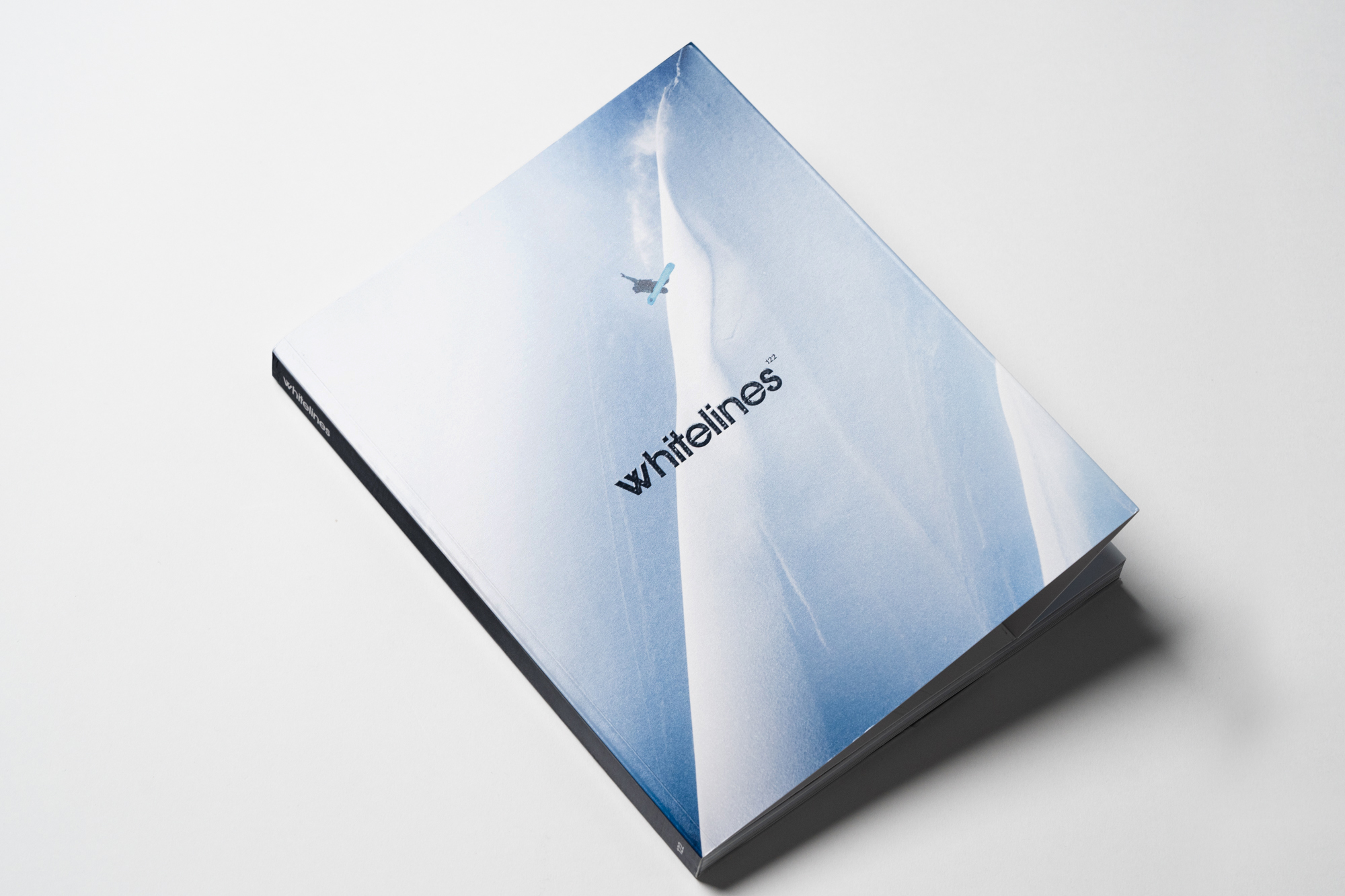
Editorial independence was matched by an anarchic internal culture. The magazine’s design and editorial direction embraced dark humor, satirical fictional spin-offs—such as imaginary magazine titles featured on the spine of the publication—and a notoriously chaotic travel culture. Staff members routinely engaged in disruptive pranks during international press trips, while reader engagement strategies frequently courted institutional friction. Competitions hosted within the magazine directed participants to send entries to intentionally absurd addresses, occasionally straining relations with the United Kingdom postal service. Despite these unconventional methods, or perhaps because of them, Whitelines built a fiercely loyal readership that resonated with its refusal to take the burgeoning commercial snowboarding industry seriously.
The Digital Pivot and the Demise of Print
As the 2010s progressed, traditional print media faced severe economic headwinds driven by shifting consumer habits, instantaneous digital consumption, and the collapse of traditional newsstand distribution models. By 2015, the structural viability of print snowboarding magazines had reached a critical juncture. Factory Media, the parent company at the time, proposed a strategic reallocation of resources, leading to the official cessation of the print edition with issue WL120.
Editor Ed Blomfield announced the transition in 2015, framing it as a necessary evolution to secure the brand’s long-term survival. The discontinuation of the paper publication allowed the editorial team to redirect its focus toward digital infrastructure, enhancing online gear reviews, instructional content, and video production. While the transition marked the end of an era for a physical product that had defined the brand for two decades, the strategic pivot successfully prevented Whitelines from suffering the fate of numerous print-exclusive competitors that failed to adapt to the internet age. Freed from the logistical and financial constraints of paper distribution, the platform expanded its global footprint, transforming from a predominantly UK-centric publication into an internationally recognized digital authority.

The Resurgence of Print and the Modern Digital Landscape
Despite its definitive shift toward digital media, the brand demonstrated an enduring affinity for print culture. In 2019, following a four-year hiatus from physical publishing, Whitelines reintroduced a limited print format titled The Whitelines Annual. Spanning three distinct editions and over 600 pages of long-form journalism, high-end photography, and comprehensive athlete interviews, the brief return underscored the persistent demand among collectors and enthusiasts for tangible media objects within a hyper-digitized world. However, this print resurgence was short-lived, and by 2026, Whitelines consolidated its operations firmly within the digital domain.
Current operational metrics reflect the profound scale of this digital transition. The platform currently engages an audience spanning three continents, recording approximately two million website visitors annually alongside a social media following exceeding 750,000 users. Editorial strategy under the modern digital framework continues to prioritize comprehensive equipment testing—epitomized by industry benchmarks like the Whitelines 100—alongside in-depth industry interviews, cultural commentary, and on-the-ground event coverage.
Implications and Industry Significance

The thirty-year trajectory of Whitelines Snowboarding Magazine provides a clear case study in media survival within the specialized sports publishing sector. By successfully navigating the technological chasm between pre-internet fanzines and contemporary algorithmic content distribution, the publication demonstrated that core editorial values can outlast specific mediums. While the economics of print media remain challenging, the brand’s ability to maintain high engagement figures across digital platforms while preserving its foundational irreverence highlights a viable blueprint for niche special-interest journalism. As the media landscape continues to evolve alongside artificial intelligence and rapid content delivery systems, the endurance of Whitelines illustrates that authenticity, specialized expertise, and a deep connection to community remain the primary drivers of long-term brand equity in action sports.

