
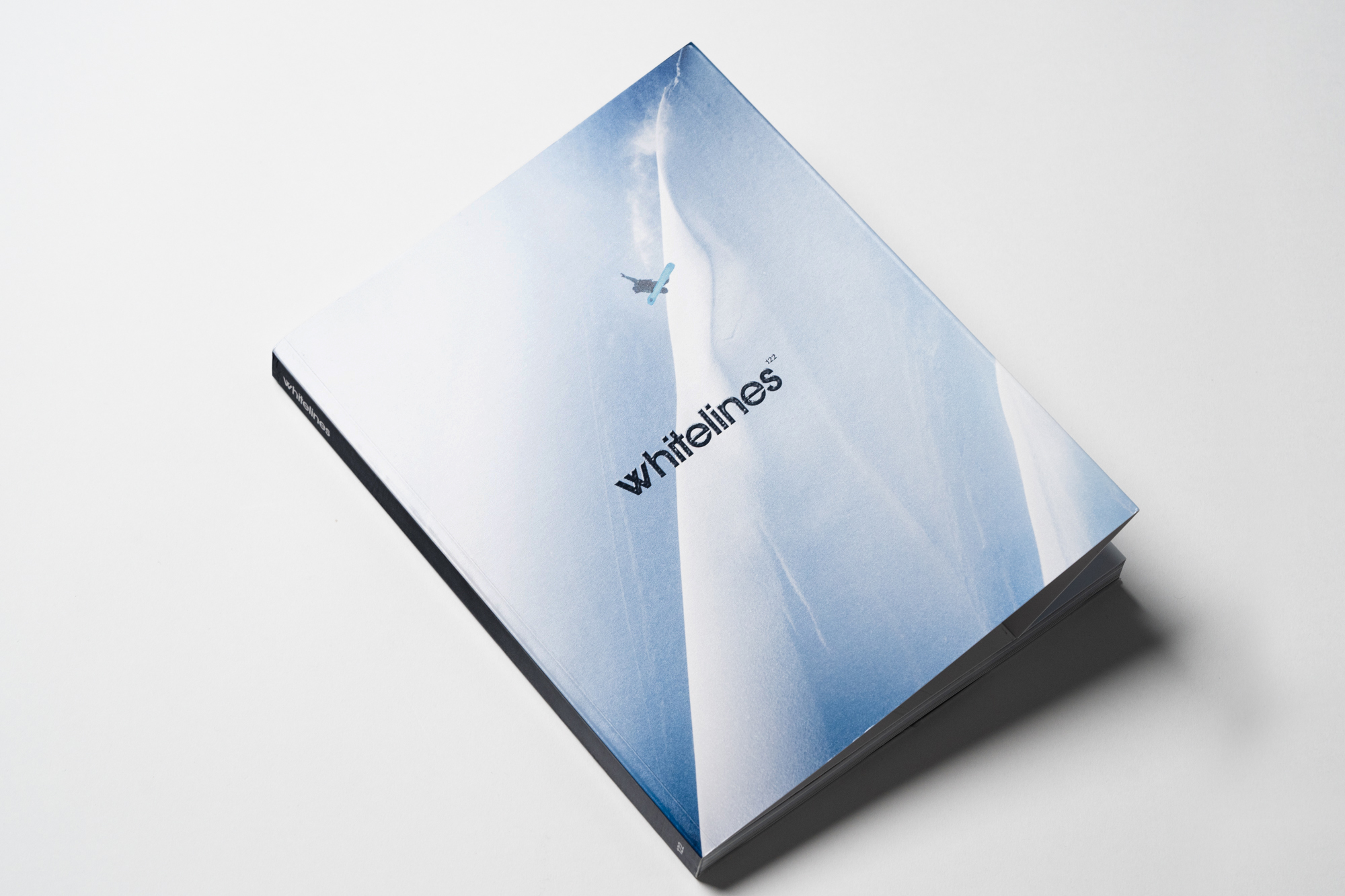
Whitelines Magazine, a publication synonymous with the irreverent spirit of snowboarding, marks its 30th anniversary, commemorating three decades of chronicling the sport’s evolution from a nascent subculture to a global phenomenon. What began in 1995 as a "debaucherously British snowboarding fanzine" has navigated the tumultuous waters of media transformation, print decline, and digital revolution to emerge as a significant voice in action sports journalism. Its journey, characterized by a distinct blend of humor, authenticity, and unwavering passion for snowboarding, offers a compelling case study in brand longevity and adaptive resilience within a niche market.
The Genesis of Gnar: Forging an Identity in the 90s Snowboarding Boom
The mid-1990s represented a pivotal era for snowboarding. Having shed its counter-culture fringes, the sport was rapidly gaining mainstream traction, attracting corporate sponsorships, entering major competitions, and experiencing exponential growth in participant numbers. This burgeoning scene, rich with fresh talent and vibrant energy, created a fertile ground for specialized media. It was into this dynamic environment that Jim Peskett and Tudor "Chod" Thomas, both veterans of Snowboard World Magazine, launched Whitelines. Their vision was not to produce another polished, corporate-friendly publication, but rather an unfiltered, unpretentious reflection of the authentic rider experience.
Chris Moran, a former editor and cover star, succinctly captures the magazine’s initial ethos, imagining a biopic pitch: "Idiots try to put a mirror up to the burgeoning 1990s snowboard scene, but accidentally turn it on themselves instead. Blinded by the glare of their own stupidity, they head out on the kind of travel adventures where someone has to climb into a board bag that’s strapped to the roof rack because they’ve forgotten their passport." This anecdote encapsulates the raw, chaotic energy that defined Whitelines from its inception. Unlike many competitors vying for market share with glossy production and aspirational imagery, Whitelines embraced its perceived shortcomings as strengths. Moran recalls, "We had no budget, no real understanding of how to make a magazine, and no idea of things like spelling, storytelling or basic decency. Those concepts definitely worked really well in our favour."
The early production methods were a testament to their shoestring operation and dedication. Predating widespread email, articles were often dictated over pre-paid phone cards from remote locations to Milly, the company secretary, who would type them out. This process, while contributing to charming spelling errors like "Tignes" appearing as "teens," kept the staff embedded within the heart of the snowboard scene, fostering an unparalleled sense of immediacy and connection. Crucially, in a pre-social media era, reader feedback was largely limited to face-to-face interactions or letters, granting the nascent publication a degree of creative freedom that might be unthinkable today. As Moran puts it, "Pre-social media, we were all just screaming at the moon. Who knew what others thought of what we did? I mean, face-to-face feedback was always good, and as long as we annoyed our publisher Jim, we just thought things were going well!" This autonomy allowed Whitelines to cultivate a truly distinctive voice, one that prioritised genuine stoke and irreverent humor over polished professionalism.
Anarchy, Authenticity, and Anti-Establishment: The Whitelines Brand Identity
Whitelines quickly carved out a niche by championing the decidedly unserious nature of snowboarding. While other publications might have focused on elite competition or technical prowess, Whitelines celebrated the "cool people doing cool shit strapped onto planks of wood and letting gravity do the heavy lifting." This approach resonated deeply with a generation of snowboarders who valued camaraderie, adventure, and rebellion over corporate polish. The magazine’s commitment to embodying the "beer-chugging, weed-smoking, authority-flaunting" persona between its gloss pages became its hallmark.
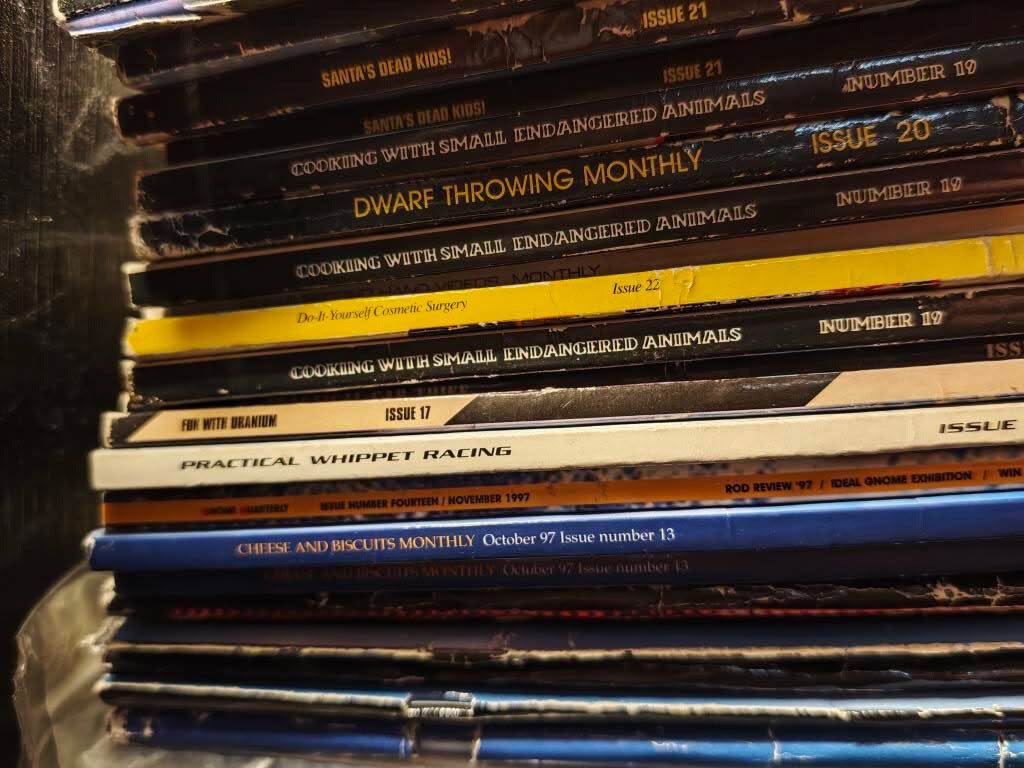
A standout feature of Whitelines’ early print editions was its deliberately misleading and often hilarious spine titles. Conceived by designer-in-chief Tudor "Chod" Thomas, these titles—such as "Dwarf Throwing Monthly," "Working With Endangered Animals Weekly," or "Neck Brace Monthly: The Skyscraper Issue"—were a mischievous subversion of traditional publishing norms. They transformed the magazine from a mere publication into a playful object, a conversation starter, and a subtle nod to the insider humor shared by its readership. These acts of playful rebellion were not just aesthetic choices; they were integral to the brand’s identity as a "conquistador of chaos."
This spirit extended beyond the printed page into the real-world adventures of the staff. Anecdotes, such as the infamous incident in an Austrian hotel where a stolen accordion led to a tug-of-war and a taxidermied marmot was "fully shaved" by Russ Ward, leaving only a "Lemmy-style goatee," underscore the wild, uninhibited culture that Whitelines fostered. These stories, which "would make Led Zep blush," cemented the magazine’s reputation for living the lifestyle it espoused, blurring the lines between reporting and actively participating in the scene’s debauchery.
The magazine’s anti-establishment stance was perhaps most famously exemplified by its audacious competition entry addresses. Deliberately provocative phrases like "send your entries to ‘the crack in the arse cheeks of Jim Peskett, 1 Stert Street, Abingdon’" were a regular feature. While endlessly amusing to readers, these stunts often drew the ire of the UK postal service and the exasperated publisher, Jim Peskett, who reportedly pleaded with the staff, fearing his entire publishing business would be blacklisted. This defiance, even in the face of logistical and commercial threats, reinforced Whitelines’ commitment to its irreverent voice, earning it a devoted, if mischievous, following. The infamous letter from a mother banning her son from reading the magazine, which Whitelines responded to by granting the son a lifetime subscription and awarding the letter "letter of the month," perfectly illustrates their unapologetic and community-focused approach.
Navigating the Digital Tsunami: The Mid-2010s Media Pivot
By the mid-2010s, the media landscape had undergone a seismic shift. The rise of the internet, coupled with rapid advancements in digital technology, fundamentally altered how consumers accessed and consumed content. Print media, once the primary conduit for niche sports communities, faced an existential crisis. Advertising revenues plummeted, circulation numbers dwindled, and shelves once brimming with magazines became increasingly sparse. According to industry reports from that era, many specialty magazine categories saw double-digit percentage declines in print advertising revenue year-on-year, while digital platforms surged.
Whitelines, like many publications, confronted this challenging reality. In 2015, after two decades of print editions, the decision was made to cease physical publication with WL120 serving as the final issue. This strategic pivot was announced online, a poignant symbol of the changing times. Ed Blomfield, the editor at the time, articulated the decision with candor: "Factory Media’s proposal to sacrifice print frees up the editorial staff to channel all that passion and energy into their websites, including this one… But with the good ship WL celebrating its 20th anniversary this year, we’re also excited to see where – with a renewed focus and a healthy budget – we can take it next."
The transition was not merely a surrender to digital trends but a calculated move to harness the opportunities presented by the new media environment. Blomfield’s statement promised "a slicker website delivering more unique video, more gear reviews, more how-tos, more travel… more of all the things you enjoy." The move acknowledged that "original, high-quality content is the order of the day," and crucially, that the audience had migrated online. The analogy of "steak tartare" (print) versus "Big Macs" (digital) used in the original article, while informal, captured the essence of the shift: a move from a curated, infrequent experience to a continuous, accessible "24-hour buffet" of content. This allowed for instant gratification and broader access, democratizing snowboarding media in a way print never could.
The digital revolution enabled Whitelines to significantly expand its reach and content offerings. The highly regarded "Whitelines 100" gear guide, a benchmark for seasonal product reviews, found new life and greater accessibility online. Freed from the constraints of print production cycles, the editorial team could produce more timely news, in-depth features, and dynamic video content. This renewed focus transformed Whitelines from a predominantly UK-centric publication into a truly global media entity, engaging a worldwide audience eager for continuous snowboarding content.
Resilience and Reinvention: The Enduring Whitelines Legacy
The journey of Whitelines has been one marked by remarkable resilience. In the notoriously capricious world of media, publications often succumb to financial pressures, market shifts, or simply a lack of passion. Whitelines, however, has consistently defied expectations, earning it the moniker of "the cockroach that refuses to die" or "the chewing gum stuck to the sole of snowboarding’s gaffa-taped boot." This survival is attributed not to vast budgets—indeed, the "shoestring and a dream" ethos often involved unconventional funding methods, such as "eBay[ing] pretty much every bit of product that anyone ever sent in"—but to the unwavering dedication of its staff. The passion for snowboarding, even amidst "experimental emergency surgery with no anaesthesia during a power cut," has been the magazine’s lifeblood.
After its initial pivot to purely digital, Whitelines made a brief but significant return to print in 2019. This "second print run" took the form of "The Whitelines Annual," a premium, collectible format featuring three magazines totaling over 600 pages of exclusive interviews, blockbuster photography, and curated written content. This limited-edition revival, with Ed Blomfield once again at the helm, demonstrated a recognition of print’s enduring value as a tangible, high-quality artifact for dedicated enthusiasts, even as the core operational strategy remained digital-first. It served as a nod to the magazine’s heritage while showcasing its continued commitment to exceptional content.

As of 2026, Whitelines has once again solidified its position as a purely digital entity. The current strategy leverages a "crack team of proper snowboarders across three continents" to deliver a comprehensive suite of online content. This includes premium gear reviews, in-depth interviews with industry figures that "lift the curtain," timely cultural commentary ("relevant culture hits"), and authentic "boots-on-the-ground event coverage." This global team ensures a diverse perspective and broad coverage, reflecting the sport’s international appeal.
The quantifiable success of this digital strategy is compelling. In the most recent season, Whitelines recorded over 2 million website visitors and commands a social media following exceeding 750,000 across various platforms. Its content regularly appears in AI snippets, indicating its authority and reach in search results. These figures starkly contrast with the 20,000 copies of a typical print magazine, underscoring the exponential increase in audience engagement and accessibility offered by the digital medium. Despite this massive scale, the core editorial tenet remains unchanged: every piece of content must be engaging, informative, or amusing—ideally all three. This unwavering commitment to quality and brand voice, even as content volume increases, is central to Whitelines’ enduring appeal.
Future Horizons: The Enduring Spirit of Snowboarding
Whitelines Magazine’s three-decade journey is more than just the story of a publication; it is a microcosm of the evolution of snowboarding itself and a testament to the adaptive spirit of niche media. Its ability to maintain a distinctive, irreverent voice while navigating profound technological and market shifts offers valuable lessons for any brand seeking longevity in a rapidly changing world. The balance between commercial viability and maintaining a rebellious, authentic voice has been a constant tightrope walk, but one that Whitelines has managed with remarkable dexterity.
The enduring debate about print versus digital continues, often fueling nostalgic conversations among staff who, "three pints deep," still "wax poetic about the joys of print, run the numbers and scrawl hasty business models on the back of napkins." This sentiment, captured by the phrase "Goonies never say die," hints at a continuous creative tension and a readiness to explore new avenues while remaining true to the brand’s origins.
Ultimately, Whitelines has cemented its place as a cultural touchstone within snowboarding. It has fostered a community, documented an era, and evolved with its audience. Its legacy is not just in the pages or pixels it has produced, but in the spirit of chaos, authenticity, and unwavering passion it has consistently embodied. As it looks to the future, fully embracing its digital identity, Whitelines remains committed to stoking out snowboarders worldwide, one engaging, informative, and amusing piece of content at a time. And for now, they can confirm, no mail has been addressed to "the crack in the arse cheeks of anyone." Yet.

