
The pursuit of untamed powder, high-alpine couloirs, and human-powered mountain adventures continues to drive winter recreation trends worldwide. As the backcountry ski touring market expands into its 2026-2027 season, manufacturers have successfully blurred the traditional line between uphill touring efficiency and hard-charging downhill performance. To help enthusiasts navigate this crowded marketplace, professional gear evaluators spent the preceding winter putting dozens of touring-specific skis through rigorous field tests across California’s Sierra Nevada, the peaks of Wyoming’s Teton Range, and international alpine environments in Norway and the European Alps.
This comprehensive guide examines the premier backcountry skis for the 2027 season, detailing performance metrics, ideal skier profiles, technical specifications, and the broader implications of modern ski manufacturing advancements.
The Evolution of Backcountry Ski Touring: Industry Background and Context
The sport of backcountry skiing has undergone a radical transformation over the past decade. Historically, skiers faced a strict dichotomy: choose ultralight gear that prioritized fast, efficient ascents while sacrificing stability and control on the descent, or lug heavy alpine-resort setups uphill at the expense of severe physical exhaustion.
Engineering breakthroughs in composite materials—specifically carbon fiber layups, advanced wood cores utilizing caruba and paulownia, and sophisticated 3D shaping techniques—have fundamentally changed the equation. Modern backcountry skis now deliver the suspension, edge hold, and torsional rigidity once reserved exclusively for heavy inbounds freeride boards, all while keeping weights comfortably below the 1,900-gram threshold per ski.
For the 2027 testing cycle, evaluators focused heavily on freeride-oriented touring models featuring a minimum of 90 millimeters underfoot, targeting the "sweet spot" where flotation meets uphill practicality. This year’s lineup highlights how brands are successfully tailoring designs to specific geographic regions and skiing styles, ranging from deep-winter powder chasers to spring mountaineering specialists.
Top-Tier Editors Choice and Category Winners for 2027
Following months of exhaustive real-world testing, testers identified several standout models that excel across diverse snow conditions, user demographics, and technical demands.
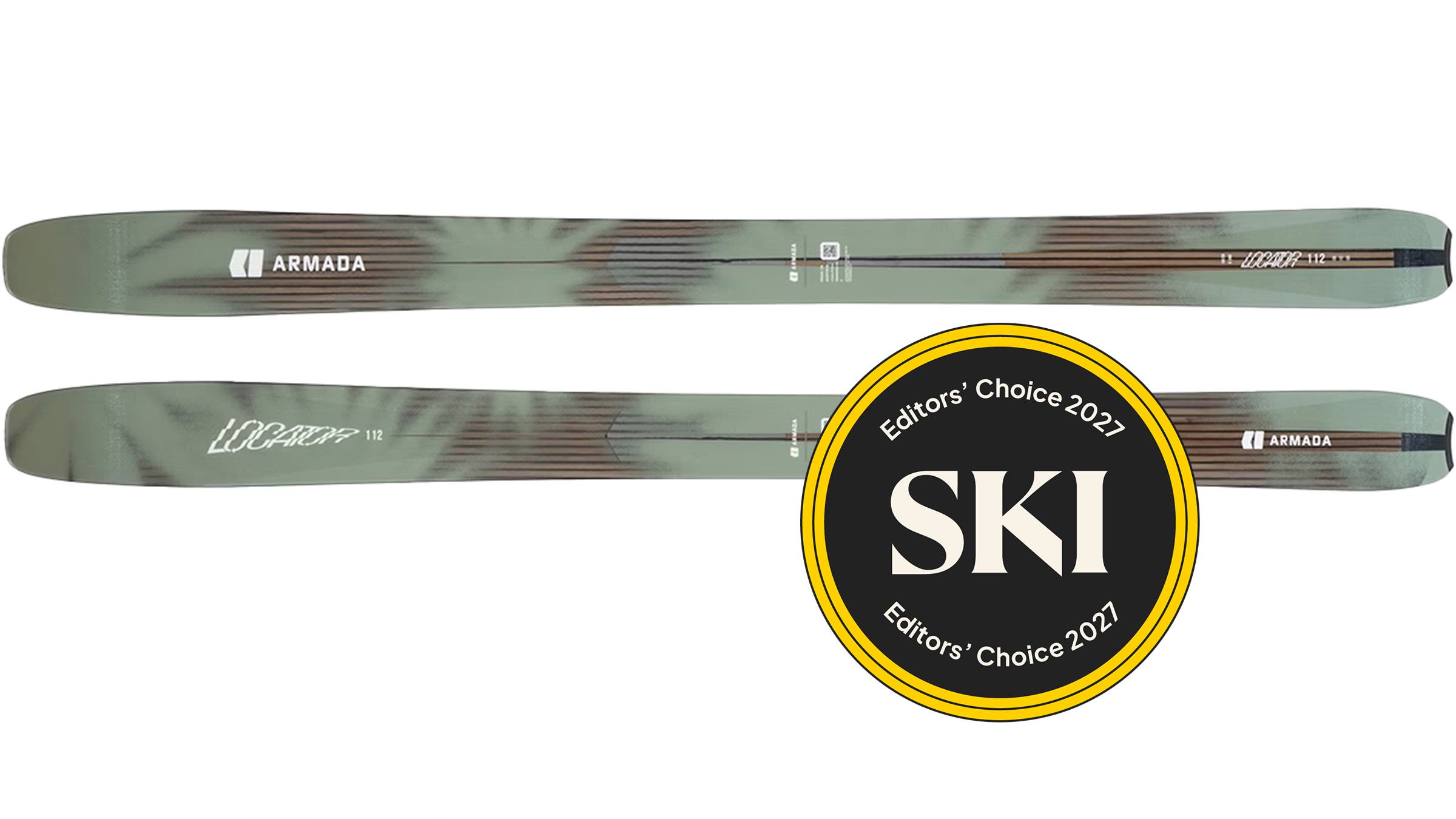
Armada Locator 112: Editors Choice
- Price: $950
- Lengths Available: 166, 173, 180, 187 cm
- Dimensions: 136-112-128 mm
- Weight: 1,575 g per ski
Earning the coveted Editors Choice designation, the Armada Locator 112 emerged as the definitive all-around powder touring ski of the season. Featuring a 112-millimeter waist and a lightweight, poppy caruba core reinforced with carbon, the Locator 112 bridges the gap between deep-snow float and firm-snow predictability. Testers praised its stability at speed, facilitated by a long 24-meter turning radius, though noted it requires deliberate effort in tight, technical tree runs. Its balanced design makes it equally attractive to dedicated backcountry locals and slackcountry explorers.
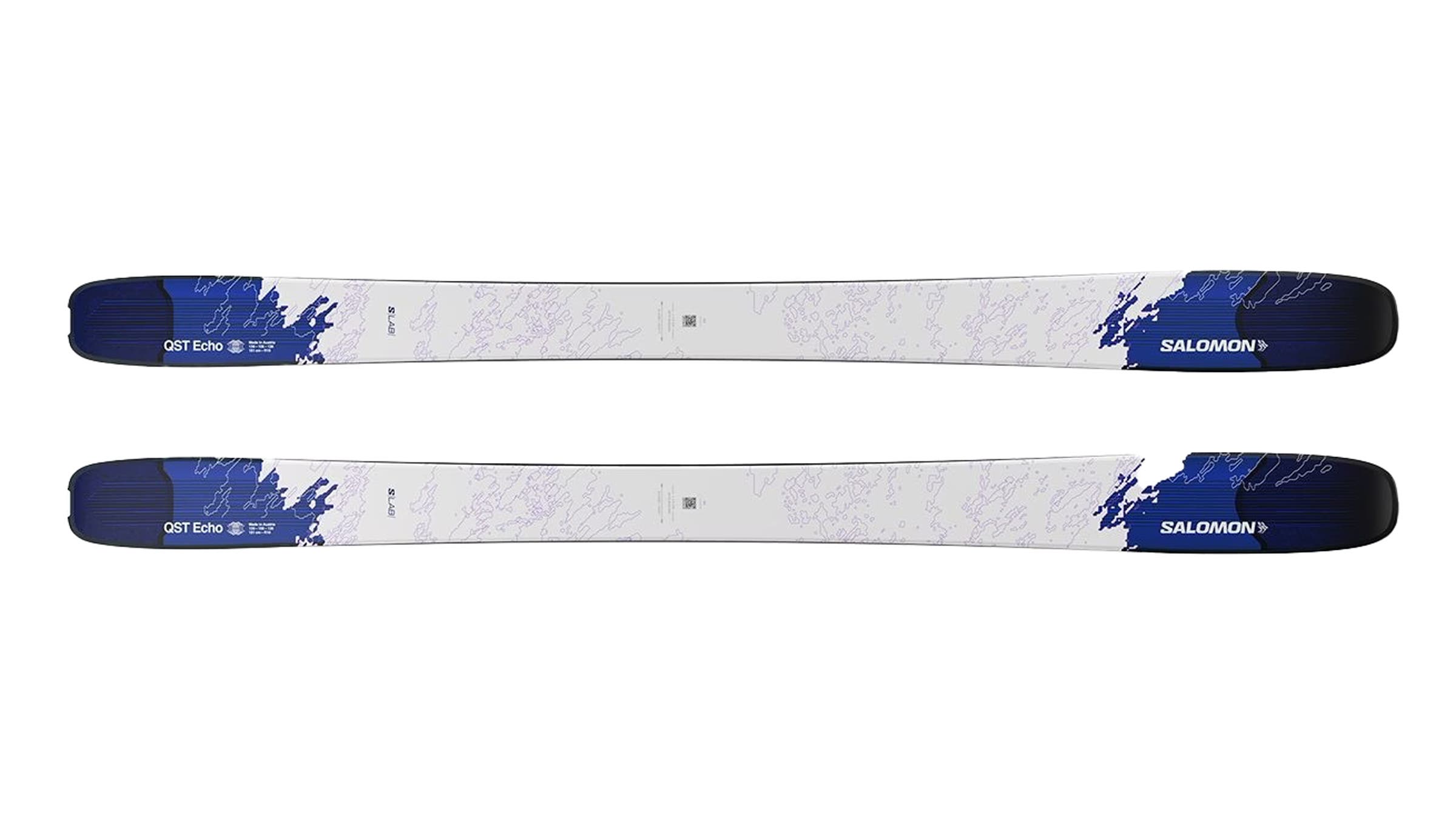
Salomon S/LAB QST Echo: Most Versatile
- Price: $900
- Lengths Available: 157, 165, 173, 181, 189 cm
- Dimensions: 138-106-125 mm
- Weight: 1,700 g per ski
For skiers seeking a true one-ski quiver for the Pacific Northwest and the Intermountain West, the Salomon QST Echo remains a gold standard. Updated with a skin-clip notch in the tail and fresh graphics for 2027, the Echo mirrors the shape of Salomon’s renowned all-mountain QST 106 while shedding weight. Incorporating a poplar and caruba wood core alongside tip-to-tail basalt fibers, it provides exceptional edge grip and dampening in variable snow, despite sitting on the slightly heavier side of the touring spectrum.
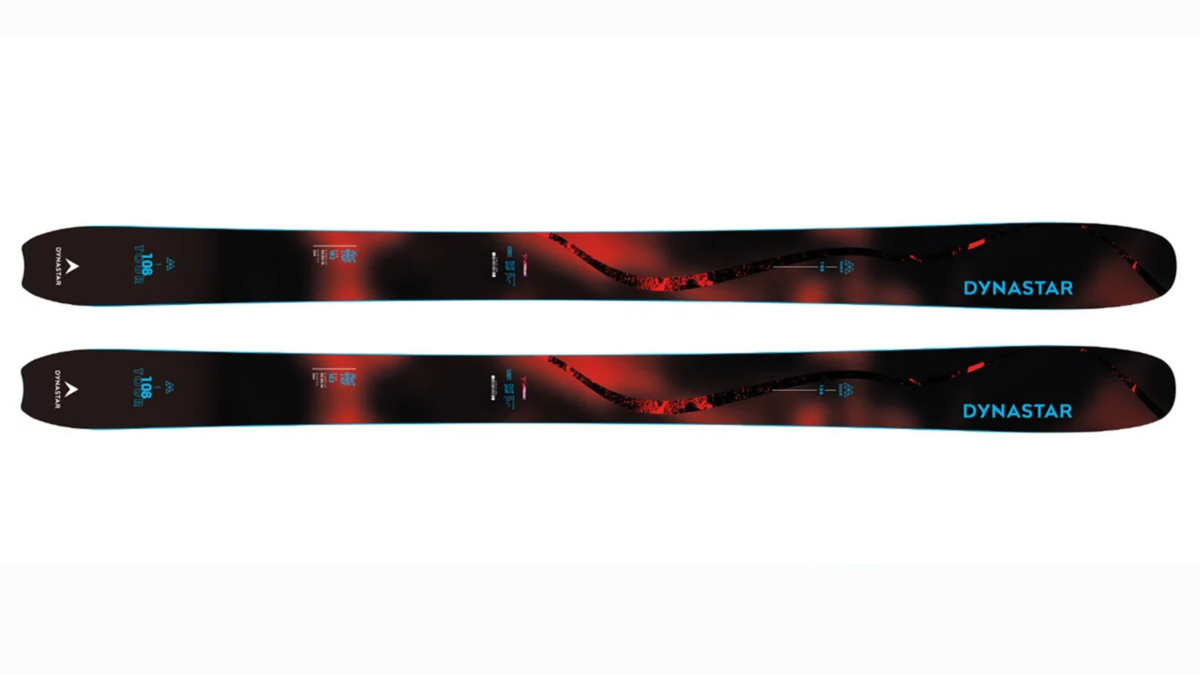
Dynastar M-Tour 108: Best for Powder
- Price: $850
- Lengths Available: 171, 179, 187 cm
- Dimensions: 135-107-125 mm
- Weight: 1,480 g per ski
Built for human-powered deep-snow missions, the freeride-focused Dynastar M-Tour 108 combines a lightweight poplar and polyurethane core with generous tip and tail rocker. Testers operating in California’s Eastern Sierra noted that the ski punches well above its weight class in powder performance. While its light construction can lead to some deflection and chatter in high-speed crud, its energetic rebound and flat tails make it a premier choice for dedicated powder hounds.
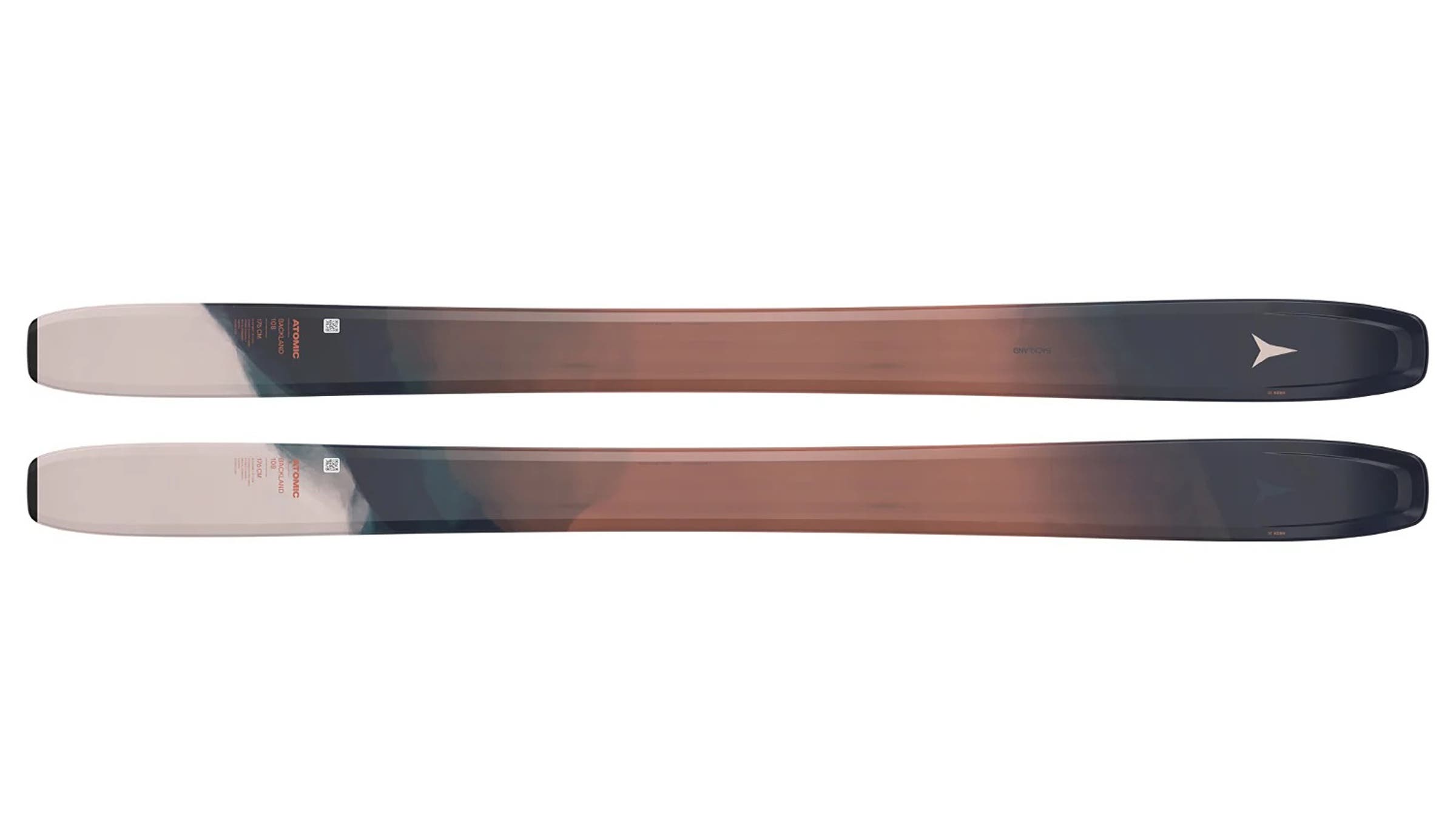
Atomic Backland 108 W: Best Women’s Backcountry Ski
- Price: $850
- Lengths Available: 158, 167, 176 cm
- Dimensions: 132-108.5-121 mm
- Weight: 1,310 g per ski
The Atomic Backland 108 W continues its reign as the premier backcountry option designed specifically for women. Featuring HRZN 3D tip bevel technology and a lightweight poplar-caruba core, this model excels in deep snow—earning praise from testers who logged deep powder days everywhere from British Columbia’s Retallack Lodge to Japan. Because of its performance ceiling and energetic character, testers emphasize that it is best suited for intermediate-to-advanced skiers paired with a sturdy touring boot rather than an ultra-minimalist setup.
Blizzard Canvas 100: Most Playful
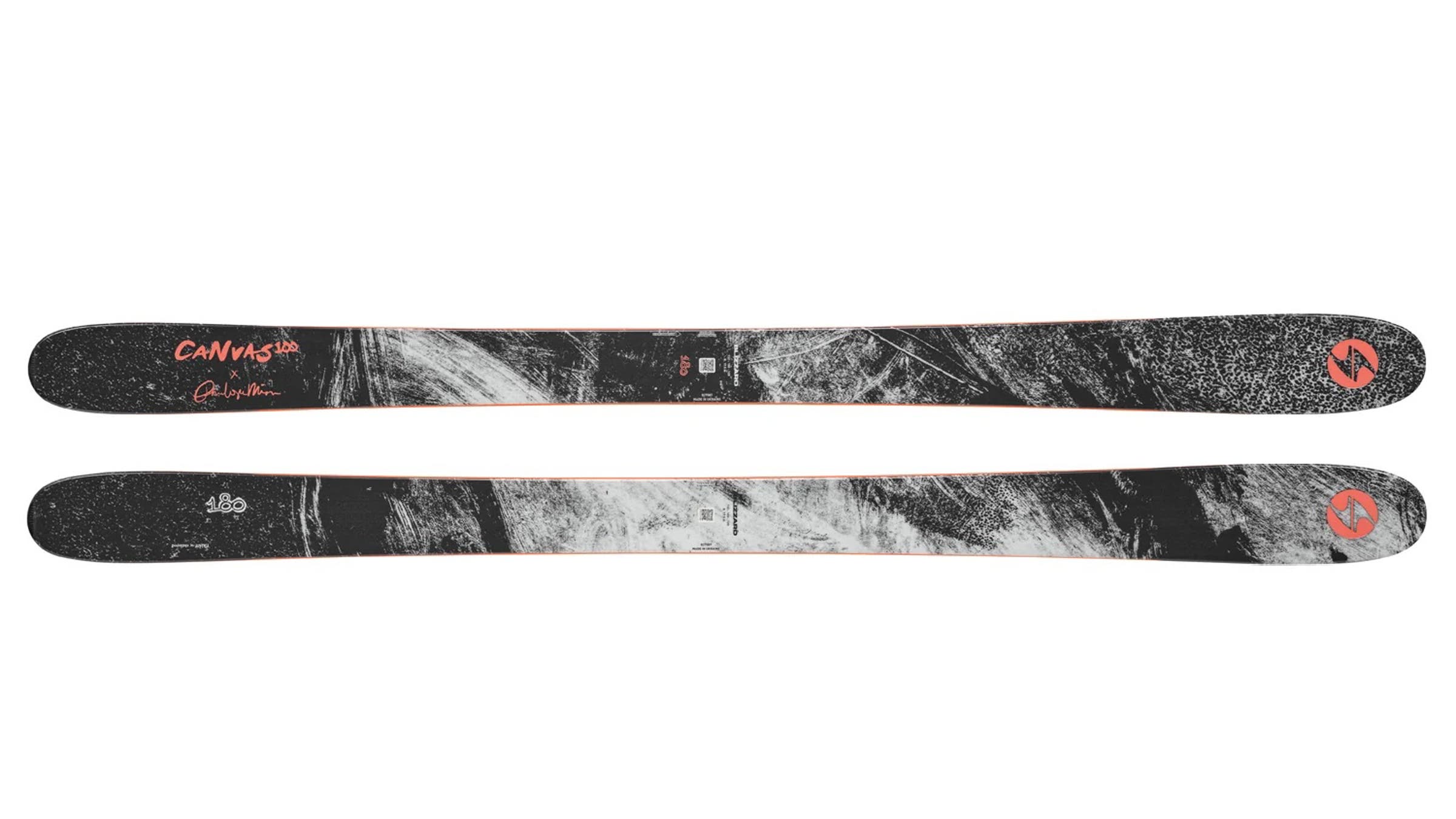
- Price: $700
- Lengths Available: 162, 168, 174, 180, 186 cm
- Dimensions: 132-100-120 mm
- Weight: 1,800 g per ski
The Blizzard Canvas 100 introduces a freestyle-leaning, surfy personality to the brand’s traditionally directional, metal-heavy lineup. Built with a poplar and paulownia wood core and a short 16.5-meter turn radius (in the 174cm length), it excels in tight trees and spring park features. While its rockered design enhances maneuverability, testers noted that the lack of underfoot camber can make sidehilling on firm, icy skin tracks a notable challenge.
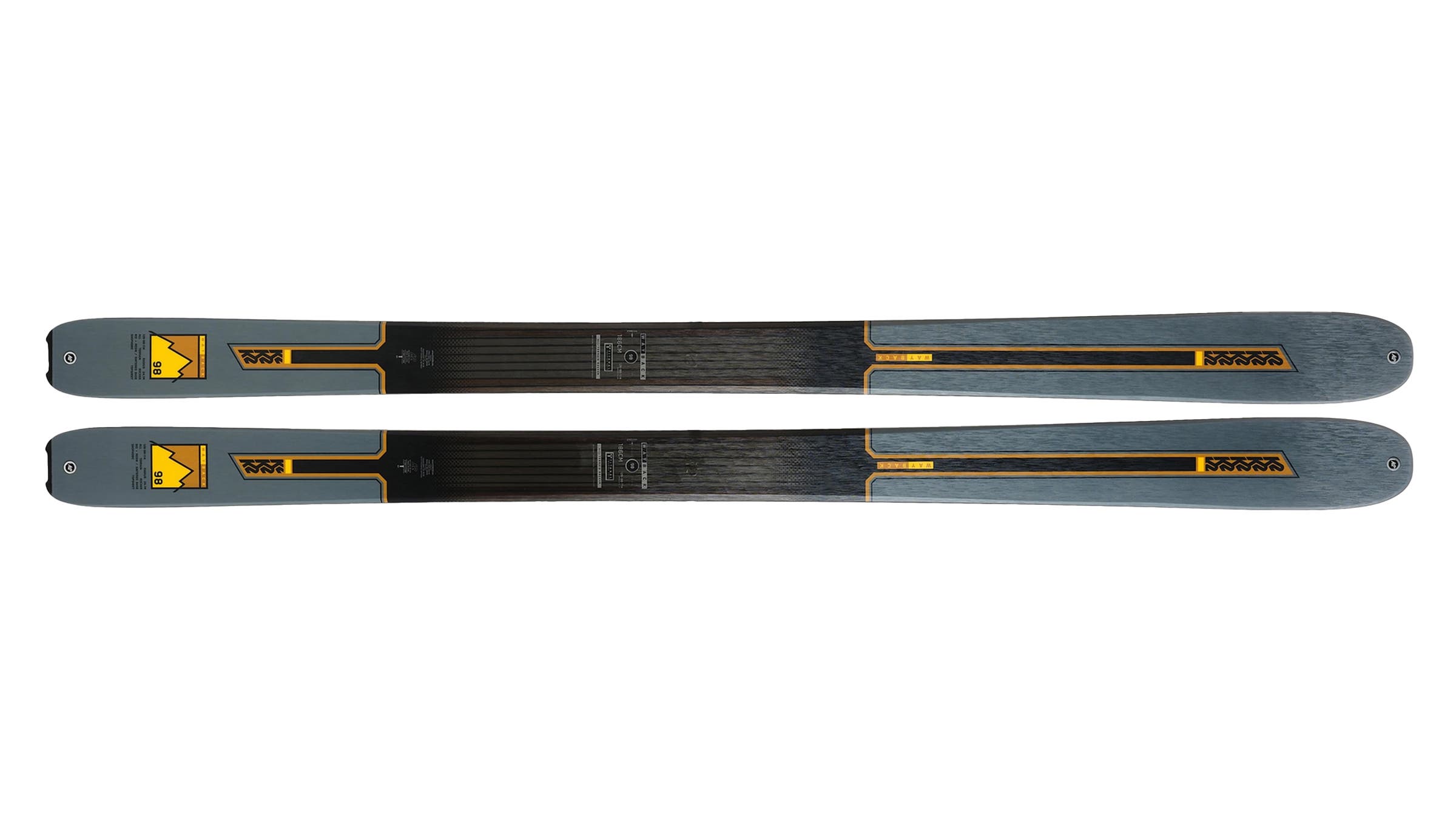
K2 Wayback 98: Best for Big Missions
- Price: $800
- Lengths Available: 165, 172, 179, 186 cm
- Dimensions: 126-98-114 mm
- Weight: 1,390 g per ski
For high-alpine spring objectives and long-distance traverses, the K2 Wayback 98 stands out as the lightest offering in this year’s primary test matrix. Integrating a full paulownia wood core with a Titanal laminate, it provides the torsional rigidity needed for secure edge grip on firm corn snow and steep couloirs, though it can feel less forgiving when pushed through heavy, unrefined crud.
Alternative Recommendations for Specialized Skiers
Beyond the primary category winners, several specialized models cater to niche performance preferences:
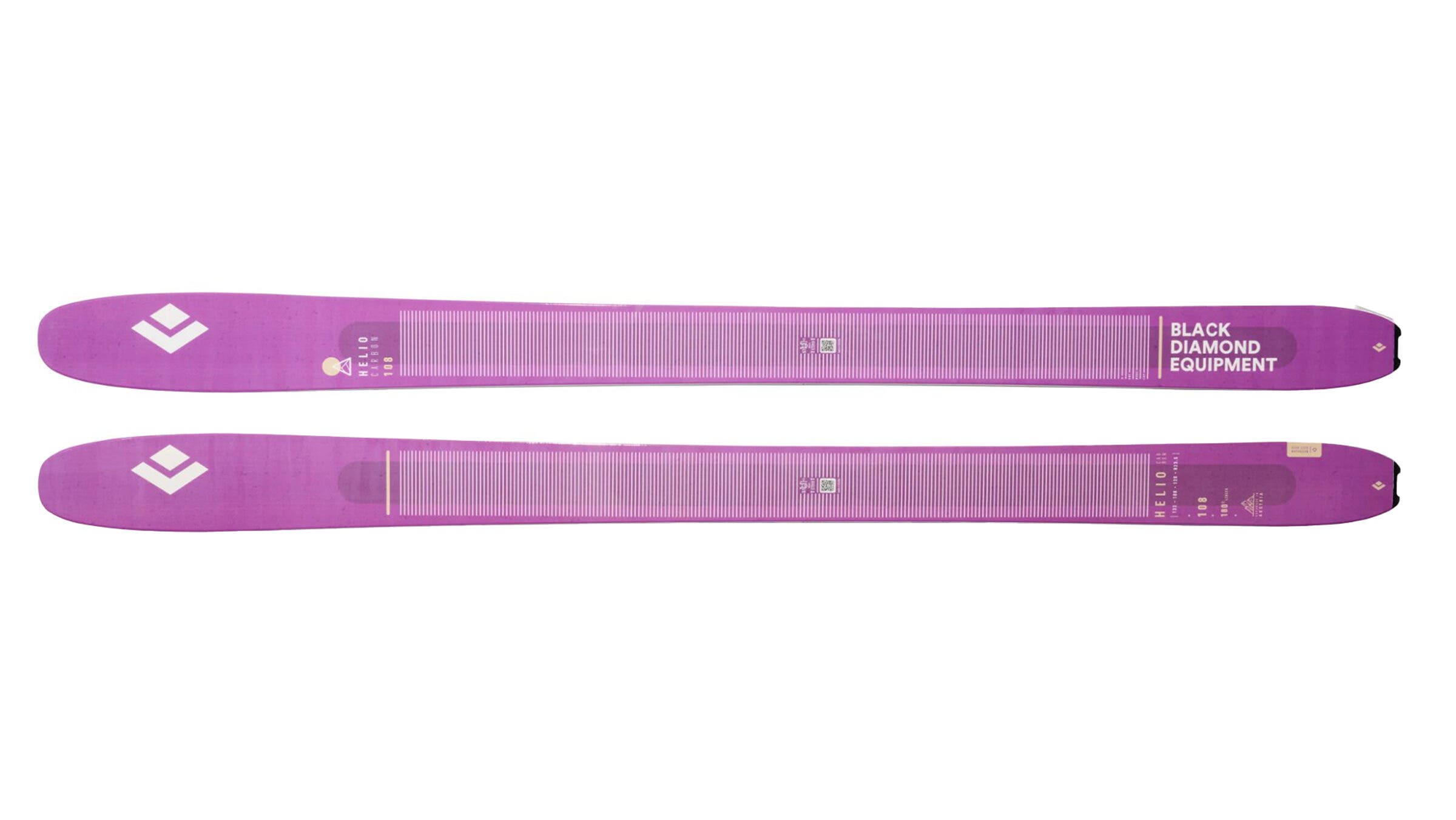
- Black Diamond Helio Carbon 108 ($): A midwinter daily driver featuring a poplar core and carbon layup, praised for its agility in tree powder, though it can get pushed around in heavy spring slop.
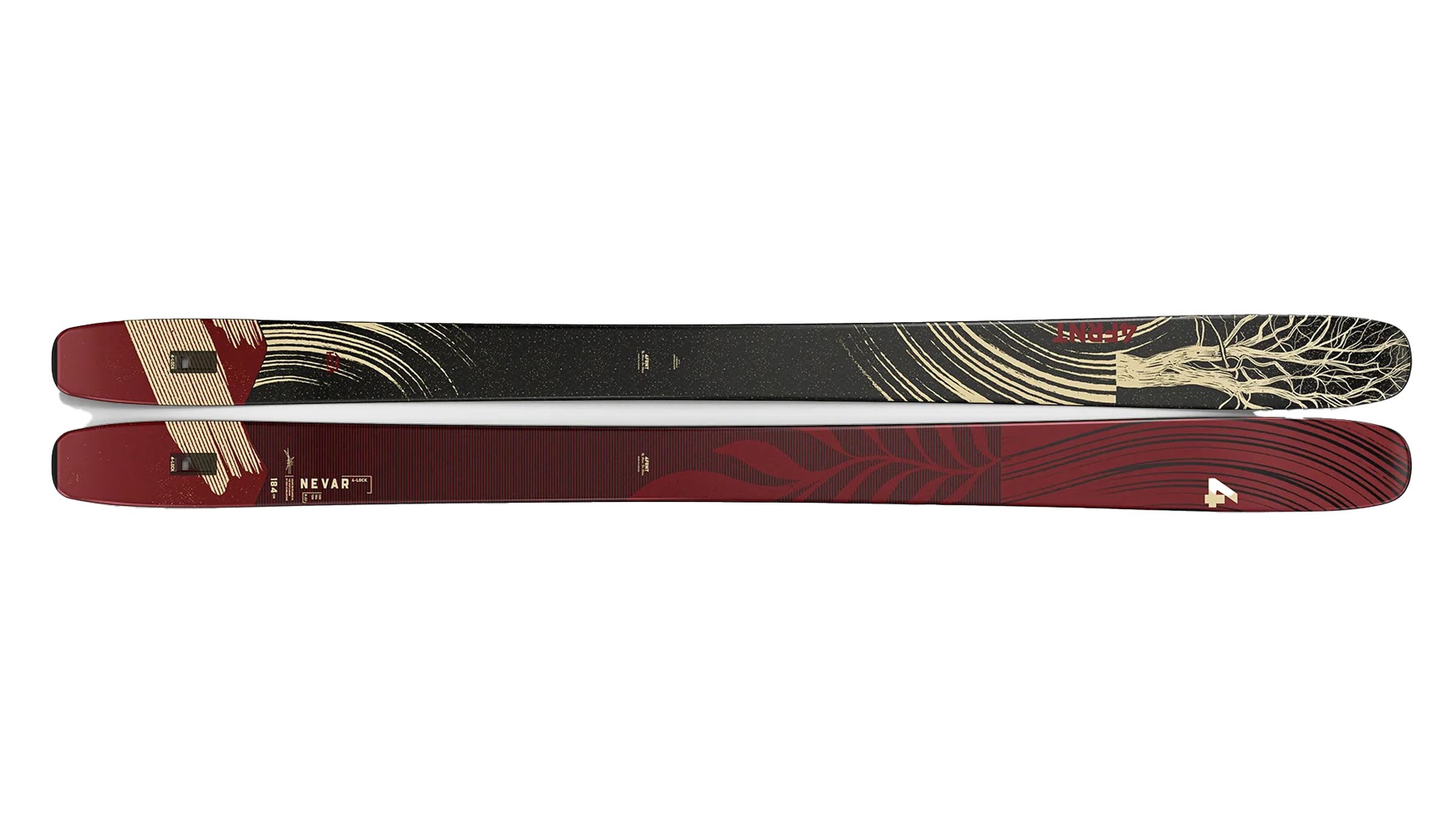
- 4FRNT Nevar ($): A charger developed with pro skier Eric Hjorleifson ("Hoji"), incorporating camber underfoot for enhanced hard-snow edge grip while maintaining a robust 1,740-gram weight class.
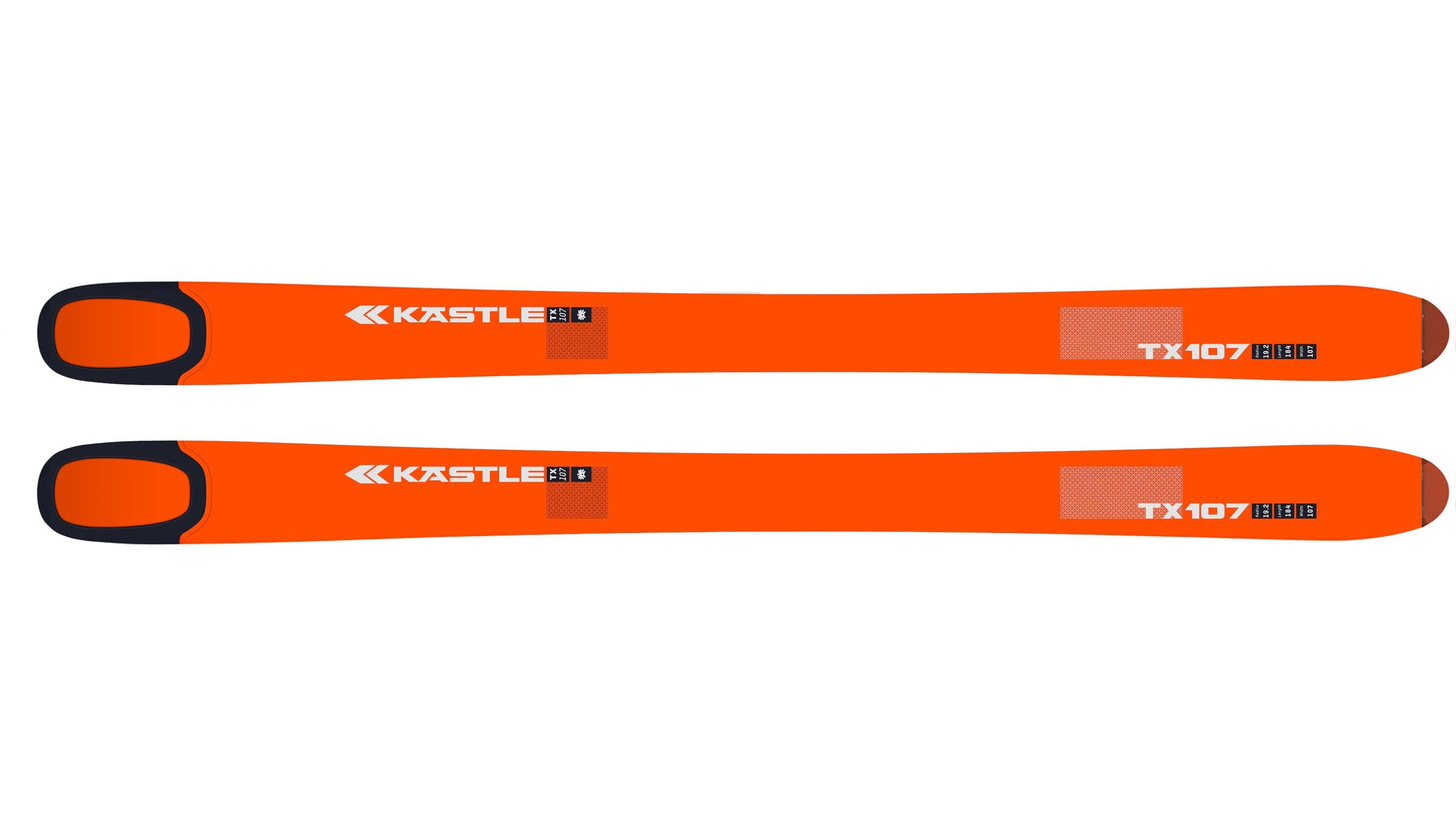
- Kästle TX107 ($): An approachable touring board utilizing Kästle’s signature Hollowtech tip cutouts to reduce vibration and improve stability in soft-to-variable spring snow.
- Völkl Rise V-Werks 99 ($): A high-performance, expert-tier tool constructed with a multilayer wood core, Titanal band, and full carbon jacket, designed for technical descents and steep couloirs where precision is paramount.
Rigorous Testing Methodology and Evaluation Criteria
The conclusions drawn in this year’s guide are the result of a standardized, multi-month testing protocol. Evaluators examined a total of 26 touring-specific skis, narrowing the final selections down to models meeting strict criteria: a minimum width of 90 millimeters underfoot and a verified weight under 1,900 grams per ski.
Field testers deployed these skis within their local mountain ranges for at least 30 days, recording quantitative and qualitative scores across eight key metrics:
- Flotation: Ability to stay on top of deep, untracked powder.
- Crud Performance: Stability and control when navigating variable, wind-crusted, or refrozen snow.
- Responsiveness: Quickness of edge-to-edge transition and turn initiation.
- Forgiveness: Toleration of skier error and user fatigue.
- Stability at Speed: Resistance to chatter and deflection during high-velocity descents.
- Edge Grip: Reliability on firm snow, ice, and steep, exposed lines.
- Uphill Efficiency: Perceived weight penalty and comfort during the ascent.
- Maneuverability: Agility in tight terrain, chutes, and dense trees.
Frequently Asked Questions (FAQ)
What distinguishes backcountry skiing from resort skiing?
Backcountry skiing takes place outside controlled ski resort boundaries where avalanche mitigation, patrol services, and groomed runs do not exist. Participants must possess wilderness navigation and avalanche rescue skills, accessing terrain via human-powered uphill travel using specialized touring bindings, boots, and climbing skins.
Can backcountry skis be used effectively at ski resorts?
While technically possible, using lightweight backcountry skis for inbounds resort skiing is generally discouraged. Tour-specific skis prioritize low weight over dampening materials like heavy metals and thick bases, causing them to get tossed around easily on firm, icy resort groomers.
How should a skier choose between a lightweight uphill setup and a freeride touring setup?
The choice depends entirely on regional snowpack and personal objectives. Skiers focused on vertical gain, fitness touring, and spring mountaineering benefit most from lightweight, narrow skis (under 1,000 to 1,400 grams). Conversely, those prioritizing deep powder descents and aggressive downhill performance should select wider freeride touring boards that balance uphill efficiency with robust downhill suspension.
Industry Implications and Market Outlook
The 2027 ski touring market reflects a mature manufacturing sector that no longer forces consumers to choose between physical exhaustion on the uphill and compromise on the descent. As carbon-composite technology and advanced wood-core milling become more refined, brands are successfully catering to a broader demographic of skiers who demand versatility.
However, market analysts note that rising material and manufacturing costs continue to push MSRPs upward, with most high-performance touring setups averaging between $700 and $950 per pair. As a result, consumer education—matching ski waist widths, weight classes, and flex profiles to specific regional snow climates—has never been more critical for maximizing return on investment in backcountry equipment.

