
The intersection of high-impact alpine sports and long-term physical health has become a focal point for sports medicine professionals and recreational athletes alike, as new data suggests that traditional flexibility-focused recovery may be insufficient for managing chronic injury. While skiing is often celebrated for its cardiovascular benefits and the psychological "flow state" it induces, the repetitive eccentric loading and high-velocity movements inherent to the sport frequently lead to significant musculoskeletal degradation over time. Recent reports from veteran skiers and fitness experts indicate that a shift toward resistance training—specifically targeting the posterior chain—is essential for mitigating the "equal and opposite reaction" of physical pain that often follows years of intensive mountain activity.
The Physiological Cost of Alpine Sports
For many dedicated skiers, the accumulation of "powder days" is often mirrored by an accumulation of chronic ailments. A case study of a 33-year-old recreational skier with over 1,000 days of experience illustrates a common trajectory: a decade of chronic lower back pain, hip soreness, and lingering issues from past traumatic injuries, such as elbow fractures and dislocations. Despite utilizing common recovery modalities including yoga, stretching, foam rolling, and dietary changes, many athletes find that these methods only manage symptoms rather than addressing the underlying mechanical failures.
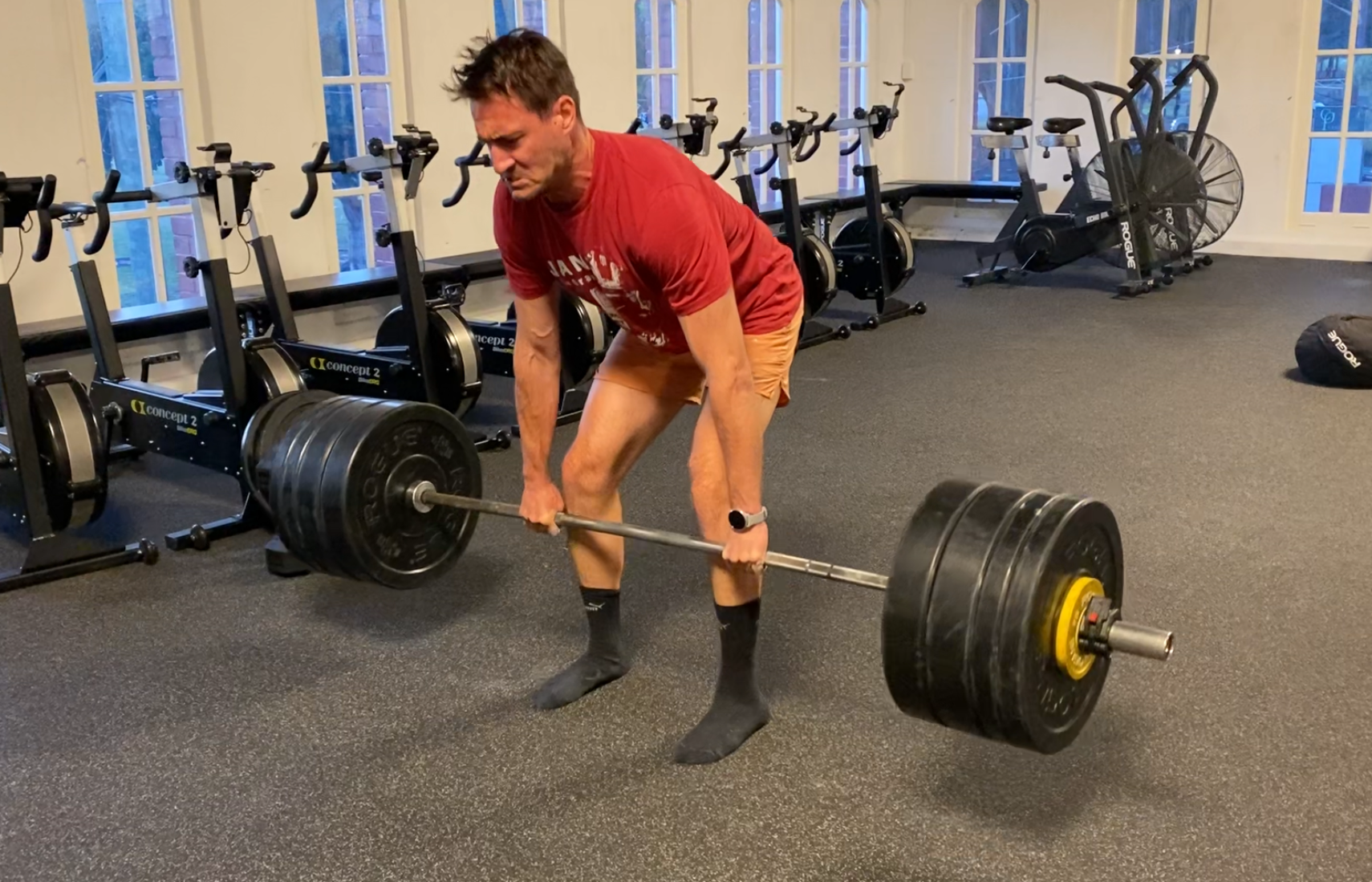
The primary issue, according to sports science professionals, is not a lack of flexibility but rather profound muscle imbalances. Franco Morris, Head of Program Delivery at a specialized training facility in Sydney, Australia, identifies these imbalances as the leading cause of the persistent achiness reported by skiers. Morris suggests that human evolution has not kept pace with the demands of modern high-impact sports or the sedentary lifestyles that often occupy the time between seasonal activities.
Chronology of Injury and Recovery: A Ten-Year Overview
The progression of chronic pain in high-impact athletes often follows a predictable timeline, moving from occasional soreness to debilitating episodes.
- The Incubation Period (Years 1-5): During this phase, athletes often rely on youth and natural resilience. Minor injuries, such as the elbow fracture and dislocation experienced by the subject eight years prior, are treated as isolated incidents. However, these injuries often create compensatory movement patterns that stress other joints.
- The Management Phase (Years 6-9): As the athlete enters their late 20s and early 30s, "management" becomes a daily necessity. This period is characterized by the use of "passive" recovery tools—standing desks, firm mattresses, and regular stretching—which provide temporary relief but do not build the structural integrity required for the sport.
- The Crisis Point (Year 10): For the subject of this report, the decade-long decline culminated at age 32 with a severe lower back spasm. This physiological event occurs when muscles become so fatigued or imbalanced that they involuntarily contract to protect the spine from perceived further injury. The resulting incapacity can last for weeks, rendering the individual unable to perform basic daily tasks.
- The Intervention (Year 11 and Beyond): Following the crisis point, the implementation of a structured, resistance-based weight training regimen has shown remarkable results. After one year of consistent training, reports indicate a total cessation of pain on many days, effectively reversing the perceived "aging" of the joints and musculature.
Biomechanical Analysis: The Posterior Chain and Muscle Imbalance
The biomechanics of skiing require a stable core and powerful lower body to manage the forces generated by gravity and speed. Morris notes that the "upper-body apparatus" of a skier is constantly in motion, requiring the lower back to act as a stabilizer. If the gluteal muscles—the "gluteal sidekick"—are underactive due to excessive sitting or lack of targeted training, the lower back must bear a disproportionate load.
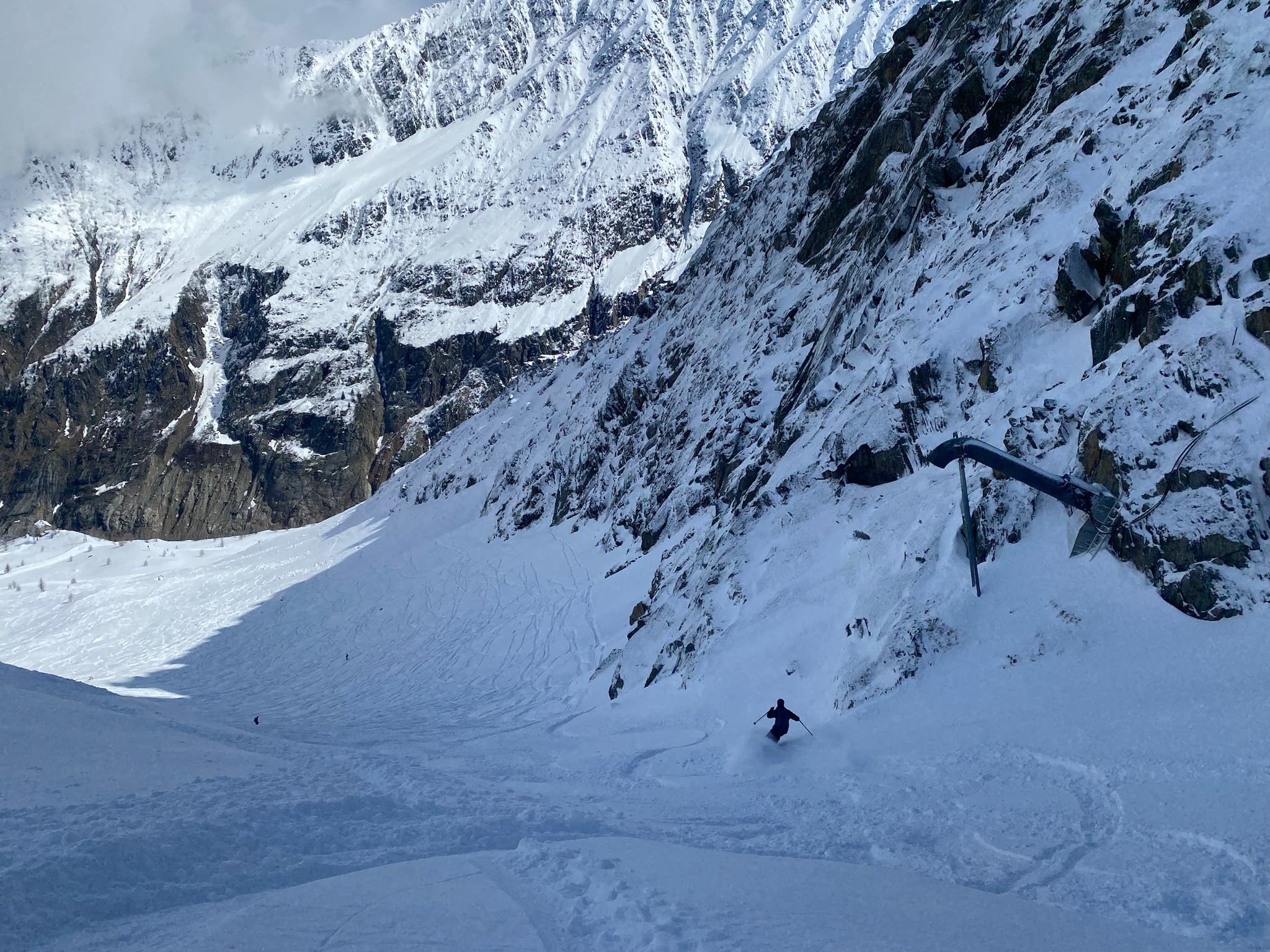
The "posterior chain" is a group of muscles including the hamstrings, glutes, and erector spinae. In the context of mountain sports, a weakened posterior chain is a primary predictor of injury. The transition to a sedentary professional life, often involving long hours at a desk, exacerbates this weakness, leading to "gluteal amnesia" where the body’s largest muscle group fails to fire correctly during athletic maneuvers.
Strategic Resistance Training Protocols for Skiers
To counter these imbalances, experts recommend a specific set of movements designed to build functional strength rather than aesthetic mass. The following exercises have been identified as pivotal for ski-specific longevity:
- The Deadlift: This movement involves lifting a barbell from the ground to hip level. It is considered the gold standard for posterior chain engagement, as it requires the simultaneous coordination of the legs, glutes, and back.
- Kettlebell Swings: This explosive movement utilizes a hip hinge to swing a weight to chest height. It specifically trains the glutes to generate power, which is essential for maintaining control in variable snow conditions.
- Barbell Hip Thrusts: By driving weight upward from a seated or lying position, athletes can isolate the gluteal muscles, correcting the imbalances that lead to lower back strain.
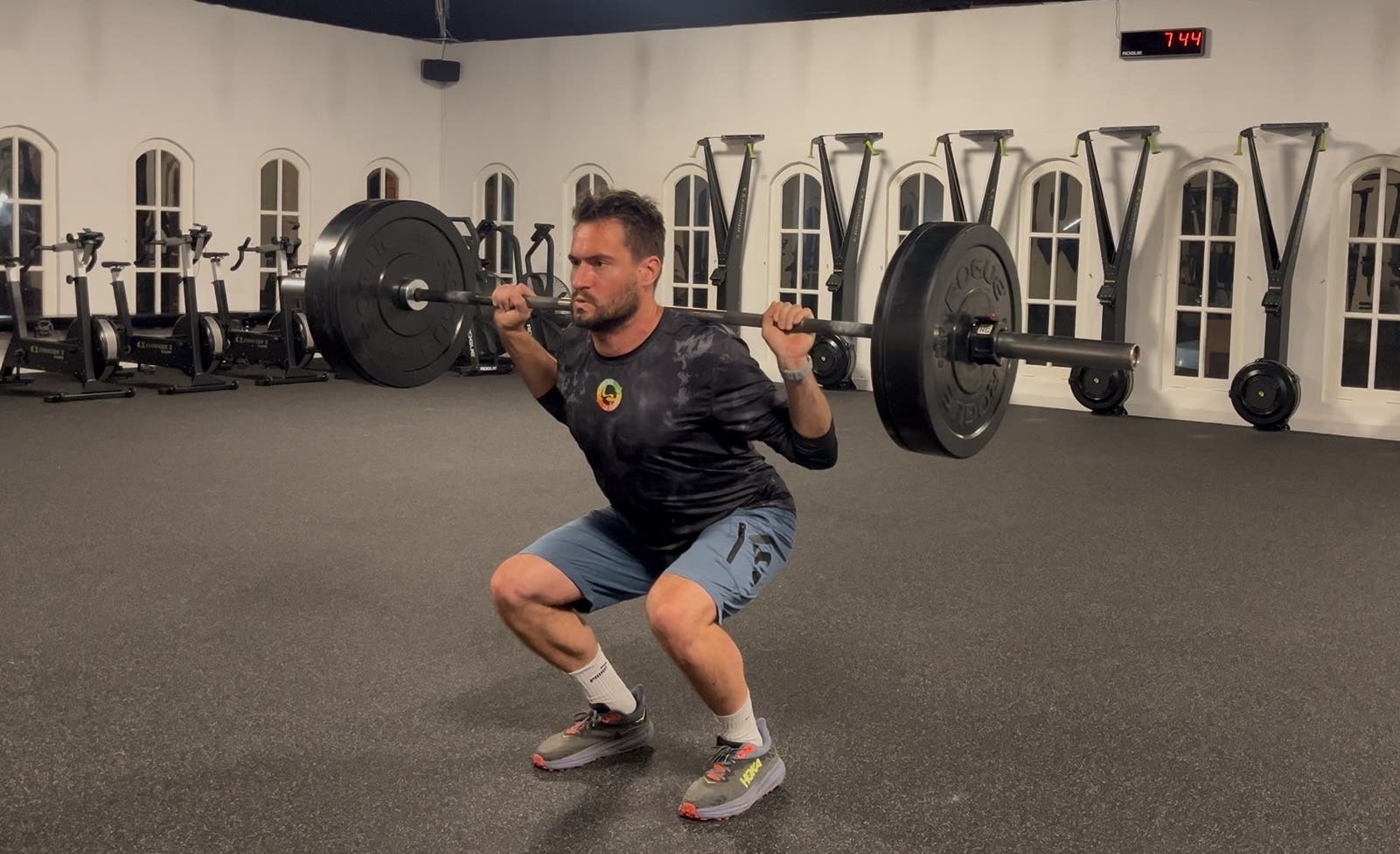
- Barbell Step-ups: This exercise mimics the unilateral nature of skiing, where weight is often shifted from one leg to another, improving balance and joint stability in the knees and hips.
Supporting Data: Volume, Control, and Bone Density
Data from sports physiology suggests that for endurance-based mountain athletes, the methodology of lifting is as important as the exercises themselves. The focus should remain on volume over maximum weight. For instance, performing 10 repetitions at 60% of a one-rep maximum is generally more beneficial for a skier than 3 repetitions at 85%. This approach builds muscular endurance and reduces the risk of acute training injuries while still providing the stimulus necessary for hypertrophy and structural reinforcement.
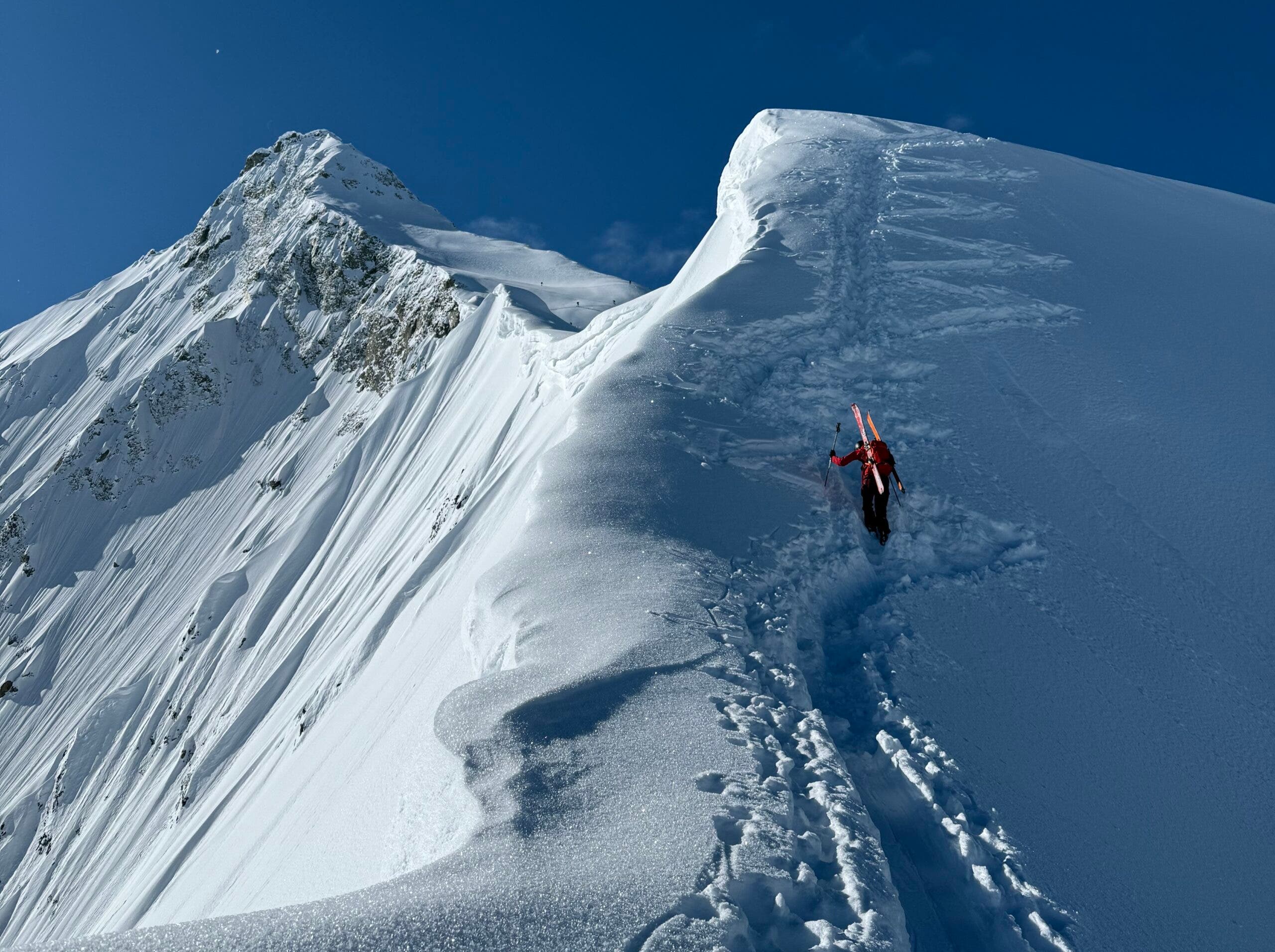
Furthermore, resistance training provides a secondary benefit crucial for high-risk sports: increased bone density. Morris emphasizes that building muscle promotes the deposition of bone mineral, creating a more robust skeletal frame. Additionally, increased muscle mass provides "cushioning tissue" that can protect bones and internal organs during the high-force impacts associated with falls in skiing or snowboarding.
Official Responses and Expert Recommendations
Professional trainers and sports therapists increasingly advocate for "pre-habilitation"—the practice of strengthening the body before injury occurs. The consensus among experts like Morris is that the "metamorphosis" into a stronger athlete is often uncomfortable, particularly for those starting in their 30s or 40s. However, the trade-off is a significant increase in "skiing longevity."
Experts also stress the importance of professional oversight. Lifting with improper form can exacerbate the very issues an athlete seeks to solve. Working with a qualified trainer ensures that movements are executed with "control," which Morris defines as the most critical element of a successful program. Moving "low and slow" under tension is preferred over fast, jerky movements that rely on momentum rather than muscle engagement.
Broader Impact and Implications for the Ski Industry
The trend toward year-round conditioning has broader implications for the ski industry and the outdoor recreation economy. As the demographic of "lifelong skiers" ages, the industry faces a potential decline in participation if older athletes are forced out of the sport due to chronic pain. By promoting resistance training as a standard component of the skiing lifestyle, the industry can ensure a more resilient and active customer base.
Moreover, the shift away from "glamour muscles" (abs, biceps, and chest) toward functional, posterior-chain strength reflects a growing sophistication in how recreational athletes view their bodies. The goal is no longer just to look fit, but to maintain the mechanical integrity required to navigate complex mountain terrain for decades rather than years.
The conclusion drawn from current case studies and expert testimony is clear: while skiing may inevitably cause "aches and pains," the transition from passive management to active resistance training offers a "miracle cure" for chronic, debilitating pain. As the subject of the study noted, the mental fortitude required to endure a challenging weight session is a small price to pay for adding decades of functionality to a skiing career. With the right protocol, the effects of aging and the physical toll of high-impact sports can be countered, proving that for many athletes, the "sky is the limit" for physical improvement.

