
As the winter season approaches, the focus within the alpine sports community has shifted from equipment acquisition to physiological readiness, emphasizing a training modality known as power endurance. While the recreational perception of skiing often centers on the gravity-assisted nature of the sport, sports medicine professionals and elite coaches increasingly highlight the intense physical demands required to navigate variable terrain safely and effectively. Power endurance, defined as the ability to sustain high-intensity, explosive movements over a prolonged period, has emerged as the critical link between raw muscular strength and the aerobic capacity needed for full-day mountain excursions.
The Evolution of Alpine Conditioning and the Role of Power Endurance
Historically, ski conditioning focused heavily on isometric leg strength—the ability to hold a "tuck" or a seated position. However, modern sports science, spearheaded by experts such as veteran coach Chris Miller, has identified that skiing is a dynamic, multi-planar activity that requires the body to absorb and generate force simultaneously. Miller, who has spent years training world-class ski racers, posits that true ski fitness is not merely about the size of the quadriceps but about the nervous system’s ability to coordinate those muscles under conditions of mounting fatigue.
The physiological demand of skiing is unique. A typical downhill run may last between two and five minutes, requiring a mix of anaerobic power for sharp turns and aerobic stability for the duration of the descent. Power endurance bridges this gap. It allows a skier to maintain "pop" in their turns and stability in their core when the legs begin to burn from lactic acid accumulation. Without this specific conditioning, the body’s mechanics begin to fail as the day progresses, leading to a phenomenon known as "late-day fatigue," which is statistically correlated with a significant spike in musculoskeletal injuries.
Chronology of a Professional Pre-Season Training Cycle
The implementation of a power endurance program typically follows a structured timeline to ensure peak performance by the time resorts open their lifts. For the optimal results, sports physiologists recommend a three-phase approach:
- The Foundation Phase (8–12 weeks prior to season): This period focuses on hypertrophy and general strength. Athletes utilize traditional lifts such as squats and deadlifts to build the muscular engine required for the season.
- The Power Endurance Phase (4–8 weeks prior to season): This is the stage where the program detailed by Coach Miller becomes central. Exercises transition from slow, heavy movements to explosive, repetitive movements that mimic the cadence of skiing.
- The Maintenance Phase (During the season): Once the season begins, the focus shifts to recovery and "trunk" (core) stability, ensuring that the gains made during the pre-season are not lost to the wear and tear of daily skiing.
This chronological progression ensures that the athlete is not merely strong, but "ski-fit," a distinction that involves the synchronization of balance, coordination, and stamina.
Analyzing the Power Endurance Circuit: Mechanism and Methodology
The specific workout protocol developed for the current season focuses on three distinct areas: mobility-based warm-ups, lower-body explosive power, and trunk stability. Each component is designed to address a specific mechanical requirement of alpine skiing.
The Quadruped and Dynamic Warm-Up Series
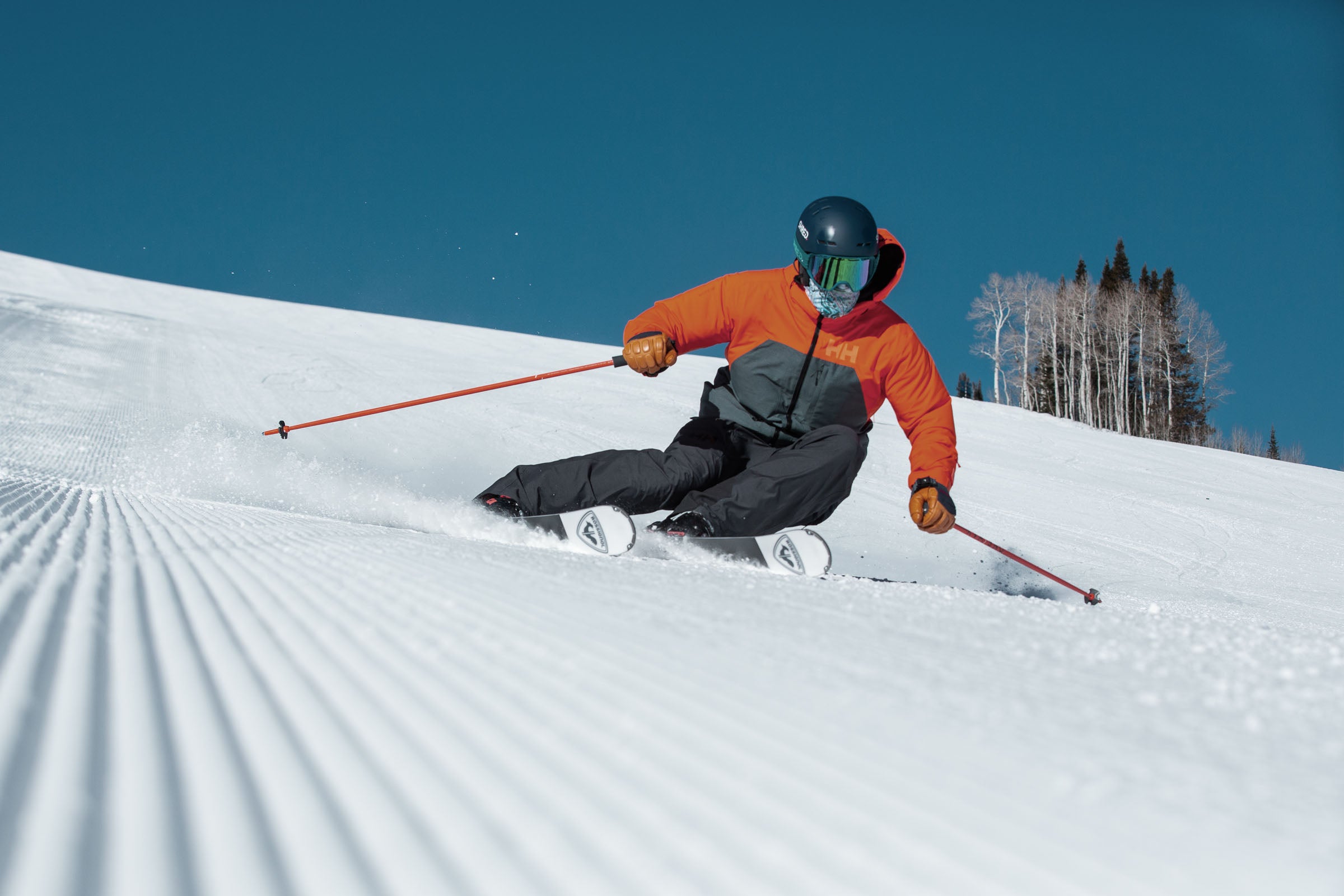
The initial phase of the workout utilizes a Quadruped Series and a Lunge Series to activate the kinetic chain. In skiing, the hips and spine must remain mobile while the legs work independently. By performing quadruped movements, athletes engage the "cross-body" stabilization patterns required for carving turns. The dynamic series, involving lateral lunges and rotations, prepares the adductors and abductors—muscles that are frequently neglected in standard gym routines but are vital for edge control on icy "corduroy" snow.
Power Circuit No. 1: The Sandbag and Lateral Series
The core of the power endurance training involves high-intensity leg circuits. The use of a sandbag is a deliberate choice by trainers like Miller. Unlike a barbell, a sandbag is a "live" weight; its center of gravity shifts during the movement, forcing the skier’s stabilizing muscles to react constantly. This mimics the unpredictable nature of "mashed potato" snow or hidden bumps.
Skater hops, a staple of this circuit, are perhaps the most sport-specific exercise in the regimen. They train the eccentric load—the ability of the muscles to lengthen under pressure—which occurs every time a skier enters a turn and absorbs the centrifugal force. Data from sports biomechanics studies indicate that the ability to control this lateral deceleration is the primary factor in preventing Anterior Cruciate Ligament (ACL) tears, which remain the most common serious injury in the sport.

Power Circuit No. 2: Trunk and Anti-Movement Training
The final component focuses on the "trunk," a term professionals prefer over "core" as it encompasses the entire midsection, including the obliques and lower back. In skiing, the upper body should remain relatively quiet and downhill-facing while the lower body rotates beneath it. This requires "anti-rotation" strength. Exercises like the Dead Bug or weighted planks are not designed to create movement, but to resist it. This stability ensures that the power generated by the legs is not lost through a "soft" middle, allowing for more precise energy transfer to the skis.
Statistical Context and Injury Prevention Implications
The importance of power endurance is underscored by injury statistics provided by mountain safety organizations. Research indicates that the majority of non-collision injuries occur after 2:00 PM. This "fatigue window" is when the muscles can no longer effectively protect the joints. By training power endurance, skiers extend their "safe operating window," allowing them to maintain proper form even during the final runs of a "bell-to-bell" day.
Furthermore, the economic impact of ski-related injuries is substantial. With the average cost of an ACL reconstruction and subsequent physical therapy exceeding $25,000 in the United States, the "insurance policy" provided by a rigorous pre-season conditioning program is viewed as a necessary investment for serious enthusiasts.
Industry Reactions and Expert Perspectives
The shift toward specialized ski fitness has been met with approval from equipment manufacturers and resort operators. Representatives from the annual SKI Test—an event where new equipment is rigorously vetted on pristine snow—noted that modern carving skis are designed to be driven with significant force. If a skier lacks the power endurance to stay over the front of the ski, they cannot access the technology built into the equipment.
"We see a direct correlation between physical fitness and equipment performance," noted one industry analyst. "A skier who is fatigued will sit back on their heels. This takes the pressure off the tips of the skis, rendering the sidecut ineffective. You aren’t just training for your health; you’re training to actually use the gear you bought."

Coach Chris Miller’s approach reflects a broader trend in the fitness industry toward "functional longevity." The goal is no longer just to ski fast for one season, but to build a body capable of skiing for decades. This requires a move away from "ego lifting" and toward the sustainable, high-intensity intervals found in power endurance circuits.
Broader Impact: The Future of Alpine Athletics
As climate change continues to affect the length and quality of ski seasons, the "intensity" of the time spent on the mountain has increased. With shorter windows of optimal snow conditions, skiers are often pushing themselves harder during the days they do have. This makes the physiological "buffer" provided by power endurance more critical than ever.
The integration of video tutorials and accessible home-based workouts marks a democratization of elite coaching. What was once reserved for Olympic-level athletes at the US Ski Team training centers is now available to the general public. This shift is expected to improve overall mountain safety and enhance the user experience for millions of skiers worldwide.
In conclusion, the transition from the "off-season" to the "on-season" is no longer just a matter of waiting for the first snowfall. It is a calculated period of physiological transformation. By focusing on power endurance, skiers of all levels—from those tackling pristine corduroy to those charging through the back bowls—can ensure that their bodies are as prepared as their equipment. As Coach Miller emphasizes, the goal is to make every run feel as strong as the first, ensuring that the passion for the sport is supported by the physical capacity to perform.

