
The landscapes of Southern California have been defined by movement for millennia. Long before the implementation of modern fire suppression techniques, urban sprawl, or complex fuel management protocols, the region’s ecology was shaped by the constant migration of animals in response to the availability of water and forage. Native grasses were grazed, trampled, and redistributed across the hillsides, creating a dynamic system where vegetation did not merely accumulate but was cycled through consumption and regrowth. Fire was a natural participant in this system, moving through the landscape with a frequency and intensity that allowed for ecological variability rather than the catastrophic scale associated with contemporary megafires.
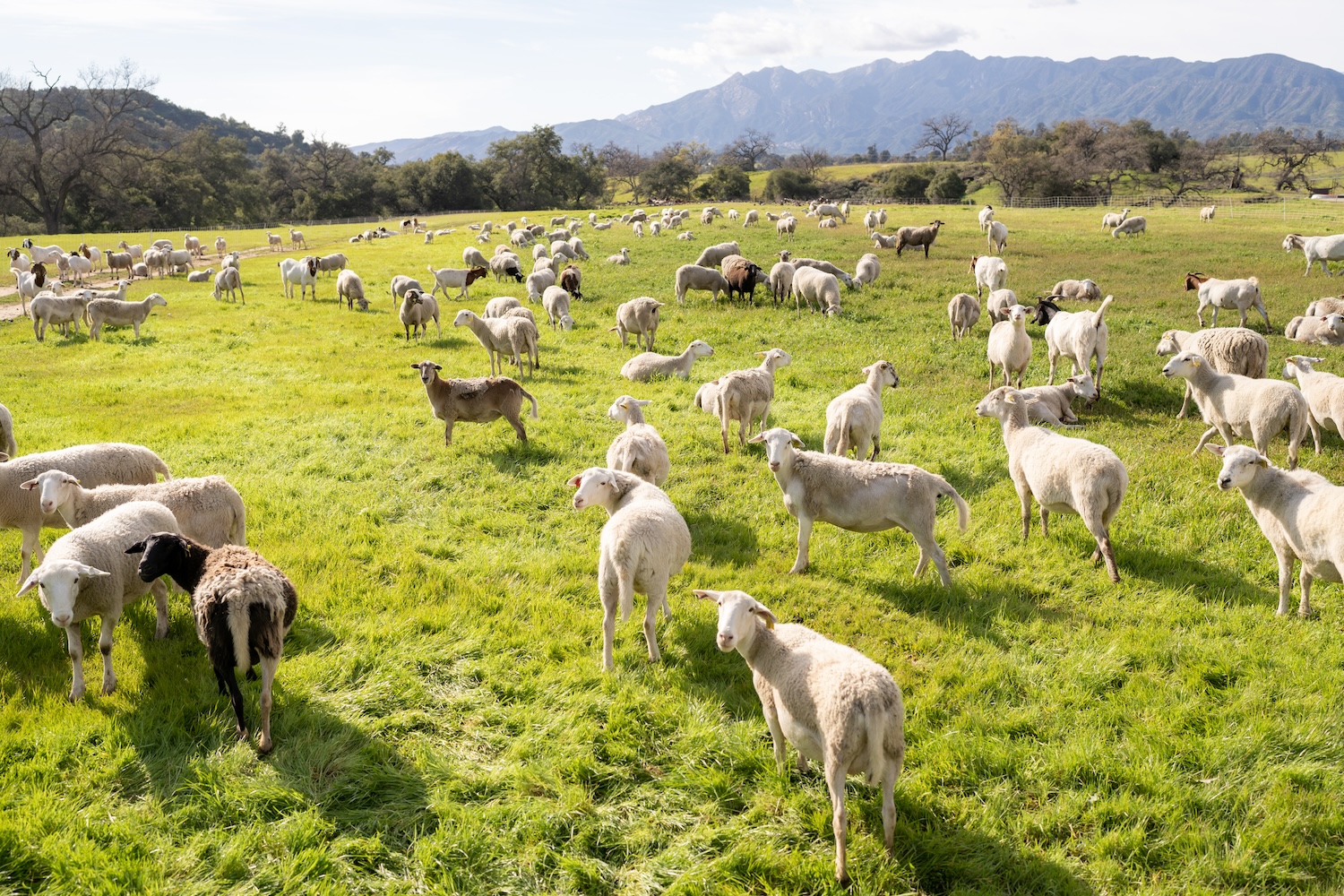
Today, this historical cycle has been replaced by a more volatile reality. Hotter temperatures, prolonged droughts, the proliferation of invasive annual grasses, and decades of accumulated biomass have transformed wildfire from an occasional ecological force into a permanent structural condition. For residents and land managers, the relationship with the landscape is now increasingly defined by smoke, evacuation orders, insurance instability, and the long-term closure of public lands. In response to these escalating threats, a traditional yet innovative form of movement has reemerged as a cornerstone of California’s climate adaptation strategy: the use of prescribed grazing by bands of sheep and goats to manage fuel loads before the onset of the fire season.
The Ecological Context of the Mediterranean Climate
Southern California operates within a "brittle" environment, characterized as a semi-arid Mediterranean climate. This system is defined by extreme variability, featuring short periods of intense rainfall followed by long, desiccating dry seasons. According to data from the National Oceanic and Atmospheric Administration (NOAA), climate change—driven by rising temperatures and increasingly dry atmospheric conditions—has become a primary catalyst for the growing severity of wildfires across the western United States.
In this environment, the accumulation of "fine fuels"—primarily invasive grasses—creates a highly flammable carpet across the landscape. When these grasses dry out, they become a primary carrier for fire, allowing it to move rapidly into heavier fuels like chaparral and oak woodlands. This transition is exacerbated by the urban-wildland interface, where human development sits in direct proximity to fire-prone hillsides. The consequence is a feedback loop: climate change intensifies wildfire, and the resulting burns release massive quantities of carbon into the atmosphere while destabilizing hillsides, leading to increased erosion and flooding during the subsequent rainy seasons.
The Mechanics of Prescribed Grazing
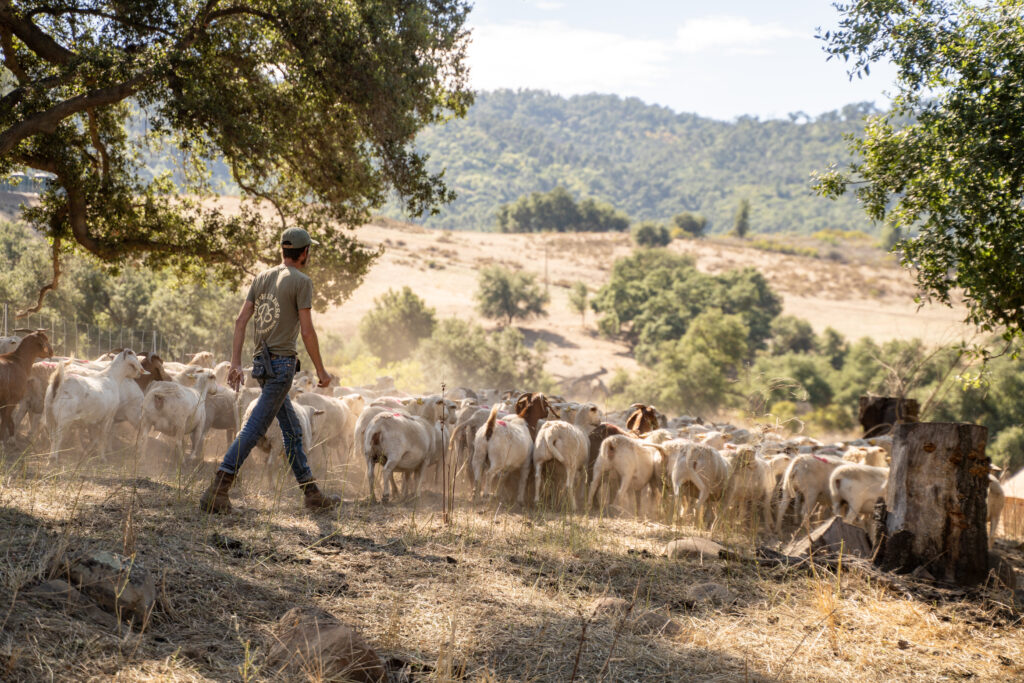
Prescribed grazing, often referred to as targeted grazing, is an intentionally designed land stewardship practice that utilizes livestock to achieve specific ecological goals. Unlike traditional ranching, which focuses on animal production, prescribed grazing focuses on vegetation management. Cole Bush, a leading practitioner and founder of The Shepherdess Land and Livestock Co. and the Grazing School of the West, describes the process as a "prescriptive approach" that accounts for the unique variables of a given landscape.
The effectiveness of this method lies in the differing biological behaviors of sheep and goats:
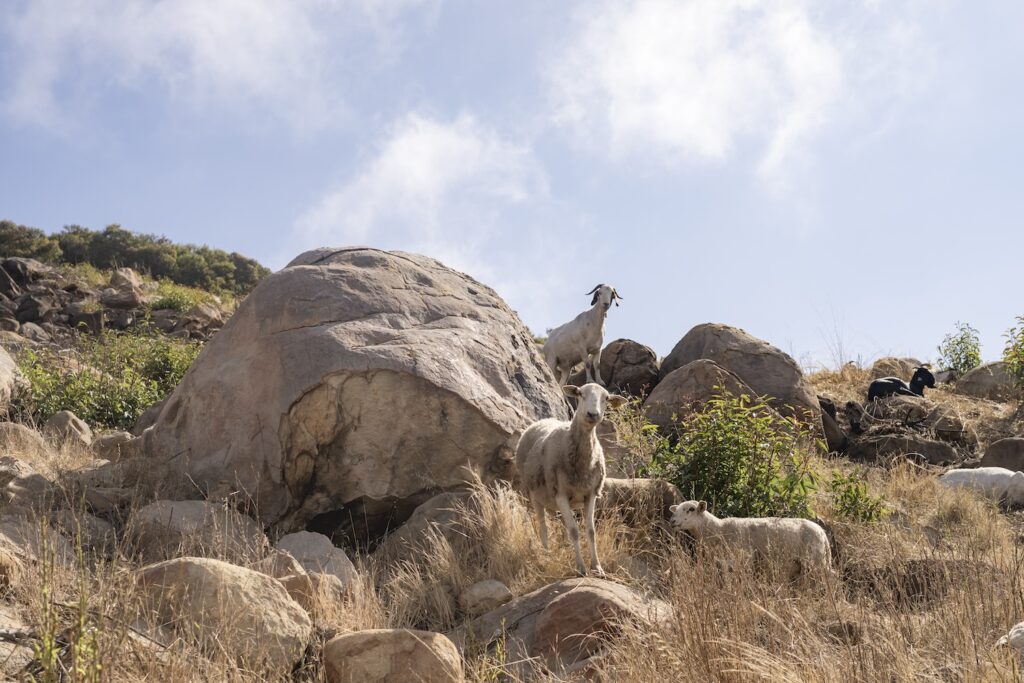
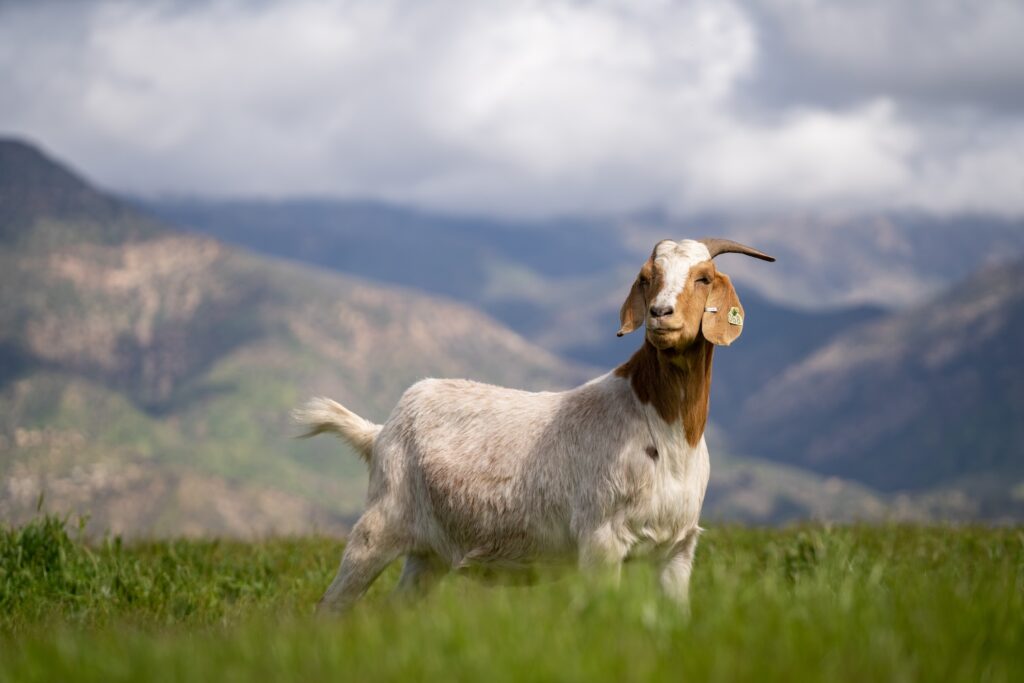
- Goats (Browsers): Goats naturally prefer woody vegetation, shrubs, and low-hanging tree branches. They are highly effective at thinning dense brush and creating "ladder fuel" breaks that prevent fire from climbing from the ground into the forest canopy.
- Sheep (Grazers): Sheep focus on grasses and lower-growing forage. They are utilized to reduce the height and density of the flashy fuels that often ignite first.
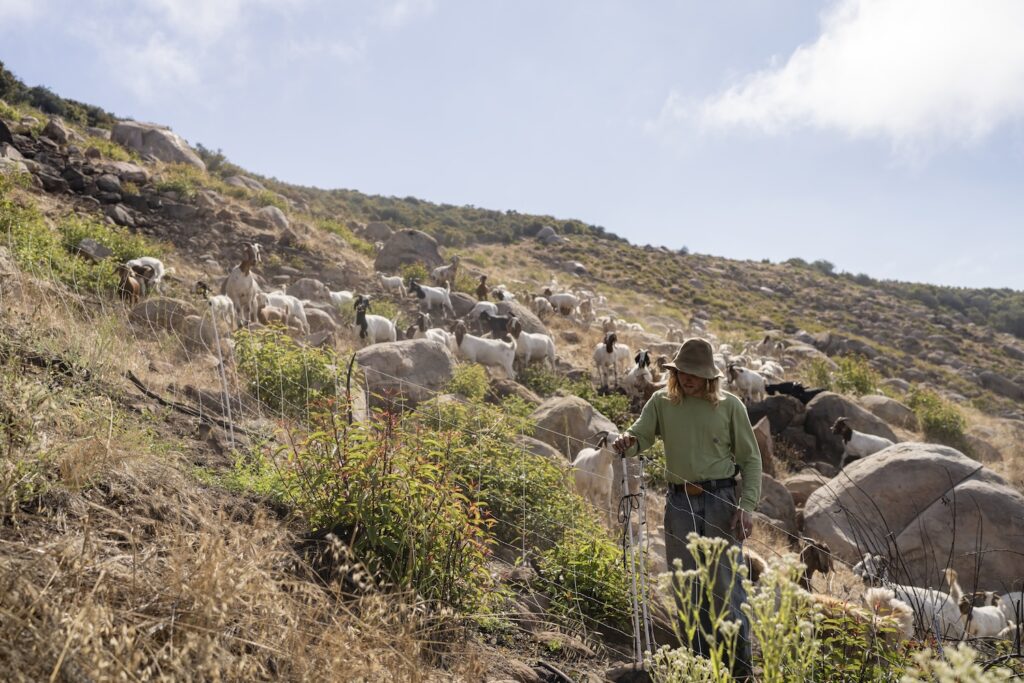
By deploying these species in combination, shepherds can tailor their strategy to the specific fuel conditions of a site. These animals are uniquely suited for the Southern California terrain; they can navigate steep, technical canyons, utility corridors, and suburban edges where heavy machinery would be either too dangerous or ecologically destructive to operate. Furthermore, small ruminants require significantly less water than cattle and can be moved through residential streets with minimal disruption, making them ideal for the urban-wildland interface.
A Chronology of Crisis: From the Thomas Fire to 2026
The shift toward widespread adoption of prescribed grazing has been accelerated by a series of catastrophic events that have reshaped the region’s understanding of fire risk.
- 2017: The Thomas Fire. This event devastated Ventura and Santa Barbara counties, burning over 280,000 acres. It served as a catalyst for local communities, such as those in the Ojai Valley, to seek alternative methods of land management that moved beyond reactive suppression.
- 2020–2024: The Pandemic and the Rise of Stewardship. During the isolation of the COVID-19 pandemic, practitioners like Cole Bush began building the infrastructure for the Grazing School of the West. This period saw an increased public interest in land stewardship as outdoor recreation became a primary outlet for the population.
- January 2025: The Los Angeles Fires. The eruption of fires across the Los Angeles basin in early 2025 highlighted the critical need for animal-based emergency response. During the Kenneth Fire near Agoura Hills, the Ojai Herd and Horse Network—a volunteer-led evacuation system—was formed to rescue livestock from hillsides where smoke and fire made traditional evacuation impossible.
- 2026: The Sandy Fire and the Madre Fire. These more recent events, including the Madre Fire in the Carrizo Plain (the largest of 2025) and the 2026 Sandy Fire in Ventura County, have underscored the permanence of the wildfire threat. These fires have led to the creation of new fire roads and more aggressive fuel-reduction mandates across the state.
The Intersection of Recreation and Land Stewardship
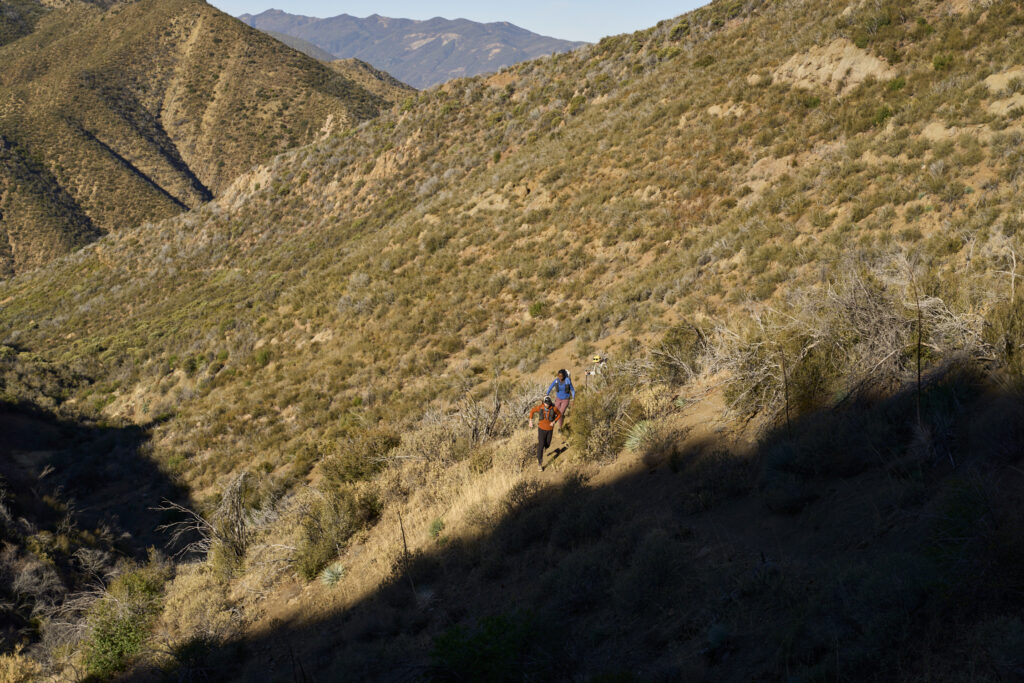
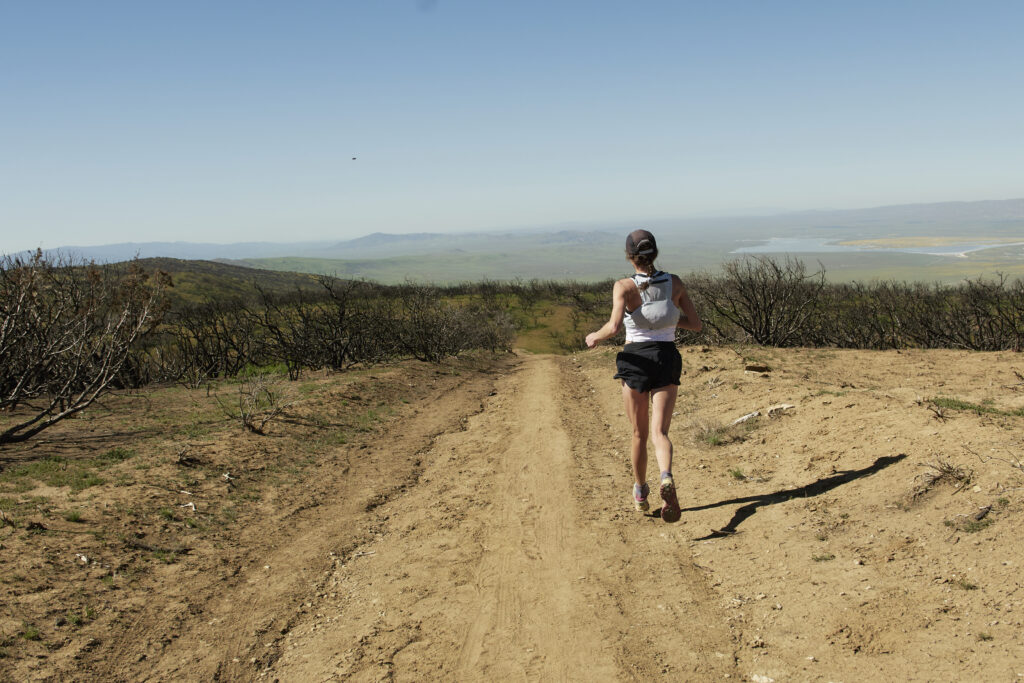
The relationship between the public and the landscape is perhaps most visible through the lens of outdoor recreation. For trail runners, hikers, and cyclists, the mountains of the Los Padres National Forest and the Santa Monica Mountains have long been viewed as places of escape. However, the reality of ecological instability is forcing a change in perspective.
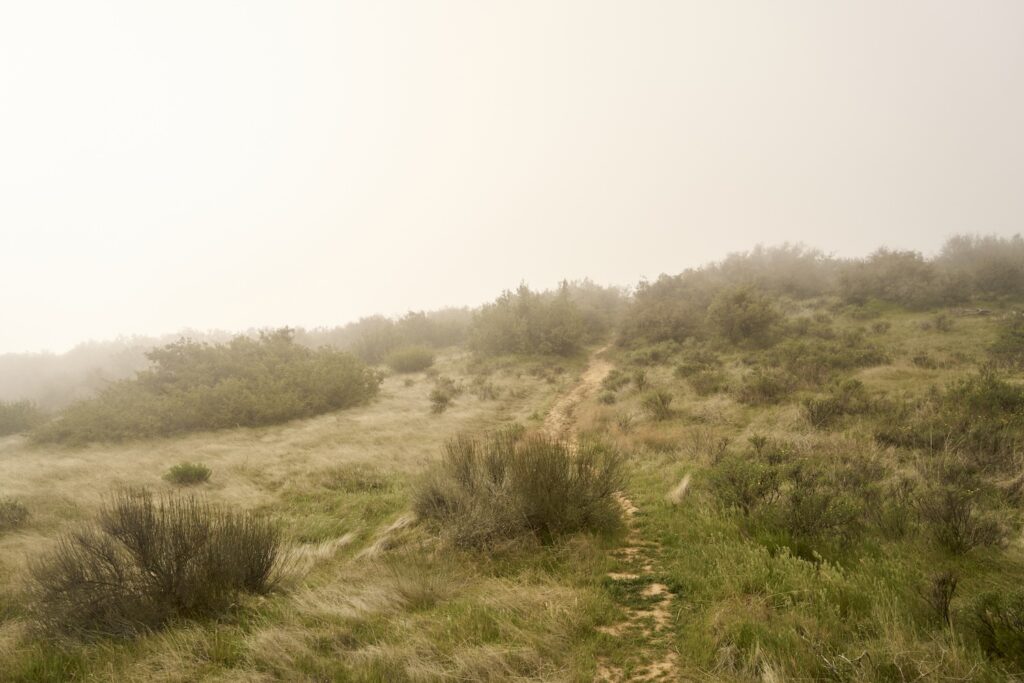
Liam Pickhardt, a photographer and trail runner who has documented the changing Western landscapes, notes that there is an increasing necessity to bridge the gap between recreation and active management. "The trails people run on and the open spaces people recreate in require active management now," Pickhardt explains. "They don’t just stay intact on their own anymore."
Trail runners, in particular, develop an intimate familiarity with the landscape through repeated passage. They are often the first to notice subtle shifts in vegetation, erosion patterns, or the return of native species. This "ecological attentiveness" mirrors the work of the shepherd. Both must observe the rhythm of the land, the behavior of the elements, and the health of the soil. As fire continues to reshape access to these spaces, the recreation community is being called upon to transition from passive consumers of the outdoors to active advocates for land health.
Policy Shifts and Community Resilience
The escalating wildfire threat has moved from an environmental concern to a structural policy issue affecting the entirety of California. The state is currently grappling with:
- Insurance Instability: Major insurers have withdrawn from fire-prone regions, leaving homeowners to rely on the state-mandated FAIR Plan, which offers limited coverage at high costs.
- Updated Hazard Mapping: New, more granular fire hazard maps are dictating where development can occur and what level of "defensible space" is required by law.
- Investment in Resiliency: Organizations like the Ojai Valley Fire Safe Council, led by figures such as Assistant Director Kalli O’Connor, are working to implement long-term cultural adaptations. This includes public education on "hardening" homes against embers and the coordination of community-wide fuel reduction projects.
Kalli O’Connor emphasizes that wildfire resilience cannot rely solely on fire departments. It requires a layered system of stewardship that includes prescribed fire, fuel breaks, and restoration. The goal is to move away from viewing fire as an external disaster and toward accepting it as an inevitable part of the ecosystem that must be managed with foresight.
The Role of the Modern Shepherd as Activist
For practitioners like Cole Bush, the work of shepherding is not merely about moving animals; it is a form of activism. The "modern shepherd" serves as a conduit between human communities and the natural world, facilitating a relationship based on observation and response rather than domination.
"We don’t want to just treat the symptom of a landscape that is out of balance," Bush states. "We want to look at the systemic cause of dysfunction." This involves evaluating soil compaction, water movement, and the pressure of invasive species before any animals are introduced. The practice is as much about restoring the "nervous system" of the land as it is about removing dry grass.
In the aftermath of recent fires, the role of the shepherd has expanded into emergency logistics and community mentorship. The formation of the Ojai Herd and Horse Network demonstrated that specialized knowledge of animal behavior is a critical asset during high-stress evacuations. By leading from the back—much like a shepherd with a flock—these practitioners are helping to guide a broader movement toward regional self-reliance and ecological health.
Conclusion: Shaping the Future Through Movement
Southern California’s future will undoubtedly be shaped by fire. The Mediterranean climate, combined with the legacy of fire suppression and the ongoing pressures of climate change, ensures that the region will continue to burn. However, the emergence of prescribed grazing and community-led stewardship offers a pathway toward a more resilient coexistence with the landscape.
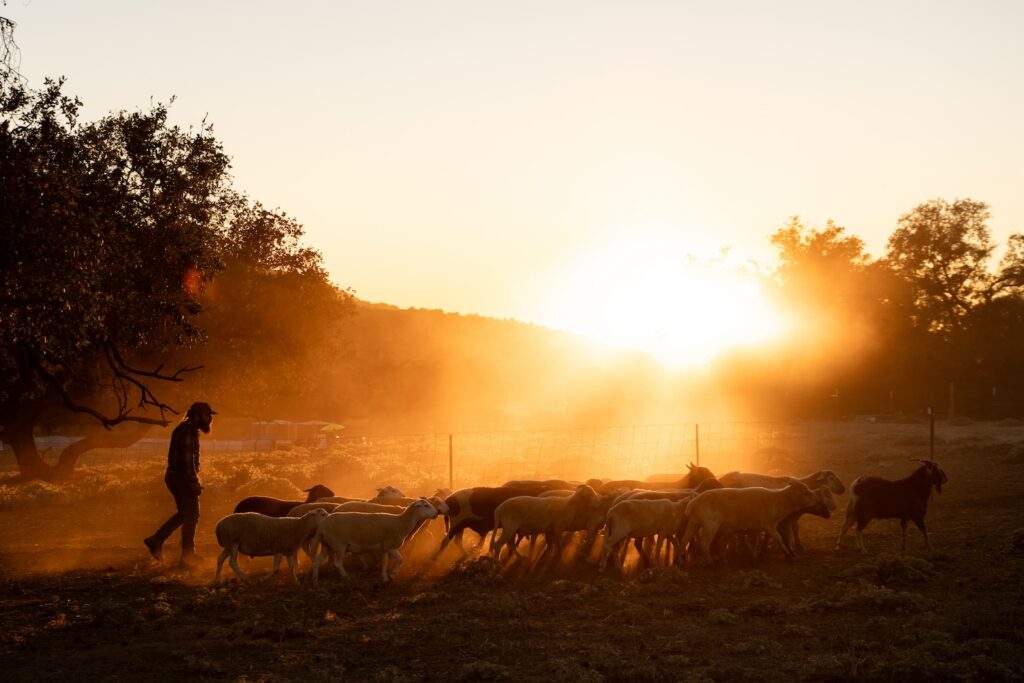
The restoration of movement—whether through the strategic grazing of sheep and goats or the informed engagement of the recreation community—is essential for maintaining the inhabitability of the region. As animals move through the hillsides of Malibu, Ventura, and Ojai, they are doing more than consuming fuel; they are helping to rebuild a functional ecology that can withstand the heat of the coming seasons. The lesson of the shepherd is one of quiet persistence: by listening to the land and moving with its rhythms, it is possible to shape a future that is defined not by catastrophe, but by adaptation and care.

