
The Environmental Protection Agency (EPA), established in 1970 under President Richard Nixon, was founded on a mandate to serve as the nation’s primary steward of public health and ecological integrity. Tasked with the enforcement of landmark legislation including the Clean Air Act and the Clean Water Act, the agency has historically functioned as the federal government’s primary firewall against industrial pollution. However, a recent and aggressive wave of deregulatory actions has fundamentally altered the agency’s trajectory, moving it away from its original mission of regulatory oversight and toward a policy of industry-aligned deregulation. This shift, which has unfolded over the past twelve months, has prompted significant concern among environmental advocates, public health experts, and the $1.1 trillion outdoor recreation sector, all of whom argue that the agency is currently experiencing a systematic erosion of its legal and scientific foundations.
The Legal Framework: The Endangerment Finding and Its Aftermath
At the heart of the current controversy is the rescission of the "Endangerment Finding." Originally finalized in 2009, this scientific determination concluded that greenhouse gas emissions—specifically carbon dioxide, methane, nitrous oxide, hydrofluorocarbons, perfluorocarbons, and sulfur hexafluoride—threaten both the public health and the welfare of current and future generations. This finding served as the essential legal bedrock for the EPA to regulate carbon emissions from power plants, motor vehicles, and industrial facilities under the Clean Air Act.
By overturning this finding, the current administration has effectively severed the legal tether connecting federal climate policy to the Clean Air Act. Without the Endangerment Finding, the EPA lacks the clear statutory authority to curb industrial greenhouse gas output. Legal scholars and climate scientists characterize this move as a pivot point that renders the United States largely unable to meet international climate commitments, such as those outlined in the Paris Agreement, and creates a regulatory vacuum that leaves power plants and heavy industry largely unconstrained by federal carbon mandates.
Chronology of Deregulatory Actions
The dismantling of these protections has not occurred in isolation; it follows a deliberate and accelerated timeline of policy rollbacks.
- Early Phase (Q1): The administration initiated the process by stacking the agency’s scientific advisory boards with industry-affiliated personnel, effectively sidelining career scientists. Simultaneously, the EPA began the formal process of re-evaluating the Endangerment Finding while issuing "energy emergency" declarations to keep aging, high-emission coal plants in operation.
- Intermediate Phase (Q2): The focus shifted to the systematic removal of pollution-mapping tools. The decommissioning of EJScreen—a vital resource for environmental justice advocates used to identify disproportionate pollution burdens on marginalized communities—was completed. During this period, the agency also narrowed the legal definition of "Waters of the United States" (WOTUS), stripping federal protections from thousands of streams and wetlands previously covered under the Clean Water Act.
- Current Phase (Q3–Q4): The most recent actions involve the near-total suspension of enforcement mechanisms. By expanding "enforcement discretion," the EPA has essentially granted industry players the ability to self-regulate, reducing both the frequency of site inspections and the severity of financial penalties for non-compliance. This period also saw the implementation of massive budget cuts, totaling nearly 50% of the agency’s operating capacity, which led to significant staff reductions and the loss of critical institutional knowledge.
The Economic and Environmental Stakes
For the Outdoor State—a coalition representing the 181 million Americans who participate in outdoor recreation—the implications are measured in both economic loss and public health crises. The outdoor recreation industry, which contributes roughly $1.1 trillion to the U.S. economy and sustains over 5 million jobs, is acutely vulnerable to environmental degradation.
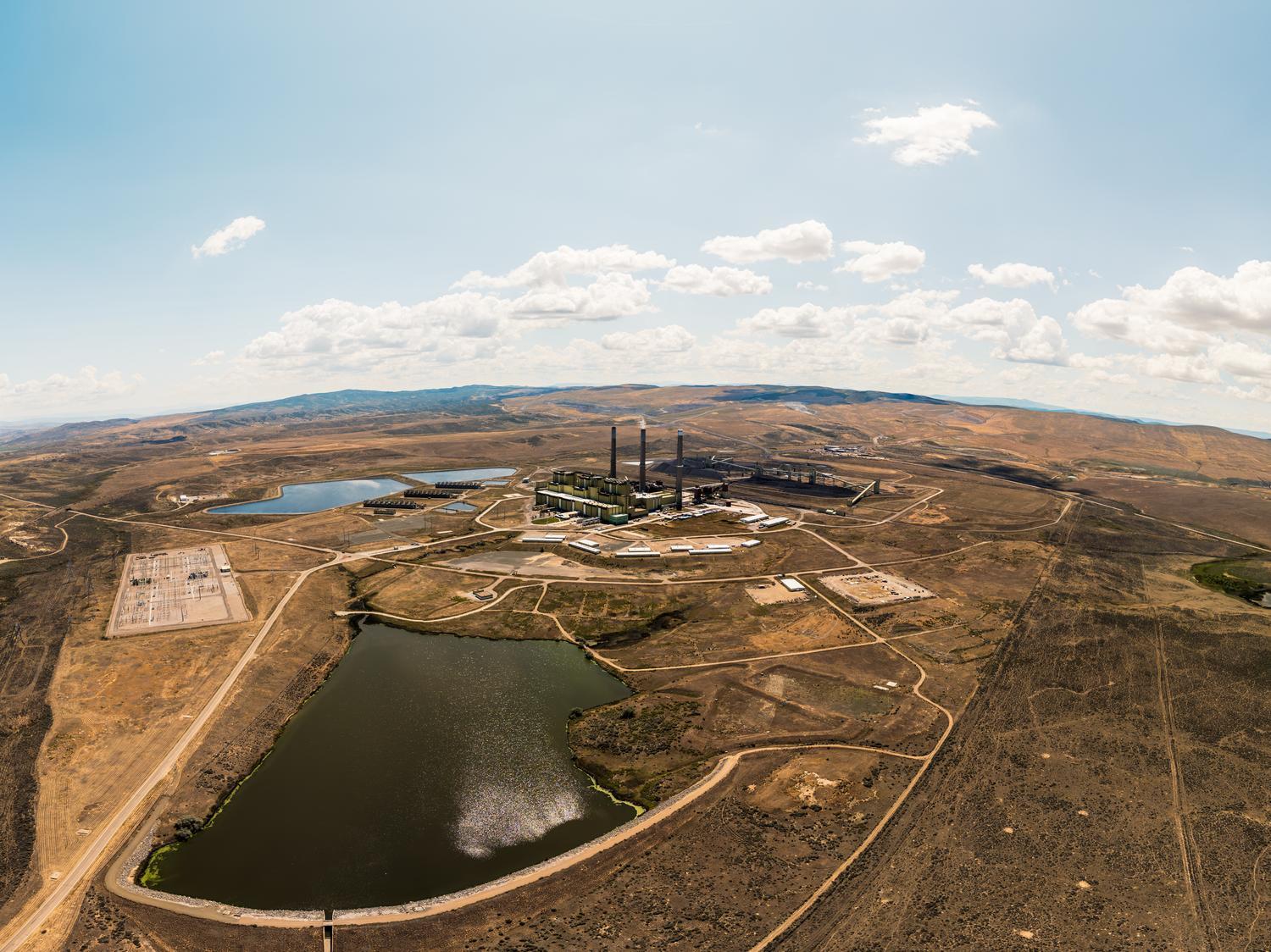
Data from recent years provides a grim outlook: Vermont has experienced a 22% decline in annual snow days over the last two decades, directly impacting tourism and regional livelihoods. In western urban centers, including Los Angeles, Salt Lake City, and Denver, the weakening of ozone and smog standards has contributed to an increase in high-pollution days. These atmospheric conditions have led to the frequent cancellation of athletic events, economic downturns for mountain towns reliant on consistent winter sports seasons, and heightened risks of asthma and cardiovascular disease for the local populations.
The rollback of the Mercury and Air Toxics Standards (MATS) further exacerbates these concerns. By reducing the stringency of limits on mercury, arsenic, and lead—all neurotoxins—the agency has knowingly increased the health risks associated with living near coal-fired power plants. Experts from the medical community have noted that such deregulation ignores decades of peer-reviewed data linking these specific pollutants to developmental delays in children and chronic respiratory conditions in adults.
Sidelining Science: The Shift in Institutional Culture
Perhaps the most profound change at the EPA is the transition from an evidence-based policymaking body to one driven by political considerations. The elimination of independent scientific advisory boards has meant that regulations are no longer subject to the rigorous vetting processes that characterized the agency for decades.
In place of peer-reviewed research, the agency has increasingly relied on internal policy directives that prioritize economic growth metrics over environmental safety standards. Furthermore, the dismantling of the EPA’s Office of Environmental Justice and the subsequent removal of environmental justice grant programs suggest a retreat from the agency’s responsibility to protect vulnerable populations—communities that have historically been located in the shadow of industrial polluters.
Official Responses and Advocacy Efforts
In response to these developments, organizations such as Protect Our Winters (POW) and the POW Action Fund have mobilized to challenge the current administration’s actions. Their representatives argue that the EPA has abandoned its duty to protect the "commonwealth of nature."
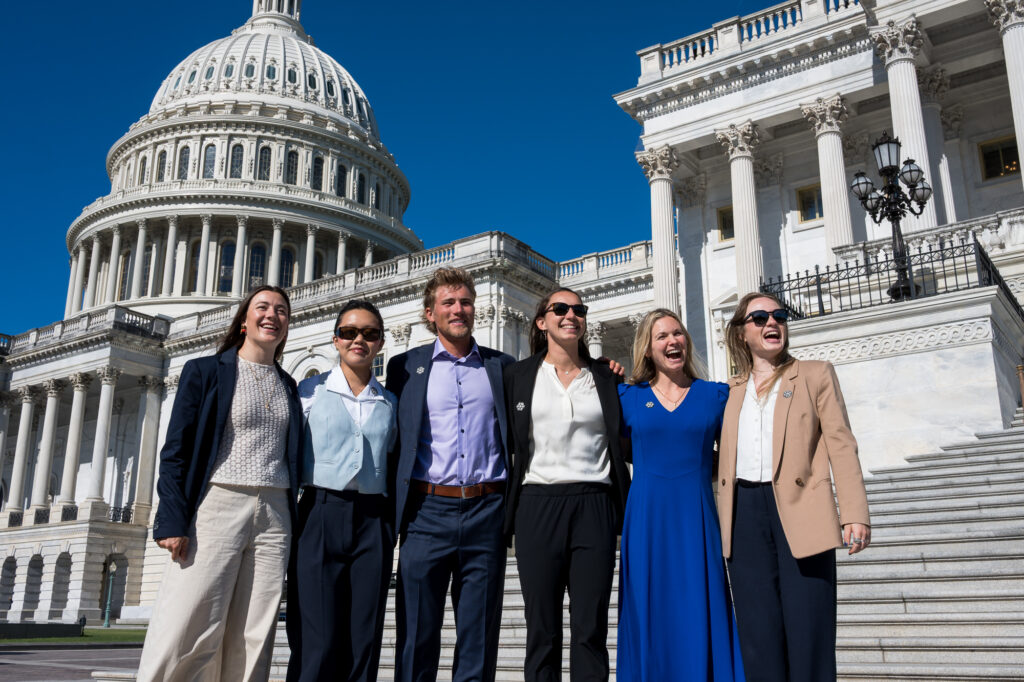
"The EPA was never intended to be an extension of the industries it is meant to regulate," a spokesperson for the POW Action Fund stated during a recent briefing. "By treating clean air and water as negotiable assets rather than essential human rights, the agency is failing the next generation. We are heading to Washington to demand a return to science-based governance and to hold lawmakers accountable for this systemic rollback."
While industry groups have largely praised the deregulatory trend, citing the reduction of compliance costs as a boon for domestic energy production and industrial competitiveness, the broader scientific and public health community remains unified in its opposition. Environmental law groups, including the Environmental Defense Fund and Earthjustice, have filed a series of lawsuits challenging the legality of the Endangerment Finding rescission, arguing that the EPA cannot ignore its own scientific record without significant legal justification.
Broader Implications and Future Outlook
The trajectory of the EPA serves as a bellwether for the broader U.S. approach to the climate crisis. The systematic removal of the Social Cost of Carbon—a metric used to estimate the economic damages associated with greenhouse gas emissions—means that the true cost of industrial activity is no longer being factored into federal infrastructure or energy projects.
As the agency shifts its mission toward "industry support," the long-term environmental costs are likely to compound. The degradation of water quality through the narrowing of WOTUS protections and the weakening of wastewater discharge limits poses a risk to municipal water supplies across the country. Simultaneously, the abandonment of the "Good Neighbor" rule—which prevented states from exporting air pollution to their neighbors—is expected to create regional political and public health tensions.
The upcoming legislative sessions in Washington, D.C., are expected to be dominated by debates over the EPA’s budget and the restoration of its regulatory authority. Whether Congress will intervene to reinstate the agency’s scientific mandate or continue to support the current deregulatory path remains the central question of the current political cycle. For now, the EPA stands as a diminished institution, with its regulatory teeth significantly blunted, leaving the burden of environmental stewardship to states, local governments, and the persistent advocacy of citizens who argue that a livable future depends on the restoration of federal oversight.

