
The suspension of summer skiing operations on the Horstman Glacier at Whistler Blackcomb marks a definitive turning point for the North American winter sports industry, signaling an end to an era that once defined the progression of freestyle skiing and snowboarding. For Mike Douglas, a professional Salomon athlete and a figure widely regarded as the "Godfather of Freeskiing," the loss of this glacial terrain is not merely a logistical change in the resort’s calendar but a stark environmental reckoning. When Douglas began his career in the 1990s, the Horstman Glacier served as a high-altitude training ground where the world’s elite athletes gathered to hone their skills during the summer months. Today, that same landscape has retreated so significantly that the infrastructure required to support skiing is no longer sustainable.
The indefinite closure of summer operations on the glacier, officially announced in 2020 and maintained through subsequent seasons, serves as the primary catalyst for a broader discussion on corporate accountability and environmental advocacy within the outdoor gear sector. As winters become increasingly volatile and snowpacks across the Pacific Northwest show long-term trends of decline, brands like Salomon are being forced to re-evaluate their manufacturing processes, supply chains, and the roles their sponsored athletes play in the public sphere. Through a strategic partnership with the non-profit organization Protect Our Winters (POW), Salomon and Douglas are attempting to bridge the gap between high-performance sports and systemic climate action.
The Decline of the Horstman Glacier: A Chronological Perspective
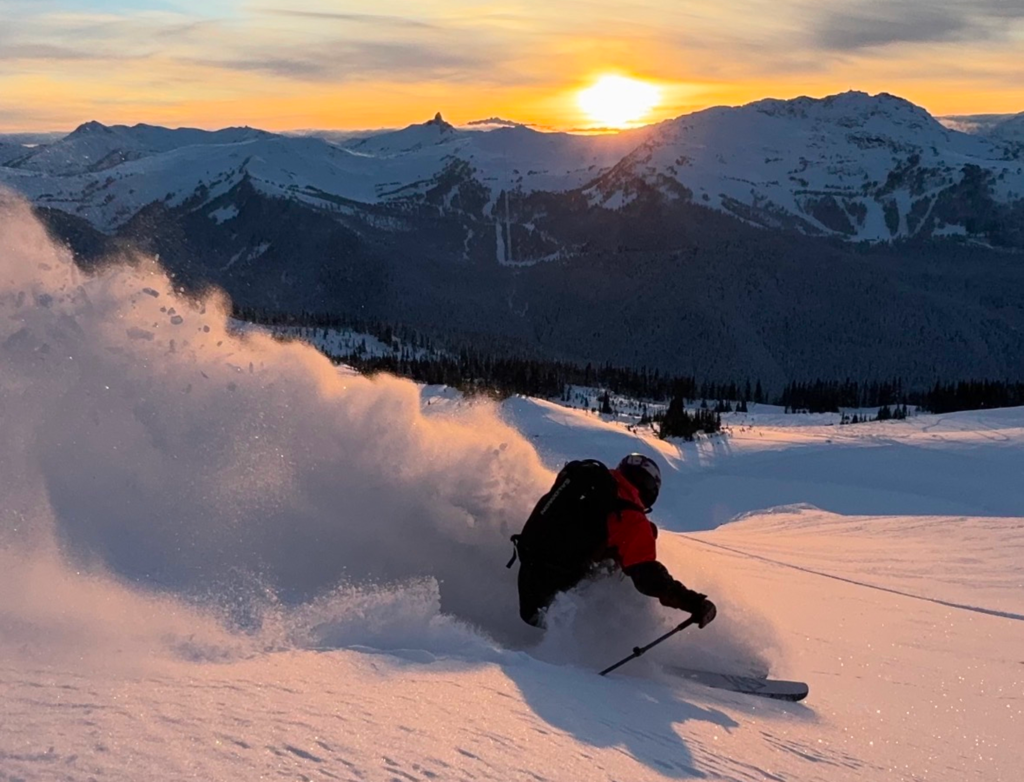
The Horstman Glacier, located on Blackcomb Mountain in British Columbia, was for decades the epicenter of summer ski culture in North America. Throughout the 1980s and 1990s, the glacier hosted numerous prestigious camps, including the Camp of Champions and the Momentum Ski Camps. These programs were instrumental in the development of modern freeskiing, providing a venue for athletes to practice maneuvers on man-made jumps and rails when lower-elevation snow had long since melted.
However, the physical reality of the glacier began to shift rapidly at the turn of the millennium. Glaciologists have noted that the Horstman, like many alpine glaciers in Western Canada, has been in a state of negative mass balance for years, meaning it loses more ice in the summer than it gains from winter snowfall. By the mid-2010s, the retreat was visible to the naked eye. The rocky outcroppings that were once buried under meters of perennial ice began to dominate the landscape.
In July 2020, Whistler Blackcomb, operated by Vail Resorts, made the decision to permanently end summer ski operations on the Horstman. The company cited the rapid recession of the glacier as the primary factor, noting that the seasonal maintenance of the T-bars and the grooming of the surface had become increasingly difficult and environmentally taxing. The removal of the Horstman T-bar in 2020 served as a symbolic conclusion to over 30 years of summer skiing history. For Mike Douglas, who spent thousands of hours on that ice, the disappearance of the glacier is a firsthand witness account of a changing climate that is no longer up for debate.
Scientific Context and Regional Impact
The situation on Blackcomb is a localized example of a global phenomenon. According to data from the University of Northern British Columbia and various federal environmental agencies, glaciers in Western Canada are projected to lose between 60% and 100% of their volume by the year 2100, depending on global emission trajectories. This loss has profound implications for regional ecosystems, as glacial meltwater is critical for maintaining stream temperatures and water levels during the dry summer months, which in turn supports salmon populations and local agriculture.
For the ski industry, the shrinking snowpack translates to a direct economic threat. A study published in the journal Anthropocene suggests that the average ski season in North America could see a reduction of 50% by 2050 under high-emission scenarios. This puts billions of dollars in tourism revenue at risk and threatens the livelihoods of thousands of workers in mountain communities. The realization that the very foundation of their business is melting has prompted a shift in how major manufacturers like Salomon operate.
Salomon’s Strategic Shift Toward Responsible Manufacturing
As a global leader in winter sports equipment, Salomon’s environmental footprint is significant. The production of skis, boots, and technical apparel involves complex global supply chains, energy-intensive manufacturing, and the use of various plastics and chemicals. Mike Douglas has transitioned from a purely performance-focused athlete to a consultant who helps the brand navigate the "practical realities" of achieving net-zero emissions.
Salomon’s current sustainability framework, often referred to as the "Play-Minded Program," focuses on several key pillars:
- Product Circularity: The brand has invested in research to develop recyclable products, such as the Index.01 running shoe and advancements in ski boot shells that can be more easily disassembled and repurposed at the end of their lifecycle.
- Supply Chain Decarbonization: By 2030, Salomon aims to reduce its aggregate carbon emissions by 30%. This involves transitioning to renewable energy sources at manufacturing facilities, particularly in the Annecy Design Center in France.
- Material Innovation: The reduction of perfluorinated chemicals (PFCs) in waterproof coatings and the increased use of recycled polyester in soft goods are now standard components of their seasonal product lines.
Douglas emphasizes that while these technical changes are essential, they must be paired with athlete-led advocacy to influence consumer behavior and policy. He argues that a brand’s most significant "move" is not just internal efficiency but external advocacy.
The Role of Protect Our Winters (POW) and Athlete Advocacy
The partnership between Salomon and Protect Our Winters (POW) represents a shift in the traditional athlete-sponsor relationship. Founded by professional snowboarder Jeremy Jones in 2007, POW has evolved into a sophisticated political advocacy group that mobilizes the outdoor community to push for systemic climate policy. Mike Douglas joined the POW Canada Alliance in 2018, leveraging his status as the "Godfather of Freeskiing" to reach a demographic that might otherwise be indifferent to environmental messaging.
Through POW, athletes receive training in climate science and communication, enabling them to speak effectively to lawmakers and corporate boardrooms. This advocacy takes several forms:
- The Quality Ski Time (QST) Tour: A collaborative effort that combines film screenings and athlete meet-and-greets with discussions on environmental stewardship.
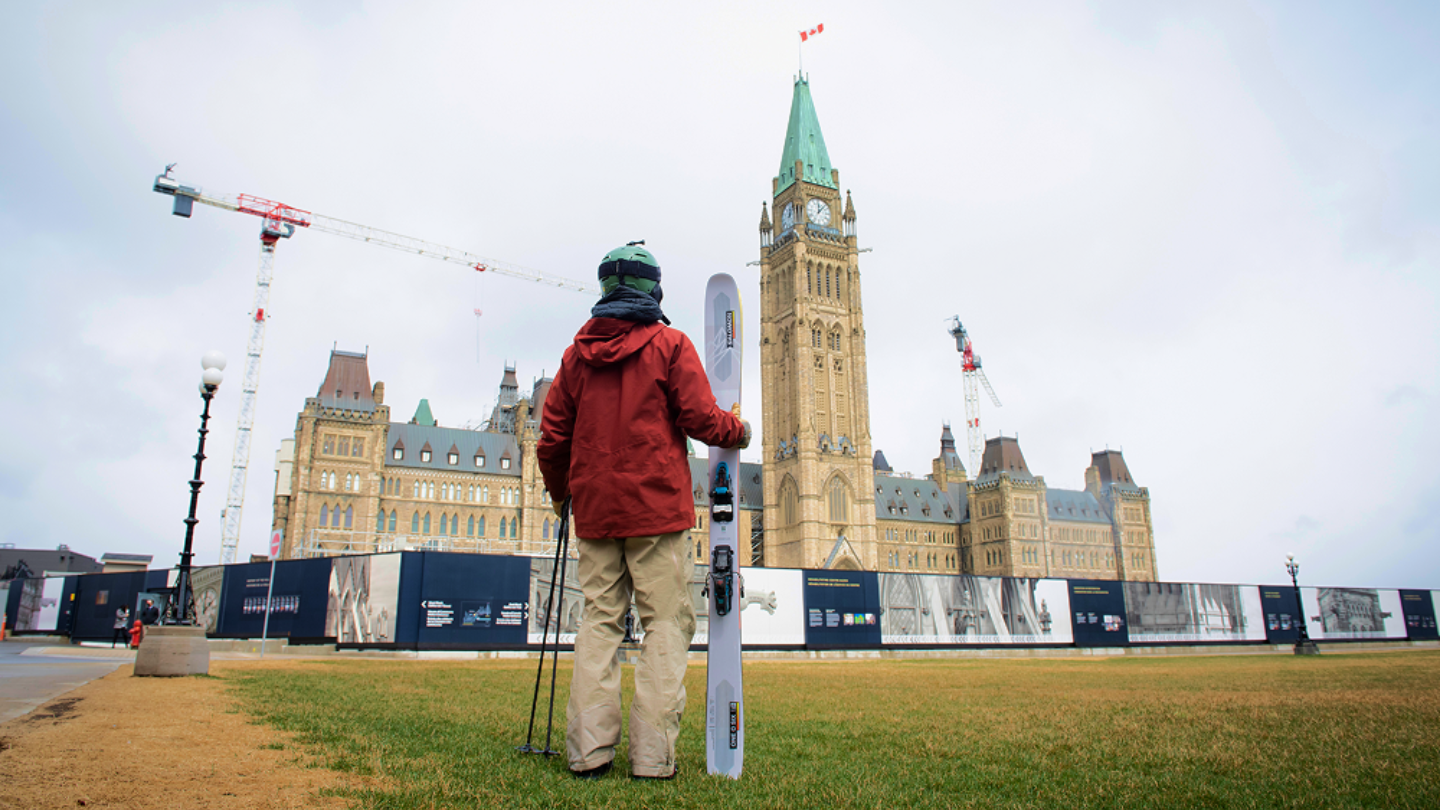
- Lobbying Efforts: Athletes like Douglas have participated in missions to Ottawa and Washington, D.C., to advocate for carbon pricing and renewable energy investment.
- Educational Content: Salomon supports film projects that document the changing mountain landscape, aiming to move the audience from passive observation to active participation in climate solutions.
Douglas notes that athletes carry a unique level of trust. In an era of misinformation, a professional skier describing the loss of a glacier they have known for three decades provides a visceral, undeniable testimony that data points alone cannot achieve.
Broader Industry Implications and the Path Forward
The challenges faced by Whistler Blackcomb and Salomon are reflective of a broader crisis within the $20 billion North American outdoor recreation industry. Other major players have begun to follow suit. Vail Resorts, for instance, has launched its "Commitment to Zero" initiative, aiming for a zero net operating footprint by 2030, which includes zero waste to landfills and zero net emissions.

However, critics and industry analysts point out that the window for meaningful action is narrowing. The "snow-reliable" resort—once a guarantee in high-latitude or high-altitude areas—is becoming a luxury. The reliance on energy-intensive snowmaking is a temporary solution that faces its own limitations as overnight temperatures rise.
The analysis of the current situation suggests that the outdoor industry is moving into a "post-glacier" mindset. This involves:
- Diversification of Mountain Activities: Resorts are increasingly investing in summer mountain biking and hiking infrastructure to offset the loss of winter revenue.
- Policy-First Corporate Strategy: Leading brands are recognizing that individual "green" choices by consumers are insufficient without large-scale legislative changes regarding energy grids and carbon emissions.
- Transparency in Progress: There is an increasing demand for brands to provide audited reports on their sustainability goals to avoid "greenwashing" accusations.
Conclusion: A Call to Collective Responsibility
The story of Mike Douglas and the Horstman Glacier is a microcosm of the global climate struggle. The transition from the 1990s, where the environment was viewed as a static playground, to the 2020s, where it is recognized as a fragile and rapidly changing system, defines the current state of the industry.
Salomon’s integration of sustainability into its business model and its support for POW’s advocacy work suggest a path forward for other corporate entities. As Douglas asserts, the era of silent participation is over. The disappearance of summer skiing on the Horstman Glacier is a permanent reminder that the outdoor culture is inextricably linked to the health of the planet. The industry’s survival depends not just on the quality of the gear it produces, but on its ability to lead a collective effort to preserve the winters that make the sport possible. The window for this action, as Douglas warns, is closing, and the transition from awareness to systemic change is no longer optional—it is a matter of survival for the sport and the mountains themselves.

