
The Northwest Avalanche Center (NWAC) is spearheading a significant national effort to streamline and modernize how avalanche and mountain weather forecasts are disseminated across the United States. Through its dedicated technology team, internally referred to as "Avy," NWAC is fostering a collaborative environment among avalanche centers nationwide to develop shared digital tools. These tools are designed to enhance the accessibility, consistency, and overall effectiveness of crucial safety information for all backcountry enthusiasts.
The "Avy" initiative is comprised of two core product streams: AvyWeb, a web-based platform, and AvyApp, a mobile application. This ambitious undertaking aims to overcome the historical fragmentation of forecast delivery, which has often led to inconsistent user experiences and duplicated technological investments across various regional avalanche centers.
The Imperative for Technological Innovation at NWAC
NWAC’s commitment to technological advancement is intrinsically linked to its core mission: expanding access to vital backcountry forecasts and educational resources. By embracing multiple digital modalities, NWAC seeks to reach a broader audience and ensure that critical safety information is readily available to everyone venturing into mountainous terrain.
A foundational element of this collaborative ecosystem is the Avalanche Forecast Platform (AFP), a shared tool utilized by nearly all U.S. avalanche centers for publishing forecasts, managing observations, and performing other essential operational tasks. The AFP has already demonstrated the power of inter-center cooperation, laying the groundwork for more sophisticated, user-facing digital solutions. As one of the nation’s largest and most robustly resourced AFP centers, NWAC recognized a unique opportunity to build upon this collaborative foundation by developing shared digital tools directly accessible to the public.

Embracing Collaboration to Drive Efficiency and Consistency
The strategic advantage of a unified digital system lies in its ability to leverage collective technological best practices, user-centric design insights, and aggregated data to continuously improve the user experience. NWAC strongly believes that consistency in forecasting products benefits all backcountry users, simplifying decision-making and enhancing safety.
Historically, the landscape of avalanche forecasting was characterized by a decentralized approach. Each avalanche center typically managed its own website, often requiring a complete rebuild every five to seven years. This model placed a considerable burden on staff, demanding either extensive technical expertise or the allocation of limited budgets to hire external technical specialists. The "Avy" initiative directly addresses this challenge by pooling resources and expertise. Smaller avalanche centers, which may lack the financial capacity or technical staff to develop and maintain sophisticated digital platforms independently, now gain access to cutting-edge technology. In return, NWAC benefits from the valuable feedback and shared investment from these participating centers. The Avy team assumes the responsibility for technological development and maintenance, allowing avalanche center staff to concentrate on their primary expertise: forecasting and public safety education.
Current Progress and Achievements
Both AvyWeb and AvyApp have achieved stable operational status, setting the stage for the implementation of new functionalities. While the allure of novel designs and advanced features is undeniable, the NWAC team is adopting a deliberate approach to development, ensuring that every invested dollar is utilized with maximum impact and efficiency.
The AvyApp is currently in a robust state, with a clear prioritization of new features underway. The platform has already seen significant adoption, with 15 avalanche centers actively utilizing the app to deliver their forecasts and information. This widespread integration underscores the growing demand for a standardized and user-friendly mobile interface for avalanche safety.
On the AvyWeb front, significant milestones have been reached. Both the Sierra Avalanche Center and the Sawtooth Avalanche Center have successfully launched on Version 1 of the platform. Furthermore, NWAC has developed an embedded course catalog for the American Avalanche Association. This innovative product is designed to be seamlessly integrated into any website, and its deployment is anticipated on avalanche center websites nationwide in the near future. The Avy team is currently engaged in extensive polishing, general development, and the implementation of smaller, impactful features. As the holiday season approaches, the focus will shift to maintenance and bug fixing, with a temporary pause on new feature development. This strategic break will allow for a comprehensive review and preparation for an intensified development cycle in the new year.
Future Roadmap and Vision
The roadmap for the "Avy" initiative is extensive and ambitious, outlining a clear trajectory for enhanced functionality and broader integration. Several key features are highlighted as particularly significant, made possible by the unified platform approach. NWAC itself is slated to transition to the new AvyWeb platform during the 2025-2026 season, marking a significant step in its own technological evolution.
AvyApp Enhancements:
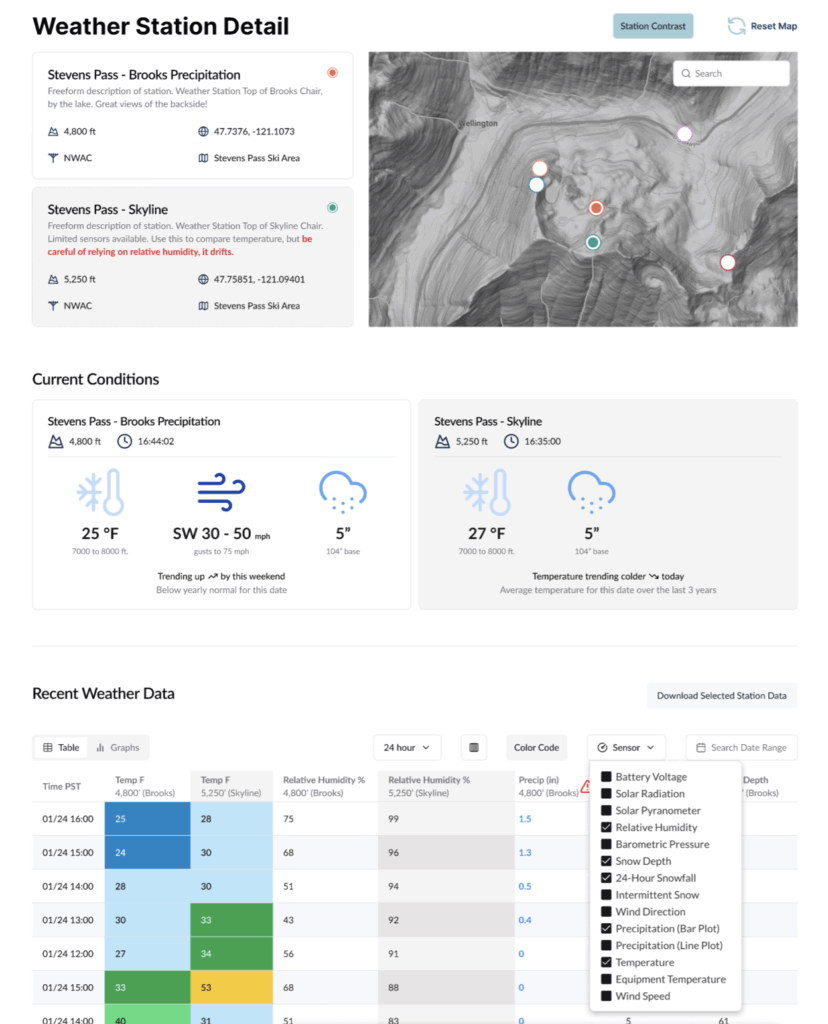
The ongoing development of AvyApp is focused on enriching the user experience with advanced features designed for real-time safety and planning. Future iterations are expected to include enhanced real-time data visualization, allowing users to access up-to-the-minute weather station readings, including temperature, wind speed and direction, and precipitation data, presented in an intuitive graphical format. This will be complemented by advanced mapping capabilities, offering layered information such as terrain features, recent avalanche activity, and snowpack stability data. A critical development will be personalized alert systems, enabling users to set custom notifications for specific regions or forecast parameters, ensuring they receive timely warnings about changing conditions. Furthermore, improved offline functionality is a key objective, allowing users to download forecasts and maps for areas with limited or no cellular service, a vital consideration for remote backcountry travel. Enhanced social integration and community-driven reporting features are also planned, facilitating the sharing of real-time observations and conditions among users, thereby creating a more dynamic and informed safety network.
AvyWeb Advancements:
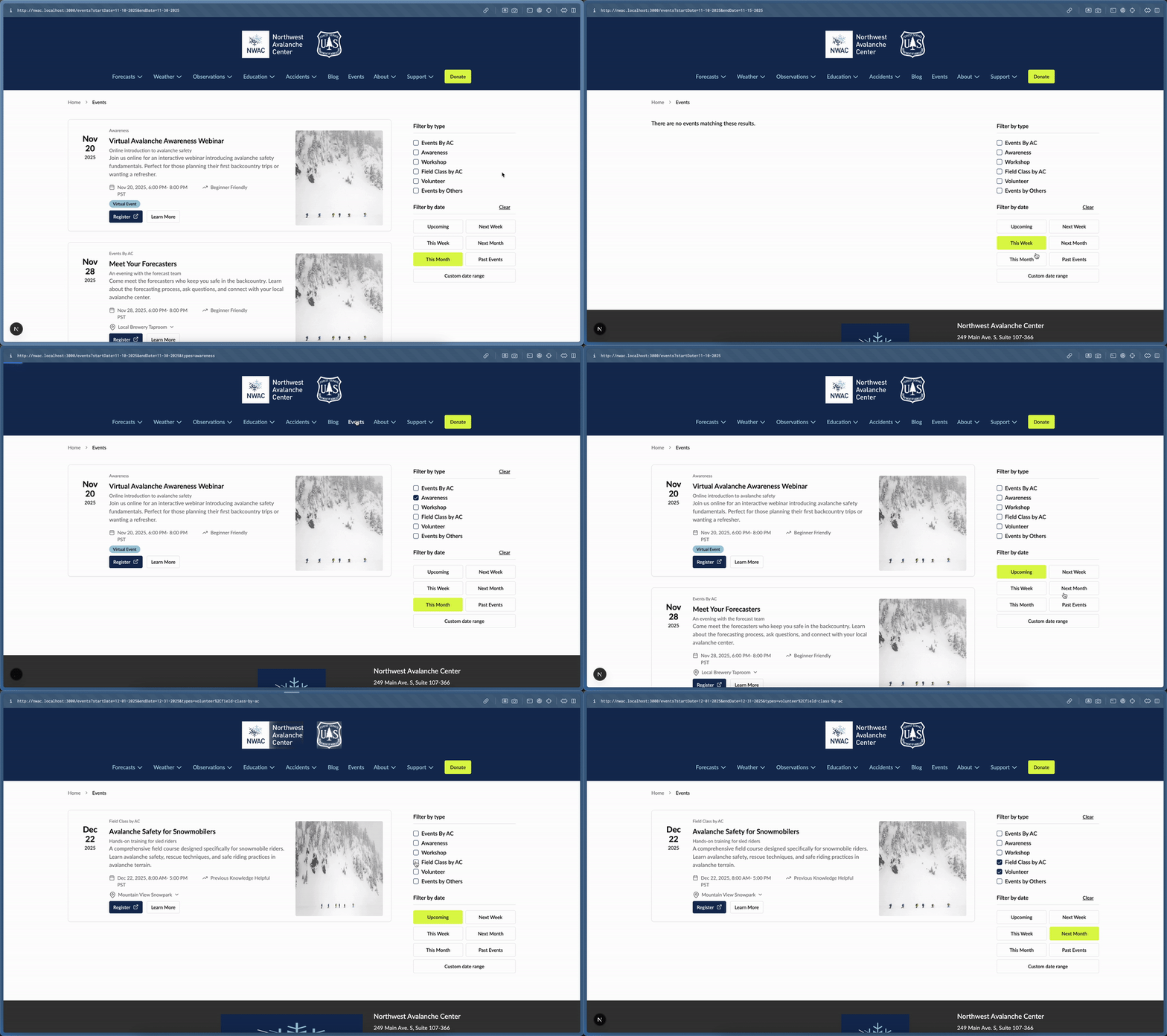
The evolution of AvyWeb is geared towards providing comprehensive planning tools and a richer informational experience. Future enhancements will include a robust incident reporting system, allowing users to easily submit detailed observations about snowpack conditions, avalanche activity, and other relevant hazards, which can then be reviewed and integrated into forecasts by avalanche forecasters. Advanced analytics and historical data visualization tools will offer users the ability to explore long-term weather patterns and snowpack trends, providing valuable context for current conditions. A comprehensive educational resource library, featuring articles, videos, and interactive modules on avalanche safety and backcountry preparedness, will be integrated directly into the platform. Furthermore, enhanced integration with external data sources, such as satellite imagery and high-resolution topographical maps, will provide users with a more complete picture of the terrain and potential hazards. The platform will also support advanced customization options, allowing users to tailor their dashboards and information displays to their specific needs and preferences.
Broader Impact and Implications
The "Avy" initiative represents a paradigm shift in how avalanche safety information is managed and disseminated in the United States. By fostering collaboration and investing in shared digital infrastructure, NWAC and its partner avalanche centers are not only modernizing their operations but also significantly enhancing public safety in mountainous regions.
The implications of this unified approach are far-reaching. For avalanche centers, it translates to greater operational efficiency, reduced technological overhead, and the ability to focus resources on core forecasting and public outreach. For backcountry users, it promises a more consistent, accessible, and user-friendly experience, regardless of their geographic location. This improved access to information can lead to better-informed decision-making, a reduction in preventable accidents, and a greater overall appreciation for the inherent risks and responsibilities associated with backcountry recreation.
The success of the "Avy" initiative also serves as a model for other data-intensive, geographically dispersed organizations that rely on shared information for public safety. The principles of collaboration, open standards, and user-centric design championed by NWAC can be applied to a wide range of fields, demonstrating the power of collective action in addressing complex challenges. As the initiative continues to evolve, its impact on avalanche safety and backcountry preparedness in the United States is expected to be substantial and enduring.

