
The World Championships in Sprint Orienteering, taking place this week in the historic city of Genova, Italy, represent the undisputed highlight of the season for the sport. For athletes like Kasper Fosser, widely considered Norway’s strongest contender, this event has been the singular focus of their rigorous training regimen. The Norwegian contingent arrives with significant medal aspirations, bolstered by a string of impressive performances in the recent World Cup series. Langrenn.com will be providing live coverage of all three final days, encompassing the Sprint, Knockout Sprint, and Sprint Relay disciplines.
Norway’s strong showing in the lead-up to the World Championships has generated considerable optimism. The national team has demonstrated exceptional form in sprint orienteering throughout the current World Cup season. Notably, Norway has secured victories in both sprint relay events contested so far, and last season, they clinched the distance event at the European Championships held in Belgium. This consistent success underscores their readiness to contend for top honors on the global stage.
Individual triumphs have further fueled Norway’s confidence. Both Kasper Fosser and Eirik Langedal Breivik have achieved individual sprint victories in the current year’s World Cup circuit. Adding to this formidable lineup is Pia Young Vik, the reigning European Champion, who has consistently challenged for podium places in World Cup competitions. Her presence adds significant depth and experience to the Norwegian women’s team.
However, the Norwegian camp faces a notable absence in Andrine Benjaminsen, who is sidelined due to injury. Her anticipated role on the relay team will likely be filled by Victoria Håstad Bjørnstad, a strategy that proved successful during the recent World Cup event in Sweden. Bjørnstad’s integration into the relay team is a testament to the squad’s depth and adaptability.
The Favorites and the Underdogs
In the women’s competition, Switzerland’s Simona Aebersold is widely regarded as the leading favorite. As Kasper Fosser’s partner, her prowess on the orienteering course is well-documented. However, she faces stiff competition from several formidable athletes. Sweden’s Hanna Lundberg and Norway’s Pia Young Vik are considered strong contenders, capable of challenging for the top spot. Additionally, Denmark’s rising star, Hedvig Valbjorn Gydesen, has emerged as a significant threat. The young Danish runner has achieved a sensational two victories this season, showcasing her exceptional talent and competitive spirit.
Despite the established favorites, the nature of sprint orienteering makes predictions inherently challenging. The discipline demands not only speed and endurance but also intricate route choices and flawless execution under pressure. A large number of competitors and nations are vying for medal positions, making the competition unpredictable and exciting. A total of 242 athletes from 45 nations are participating in this year’s World Championships, a testament to the global reach and popularity of the sport.
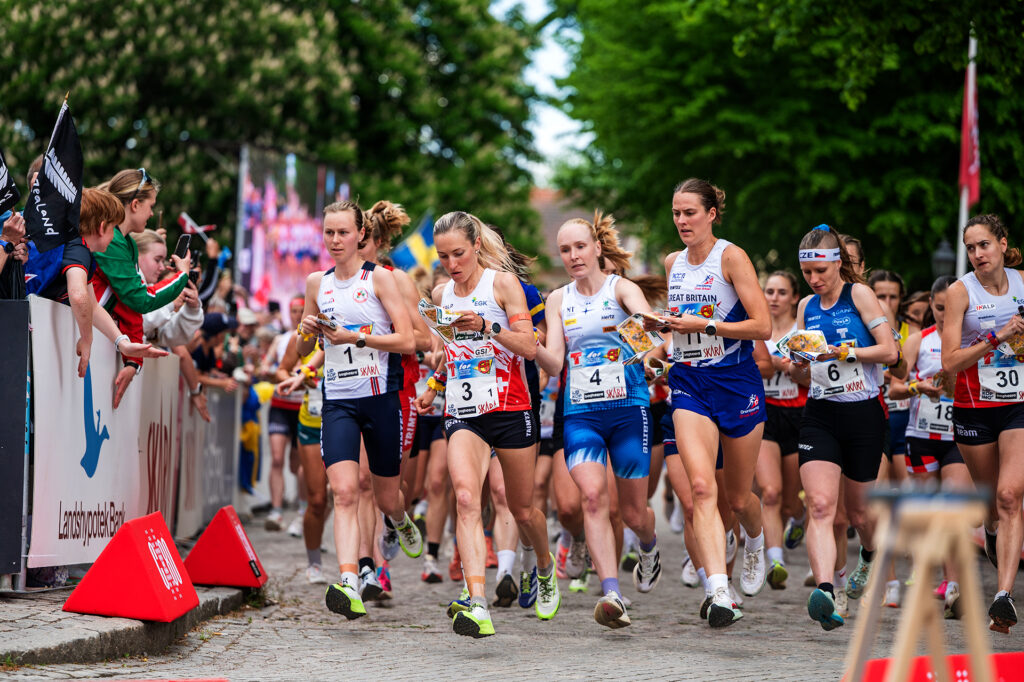
The Genova Terrain: A Test of Skill and Strategy
The World Cup circuit made a stop in Genova last year, providing athletes with a preview of the challenging terrain that awaits them. The Ligurian capital is known for its technical courses, demanding precise navigation and rapid decision-making. Competitors can anticipate similarly demanding routes this time around, though the elite athletes are well-prepared and have a general understanding of what to expect.
Notably, both Kasper Fosser and Simona Aebersold emerged victorious in the technically demanding sprint race held in Genova a year ago, highlighting their adaptability and skill on this specific type of terrain. This past success may offer a psychological advantage as they return to compete for the world title.
The previous Sprint World Championships, held in Edinburgh two years ago, saw a more subdued performance from the Norwegian team, with Jørgen Baklid securing a single silver medal in the Knockout Sprint. Sweden dominated the sprint disciplines, with Martin Regborn and Tove Alexandersson claiming the titles. However, neither of these athletes will be competing in Genova this year; Regborn is recovering from injury, and Alexandersson is focusing on mountain orienteering. Tove Alexandersson had also won the Knockout Sprint, while Switzerland secured both the Sprint Relay and Knockout Sprint titles through Riccardo Rancan. The absence of previous champions opens up the field and creates new opportunities for emerging talents.
Understanding the Disciplines
The Sprint World Championships encompass three distinct formats, each testing different aspects of an orienteer’s skillset:
- Sprint: This is the most traditional format, characterized by a fast-paced race through an urban or park environment. Athletes navigate a series of control points, requiring quick thinking, efficient route choice, and sustained speed.
- Knockout Sprint (KO Sprint): This format introduces an elimination-style competition. Athletes compete in small heats, with the fastest progressing to the next round. This format adds a significant element of head-to-head racing and tactical maneuvering.
- Sprint Relay: This team-based event involves multiple legs, with each team member completing a section of the course. The relay format emphasizes teamwork, consistent performance across all legs, and the ability to handle pressure as a unit.
Norway’s Squad for Genova
The Norwegian team arriving in Genova comprises a talented and well-prepared group of athletes, eager to make their mark on the international stage.
Women’s Team:
- Victoria Håstad Bjørnstad (Nydalens SK): Competing in the Sprint and Knockout Sprint. Her role on the relay team is also anticipated.
- Ane Dyrkorn (Nydalens SK): Entered in both the Sprint and Knockout Sprint.
- Kristin Melby Jacobsen (Larvik OK): Slated to compete in the Sprint discipline.
- Pia Young Vik (Nydalens SK): The reigning European Champion, competing in the Sprint (with a dedicated spot following her EM gold in 2025) and Knockout Sprint. Her proven track record makes her a significant medal hopeful.
- Reserve: Marie Olaussen (Fredrikstad SK)
Men’s Team:
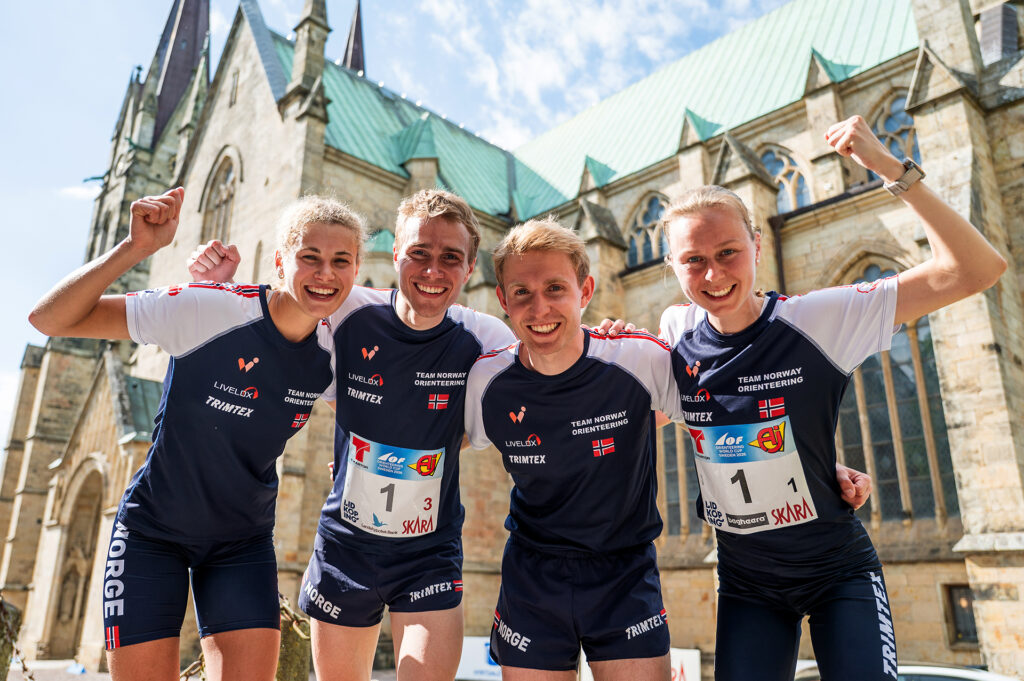
- Eirik Langedal Breivik (Nydalens SK): Selected for both the Sprint and Knockout Sprint.
- Alfred Bjørnerød (OK Moss): Will participate in the Knockout Sprint and serves as a reserve for the Sprint.
- Kasper Fosser (Heming Orientering): The top Norwegian prospect, competing in both the Sprint and Knockout Sprint. His focused preparation highlights the importance of this event.
- Lukas Liland (Nydalens SK): Entered in the Sprint and is a reserve for the Knockout Sprint.
Broadcast Schedule
For fans eager to follow the action, langrenn.com will provide comprehensive live coverage of the World Championships:
- Tuesday: 14:10 – 17:00 (Sprint)
- Friday:
- 12:55 – 14:20 (Knockout Sprint Quarter-finals)
- 14:50 – 17:00 (Knockout Sprint Semi-finals and Finals)
- Saturday: 15:30 – 17:00 (Sprint Relay)
The commentary for these broadcasts will be provided by Kjell-Erik Kristiansen, ensuring expert insights and analysis for viewers.
Historical Context and Future Implications
The World Championships in Sprint Orienteering have evolved significantly since their inception. Initially part of larger orienteering events, sprint disciplines have gained prominence due to their spectator-friendly nature and the intense athletic demands they place on competitors. The inclusion of the Knockout Sprint format has further amplified the excitement, introducing a direct head-to-head element that captivates audiences.
The performances in Genova this week will not only determine the current world champions but also shape the trajectory of many athletes’ careers and influence national team strategies for future competitions. For Norway, a strong showing in Genova would solidify their position as a dominant force in sprint orienteering and inspire a new generation of athletes. Conversely, any underperformance could prompt a re-evaluation of training methods and athlete development programs.
The technical demands of the Genova terrain, combined with the high level of competition, promise a thrilling spectacle. Athletes will need to exhibit not only physical prowess but also exceptional mental fortitude and strategic acumen. The ability to adapt to changing conditions, make split-second decisions, and maintain composure under pressure will be paramount to success. As the event unfolds, the world will be watching to see who can master the intricacies of this urban labyrinth and emerge as the sprint orienteering champions of 2026. The stakes are high, and the competition is expected to be fierce, making this a truly unmissable event for orienteering enthusiasts worldwide.

