
A Counter-Cultural Genesis in the Nineties
The mid-1990s marked a pivotal moment for snowboarding. Having slowly shed its nascent, fringe identity, the sport was rapidly gaining mainstream traction, evolving from a niche pursuit into a global phenomenon attracting corporate sponsorships, professional circuits, and eventually, Olympic recognition. It was within this vibrant, yet still raw and untamed, landscape that Whitelines was conceived in 1995. Jim Peskett and Tudor “Chod” Thomas, both seasoned veterans from Snowboard World Magazine, identified a void in the market: a publication that truly captured the anarchic, unpolished, and inherently unserious spirit of British snowboarding. Their vision was not for a glossy, corporate-friendly periodical, but for a "debaucherously British snowboarding fanzine," an authentic voice for a community that often felt misunderstood by traditional media. This foundational ethos, as succinctly encapsulated by former editor Chris Moran, involved "idiots try[ing] to put a mirror up to the burgeoning 1990s snowboard scene, but accidentally turn[ing] it on themselves instead. Blinded by the glare of their own stupidity, they head out on the kind of travel adventures where someone has to climb into a board bag that’s strapped to the roof rack because they’ve forgotten their passport.” This raw, unpretentious approach resonated deeply with a generation of snowboarders looking for content that reflected their own experiences, not just aspirational advertisements.
The early operational model was a testament to the founders’ resourcefulness and the era’s technological limitations. Lacking significant funding and formal journalistic training, the team embraced a guerrilla style of content creation. Chris Moran vividly recalls, “We had no budget, no real understanding of how to make a magazine, and no idea of things like spelling, storytelling or basic decency. Those concepts definitely worked really well in our favour.” In an age predating widespread internet access and email, articles were often dictated over prepaid phone cards from remote locations to a company secretary, Milly, who would type them out. This process, while leading to endearing errors like "Tignes" appearing as "teens," inadvertently forged a direct, unfiltered connection to the heart of the snowboard scene. Furthermore, the absence of immediate digital feedback mechanisms, such as social media comments, meant that the team operated in a relative bubble. Moran mused, “Pre-social media, we were all just screaming at the moon. Who knew what others thought of what we did? I mean, face-to-face feedback was always good, and as long as we annoyed our publisher Jim, we just thought things were going well!” This self-contained feedback loop, coupled with a genuine desire to stir the pot, allowed Whitelines to cultivate a truly unique and uninhibited editorial voice.
The Anatomy of Anarchy: Building a Brand on Irreverence
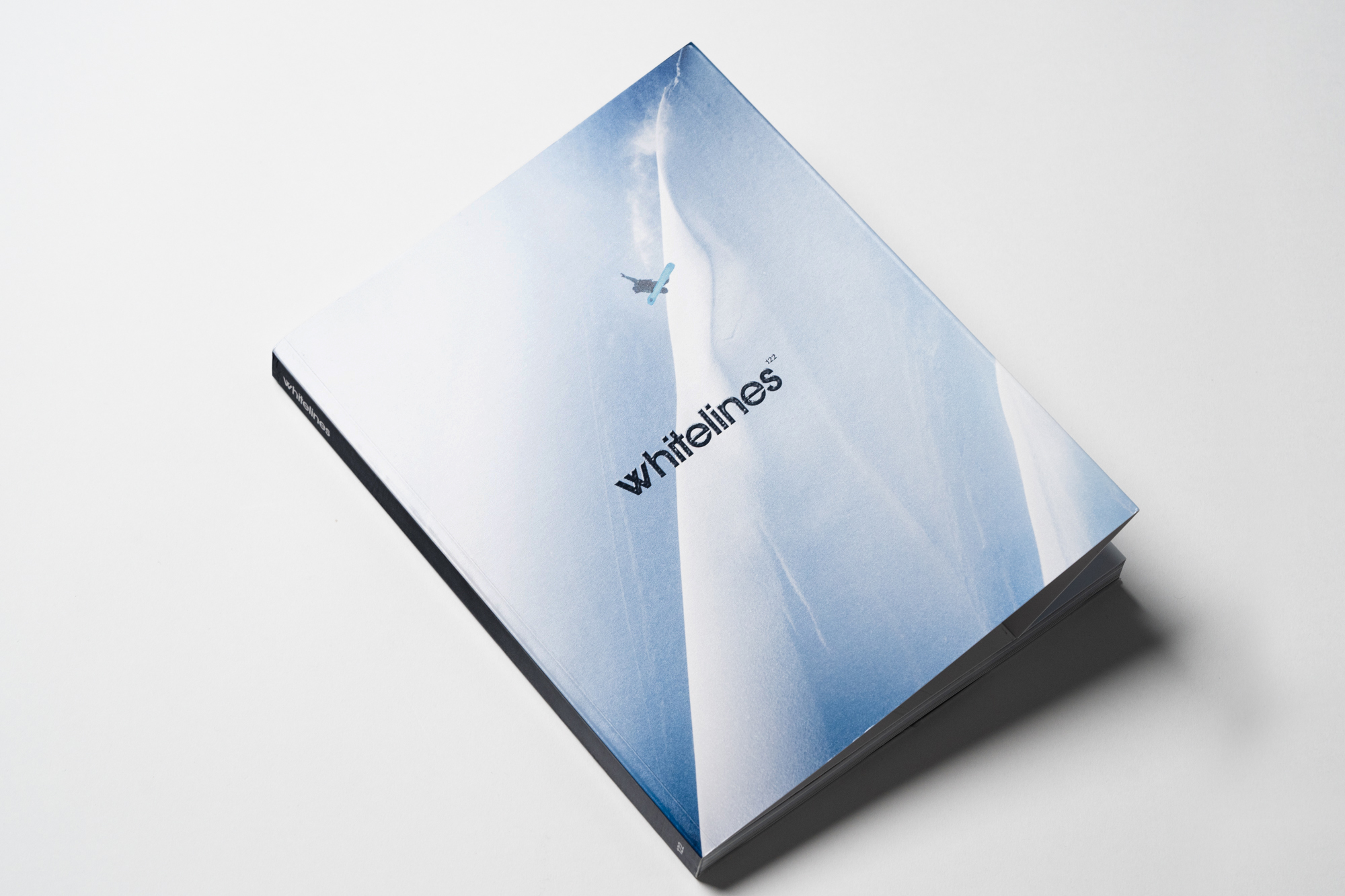
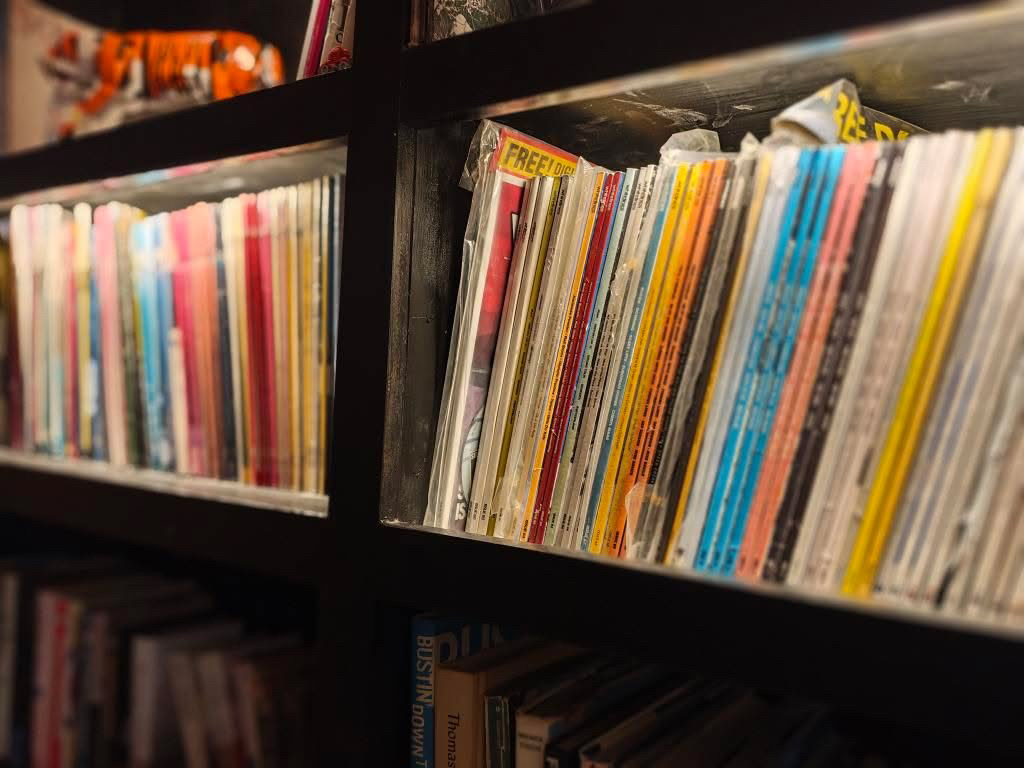
Whitelines quickly distinguished itself through its unapologetic embrace of chaos and a rebellious spirit that permeated every page. The magazine became renowned for its audacious humor, often pushing boundaries and challenging conventions. A prime example of this was the deliberately misleading and often comical spine titles crafted by Tudor "Chod" Thomas, the magazine’s design-in-chief and spiritual architect. Issues might bear titles like "Dwarf Throwing Monthly," "Working With Endangered Animals Weekly," or Moran’s personal favorite, "Neck Brace Monthly: The Skyscraper Issue," an imagined publication for those unable to look up. These playful, often absurd, titles served as a subversive wink to readers, signalling that this was not a publication to be taken too seriously, yet one that deeply understood the playful, anti-establishment ethos of its audience. This creative irreverence fostered a strong sense of insider community, where readers felt part of a shared joke, contributing to the magazine’s cult status.
The "conquistador of chaos" reputation was not merely a marketing gimmick; it was deeply embedded in the magazine’s operational culture and its interactions with the outside world. Stories of staff antics on assignment became legendary, cementing Whitelines’ image as the naughty kids of snowboarding media. One infamous incident recounted involved an Austrian hotel filled with taxidermy: "Around midnight, I stole the accordion from the wall behind the bar, and I hid it in a random bedroom… It was at that moment that the hotel owner also realised that her precious stuffed animals had pretty much all been messed with too. I remember there was a large stuffed marmot on a plinth on the way up the stairs. It was Russ Ward who had taken this marmot and fully shaved it, but left a mad Lemmy-style goatee on it.” Such tales, while perhaps pushing the bounds of professional conduct, reinforced the magazine’s image as an authentic reflection of the wild, unbridled energy that characterized the snowboarding lifestyle of the era.
Even more indicative of this rebellious streak were the magazine’s interactions with its readership and even official bodies. Whitelines frequently featured competitions with deliberately absurd postal addresses for entries, often targeting publisher Jim Peskett as the butt of the joke. These addresses, such as "the crack in the arse cheeks of Jim Peskett, 1 Stert Street, Abingdon," led to a stream of complaints, not just from Peskett, but from the UK postal service itself, which threatened to blacklist the publishing company. In one notable instance, a letter of complaint from a mother banning her son from reading the magazine was not met with apology but with a free lifetime subscription for the son and the "Letter of the Month" award for the mother. This defiant attitude, celebrating the very criticisms it provoked, further solidified Whitelines’ identity as an authority-flaunting, community-driven publication that prioritized authenticity and humor over corporate decorum.
The Digital Imperative: Navigating the Shifting Sands of Media
The media landscape underwent a seismic shift in the mid-2000s and early 2010s, with the rapid ascent of the internet, social media, and digital content consumption. This revolution presented an existential challenge to traditional print publications, including niche sports magazines. Industry reports from the period indicated a significant drop in print magazine circulation across various sectors, with some titles experiencing annual declines of up to 15-20%. The ease of access, immediacy, and interactive nature of digital platforms fundamentally altered audience expectations, making the monthly or quarterly print cycle seem increasingly anachronistic. Shelves once brimming with glossy magazines began to empty, signaling the twilight of an era.

Whitelines, like many of its contemporaries, faced the stark reality of this digital revolution. By the mid-2010s, it became clear that print’s viability was waning. The decision to pivot fully to digital was a strategic imperative rather than a mere preference. In 2015, after two decades of consistent print publication, WL120 marked the final issue to grace physical shelves. The announcement, appropriately made online, was delivered by then-editor Ed Blomfield, who articulated the difficult but necessary transition: “Factory Media’s proposal to sacrifice print frees up the editorial staff to channel all that passion and energy into their websites, including this one. As a team, we’re obviously gutted to see the end of a paper publication into which we poured heart and soul over two decades. But with the good ship WL celebrating its 20th anniversary this year, we’re also excited to see where – with a renewed focus and a healthy budget – we can take it next.”
This pivot was not merely a surrender to technological change but a strategic re-envisioning of Whitelines’ mission. The freed-up resources and focused energy allowed the brand to significantly expand its digital offerings. Whitelines was already renowned for its comprehensive gear guides, most notably the "Whitelines 100," which served as an authoritative annual benchmark for the season’s essential snowboarding products. The digital transition enabled the team to elevate these features, incorporating more dynamic video content, in-depth reviews, practical how-tos, and expanded travel narratives. This digital-first approach not only ensured the brand’s survival but also dramatically increased its reach, transforming it from a UK-centric publication into a truly global resource for snowboarders worldwide. The convenience and instant gratification offered by digital platforms meant that the "24-hour buffet where sliding sideways was the order of the day" was now accessible to a much wider audience, fostering unprecedented growth in engagement and community interaction.
Resilience and Reinvention: The Enduring Legacy of Whitelines
The journey of Whitelines has been marked by remarkable resilience, a testament to the unwavering passion of its custodians. Like a "cockroach that refuses to die" or "chewing gum stuck to the sole of snowboarding’s gaffa-taped boot," Whitelines has weathered multiple storms, including budgetary constraints and significant industry shifts. The underlying commitment to snowboarding itself, often overriding commercial pressures, has been the secret to its enduring heartbeat. Former staff members recall operating on a "shoestring and a dream," resorting to ingenious methods like "eBay[ing] pretty much every bit of product that anyone ever sent in" just to stay afloat – a vivid illustration of the dedication required to keep the publication alive.
In a surprising, yet welcomed, twist, Whitelines briefly returned to print in 2019, albeit in a new format. "The Whitelines Annual" offered a premium, limited-edition experience, providing three substantial magazines with over 600 pages of exclusive interviews, stunning photography, and in-depth written content from the sport’s leading voices. This short but sweet second foray into print, again with Ed Blomfield at the helm, served as a nostalgic nod to its heritage while reinforcing the value of curated, high-quality physical media for a dedicated audience. It demonstrated that while digital was the future, the allure of a tangible, collectible artifact remained.
As of 2026, Whitelines has fully embraced its identity as a purely digital entity. The focus is now on leveraging the vast reach and interactive capabilities of the internet to provide unparalleled content. This includes cultivating a "crack team of proper snowboarders across three continents" dedicated to rigorous gear testing and creating premium reviews. The digital platform facilitates "getting down to the nitty-gritty with a huge range of people in the industry to lift the curtain with in-depth interviews," offering exclusive insights into the sport’s personalities and innovations. Furthermore, a commitment to "having eyes on day-to-day goings on to provide relevant culture hits and providing boots-on-the-ground event coverage" ensures that Whitelines remains at the forefront of showcasing the beating heart of snowboarding.
The sheer scale of its digital presence today underscores the success of this transformation. This season alone, the website attracted 2 million unique visitors, while its social media channels boast over 750,000 followers, with content frequently appearing in AI snippets across various platforms. This expansive digital footprint dwarfs the reach of its print predecessors, where 20,000 copies of a magazine, while significant in its time, now appear a modest figure in comparison. Yet, despite this massive increase in quantity and reach, the core tenet of Whitelines remains unchanged: every piece of content must be engaging, informative, or amusing – ideally all three simultaneously. This commitment to quality and authenticity, married with modern distribution channels, allows Whitelines to continue waxing poetic about the joys of print and dreaming of future endeavors, all while maintaining its unique brand of playful defiance. And, as a testament to its enduring spirit, the publication can confirm that, as of now, no mail has been addressed to the "crack in the arse cheeks of anyone" at its current digital headquarters. The Conquistadors of Chaos continue their reign, adapted, resilient, and perpetually true to the spirit of snowboarding.

