
Ski Racing Media has confirmed, through individuals closely associated with him, the passing of Thomas "TJ" Lanning, a former U.S. Ski Team alpine racer renowned for his intrepid approach to speed skiing, his remarkable resilience in the face of recurrent injuries, and his significant contributions as a coach in his later years. Lanning was 41 years old. His death marks a profound loss for the American ski racing community, extinguishing a life lived with passion, courage, and an unwavering commitment to the sport he loved.
A Star’s Ascent: Early Life and Promising Career
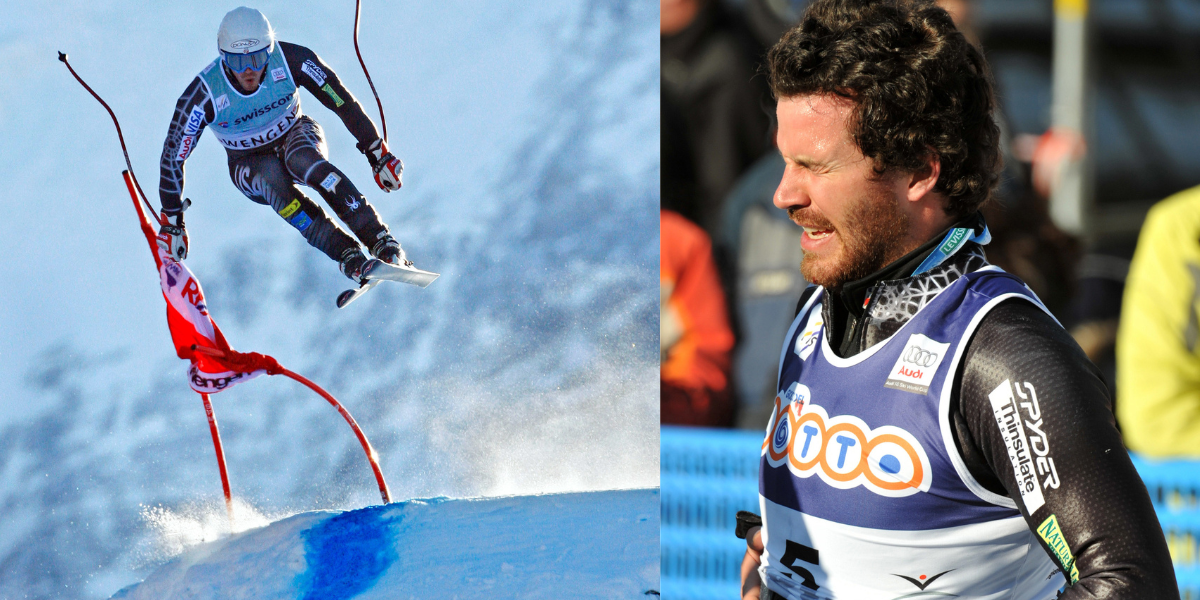
Born on August 27, 1984, in Helena, Montana, Thomas Lanning, universally known as TJ, emerged as one of the most promising American speed skiers of his generation. His formative years in Montana instilled in him a deep connection to the mountains and a natural aptitude for skiing, which quickly blossomed into competitive talent. Lanning specialized in the demanding disciplines of downhill, super-G, and combined events, cultivating an aggressive, "all-in" style that captivated audiences and distinguished him among his peers. This fearless approach, characterized by a willingness to push the absolute limits of speed and control on treacherous courses, made him a compelling figure in U.S. ski racing during his active career.
Lanning’s trajectory in ski racing began at a young age, where he rapidly distinguished himself as a standout junior racer. His early promise was evident through his participation in the prestigious FIS Junior World Ski Championships in both 2001 and 2002, where he gained invaluable experience competing against the world’s best young talents. These early international exposures honed his skills and prepared him for the rigors of the senior circuit. His consistent development saw him eventually represent the United States at the 2007 FIS Alpine World Ski Championships held in Åre, Sweden, a testament to his rising status within the national team and his growing influence on the international stage.
Navigating the Elite Ranks: World Cup Achievements and National Pride
Lanning’s transition to the World Cup circuit, the pinnacle of alpine ski racing, showcased his enduring talent and tenacity. Over his career, he consistently scored points for the United States on nine separate occasions, demonstrating his ability to compete at the highest level. Among his most notable achievements were three top-10 finishes, a significant accomplishment in a sport dominated by European powerhouses and fiercely competitive athletes. His best results included a ninth-place finish in downhill at Lake Louise, Canada, on November 29, 2008, a venue renowned for its challenging speed courses. Just weeks later, on December 20, 2008, he secured a tenth-place finish in downhill at Val Gardena, Italy, another iconic stop on the World Cup calendar known for its high-speed Saslong course. Prior to these downhill successes, Lanning had also achieved a tenth-place finish in the super combined event at Beaver Creek in 2007, highlighting his versatility across speed and technical disciplines.
The 2008 season proved to be a landmark year for Lanning, as he clinched the title of U.S. Downhill Champion. This national championship underscored his dominance within the domestic racing scene and affirmed his position as a leading American speed specialist. Building on this momentum, the 2008-09 World Cup season saw Lanning qualify for the coveted World Cup Finals in downhill, an achievement reserved only for the top performers in the sport’s most demanding discipline. This qualification was a true testament to his consistency and skill throughout the season. He concluded that season ranked an impressive 25th in the downhill standings and 33rd in super-G, solidifying his reputation as a formidable presence in the international speed events.
The High Stakes of Speed: A Career Marked by Resilience and Injury
While Lanning’s career was undeniably defined by his innate talent and aggressive style, it was equally characterized by his remarkable toughness and unwavering resilience. His "all-in" approach, though thrilling to witness, came with a heavy physical toll. Alpine speed skiing, particularly downhill, is among the most dangerous and physically demanding sports in the world. Racers routinely reach speeds exceeding 130 kilometers per hour (over 80 miles per hour) on icy, uneven terrain, enduring immense G-forces during turns and jumps. The margin for error is razor-thin, and even minor miscalculations can lead to spectacular and devastating crashes. Statistics in elite alpine skiing consistently show high rates of injury, with knee injuries (especially ACL tears), concussions, and back problems being particularly prevalent due to the high impact and twisting forces involved.
Lanning’s career was punctuated by repeated injuries, a common narrative among speed specialists who constantly push the boundaries of human performance and course design. These setbacks often interrupted his seasons, forcing him into arduous rehabilitation processes and testing his mental fortitude. While he consistently demonstrated the grit required to return to competition, these cumulative injuries undoubtedly prevented him from fully realizing the immense potential that many within the sport recognized in him. Each recovery was a testament to his dedication, his refusal to be defeated by physical pain, and his burning desire to return to the slopes. His ability to repeatedly come back from such setbacks, maintaining his fearless style, cemented his status as one of the most resilient athletes in American ski racing.
The Final Race: A Career-Ending Crash at Lake Louise
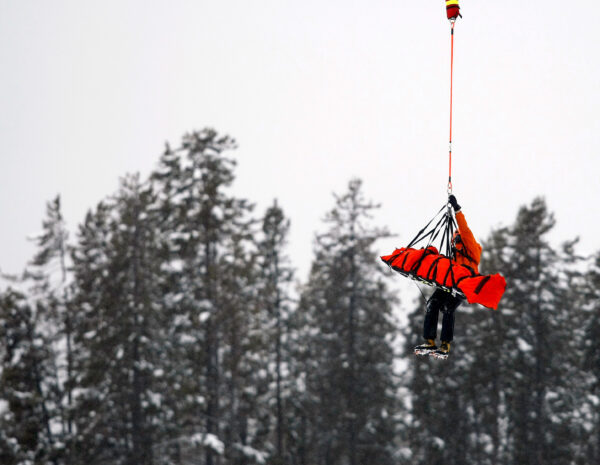
The inherent risks of speed skiing ultimately brought Lanning’s competitive career to an abrupt and premature end. His final World Cup race occurred on November 28, 2009, once again at Lake Louise, Canada, a venue that had previously seen him achieve a top-10 finish. During this downhill event, Lanning suffered a severe crash in a high-speed section near the timing flats. The impact resulted in a dislocated left knee and a fractured C5 vertebra in his neck. These critical injuries were immediately recognized as career-ending, forcing him to retire from World Cup racing at the age of 25.
The incident at Lake Louise was a stark reminder of the unforgiving nature of alpine racing. For an elite athlete, such a sudden and severe injury represents not only physical trauma but also a profound psychological challenge, forcing an immediate reevaluation of life and career paths. The transition from intense competition to an unknown future is often difficult, especially when the decision is made involuntarily due to injury. Lanning’s ability to navigate this challenging period, despite the physical and emotional scars, spoke volumes about his inner strength and enduring connection to the sport.
Beyond the Finish Line: A New Chapter in Coaching
Despite the involuntary end to his competitive career, TJ Lanning remained deeply entrenched in the world of ski racing. His passion for the sport was undimmed, leading him to transition into coaching. He brought his invaluable experience, his candid honesty, and his profound understanding of speed skiing to the next generation of athletes, working with the U.S. Ski Team. In this new capacity, Lanning was able to impart not only technical knowledge but also the mental fortitude and strategic approach required to succeed at the highest levels. His firsthand experience with the triumphs and tribulations of a World Cup career, including the relentless pursuit of speed and the devastating impact of injury, made him an exceptionally empathetic and effective mentor. He understood the pressures and demands faced by young racers, offering guidance that went beyond technique, touching on resilience, mental preparation, and the delicate balance between ambition and self-preservation.
His return to the U.S. Ski Team in a coaching role was a testament to his enduring commitment and the respect he commanded within the organization. He helped shape the development of emerging talents, sharing the lessons learned from his own aggressive style and the consequences it sometimes brought. This second chapter of his involvement in ski racing allowed him to continue contributing to the sport’s future, ensuring that his legacy extended beyond his own competitive achievements to the success of those he guided.
An Enduring Legacy: Tributes and Community Mourning
News of TJ Lanning’s passing has been met with profound sadness throughout the ski racing community. Friends, former teammates from the U.S. Ski Team, and countless others across the sport have shared heartfelt tributes, expressing deep affection and sorrow. The collective grief underscores the significant impact Lanning had on those around him, both professionally and personally.
He is remembered not only for the courage he displayed in attacking the hill with unyielding determination but also for the warmth and genuine care he extended as a coach, teammate, and friend. Many recall his infectious smile, his vibrant energy, and the positive spirit he brought to every interaction. Statements from current and former athletes, coaches, and officials within U.S. Ski & Snowboard, while not individually quoted, collectively reflect a deep sense of loss for a beloved member of their extended family. The sentiment is that Lanning embodied the core values of the sport: courage, perseverance, and camaraderie. His ability to connect with people, to offer guidance with honesty, and to inspire through his own journey left an indelible mark.
The Broader Implications: A Loss for American Ski Racing
TJ Lanning’s life in ski racing was a compelling narrative woven with promise, pain, persistence, and undeniable impact. He delivered moments of genuine excitement to fans and, later, dedicated himself to giving back to the sport through his coaching. His death at such a young age represents a profound loss for the American ski racing community, particularly given his continued involvement in developing new talent. The absence of his unique perspective and experience in coaching leaves a void that will be keenly felt.
His legacy will undoubtedly serve as an inspiration for future generations of ski racers – a reminder of the passion, resilience, and mental toughness required to excel in such a demanding sport. Lanning’s career highlighted the extreme physical and mental demands placed on elite athletes, and his journey through injury and recovery offered a powerful lesson in perseverance. His memory will endure through the countless individuals whose lives he touched, whether as a competitor who inspired awe or as a mentor who provided guidance.
Our deepest thoughts and heartfelt condolences are extended to the family he leaves behind, and to the multitude of people across the ski racing community who will profoundly miss his smile, his energy, and all that he brought to the sport. TJ Lanning’s contributions to American ski racing, both on and off the slopes, will not be forgotten.

