
Geneva, Switzerland – May 29, 2026 – An unprecedented spring heatwave, currently gripping the European Alps, is forcing significant operational adjustments across the continent’s few remaining glacier ski areas. With temperatures soaring to near-summer levels, the traditional window for spring and summer skiing is being dramatically curtailed, leading to early closures in some locations and a scramble for year-round operations elsewhere. This extreme weather event, unprecedented for May, is amplifying concerns about the long-term viability of high-altitude skiing and underscores the accelerating impact of human-caused climate change.
Glacier Ski Season Disrupted by Record-Breaking Spring Temperatures
The current heatwave, described as "historic" and "exceptional" by meteorological experts, has seen freezing levels climb to approximately 4,000 meters, with valley temperatures frequently exceeding 30°C. This intense warmth is directly impacting the ability of glacier ski resorts to maintain operations.
One of the most significant shifts is the impending closure of the Molltal Glacier in Austria. The resort announced this weekend will mark the final days of its spring ski season due to the soaring temperatures. This decision signifies a definitive end to its operations for the season, a stark contrast to previous years.
The Hintertux Glacier, a perennial fixture on the year-round skiing map, is also experiencing operational changes. While the main ski area remains accessible, its dedicated glacier park, a popular feature for freestyle skiers and snowboarders, will cease operations this weekend. Hintertux, which historically prided itself on 365-day skiing, has announced a revised closure date of July 26th for its general ski operations. "After that, we’ll enjoy the glacier summer to the fullest off the slopes," a resort spokesperson stated, signaling a shift in focus towards summer activities. Skiing is tentatively scheduled to resume in September 2026, with the "Hintertux Park Opening" planned for early October. This adjustment reflects a growing need for flexibility in operational planning at high-altitude resorts.
New Entrants and Shifting Landscapes in Glacier Skiing
In an effort to fill the void left by shortened seasons and potential closures, Passo Stelvio in Italy is set to commence its spring and summer operations this weekend. The resort’s opening coincides with the ongoing high spring temperatures, presenting a unique challenge and opportunity. Passo Stelvio’s strategic move aims to capture skiers seeking late-season turns, potentially offering a more consistent year-round option.
Further underscoring the evolving landscape of glacier skiing, Cervinia, in Italy, is reportedly exploring avenues to offer year-round skiing. This ambitious undertaking, if successful, would position Cervinia as a significant player in the increasingly competitive niche of all-season snow sports destinations.
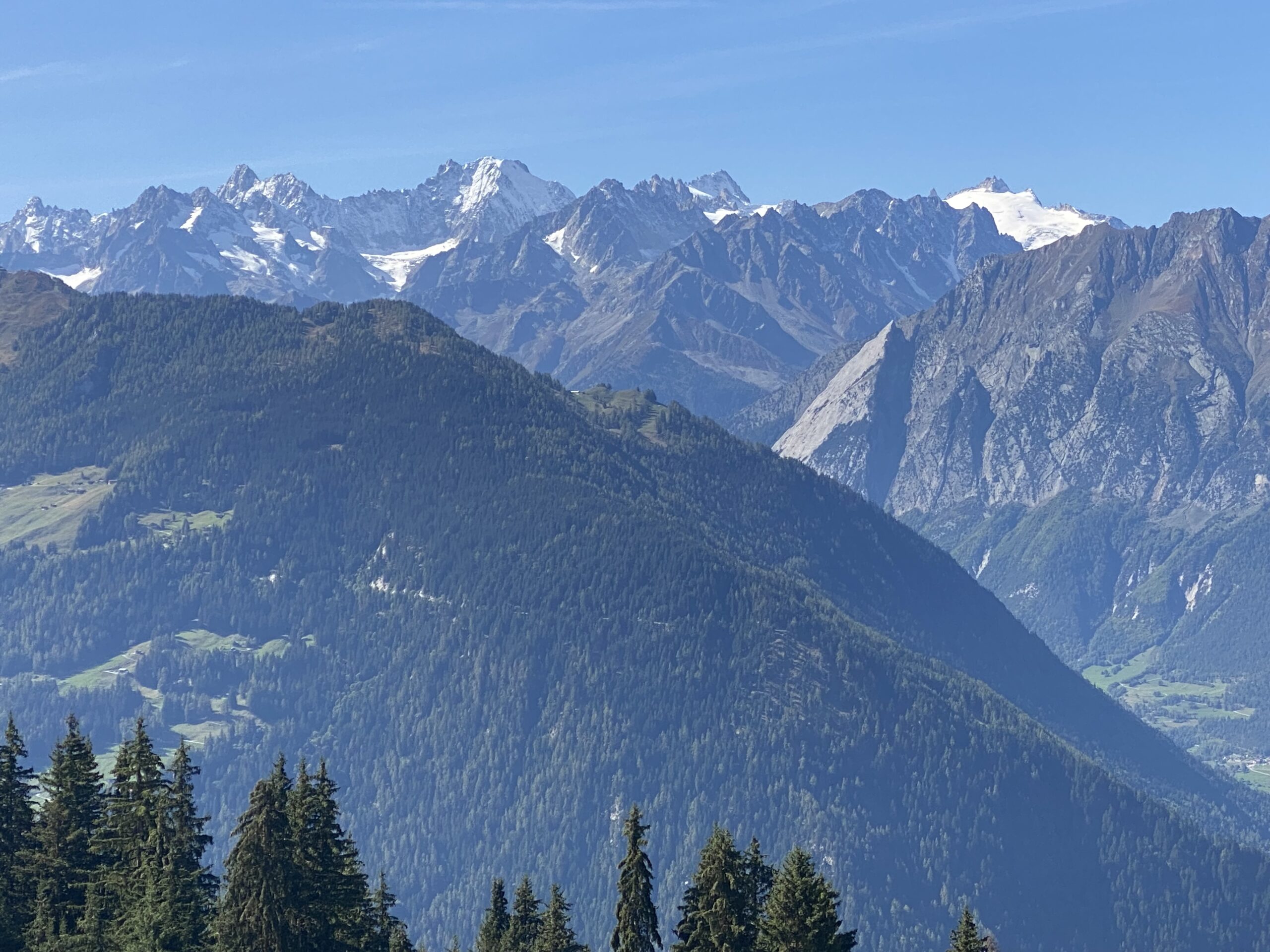
Meanwhile, Saas-Fee in Switzerland is also preparing to join Zermatt in offering summer skiing and snowboarding. The feasibility of Saas-Fee’s summer operations is contingent on prevailing conditions, highlighting the delicate balance between ambition and environmental realities.
Scandinavian Skiing Continues Amidst European Heatwave
While the Alps grapple with extreme heat, skiing opportunities persist in Scandinavia. Riksgränsen in Sweden remains open for weekend operations, catering to a dedicated clientele seeking the unique experience of skiing in the late spring and early summer.
In Norway, the Stryn Glacier commenced its 2026 summer ski season last weekend, joining its fellow Norwegian resort, Galdhøpiggen, in offering glacial skiing. These Scandinavian destinations, while not immune to warming trends, often benefit from different atmospheric conditions that can preserve snowpack longer into the summer months.
The Meteorological Phenomenon: A "Heat Dome" and its Roots
The immediate cause of the current extreme weather is identified as a "heat dome," a meteorological phenomenon where a persistent area of high pressure traps warm air over a region. This stagnant air mass prevents cooler air from displacing it, leading to prolonged periods of exceptionally high temperatures.
Meteorologists like Fraser Wilkin of weathertoski.co.uk have observed the severity of the situation. "The weather in the Alps will remain exceptionally hot until the weekend, after which cooler air will slowly move in from the west," Wilkin stated. He elaborated on the impact, noting, "This historic spring heatwave, in place for nearly a week now, has most impacted the western Alps where freezing levels have been around the 4000m mark, and temperatures in the lower valleys often exceeding 30°C. This would be considered hot even for the middle of summer but, for May, it is exceptional – unprecedented even in places, especially in the French Alps."
Climate Change: The Underlying Driver of Extremes
Scientists are unequivocal in linking this extreme heat event to human-induced climate change, primarily driven by the burning of fossil fuels. The Copernicus climate service reports that Europe has been warming at a rate of 0.56°C per decade over the last 30 years, more than double the global average.
Richard Betts, head of climate impacts research at the Met Office and a professor at the University of Exeter, emphasized this connection in comments to the BBC. "When we have a heatwave it’s happening more severely, because it’s on top of a warming climate," Betts explained. Reflecting on decades of scientific observation, he added, "I’ve been a climate scientist for 33 years and we’re seeing exactly the kinds of things that we were warning back then… [although] these records are perhaps more extreme and coming sooner than we had expected."
Switzerland Records Hottest May and Faces Drought Warnings
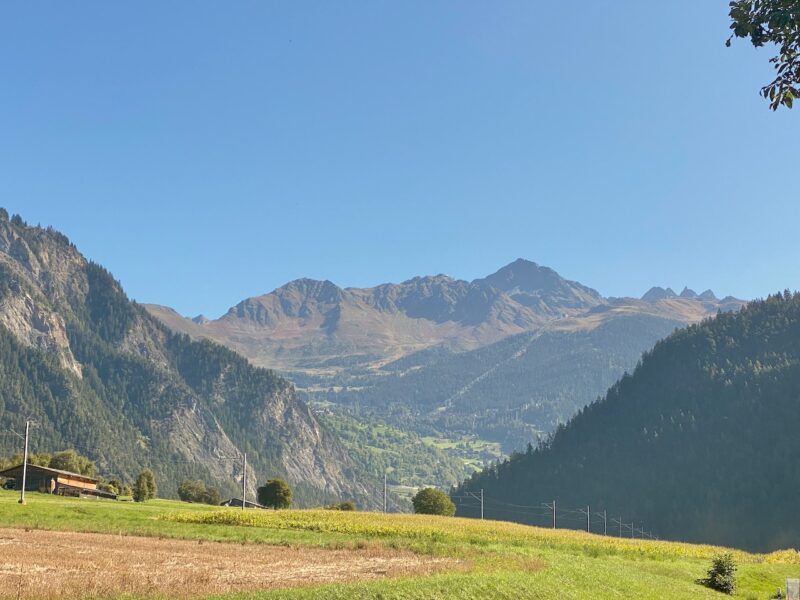
Switzerland is particularly experiencing the brunt of this unusual May weather. Meteorological service MeteoSwiss indicates that this month is poised to be the fourth hottest May recorded in Switzerland since 1864, with average temperatures so far exceeding the norm by 1.8°C. Last Monday, the freezing level reached 4,328 meters, marking the third-highest recorded zero-degree day in May.
Beyond the heat, the spring season in Switzerland is also being characterized by historically dry conditions, with minimal snowfall at higher altitudes in the Alps. This has prompted the Swiss government to issue a Level 2 drought alert, currently affecting the Alps and the eastern part of the Plateau. This classification signifies a mild drought, with no immediate improvement anticipated.
Broader Implications for the Ski Industry and Alpine Ecosystems
The current heatwave and its impact on glacier skiing serve as a potent symbol of the broader challenges facing the winter sports industry. The reliance on natural snow and ice at higher altitudes makes these resorts particularly vulnerable to rising global temperatures. As seasons shorten and the reliability of snow cover diminishes, resorts are being forced to invest in costly artificial snowmaking, extend their operational periods into warmer months, or diversify their offerings to include summer tourism.
The long-term implications extend beyond the economic viability of ski resorts. The melting of glaciers, vital freshwater reservoirs, poses significant threats to ecosystems and human populations downstream. The accelerated warming in mountainous regions also affects biodiversity, with species being forced to migrate to higher altitudes or face extinction.
The unprecedented nature of this May heatwave, occurring on top of a significantly warming climate, underscores the urgency of global efforts to mitigate greenhouse gas emissions. The decisions made by ski resorts to adapt to these changing conditions, while necessary for immediate survival, are ultimately stopgap measures in the face of a global environmental crisis. The future of iconic alpine landscapes and the activities they support hinges on a collective commitment to addressing the root causes of climate change.
The ski season in the Alps, which experienced a strong spring with cold temperatures and good snowfall earlier in May, has been dramatically altered by this shift in weather patterns. While cooler temperatures are forecast for next week, the trend of increasingly extreme weather events, driven by a warming planet, suggests that such disruptions may become more frequent and severe in the years to come. The ski industry, like many others, is now in a critical period of adaptation, navigating the undeniable realities of a changing climate.

