
Norway has clinched a World Championships bronze medal following an incredibly dramatic final in the knockout sprint event held in Genoa, Italy. The day was marked by unexpected upsets, with pre-event favorites faltering due to ambiguous course markings, leading to a more thrilling and unpredictable conclusion than anticipated.
A Nail-Biting Conclusion to the Knockout Sprint
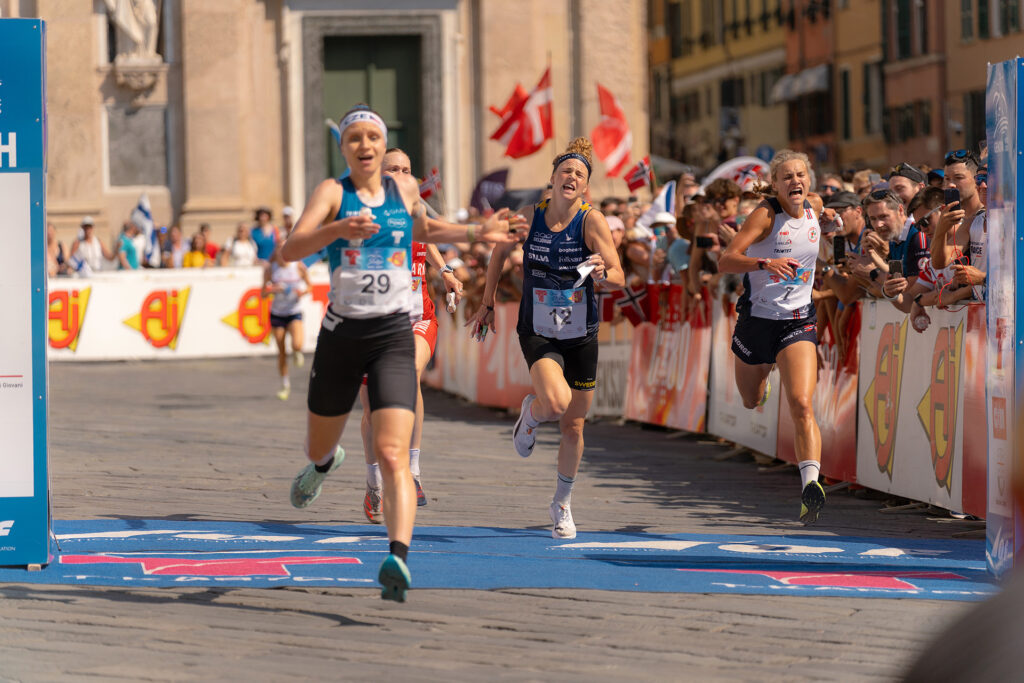
The women’s knockout sprint final delivered a spectacle of intense competition and agonizing near-misses. Norwegian athlete Pia Young Vik once again proved instrumental in securing a medal for her nation in an event where Norway has historically faced significant challenges. Vik, who had been leading the final for a considerable portion, found herself overtaken in a narrow alleyway approaching the penultimate control point. She entered the final stretch in fourth position, but with sheer determination, dug deep to surge past Denmark’s Malin Agervig Kristiansson in a breathtaking sprint to the finish line.
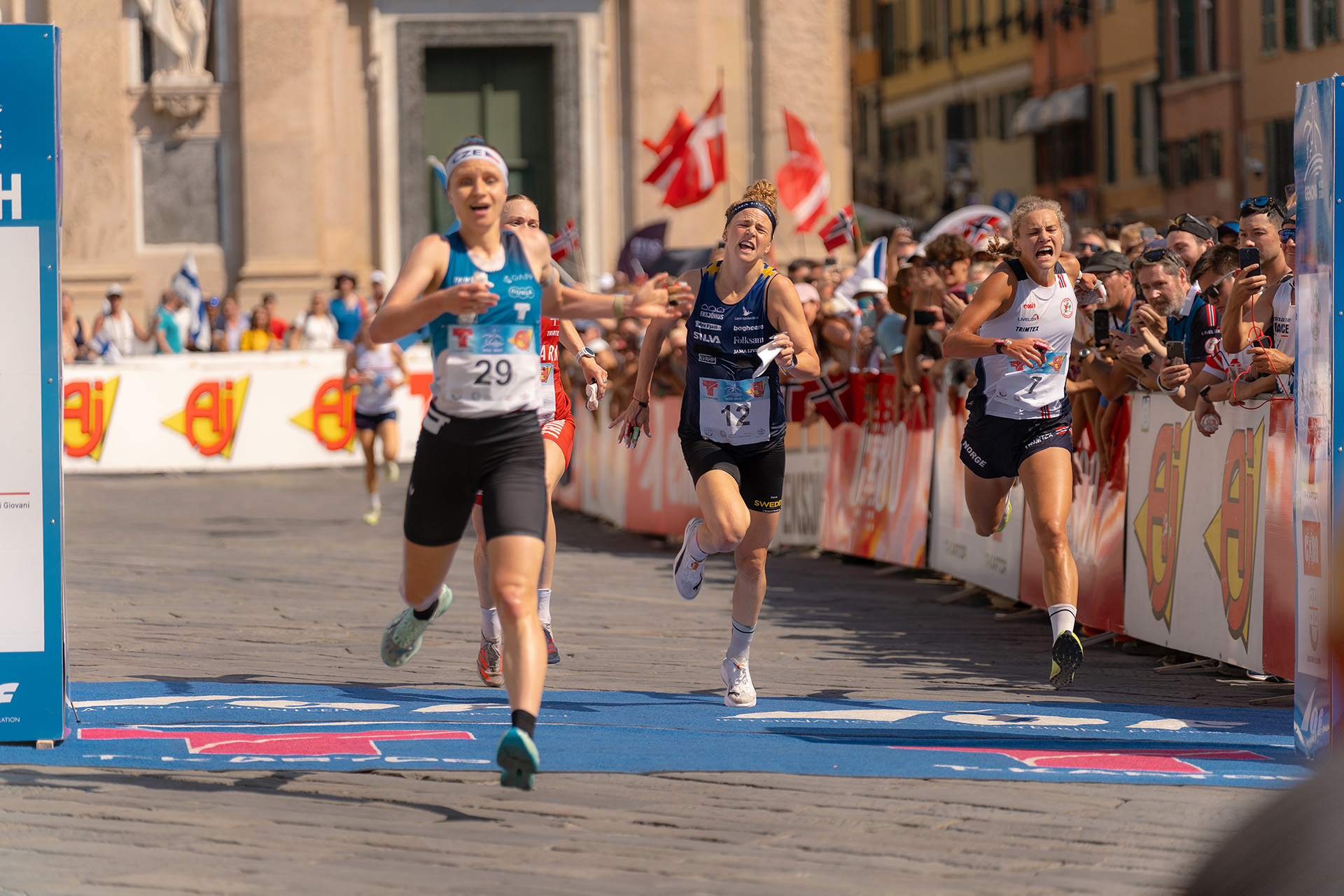
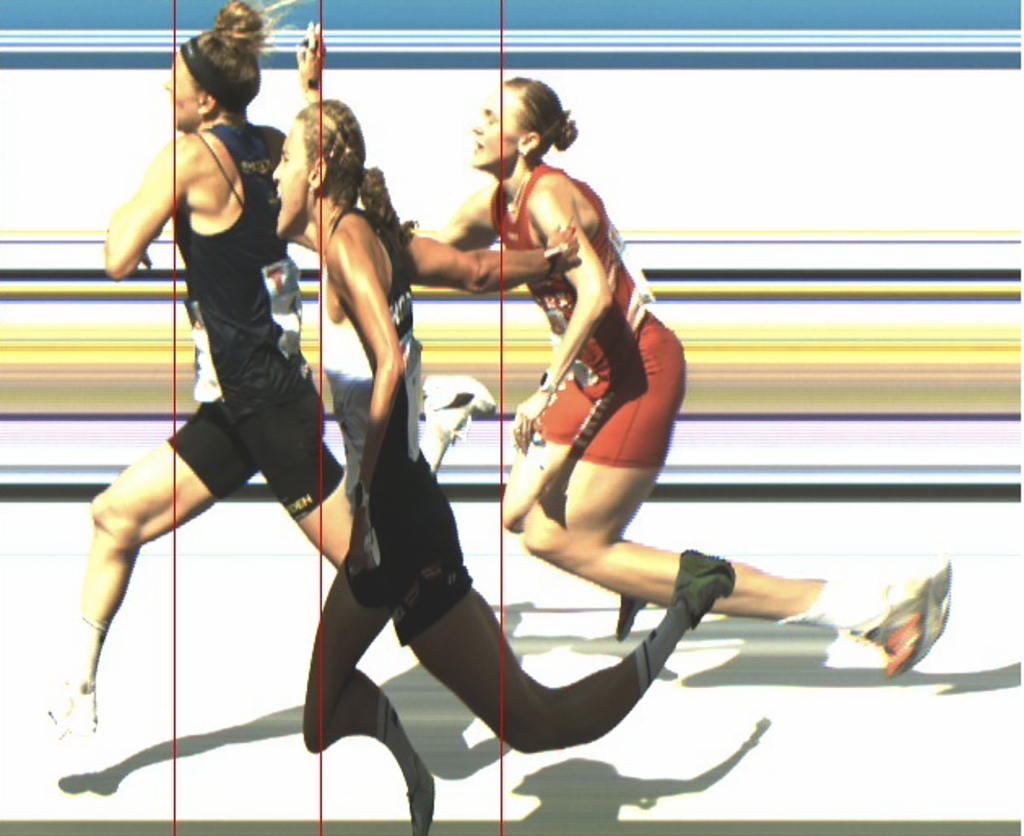
Ultimately, Vik could not catch the surprising winner, Tereza Rauturier of the Czech Republic, or Sweden’s Karolin Ohlsson, who replicated her silver medal performance from the 2024 championships. The accompanying photo finish clearly illustrates the close nature of the battle for the podium places. It definitively shows Pia Young Vik ahead of Malin Agervig Kristiansson, confirming Vik’s third-place finish. This hard-fought bronze adds to Vik’s impressive haul from the individual races at this year’s World Sprint Championships, bringing her total to one silver and one bronze.
Favorites Stumble Amidst Course Marking Controversies
The path to the final was fraught with unforeseen challenges, particularly for several highly favored competitors. Kasper Fosser and his partner, Simona Aebersold, both individual sprint winners earlier in the championship, experienced significant setbacks due to what has been described as unclear course markings, particularly around the arena passage.
Simona Aebersold, a strong contender for a medal, was eliminated in the semifinals after taking an incorrect route near the arena passage. This misstep cost her valuable time and a potential place in the final.
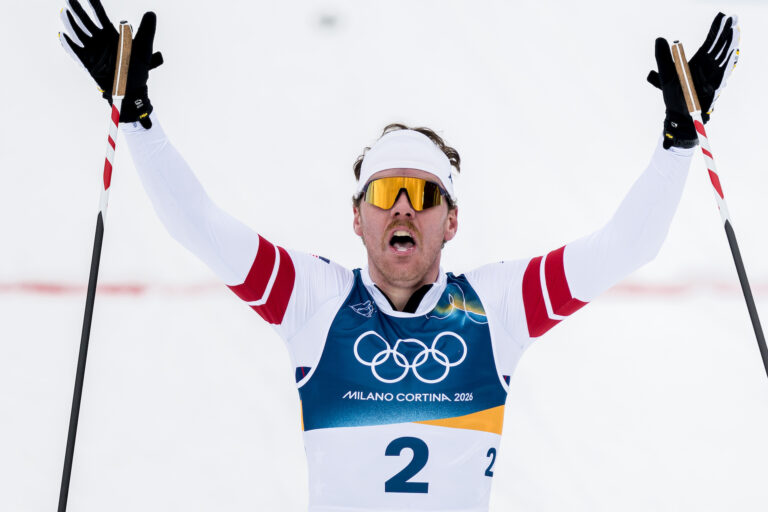
Kasper Fosser, considered a favorite in the men’s competition, was leading his semifinal race comfortably and appeared poised for a spot in the final. However, his race took a dramatic turn near the last control point. Fosser recounted the incident with palpable frustration: "I thought I was first, but suddenly I saw Zoltan (Bujdoso, who had apparently missed a control) and got stressed. Then I saw the marking flags and thought it was the finish. But it was marked for the arena passage, and it wasn’t marked on the map." This confusion led to his elimination from contention for the final. Fosser expressed his deep disappointment, stating, "Of course, it’s frustrating. I clearly felt I had a chance in the final."
Unexpected Champions and a Hard-Fought Bronze for Sweden
The absence of pre-race favorites opened the door for new contenders to emerge. In the men’s final, France’s Guilhem Verove secured an unexpected victory following a strong performance in the closing stages of the race. The silver medal went to Finland’s Akseli Ruohola, who had been in close pursuit of Kasper Fosser in their semifinal until the final control.
Sweden also found success on the podium, with Isac von Krusenstierna earning a bronze medal. Von Krusenstierna was in a leading position towards the end of the final but a fall cost him precious seconds, potentially dashing his hopes for gold and ultimately settling for third place.
Other Norwegian Performances and Event Context
Beyond Pia Young Vik’s success, other Norwegian athletes experienced mixed fortunes in the knockout sprint. Victoria Håstad Bjørnstad narrowly missed out on a place in the final, being just a fraction too late in her semifinal run. Eirik Langedal Breivik has had a challenging World Championships thus far, and his race in the knockout sprint was further hampered when he took a wrong turn around a significant obstacle, effectively ending his chances of reaching the final. Alfred Bjørnerød was eliminated in the quarter-finals, marking an early end to his sprint competition.
The World Sprint Orienteering Championships are the pinnacle of the sport’s sprint discipline, attracting the world’s elite orienteers. This year’s event in Genoa, Italy, featured a demanding urban and park terrain, testing athletes’ speed, technical navigation skills, and decision-making under pressure. The knockout sprint format, a relatively newer addition to the championship program, adds an extra layer of excitement with its head-to-head elimination races, demanding immediate tactical adjustments and flawless execution. The ambiguity in course markings, particularly the arena passage, has been a recurring issue in orienteering events, highlighting the importance of clear and unambiguous course setting by the event organizers.
Supporting Data and Analysis
The photo finish image provides critical evidence for the final standings in the women’s race. It confirms that Karolin Ohlsson finished second, Pia Young Vik secured third, and Malin Agervig Kristiansson was placed fourth. This visual confirmation is crucial in a sport where margins can be measured in mere centimeters.
The elimination of favorites like Kasper Fosser and Simona Aebersold underscores the high-stakes nature of knockout orienteering. Their struggles with course markings point to a potential area for review by the International Orienteering Federation (IOF) and event organizers to ensure fair competition and clear navigation standards. While such incidents can be frustrating for athletes, they also demonstrate the importance of precise interpretation of the map and course setters’ intentions.
The performances of Pia Young Vik, securing both a silver and a bronze medal in individual sprint events, highlight her emergence as a formidable force in international sprint orienteering. Her ability to perform under pressure, especially in the dramatic final, is a testament to her skill and mental fortitude.
Broader Impact and Future Implications
The results from the knockout sprint at the World Championships have significant implications for the sport. The emergence of new champions like Tereza Rauturier and Guilhem Verove indicates a broadening of the competitive landscape, with athletes from various nations demonstrating their capability to challenge established stars.
For Norway, Pia Young Vik’s medal contributions are vital, especially in disciplines where the nation has historically sought to strengthen its presence. Her consistent performances suggest a promising future for Norwegian sprint orienteering.
The controversies surrounding course markings, however, raise important questions about event management and the clarity of navigation instructions. Addressing these issues will be crucial for maintaining the integrity and fairness of future orienteering competitions. The IOF will likely review the course setting protocols for the knockout sprint format to prevent similar incidents from impacting the outcome of future championships. The detailed results of the World Championships can be accessed via the official eventor.orienteering.sport portal.
The full results of the event are available at https://eventor.orienteering.sport/Events/Show/8990.

