
The landscape of Nordic skiing has long been defined by established veterans and national team hierarchies, yet a 17-year-old from Bjursås, Sweden, is currently dismantling those traditional barriers. Vera Myhlback, the younger sister of the prodigious Alvar Myhlback, has moved from the periphery of the sport into the center of the spotlight following a series of performances that have stunned the senior circuit. While her brother Alvar has spent the last several years challenging the established order of the men’s elite, Vera is now proving that the family’s athletic trajectory is not a singular phenomenon.
A Rapid Ascent to Senior Recognition
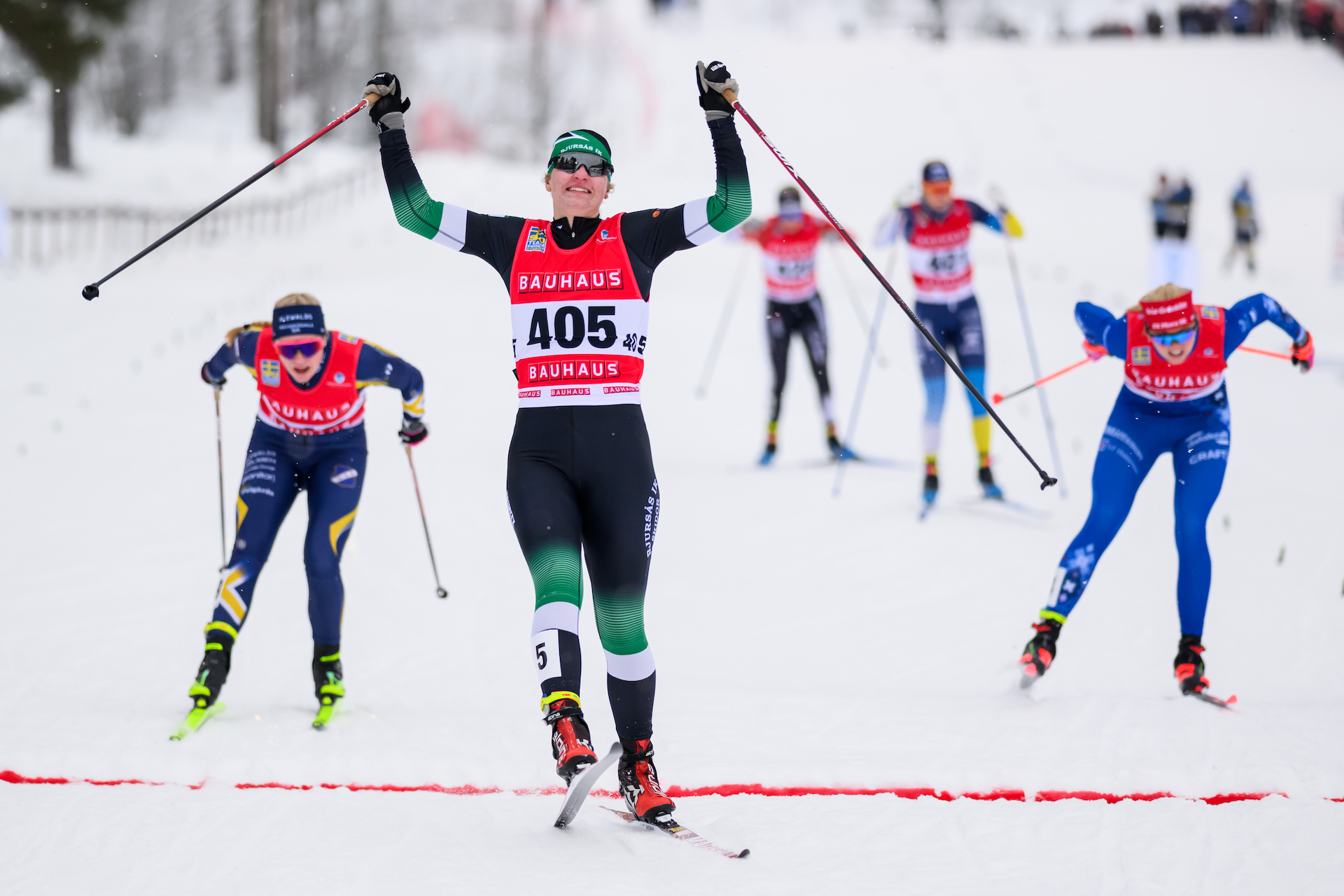
The trajectory of Vera Myhlback’s career has accelerated at a pace rarely seen in modern cross-country skiing. Entering only her second season at the junior level, she has moved beyond age-group competition to test herself against the best in the world. Her recent victory in the Swedish Senior Cup was not merely a win against peers; it was a dominant display that saw her outperforming seasoned World Cup and Olympic competitors.
During the recent sprint final at the Swedish senior circuit, she secured a notable second-place finish, trailing only the established star Johanna Hagström. This result serves as a statistical outlier for an athlete of her age, marking her as a generational talent capable of disrupting current senior rankings. The significance of this achievement is underscored by the fact that many of the competitors she faced hold high rankings in the FIS World Cup standings.
The Foundation of a Prodigy: A Chronological Look
The roots of this rapid development can be traced back to the Myhlback family’s tenure in Trysil, Norway. Between the years when Vera was eight and twelve, the family lived in the Norwegian mountain town, an environment that provided the essential infrastructure for high-volume training.
Alvar Myhlback has previously noted that the move to Trysil was the catalyst for their athletic development. For children, the town offered few distractions beyond the vast trail networks, allowing for an early commitment to aerobic base training that would typically be reserved for older athletes. By the age of 15, Vera had already gained the attention of the broader skiing community. During a talent scouting camp at Gardermoen, organized by the renowned trainers Jørgen and Anders Aukland, Vera outperformed her cohort of peers. Despite being the youngest participant, she was awarded the event’s top scholarship, a testament to the technical proficiency and physical capacity she had already cultivated.
At the time, Jørgen Aukland noted that the physical data produced by the then-15-year-old was extraordinary. He famously remarked that her performance "smelled of burning," a colloquial Norwegian expression used to describe an intensity and level of output that defies typical physiological expectations for a teenager.
Tactical Versatility and Dual Specialization
A defining characteristic of the Myhlback siblings is their refusal to choose between traditional sprint/distance racing and the long-distance classic circuit. In professional skiing, these two disciplines often require different physiological adaptations—sprint racing demands explosive power and anaerobic capacity, while long-distance events like the Ski Classics series require extreme endurance and tactical patience.
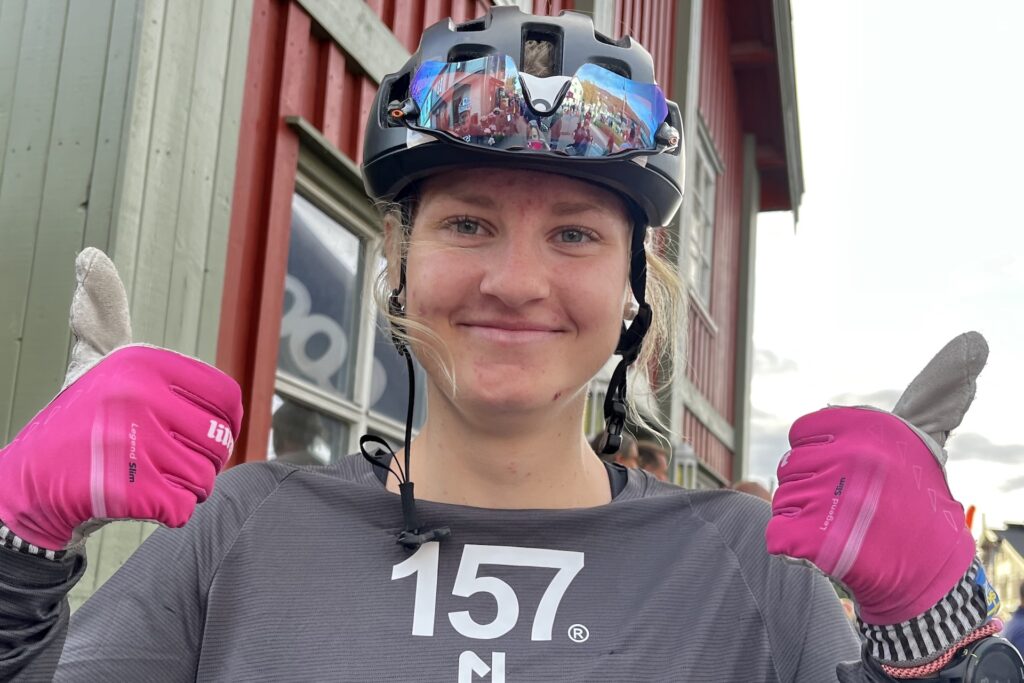
At age 16, Vera signed a professional contract with Team Lager 157, the same outfit that hosts her brother. This move signaled a serious intent to compete in long-distance events, which are typically dominated by athletes in their late 20s and 30s. When questioned on the potential for burnout or the conflict of interest between these two styles of racing, Myhlback maintains a pragmatic view. She does not see the two disciplines as contradictory but rather as complementary components of a comprehensive athletic profile. Her current scheduling strategy is to participate in all events that do not conflict with one another on the calendar, a bold approach that tests the limits of recovery and training management.
Reactions from the Professional Circuit
The reaction from the broader skiing community has been one of cautious admiration mixed with professional concern for her long-term development. Moa Ilar, a consistent top-performer in the overall World Cup standings, expressed a sentiment shared by many in the senior ranks: "Vera is incredibly good. Her technique and race management are impressive for her age. The challenge now is to manage that trajectory to ensure a long, sustainable career."
This sentiment is echoed by the administrative side of the sport. Johan Granath, a prominent Swedish national team coach, has publicly praised her recent performance at the Lugnet sprint competition. Granath’s perspective is rooted in the broader health of the sport; he views the emergence of high-level young athletes as a net positive for the national team’s depth, noting that talent should be rewarded regardless of birth year.
Data-Driven Expectations and the Path to the World Championships
As the 2026/2027 season progresses, the focus for Myhlback shifts toward the Junior World Championships in Otepää. Her stated goal is to qualify for the event, where she intends to prioritize the sprint discipline, which she identifies as her strongest event.
From an analytical perspective, her current data points toward a high probability of success at the junior international level. However, the transition from domestic senior cups to the World Cup level involves a significant leap in tactical complexity and speed. The "Myhlback method"—which emphasizes high training volume—has proven successful for her brother, but it presents a unique test case for a 17-year-old female athlete. Physiological experts often caution against the risks of high-volume training for teenagers, but the Myhlbacks have argued that their foundation, laid during their years in Norway, allows for a higher load than is typical.
Broader Implications for Nordic Skiing
The emergence of Vera Myhlback suggests a shifting paradigm in how young skiers are introduced to the professional circuit. Historically, the path from junior to senior elite was linear and slow, often spanning several years of national team development. The Myhlback siblings represent a trend toward early professionalization, often bypassing or augmenting traditional paths with private team support and a focus on long-distance racing as a bridge to senior competition.
The implications for the Swedish national team are significant. Having a talent capable of challenging established stars at age 17 creates a competitive pressure that can elevate the performance of the entire team. However, it also places an immense burden of expectation on a teenager. The management of this pressure will be a key factor in whether Vera follows the trajectory of other young stars who dominated early, or if she sustains the career longevity that marks the sport’s greatest athletes.
Looking Ahead
While the immediate future is centered on the qualification for the junior world stage, the long-term outlook remains open-ended. Her performance in the coming months will provide a more comprehensive data set on her ability to handle the increased travel, media attention, and physical toll of a full international season.
Vera Myhlback remains remarkably grounded, often deflecting questions about her future legacy to focus on the immediate technical aspects of her skiing. When asked about her rapid rise, her answer remains consistent: she simply wants to ski as fast as possible. That simple objective, supported by a rigorous training philosophy and a family history of success, has placed her at the forefront of the next generation of Nordic skiing. As the winter season matures, the international community will be watching closely to see if this 17-year-old can convert her early promise into a sustained career at the pinnacle of the sport. Whether she continues to mirror her brother’s path or carves a new route through the world of cross-country skiing, the trajectory of her career has already changed the landscape of the current season.

