
As autumn transitions into winter, the recreational and competitive snowsports communities face a critical operational window. The months preceding the first significant snowfall dictate not only individual athletic performance on the mountain, but also safety and injury mitigation for skiers of all demographics. Industry data consistently demonstrates that recreational skiers who fail to condition their neuromuscular systems, cardiovascular endurance, and stabilizer muscles experience significantly higher rates of season-ending trauma, particularly anterior cruciate ligament (ACL) tears. Consequently, sports medicine professionals, physical therapists, and veteran coaches increasingly advocate for structured, high-intensity preseason training protocols beginning as early as September.
Background Context and Epidemiological Impact
Alpine skiing is a high-velocity sport characterized by rapid eccentric loading, rotational forces, and unpredictable terrain variations. These mechanical demands place extraordinary stress on the lower extremities, specifically the quadriceps, hamstrings, calves, and core stabilizing musculature. Without adequate preparation, the sudden transition from a sedentary or low-impact summer routine to aggressive downhill skiing overwhelms unconditioned connective tissues.
Epidemiological research underscores the gravity of this physical deficit. A landmark Swedish study examining alpine ski students revealed that implementing a targeted preseason neuromuscular training program successfully reduced ACL injuries by nearly 50 percent over a two-year observation period. Medical experts from elite organizations, including the U.S. Ski Team surgical staff, echo these findings, emphasizing that pre-season regimens focusing on proprioception, dynamic balance, and eccentric strength are vital countermeasures against traumatic knee injuries.
Furthermore, demographic shifts in snowsports indicate an aging yet active participant base. Skiers in their fourth, fifth, and sixth decades comprise a rapidly growing segment of resort visitors. For these athletes, maintaining joint integrity, bone density, and muscular endurance is no longer merely a matter of performance enhancement—it is essential for longevity in the sport. Structured autumn conditioning bridges the gap between sedentary off-seasons and the rigorous physiological demands of high-altitude winter recreation.
Chronology of Fall Preseason Preparation
Establishing peak physical condition cannot be achieved through sporadic exercise immediately before the first chairlifts open. Sports physiologists recommend a structured 8-to-12-week progression beginning in September and culminating in early winter.
- Weeks 1 to 4 (Aerobic Base and General Conditioning): Focus shifts toward cardiovascular capacity and foundational lower-body strength. Activities such as trail running, cycling, and long-distance hiking establish baseline aerobic thresholds and condition the cardiovascular system for high-altitude environments.
- Weeks 5 to 8 (Eccentric Strength and Proprioception): Training intensifies to mimic the specific loading patterns of skiing. Athletes integrate weighted hill climbs, mountain biking over variable terrain, and balance-focused exercises like via ferrata climbing or indoor ski simulations.
- Weeks 9 to 12 (Specific Skill Simulation and Tapering): Utilization of revolving indoor slopes, plyometric exercises, and core stability routines to refine edge control, motor pathways, and neuromuscular coordination just prior to the opening of the ski season.
Core Preseason Training Modalities
To adequately prepare the human body for the stresses of alpine skiing, training programs must incorporate diverse modalities that target endurance, stability, and strength.
Uphill Hiking and Weighted Ascents
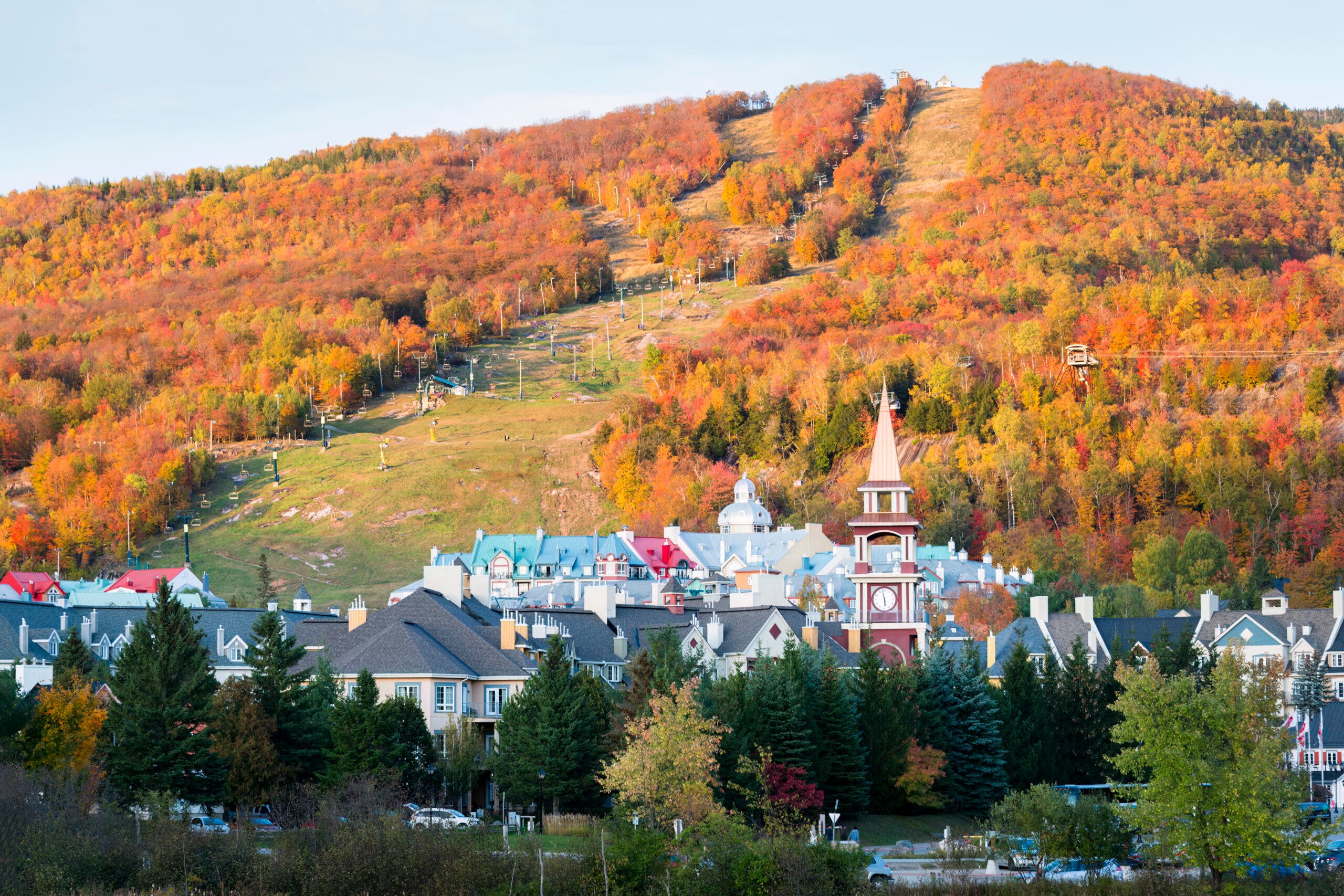
Climbing local ski slopes or steep regional hiking trails provides a dual benefit: aggressive cardiovascular conditioning and localized muscular endurance. The continuous uphill climb forces the glutes, quads, and calves to contract under sustained loads, mirroring the physical strain of navigating steep winter terrain. To further replicate the physiological burden of backcountry skiing or carrying an avalanche safety pack, athletes frequently incorporate weighted vests into their ascents. This practice elevates heart rates and strengthens spinal erectors and core stabilizers.
Mountain Biking and Terrain Adaptation
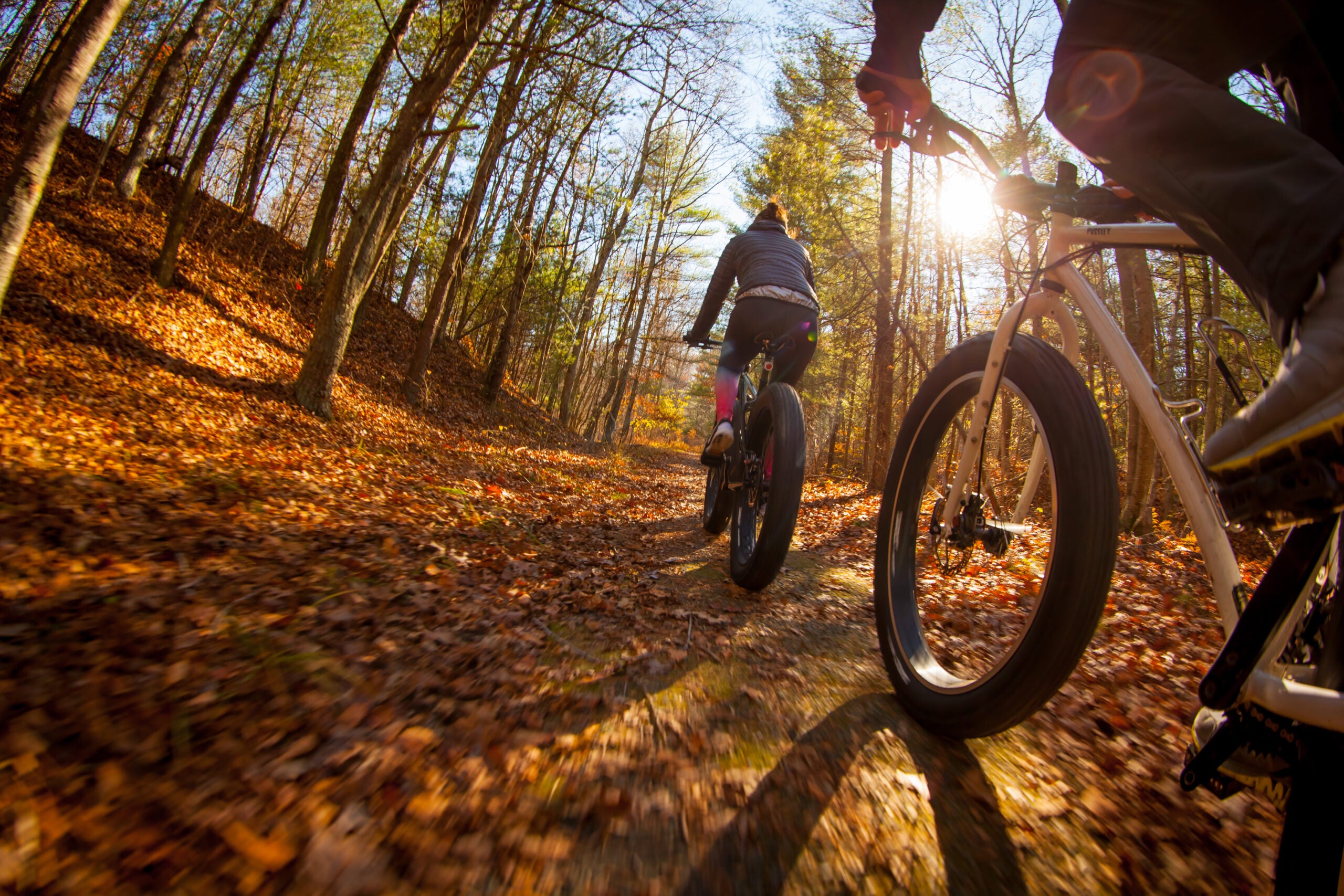
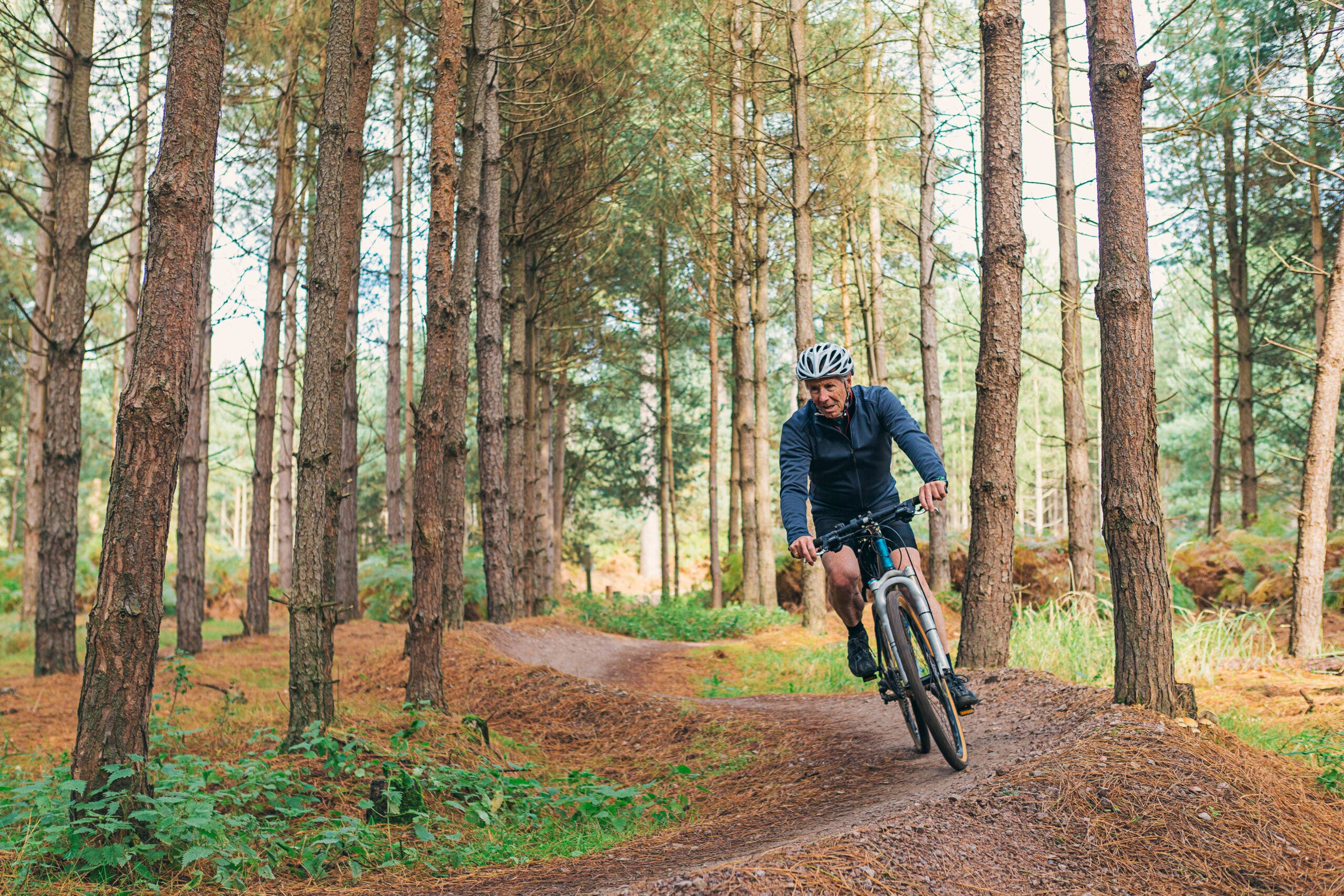
Off-road cycling serves as an exceptional cross-training tool for skiers. The sport demands continuous balance, micro-adjustments in body positioning, and rapid line-choice decisions while navigating loose dirt, roots, and rocks. These actions closely simulate the dynamic weight distribution and edge control required when skiing variable snow conditions. Furthermore, the constant shifting of gears and sustained climbs build robust cardiovascular stamina, translating directly to extended runs on the mountain without premature fatigue.
Vertical Exploration via Via Ferrata
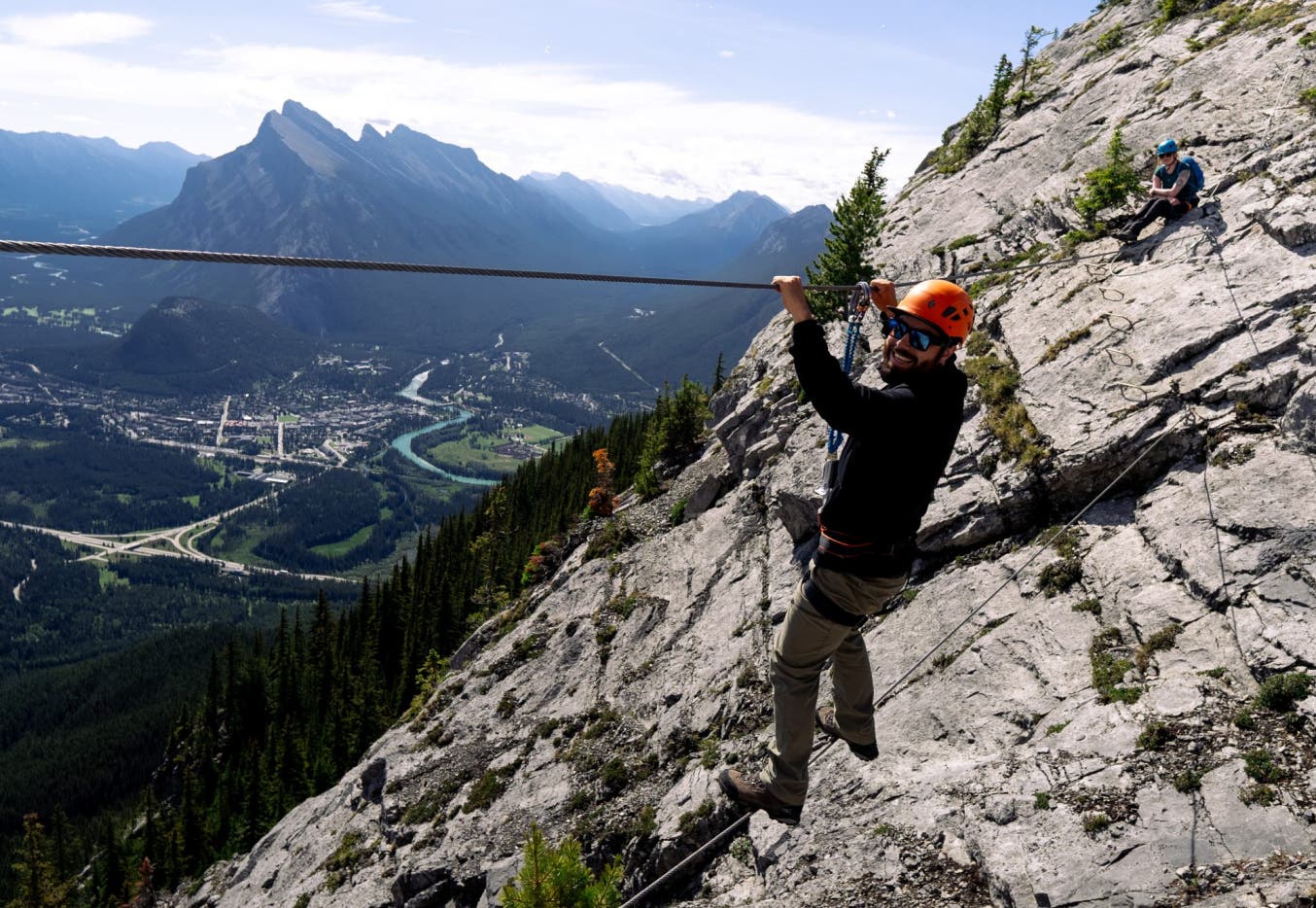
For athletes seeking a synthesis of strength, balance, and mental focus, via ferrata routes—protected climbing paths utilizing steel cables, ladders, and iron rungs affixed to rock faces—offer a rigorous training environment. Originally popularized in the Italian Dolomites, these routes have expanded across North America, including urban and regional installations. Navigating vertical terrain demands continuous upper-body and core engagement, superior grip strength, and precise foot placement. These requirements reinforce the core stability and lower-limb coordination necessary to maintain posture and control during high-speed ski turns.
High-Altitude Trail Running
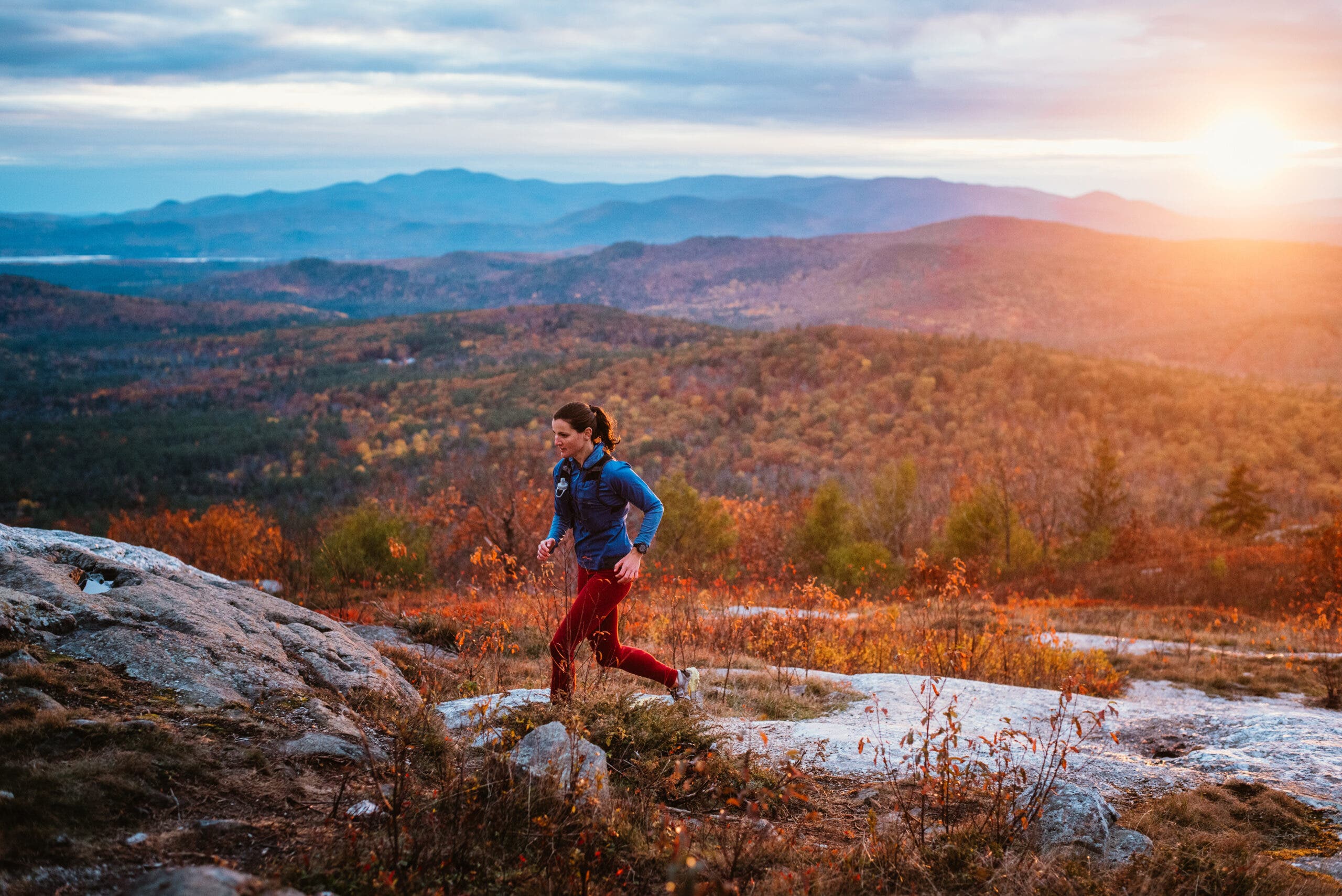
Cardiovascular capacity is heavily tested when exercising in thinner alpine air. Trail running on uneven terrain forces the body to recruit stabilizing muscles in the ankles, knees, and hips that are frequently underutilized during flat-surface pavement running. By transitioning running routines to mountainous or hilly terrain during the fall, athletes accelerate their aerobic adaptation, ensuring that their respiratory and circulatory systems operate efficiently once they encounter high-altitude ski resorts.
Indoor Ski Simulators and Revolving Slopes
For urban residents or individuals lacking immediate geographic access to mountains, indoor ski training facilities have emerged as a technologically advanced solution. Modern centers utilize infinite slopes—motorized, revolving carpet systems with adjustable inclines and speeds—alongside interactive ski simulators. These controlled environments allow athletes to practice precise carving mechanics, edge transitions, weight shifts, and upper-lower body separation. By eliminating weather variables and lift lines, trainees can achieve high-volume repetitions focused strictly on form, muscle memory, and localized endurance.
Expert Perspectives and Industry Analysis
Sports medicine specialists and fitness directors emphasize that the value of autumn training extends far beyond injury prevention. Dr. Katherine Roberts, a physical therapist specializing in winter sports rehabilitation, notes that fatigue is the primary precursor to catastrophic skiing accidents.
"When an athlete’s muscles become exhausted, neuromuscular control deteriorates, leaving the joints vulnerable to excessive shear stress," Roberts explains. "Preseason conditioning ensures that the neuromuscular pathways remain robust, allowing skiers to maintain proper form even during their final run of the day."
From an economic and operational standpoint, regional ski resorts and tourism boards also benefit from a prepared clientele. Resorts across North America and Europe increasingly partner with fitness brands and physical therapy clinics to promote educational workshops detailing injury prevention strategies. By encouraging visitors to arrive in top physical condition, resorts mitigate emergency response incidents on the mountain and enhance overall customer satisfaction.
Broader Impact and Long-Term Implications
The growing emphasis on structured autumn training reflects a broader cultural shift toward proactive health management within recreational sports. As sports science continues to validate the efficacy of neuromuscular conditioning, the barrier to entry for safe, lifelong participation in high-impact sports is systematically lowered.
Whether an athlete’s objective is to conquer challenging backcountry lines, navigate groomed resort cruisers, or safely share the mountain with younger generations, the formula remains consistent. Comprehensive preparation during the autumn months safeguards physical health, optimizes athletic performance, and ensures the longevity of recreational pursuits well into later decades. Through disciplined conditioning, the transition from fall recreation to winter alpine sports becomes a seamless continuation of an active, health-conscious lifestyle.

