
The stark reality of a rapidly warming planet is underscored by the unprecedented early arrival of Glacier Loss Day in 2026. On Monday, June 29th, Switzerland reached a critical threshold where glaciers across the nation had shed all the snow and ice accumulated during the preceding winter. This date, the second earliest on record since the introduction of Glacier Loss Day in 2022 by researchers from the University of Innsbruck, serves as a potent and alarming indicator of the accelerating impacts of climate change. Typically, this significant marker of glacial melt does not occur until well into August, highlighting a dramatic shift in seasonal patterns.
The calculations and forecasts, meticulously prepared by a dedicated glacier research group at the Swiss federal technology institute ETH Zurich, paint a sobering picture. Glaciologist Matthias Huss, a leading voice in this field, confirmed the dire assessment. "According to our calculations and forecasts, glacier loss day this year will fall on June 29th," Huss stated, emphasizing the gravity of the situation. While acknowledging that the exact date can fluctuate slightly year by year due to microclimatic variations, Huss stressed that the overarching trend is unequivocally clear and deeply concerning.
"The situation is truly exceptional," Huss elaborated. "Only in 2022 – when all glacier melt records were broken – did this day come earlier. Otherwise, this ranks second." This comparison to 2022, a year widely recognized for its record-breaking heat and subsequent glacial retreat, positions the current situation as critically severe. The ongoing heatwave, characterized by sustained and unusually intense high temperatures, is acting as a relentless catalyst, rapidly depleting the winter snow reserves that act as a protective layer for the glaciers.
The sheer volume of meltwater being generated is staggering. Huss and his team estimate that the meltwater flowing from Swiss glaciers is currently equivalent to filling an Olympic-sized swimming pool every six seconds. This rapid discharge not only signifies immense ice loss but also has significant implications for water resources and downstream ecosystems.
The precarious state of Swiss glaciers this year is not solely attributable to the recent extreme heat. Huss pointed to a confluence of contributing factors, beginning with an insufficient winter snowfall. "We’ve once again had a winter with too little snow, leaving glaciers with a weak protective layer," he explained. This reduced snowpack, which typically insulates glaciers and reflects solar radiation, leaves them more vulnerable to melting.
Compounding the issue, summer-like heat arrived exceptionally early in the season. "We saw the first heatwaves with temperatures of 30°C in the lowlands as early as May," Huss reported, followed by the current spell of prolonged and intense heat. This early onset of high temperatures means glaciers have been subjected to melting conditions for a significantly longer period than usual.
The immediate future holds little respite. Huss anticipates that the high temperatures expected throughout July and August will directly translate into further long-term glacier loss. "We will certainly lose a large amount of ice this year," he concluded, underscoring the inevitability of significant glacial reduction in the current climatic context.
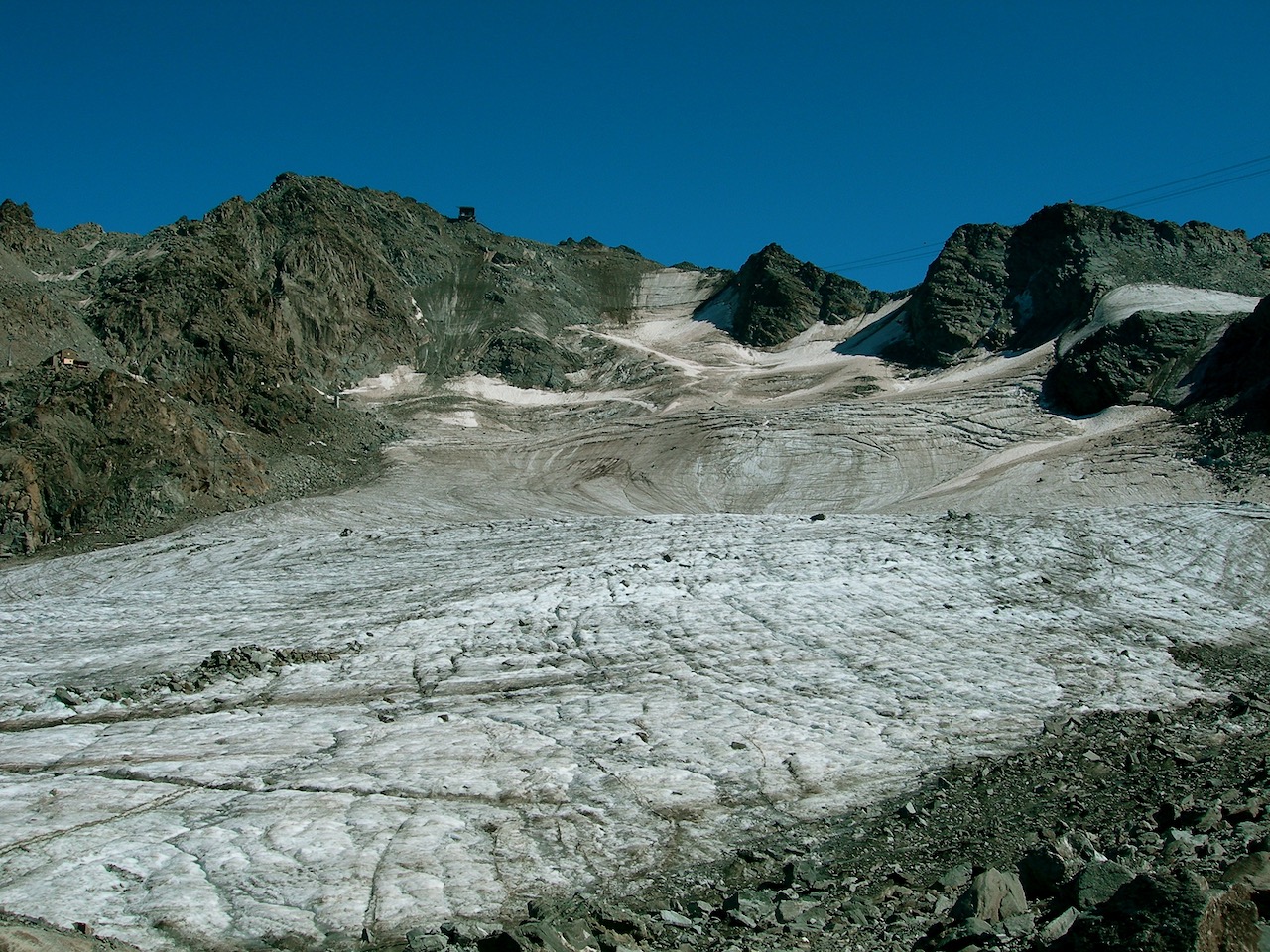
Broader Implications of Accelerated Glacier Melt
While the immediate impact of extensive melting is a cause for significant concern, it is crucial to acknowledge the complex role glacial meltwater plays in maintaining regional water balances. For a time, the abundant meltwater can help to buffer falling water levels in rivers and mitigate rising water temperatures, provided there is sufficient glacial area remaining. This is particularly vital for major European rivers like the Rhine and the Rhone, which rely heavily on Alpine glaciers for a substantial portion of their flow, especially during drier summer months.
However, this buffering effect is a finite resource. As glaciers shrink, their capacity to provide this regulatory function diminishes. The long-term consequence is increased vulnerability to drought, reduced hydropower generation potential, and significant ecological stress on aquatic ecosystems that depend on consistent, cool water flows.
A Deepening Historical Trend
The phenomenon of glacial retreat in the Swiss Alps is not a new development, but its pace has accelerated dramatically in recent decades. Glaciers began their retreat approximately 170 years ago, a process initially characterized by a modest decline. However, as global temperatures have risen due to anthropogenic climate change, the rate of melting has intensified exponentially.
The data unequivocally supports this accelerating trend. Between the years 2000 and 2024, the volume of Swiss glaciers experienced a staggering 38% shrinkage. This dramatic reduction is not merely an abstract statistic; it represents a tangible loss of ancient ice and a significant alteration of the Alpine landscape.
Matthias Huss has highlighted the profound scale of this loss by stating that Switzerland has already lost 1,200 glaciers in the past 50 years. This means that out of an estimated 2,500 glaciers present half a century ago, only approximately 1,300 remain today. This represents a nearly 50% reduction in the number of glaciers, a stark testament to the overwhelming impact of climate change over a relatively short period.
The Science Behind Glacier Loss Day
Glacier Loss Day, conceptualized and introduced in 2022 by a team of researchers at the University of Innsbruck, serves as a vital public awareness tool and a critical scientific metric. It marks the specific day in the calendar year when a glacier has completely melted away all the snow and ice it accumulated during the previous winter’s accumulation period. This effectively means that from Glacier Loss Day onwards, any further melting contributes directly to the net loss of the glacier’s overall mass.
The calculation of Glacier Loss Day involves sophisticated modeling that takes into account factors such as winter snow accumulation, spring melt rates, and projected summer temperatures. By tracking this day across various glaciers and regions, scientists can gain valuable insights into the health of glacial systems and the pace of climate change impacts. The early arrival of Glacier Loss Day in 2026 strongly suggests that winter accumulation was significantly below average, and spring and early summer melt rates were exceptionally high.
Expert Commentary and Broader Scientific Consensus
The findings from ETH Zurich are echoed by numerous scientific institutions and reports globally, all pointing towards a consistent and alarming trend of glacial retreat. The Intergovernmental Panel on Climate Change (IPCC) has repeatedly emphasized the critical threat posed by rising global temperatures to the world’s glaciers. Their reports consistently detail the accelerated melting of ice sheets and glaciers in regions such as the Alps, the Himalayas, and the polar ice caps, linking these phenomena directly to increased greenhouse gas emissions.
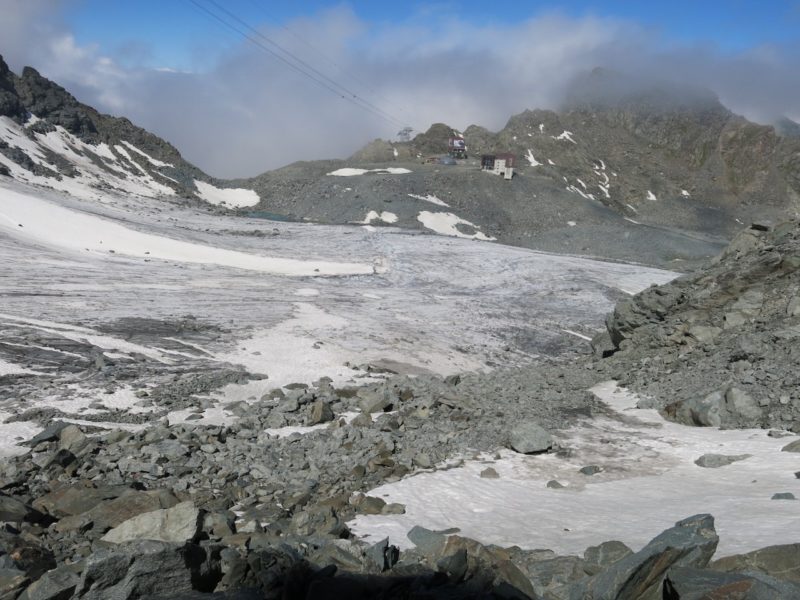
Scientists are not only observing the physical melting of glaciers but also analyzing the consequences for water resources, sea-level rise, and the delicate balance of ecosystems. The early Glacier Loss Day in Switzerland serves as a tangible, localized manifestation of these global scientific assessments.
Historical Context of Alpine Glaciers
The Alpine region has a long history of glacial activity, with glaciers shaping the dramatic landscapes that are now iconic tourist destinations. However, the current rate of melting represents a departure from historical norms. For millennia, glaciers experienced periods of advance and retreat in response to natural climate cycles. The Industrial Revolution, however, marked a turning point, with the subsequent increase in fossil fuel combustion leading to a sustained rise in global temperatures that has overwhelmed natural fluctuations.
The glaciers of the Swiss Alps are particularly sensitive indicators of climate change due to their relatively small size and their location at mid-latitudes. Their rapid response to warming trends makes them crucial sentinels of broader environmental shifts. The historical data, meticulously collected by glaciologists over many decades, provides an undeniable record of accelerating melt and shrinking ice volumes.
Looking Ahead: Challenges and Potential Solutions
The implications of the early Glacier Loss Day extend beyond the immediate scientific observation. They necessitate urgent consideration of adaptation and mitigation strategies. In the short term, managing water resources will become increasingly challenging, requiring innovative approaches to water conservation and distribution. Communities dependent on glacier tourism may face significant economic disruption.
In the longer term, the continued loss of glaciers underscores the imperative of global action to reduce greenhouse gas emissions. The Paris Agreement, aiming to limit global warming to well below 2, preferably to 1.5 degrees Celsius, compared to pre-industrial levels, remains a critical framework for addressing the root causes of glacial melt. Achieving these targets requires a concerted effort from governments, industries, and individuals worldwide to transition to sustainable energy sources and reduce our carbon footprint.
The early arrival of Glacier Loss Day in 2026 is a powerful and urgent call to action. It is a clear signal that the impacts of climate change are not a distant threat but a present reality, demanding immediate and decisive responses to safeguard our planet’s natural heritage and ensure a sustainable future.

