
Green Mountain Valley School (GMVS) Junior Program Director Megan Mikell, a veteran alpine ski coach with 18 years of experience, has issued a powerful call for systemic change within the sport to better support coaches, strengthen the profession, and create meaningful opportunities for women. Her insights, stemming from her unique position as a female coach predominantly working with male athletes and her leadership role, highlight critical gaps and propose actionable solutions to foster a more inclusive and robust coaching community. Mikell’s perspective underscores the urgent need to move beyond mere awareness and implement concrete strategies that will benefit the entire alpine skiing ecosystem.
Background and the Current Coaching Landscape
Megan Mikell’s journey in alpine skiing coaching is, by her own admission, an anomaly. Having coached male athletes for the majority of her career, she represents a demographic significantly underrepresented in an industry where women often find themselves on the periphery of full-time, leadership, and elite-level coaching roles. Two years ago, Mikell stepped into her current position at GMVS, a prestigious institution known for developing top ski racing talent. This role has given her a broader lens through which to observe the challenges facing the sport’s coaching pipeline.
The alpine skiing community, across local, regional, and national levels, faces a persistent shortage of qualified coaches. This scarcity is compounded by a stark gender imbalance, with women consistently underrepresented in pivotal coaching and leadership capacities. While the past few years have seen a positive shift towards increased dialogue—including articles, webinars, panel discussions, and celebrations of female leaders—Mikell argues that these crucial first steps must now translate into tangible, cultural, and structural changes. The existing gaps and blind spots within skiing’s culture, she contends, continue to make coaching a difficult career to enter, develop, and sustain, particularly for women.
Addressing the Disparity: Mikell’s Five Pillars for Progress
Mikell’s analysis distills the complex issue into five critical areas where alpine skiing can enact significant improvements. These pillars offer a roadmap for governing bodies, programs, and individual leaders to cultivate a more equitable and effective coaching environment.
1. Beyond Gendered Coaching Roles: Recognizing Universal Skill Sets
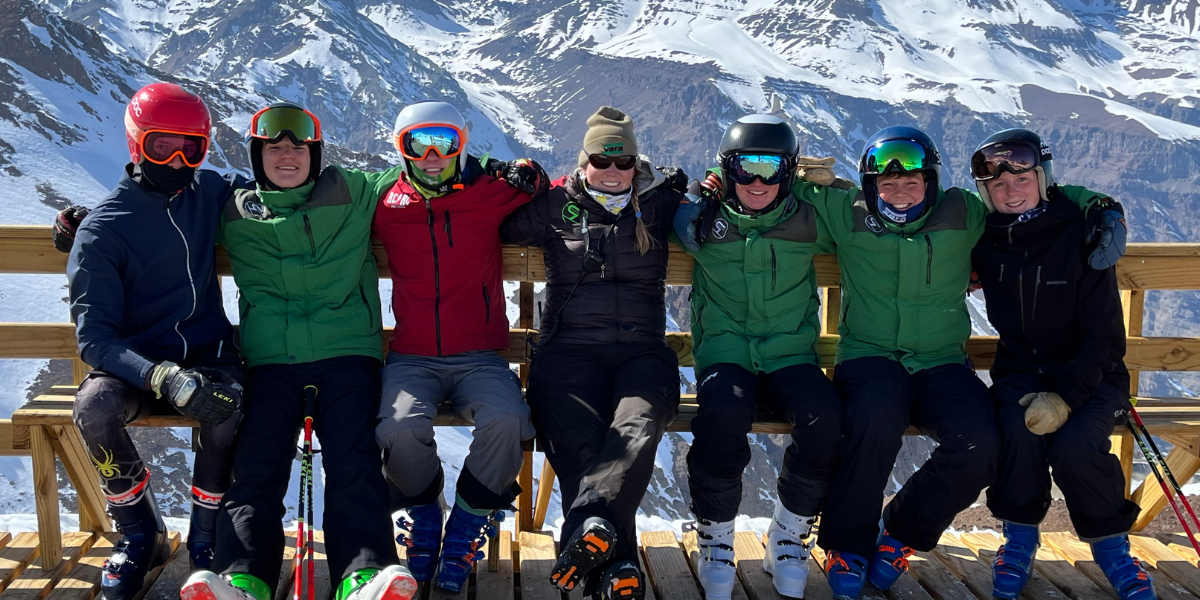
A core tenet of Mikell’s argument is the necessity of dismantling the assumption that women are inherently better suited to coach girls, or that their coaching abilities are limited by an athlete’s gender or age. Hiring decisions, she asserts, should exclusively prioritize a prospective coach’s skills, communication style, judgment, and overall fit with the athlete group. This merit-based approach not only empowers coaches to thrive but also ensures athletes benefit from diverse perspectives and coaching methodologies.
Athletes undeniably gain from exposure to both male and female coaches throughout their development. Each coach brings a unique blend of experiences, communication approaches, and strengths to the slopes. By pigeonholing female coaches into gender-specific roles, the sport does a disservice to its athletes, limiting their exposure to varied coaching styles and perpetuating outdated stereotypes. Mikell recounts personal experiences of being automatically assigned to girls’ events or having to explicitly state her role coaching boys, highlighting the pervasive nature of these unconscious biases. To truly normalize the presence of female coaches at every level—youth, collegiate, elite, and professional, across both men’s and women’s programs—the industry must actively challenge these assumptions and focus on competence over gender.
Data from other sports often reflects similar challenges, with women significantly underrepresented in coaching roles for men’s teams, and even in leadership positions for women’s teams. For instance, NCAA statistics consistently show a disparity in the number of female head coaches, particularly in sports historically dominated by men. Alpine skiing, Mikell notes, lags behind many other athletic disciplines in integrating women into broader coaching and officiating roles, underscoring the urgency of this cultural shift.
2. Prioritizing Coaching Acumen Over Racing Pedigree
Another significant barrier to a diverse and skilled coaching pool is the unofficial yet prevalent qualification of past racing success. Mikell points out that an illustrious racing resume often overshadows actual coaching ability when it comes to opportunities and promotions within the industry. This creates a particularly steep hurdle for young coaches, especially women who may not have competed at the national team or NCAA Division I level.
While elite athletic experience can provide valuable insight, it does not inherently translate into exceptional coaching. Coaching, Mikell emphasizes, is a learned skill that develops through practice, mentorship, and continuous growth. By overly relying on racing backgrounds, programs inadvertently limit their talent pool, overlooking individuals with profound pedagogical skills, strong interpersonal abilities, and a genuine passion for athlete development. Mikell herself stumbled into coaching during college, with no intention of making it a career. Her success, she credits, was not due to an impressive athletic resume or innate talent, but rather to the opportunities she was given to learn and evolve.
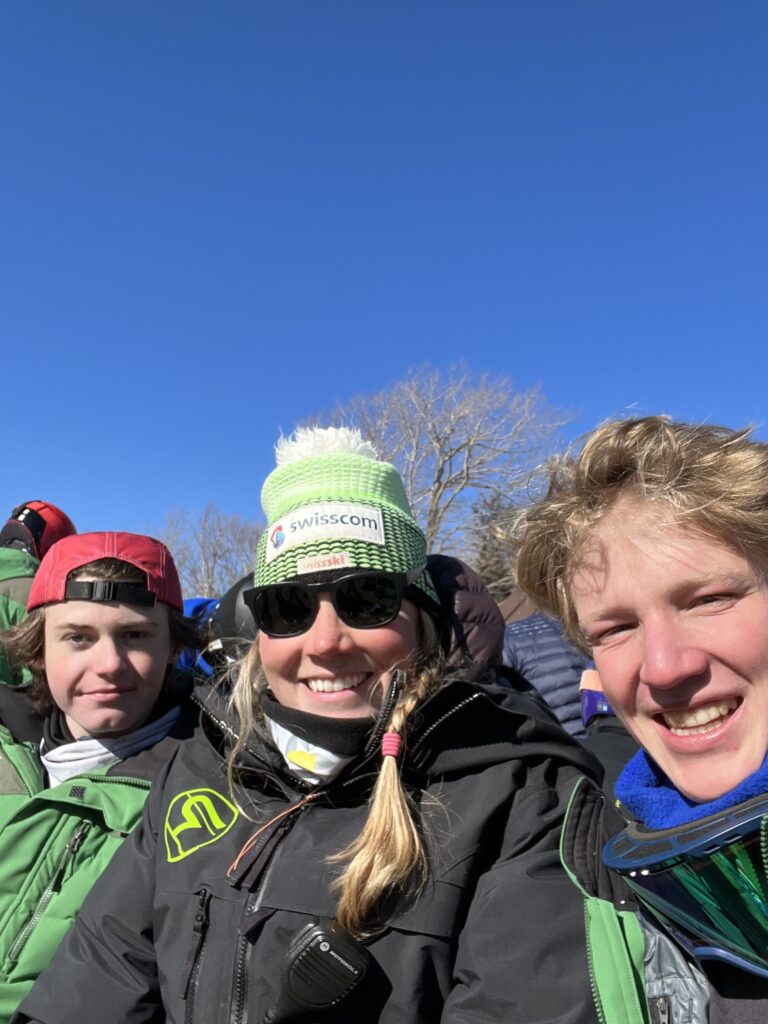
Shifting the focus to coaching ability allows programs to evaluate what truly matters for athlete development in the long term. It encourages a system where dedication to the craft of coaching, a commitment to learning, and the capacity to inspire and guide athletes are the primary criteria for advancement. This paradigm shift is crucial for fostering a coaching profession that values skill development and continuous improvement above past athletic achievements.
3. Intentional Development for Leadership Roles: Building Competence and Confidence
Mikell strongly advocates for proactive and intentional coach development, particularly before individuals are thrust into leadership positions. She cites Rule U601.4.2.3 of the 2026 U.S. Alpine Skiing Competition Guide, which suggests juries "should, where possible, include one person of a different gender." While the intent to promote inclusivity is positive, the practical execution often falters because women remain underrepresented among alpine officials. This can lead to situations where less experienced female coaches are asked to serve on juries without adequate preparation or practical experience.
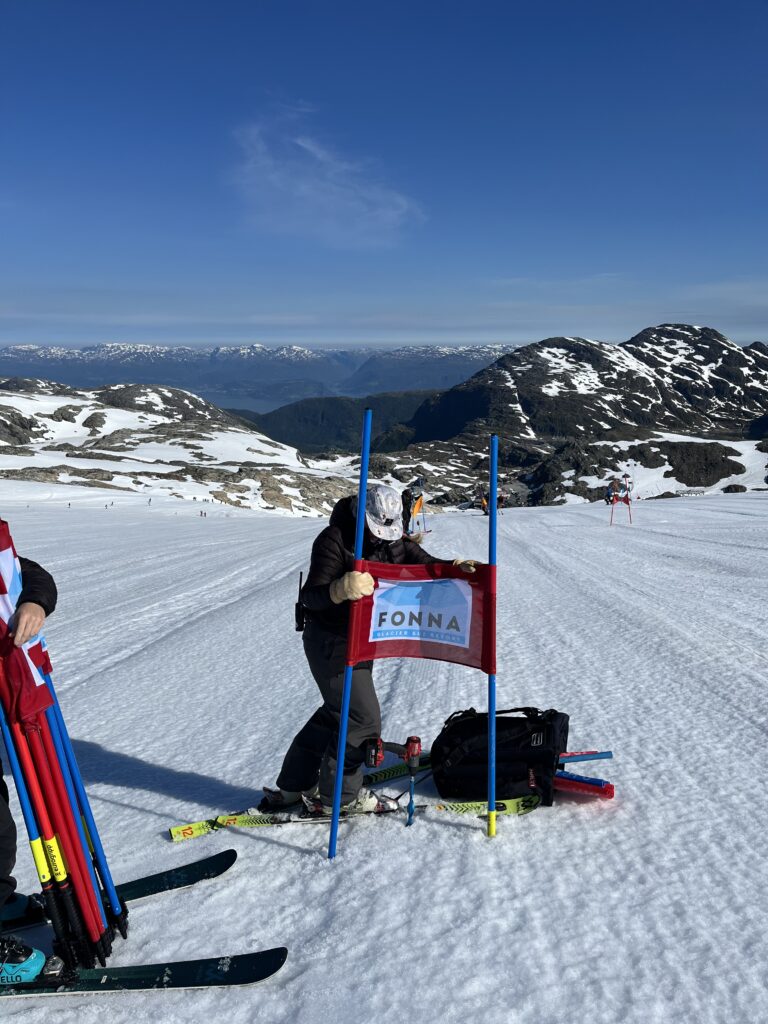
For coaches to confidently take on critical responsibilities like setting race courses or serving on juries, they need opportunities to practice and make mistakes in a low-stakes environment. Mikell recalls periods in her own career where her opportunities to set courses varied greatly depending on her colleagues. Now, as a director, she intentionally circulates the "drill" (course-setting tool) among her staff during training. This hands-on experience is vital for building both competence and confidence, ensuring that when race day arrives, coaches are prepared and self-assured.
The consequences of insufficient preparation extend to jury work, which is paramount to race success and safety. Every jury member must feel confident enough to speak up and contribute meaningfully. Mikell shares instances where her voice, and those of other women, were dismissed on the radio while serving as a referee or technical delegate. Such experiences are profoundly discouraging and actively deter individuals, especially women, from stepping into essential leadership and officiating roles. Intentional development programs, mentorship in technical skills, and a culture that respects diverse voices are essential to ensure all officials are equipped and empowered to perform their duties effectively.
4. Merit-Based Recognition: Celebrating Great Coaching, Not Gender
The way a sport celebrates its coaching accomplishments profoundly reflects its core values. Mikell argues that exceptional coaching should be recognized first and foremost for its quality and impact, rather than being highlighted simply because the coach happens to be female. Creating women-only coaching categories, while seemingly inclusive, can inadvertently suggest that female coaches operate under a separate standard of recognition, potentially undermining their achievements in the broader context.
Major coaching awards, Mikell suggests, should evaluate the entire field of candidates and honor the strongest work, irrespective of gender. This approach reinforces the idea that excellence is universal and should be celebrated on its own merits. She offers the example of Abby Copeland, Middlebury College’s Alpine Coach of the Year for the Eastern Intercollegiate Ski Association (EISA), who received the award for the second time this past season. Copeland’s recognition, based purely on the quality and impact of her coaching, serves as a powerful testament that female coaches can and should be celebrated alongside their male peers, without the need for separate categories that might inadvertently marginalize their achievements.
This principle extends beyond awards to how coaching stories are told and how role models are presented. By focusing on the excellence of the coaching itself, the sport can inspire a wider array of individuals to pursue coaching careers, demonstrating that the path to recognition is paved by dedication, skill, and impact, not by gender.
5. Family-Friendly Policies for Sustainable Careers
One of the most significant yet often overlooked aspects of coach retention, particularly for women, is the availability of family-friendly policies. Coaching, especially in alpine skiing, often involves extensive travel, long hours, and a demanding schedule that can conflict with family life. Mikell notes that while individual coaches and programs have found creative ways to balance career and family, these innovative solutions are rarely codified or shared across the sport.
The absence of formal parental leave policies in many full-time programs is a critical oversight. If alpine skiing is serious about attracting and retaining top coaching talent, especially women who disproportionately bear family responsibilities, clear and consistent parental leave policies are non-negotiable. Such policies provide essential clarity, foster consistency across programs, and signal to coaches that their long-term careers are valued and supported through major life milestones.
Beyond parental leave, Mikell raises crucial questions that programs must begin to address:
- How should programs accommodate travel for coaches with young children?
- What support systems are in place for coaches whose school-aged children cannot travel with them?
- Should programs offer reduced or covered enrollment costs for coaches’ own children participating in ski programs?
These questions delve into the practical realities of a coaching career and highlight the need for a comprehensive "playbook" of best practices. By proactively developing and implementing supportive policies, programs can demonstrate a genuine commitment to their coaching staff, ensuring that individuals do not have to choose between a fulfilling career and a thriving family life. This strategic investment in human capital will undoubtedly strengthen the coaching profession and contribute to a more stable and experienced workforce.
The Indispensable Role of Mentorship
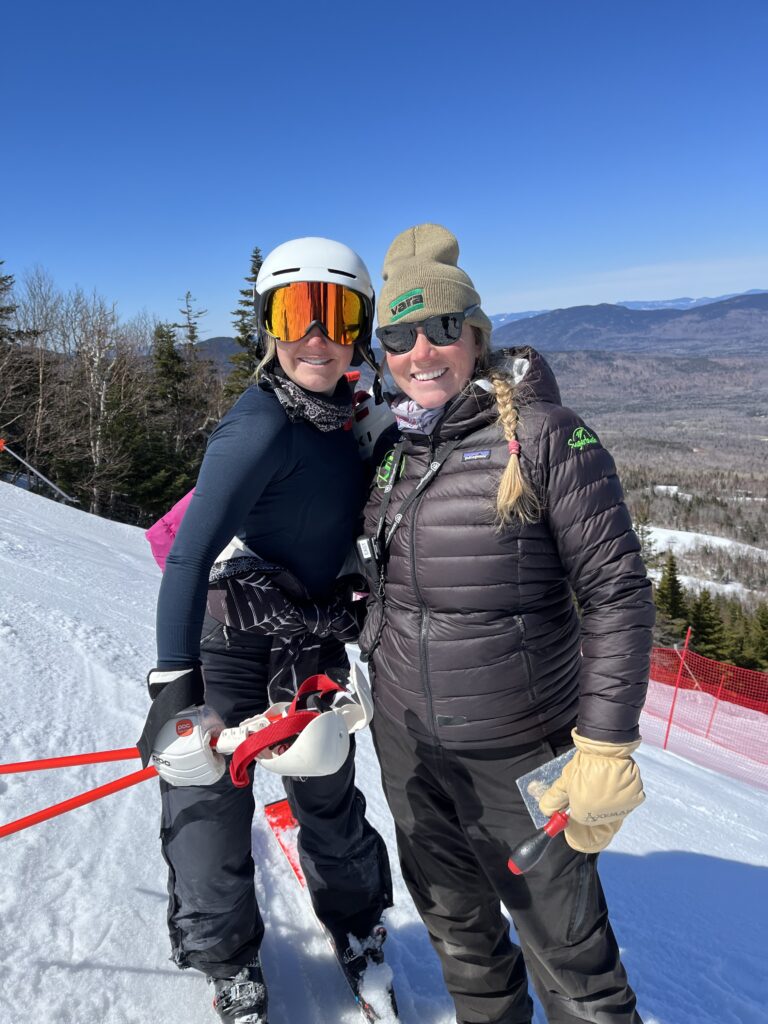
Reflecting on her own journey, Mikell underscores the profound impact of mentorship. She credits her career longevity and success to "exceptional mentors" who consistently believed in her, invested in her development, and provided opportunities for growth, especially during challenging decisions. This unwavering support, she states, shaped her coaching career more than any other factor.
Mentorship networks are vital for nurturing new talent, particularly for women and underrepresented groups who may face additional barriers. A strong mentor can provide guidance, advocacy, and a safe space to learn and grow, counteracting the isolating effects of being an "anomaly." Mikell hopes to pay it forward, providing similar opportunities for others.
The absence of robust mentorship programs can lead to high turnover rates and a lack of progression for promising coaches. By fostering a culture of mentorship, where experienced coaches actively guide and support emerging talent, the alpine skiing community can ensure a continuous pipeline of skilled professionals who feel valued and empowered.
Broader Implications and the Path Forward
Megan Mikell’s comprehensive analysis and proposed solutions offer a critical roadmap for the future of alpine ski coaching. Implementing these changes will have far-reaching positive implications:
- Enhanced Athlete Development: A diverse and well-supported coaching staff brings varied perspectives, communication styles, and expertise, ultimately benefiting athletes by providing a richer and more adaptable learning environment.
- Strengthened Profession: By investing in coach development, recognizing merit, and creating supportive policies, the sport elevates coaching from a transient occupation to a respected, sustainable career path. This will attract and retain top talent, reducing turnover and improving overall program quality.
- Increased Talent Pool: Breaking down gendered assumptions and valuing coaching ability over racing resumes opens the door to a broader and more diverse pool of potential coaches, addressing the current shortage.
- Inclusive Sport Culture: By actively working to normalize the presence and leadership of women, alpine skiing sends a powerful message of inclusivity, fostering an environment where everyone feels they belong and can contribute at the highest levels. This also provides vital role models for young female athletes.
Mikell’s call is clear: good intentions are no longer enough. Meaningful change requires deliberate action, investment in people, and a willingness from leaders across the sport to challenge existing norms. The conversation has started, but the hard work of implementation now awaits. The question remains: is the alpine skiing community ready to commit to the systemic changes necessary to build a truly equitable, robust, and sustainable coaching profession for the future? Mikell is ready to lead that charge, and the sport must now decide if it is ready to join her.

