
Long before Calgary’s western suburbs were defined by the sprawling residential developments and intricate networks of commuter roads that characterize them today, a distinctive stretch of rolling foothills, cradled along the scenic Bow River, was the canvas for one of the city’s most ambitious and ultimately forgotten recreational experiments. Known as Happy Valley, this once-vibrant destination was designed to captivate families throughout the year, offering a unique amalgam of outdoor adventure, lively amusement, and the pioneering spirit of prairie ingenuity. Its story is a fascinating chronicle of entrepreneurial vision, the evolving landscape of leisure, and the relentless march of urban expansion.
The genesis of Happy Valley can be traced back to 1959, a period when Calgary was a significantly smaller metropolis, boasting a population just shy of 300,000. During this era, a visionary Calgary businessman named Ernie Lutz acquired a substantial tract of land, situated approximately six to seven miles west of the city limits. At the time, this area remained within the administrative jurisdiction of the Municipal District of Rocky View. Lutz, who had dedicated a decade to the operation of a successful ready-mix concrete business, made a pivotal decision in 1961 to divest his company. This strategic move allowed him to dedicate his full entrepreneurial energies to the development of his newly acquired property. What began as a personal endeavor soon blossomed into a grand, audacious vision: an all-season family entertainment complex that Lutz fervently hoped would one day earn the moniker, the "Disneyland of Calgary."
The Birth of a Prairie Amusement Hub
Construction commenced in 1960, and the gates of Happy Valley officially swung open to the public on August 5, 1961. The initial phase of the park was characterized by a focus on accessible, family-friendly outdoor recreation. Early visitors were treated to well-appointed playgrounds, ample picnic shelters, designated barbecue areas, and inviting scenic trails perfect for leisurely strolls. The park also offered charming pony rides, adding a touch of rustic appeal. A particularly attractive feature for families seeking a full day of outdoor engagement without venturing far from the city was the presence of stocked trout ponds, providing a delightful fishing experience.
The park’s conceptual framework rapidly evolved, demonstrating a dynamic response to visitor demand and market opportunities. Throughout the early to mid-1960s, Happy Valley underwent a significant transformation, expanding into a multifaceted resort that artfully blended the thrill of amusement park attractions with the enduring appeal of traditional outdoor activities. This expansion saw the introduction of popular features such as go-karts, trampolines, a challenging mini-golf course, and a meticulously maintained Par-3 golf course. To further extend its operational window beyond Calgary’s relatively short summer season, a 50-meter indoor swimming pool was also added, ensuring year-round recreational possibilities.
Embracing the Winter Season: The Ski Hill Era
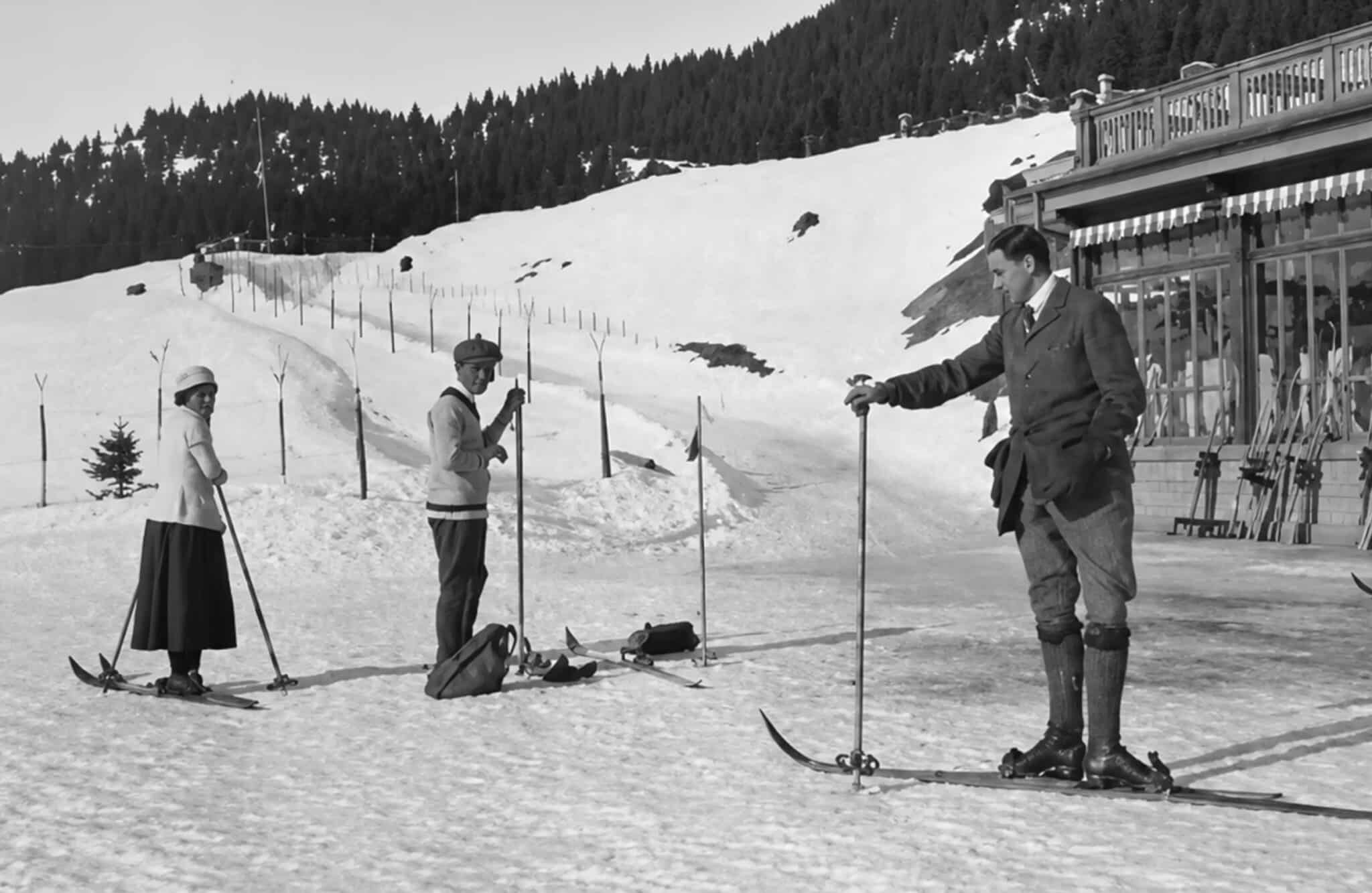
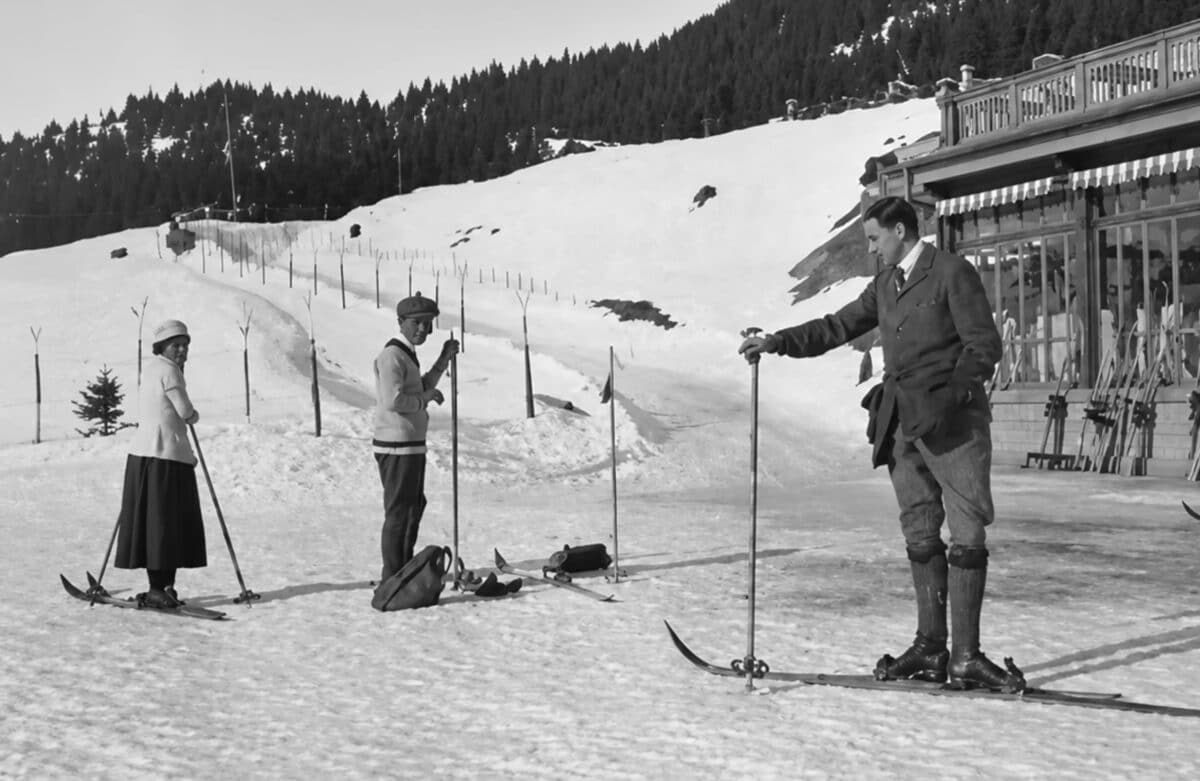
A pivotal moment in Happy Valley’s development, and arguably its most defining feature, arrived in 1962 with the addition of a ski hill. This strategic enhancement transformed Happy Valley into a genuine year-round destination, a feat of considerable ambition for a park situated on the prairies. The ski hill boasted four distinct runs, catering to a range of skiing abilities. These slopes were serviced by a Poma lift, a state-of-the-art system for its time, capable of efficiently transporting approximately 800 skiers per hour to the summit. Recognizing the importance of extending daylight hours for winter sports, night skiing was introduced, facilitated by an installed lighting system. Furthermore, Happy Valley was equipped with early snowmaking technology, a testament to its forward-thinking approach and a significant advantage in a region not naturally endowed with abundant snowfall. Complementary winter attractions, including dedicated ice skating rinks and tobogganing areas, further broadened the park’s winter appeal, offering Calgarians a convenient and accessible alternative to the longer drives required to reach the natural ski resorts of the Rocky Mountains.
For several years, Happy Valley enjoyed considerable success, becoming a cherished destination for local families seeking affordable and engaging leisure activities. Its strategic proximity to Calgary, coupled with its diverse array of offerings, positioned it as a unique hybrid, bridging the gap between a community park and a full-fledged resort complex. However, the challenges of sustaining such an ambitious enterprise proved to be substantial.
Shifting Ownership and Declining Fortunes
The turning point in Happy Valley’s trajectory occurred in 1967 when Ernie Lutz, the park’s visionary founder, divested his ownership. The property was sold to an American investment group. Under this new stewardship, a noticeable decline in the park’s maintenance standards began to emerge, and crucial reinvestment into its aging infrastructure lagged. As the facilities continued to age without adequate upgrades, the park’s overall appeal to the public gradually diminished.
During this period, attempts were made to engage the City of Calgary in acquiring the property. The rationale behind these proposals was to preserve the land for public recreational use. However, the city council ultimately rejected these overtures. The primary reasons cited for the refusal included the property’s perceived distance from the city’s core and the associated logistical challenges. In retrospect, this decision highlights a significant underestimation of Calgary’s future urban growth trajectory and the dramatic expansion of its metropolitan footprint in the subsequent decades.
The property continued to change hands. In 1974, it was acquired by yet another entity, and by 1976, it was purchased by local businessman Bob Allen for an estimated $4 million. Allen harbored ambitions to revitalize the site and initiated further development, most notably the creation of the 18-hole Valley Ridge Golf Course. Despite these earnest efforts to inject new life into the area, the broader recreational landscape was undergoing a significant transformation. The increasing accessibility and popularity of the Rocky Mountains for outdoor pursuits, coupled with evolving leisure trends and the persistent financial demands of maintaining aging infrastructure, all contributed to the park’s gradual and inexorable decline.
The End of an Era and the Dawn of a New Community
By the 1980s, Happy Valley had ceased operations altogether. What had once been a bustling hub of family activity and community engagement slowly faded into disuse, its structures eventually dismantled or repurposed for other uses. The land lay dormant for a period, a quiet testament to its former vibrancy. Then, in 1992, a decade after its operational demise, the area embarked on a new chapter. It was redeveloped into the residential community of Valley Ridge, effectively integrating the former recreational grounds into the ever-expanding suburban edge of Calgary.
Today, tangible physical evidence of Happy Valley’s heyday is scarce. The vibrant sounds of laughter, the whir of go-karts, and the rush of skiers are distant memories. Nevertheless, its legacy endures as a compelling historical snapshot of mid-20th-century recreational ambition on the Canadian prairies. It serves as a poignant reminder of a time when local entrepreneurs endeavored to bring destination-style entertainment experiences closer to home, ingeniously merging elements of amusement parks, ski resorts, and natural landscapes into a single, accessible venue.
In many respects, Happy Valley was a precursor to many modern trends in the recreation industry. It anticipated the demand for all-season facilities, the appeal of multi-use spaces, the emphasis on family-oriented design, and the strategic integration of built attractions with the natural environment. The park’s arc—from its ambitious inception to its eventual closure—mirrors broader patterns observed across North America. Privately developed leisure parks often faced significant challenges in competing with larger, more established destinations, evolving travel habits, and the relentless, outward expansion of urban centers.
What was once deemed "too far from the city" by Calgary’s council in the late 1960s now lies comfortably within the city’s modern urban boundary. Happy Valley stands as a quiet, yet potent, reminder of the dynamic nature of landscapes and the communities that inhabit them. While Happy Valley itself is no longer a physical entity, its story remains an integral and enduring chapter in Calgary’s rich recreational and cultural history, a narrative of innovation, aspiration, and the ever-changing face of the urban frontier.

