
The Slovak resort of Jasná is once again preparing to take center stage on the international winter sports calendar as it gears up to host the women’s FIS Alpine Ski World Cup on January 23–24, 2027. Featuring both giant slalom and slalom events, the return of the world’s elite racers to the Low Tatras mountains represents a major milestone for the Slovak Ski Federation, marking the third time in recent years that the venue has been entrusted with a high-stakes World Cup weekend. The event is widely viewed not only as a testament to the technical proficiency of the organizing committee but also as a celebration of a uniquely fervent fan culture that has left an indelible impression on the global skiing community.
Historical Context and the Evolution of the Jasná Venue
Jasná has long been a crown jewel of Slovak tourism, but its emergence as a premier destination for professional alpine racing is a more recent phenomenon. The path to becoming a consistent World Cup host has been defined by a strategic effort to modernize infrastructure and promote regional heritage. Since the revitalization of the Slovak Ski Federation, the organizers have prioritized the creation of a "home hill" atmosphere that feels both intimate and grand.
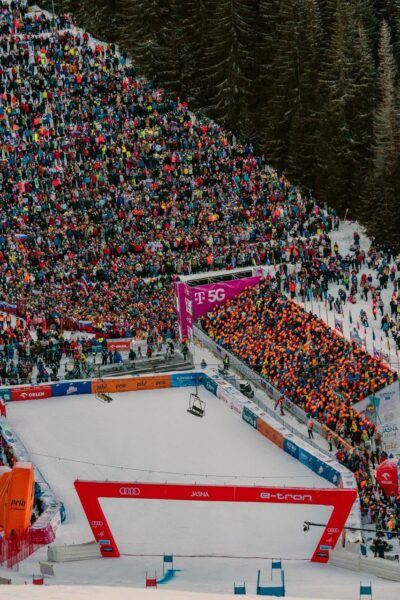
The 2024 edition of the event served as a definitive turning point for the resort. Demand for tickets was unprecedented, with the entire allocation selling out within hours of release. The scene in 2024—characterized by a sea of supporters clad in signature orange hats and the sheer density of spectators arriving before sunrise—demonstrated that Jasná had successfully transitioned into a bucket-list destination for international alpine enthusiasts. Despite the heartbreaking injury sustained by hometown icon Petra Vlhová during the giant slalom, the event did not lose its momentum. Instead, it revealed the resilience of the local organizing committee and the sophistication of the fan base, who remained to support the entire field of competitors with equal intensity.

Chronology of the 2024 Crisis and Resilience
The events of January 20, 2024, remain etched in the memory of everyone involved in the sport. During the opening run of the giant slalom, Petra Vlhová, the primary draw for the local crowd, suffered a season-ending knee injury. The silence that descended upon the slope was described by witnesses as profound and absolute—a stark contrast to the roar that had preceded it.
The subsequent administrative response from the organizing committee serves as a case study in crisis management. Rather than allowing the emotional weight of the injury to deflate the weekend, the leadership, spearheaded by chairman Peter Pukalovič, pivoted to ensure the continuity and integrity of the competition. By analyzing the behavior of the crowd during the following day’s slalom, organizers reached a significant conclusion: the Slovak audience was not merely there for a singular athlete, but for the sport itself. This realization has fundamentally altered the long-term strategic planning for the 2027 event, shifting the focus from a "hero-centric" model to a holistic celebration of alpine skiing.
Economic and Promotional Impact for Slovakia
The benefits of hosting a World Cup event are multifaceted. Beyond the immediate economic influx—which includes increased hotel occupancy, hospitality revenue, and transport utilization in the Liptov region—the event serves as a high-visibility promotional tool for the country. The international broadcasting reach of the FIS World Cup provides millions of impressions, positioning Slovakia as a top-tier destination for winter sports tourism.
Peter Pukalovič, reflecting on the upcoming 2027 races, emphasizes that the prestige associated with the event is vital for a relatively young federation. "For us, it is a great honor that the World Cup is returning to Slovakia after three years," Pukalovič stated. "The prestige is immense, and the economic benefits are just one part of the equation. Our ability to provide our athletes with the chance to compete on their home hill is the ultimate goal of our federation’s development."
The Role of Fan Engagement and Community Integration
A distinguishing factor of the Jasná experience is the integration of fan clubs into the event’s operational fabric. Plans for 2027 are already underway to expand the fan zone, creating a centralized space for both domestic and international supporters. Miroslav Ledecký, president of the official Petra Vlhová fan club, has confirmed that the organization will play an active role in coordinating these efforts.
This commitment to inclusivity extends to the athletes themselves. The presence of international flags—notably from Croatia—among the crowd is a testament to the warmth of the Slovak audience. Athletes such as Zrinka Ljutić have frequently spoken about the unique emotional bond they feel with the Jasná crowd. This phenomenon has created a virtuous cycle: the fans’ intensity encourages the athletes, and the athletes’ positive reception of that energy keeps the atmosphere electric.
Strategic Infrastructure and Technical Upgrades

The success of a World Cup event relies as much on civil engineering as it does on sporting excellence. The organizing committee has already initiated extensive infrastructure improvements, including technical upgrades to the slopes, enhanced cabling, and the refinement of logistics surrounding parking and public transport. Lessons learned from the 2024 congestion points are being integrated into the 2027 traffic management plan. These investments ensure that the resort remains capable of handling the high volume of visitors expected to descend upon the Low Tatras in January 2027.
Commitment to Inclusivity and Para-Alpine Integration
One of the most praised aspects of the 2024 event was the active inclusion of para-alpine skiers, such as Marek Kubáčka, who served as a forerunner. The Slovak Ski Federation has made it clear that this was not a one-time gesture but a foundational commitment to the sport’s diversity. By providing para-athletes with a platform to perform in front of such large crowds, the federation is raising the profile of inclusive sports. Pukalovič confirmed that the 2027 event will continue this tradition, ensuring that para-alpine skiing remains visible within the World Cup program.
Looking Forward: The Potential for Men’s Racing
The scheduling of the 2027 Jasná races currently coincides with the men’s World Cup in Kitzbühel, Austria. While this presents logistical challenges for spectators and media, it has opened a dialogue regarding the future of venue utilization. When asked about the possibility of Jasná hosting a men’s event in the future, the response from the organizing committee was one of clear, professional ambition. "If such a request comes, I can certainly imagine it," Pukalovič noted. While the primary focus remains on the upcoming women’s events, the potential for expansion suggests that Jasná is positioning itself as a permanent fixture in the long-term rotation of high-level FIS events.

Broader Cultural Impact: The Park of Olympic Champions
The legacy of skiing in the region is being codified through physical landmarks that go beyond the temporary structures of a race weekend. The ongoing development of the Park of Olympic Champions in Liptovský Mikuláš is designed to be a permanent, vibrant space that honors the city’s sporting history. According to Dušan Stančík, a key member of the project’s civic association, the objective is to create a space that integrates into the daily life of residents while paying tribute to the history of the region’s champions. Combined with the existing Petra Vlhová Museum in Drahovce, these sites ensure that the spirit of alpine racing remains present in the local culture year-round.
Conclusion: A Legacy in the Making
As the countdown to January 2027 begins, the narrative surrounding Jasná is one of growth, resilience, and passion. The combination of world-class racing, professional organization, and an exceptionally devoted fan base has cemented the resort’s status as a vital component of the alpine skiing circuit. Whether through the iconic crown-shaped trophies designed by local artisans or the sea of orange hats that have become synonymous with the venue, Jasná has carved out a unique identity in a highly competitive global market.
The 2027 World Cup will not merely be a competition; it will be a showcase of how a community can rally behind a sport, elevate its athletes, and create an atmosphere that resonates long after the final racer has crossed the finish line. For the fans, the organizers, and the athletes, the upcoming event in Jasná represents the next chapter in a story of dedication to the craft of alpine skiing, proving that in the mountains of Slovakia, the spirit of the sport is as enduring as the slopes themselves.

