
One of the most remarkable and unusual seasonal optical phenomena in the American Southwest is once again capturing the attention of photographers, nature enthusiasts, and travelers in Apache Junction, Arizona. Unlike conventional wildlife sightings that require patience, high-powered optics, and a stroke of wilderness luck, the famous Cougar Shadow of the Superstition Mountains involves no living fauna. Instead, this breathtaking spectacle is a masterclass in natural geometry, where the late-summer sun, jagged mountain contours, and shifting shadows conspire to cast the unmistakable silhouette of a crouching mountain lion against the rugged western face of the Superstition Mountains.
As the viewing window opens from September 13 through September 19, 2026, spectators from across the Phoenix metropolitan area and beyond are preparing to stake out roadside vantage points. This recurring semi-annual phenomenon has rapidly evolved from a localized piece of desert folklore into a celebrated community event, drawing crowds who gather in the fading desert light to watch the landscape temporarily transform into a canvas of geological art.
The Mechanics of an Optical Illusion: What Creates the Cougar Shadow?
To understand why the Superstition Mountains briefly morph into a prowling feline, one must examine the precise intersection of topography and celestial mechanics. The Superstition Range is characterized by sheer volcanic cliffs, deep canyons, dramatic ridges, and ancient erosion patterns. Throughout most of the year, the angle of the sun renders these geographical features as ordinary, albeit rugged, desert mountain terrain.
However, during specific seasonal windows near the spring and fall equinoxes—typically occurring for a brief period in March and again in September—the sun descends along a precise azimuth relative to the range’s western profile. As the solar disk approaches the horizon, the shifting sunlight strikes the rocky escarpments at an acute angle. This creates long, sharply defined shadows that stretch across the canyon walls and rock faces.
Through a unique combination of pareidolia—the human tendency to perceive meaningful images in random visual patterns—and the actual geological contours of the rock, these intersecting shadows coalesce into the striking outline of a crouching cougar. The head, spine, haunches, and tail of the feline appear to materialize out of the sheer rock face, maintaining its dramatic form for a fleeting window of time before fading as the sun dips completely below the horizon. According to regional tourism and geological guides, the phenomenon relies heavily on clear atmospheric conditions. Any unexpected cloud cover, high-altitude haze, or lingering particulate matter in the desert air can diffuse the sunlight, mututing the shadows and preventing the silhouette from fully resolving.
Chronology and Optimal Viewing Windows for September 2026
The operational window for this autumn’s viewing event spans seven days, from Sunday, September 13, through Saturday, September 19, 2026. Because the phenomenon is entirely dependent on the position of the setting sun, timing is critically compressed and demands strict adherence to a precise schedule.
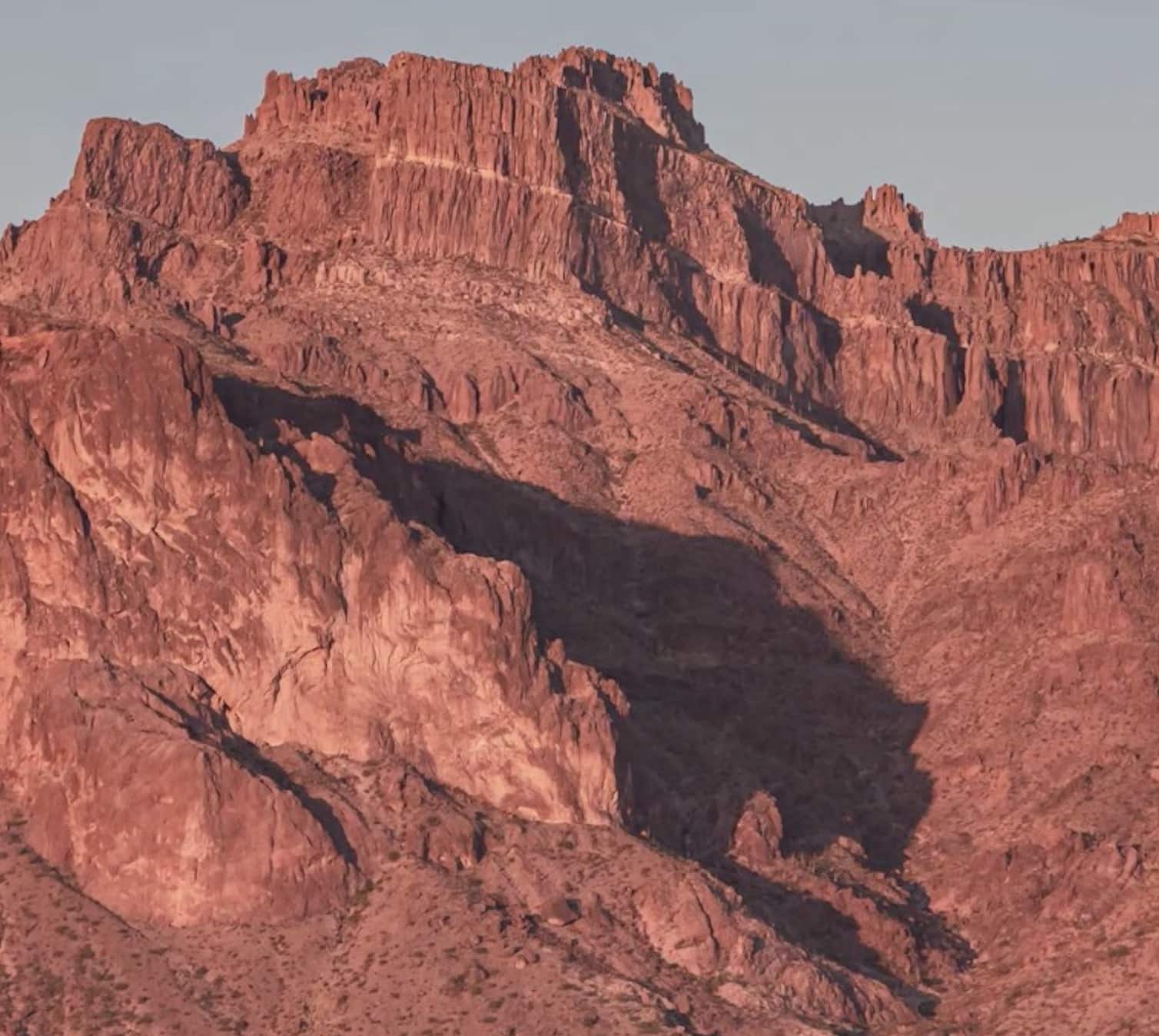
Meteorological and regional travel reports indicate that the prime viewing window occurs daily between 6:00 p.m. and 6:30 p.m. local Mountain Standard Time. However, seasoned observers and local guides emphasize that the total duration of the display—from the initial hint of the shadow’s formation to its total dissolution—lasts roughly 20 to 30 minutes. More importantly, the peak clarity of the cougar silhouette is notoriously brief, often crystallizing into its most recognizable form for a mere three to five minutes before the failing light alters the shadows once again.
This ephemeral nature requires spectators to adopt a proactive approach. Arriving at a viewing location well ahead of the 6:00 p.m. threshold is strongly advised. Rushing to a vantage point at the exact minute the shadow is predicted to peak typically results in missed opportunities, as traffic congestion, parking limitations, and obstructed lines of sight can easily disrupt an observer’s schedule.
Strategic Locations and Navigational Guidelines for Observers
For those planning to witness the phenomenon during the September 2026 viewing week, knowing where to position oneself is just as important as knowing when to look. A common misconception among out-of-town visitors is that the shadow is best viewed from deep within the trail networks of the nearby Lost Dutchman State Park. Local tourism authorities and parks officials have repeatedly clarified that the optimal angle for the silhouette requires distance from the mountain range, meaning the cougar shadow is generally not visible from within the immediate boundaries of the state park itself.
Instead, the premier vantage points are situated further west, within the municipal boundaries of Apache Junction. Regional guides, including insights published by Visit Mesa, point to the intersectional area near Superstition Boulevard and Goldfield Road as one of the most reliable corridors for catching a clear, unobstructed view of the western mountain face.
Because these recommended viewing areas are largely roadside spaces rather than designated amphitheaters or formal parks, municipal officials and law enforcement agencies urge the public to exercise caution and civic responsibility. Spectators must park exclusively in legal, designated areas along public rights-of-way, ensuring that vehicles do not block moving traffic, private residential driveways, or emergency access routes. The influx of sightseers into these suburban corridors creates localized traffic bottlenecks each evening, making patience and adherence to local parking laws essential.
Supporting Data, Equipment, and Preparation
While witnessing the Cougar Shadow does not require a strenuous backcountry expedition or a hazardous technical summit hike, proper preparation enhances the experience significantly. Because the event takes place outdoors during the transition from day to night in the Arizona desert, environmental factors must be managed.
Although September temperatures in Apache Junction begin to relent from the searing heat of mid-summer, evening temperatures can still remain warm while the sun beats down on asphalt and desert scrub. Observers are advised to bring an adequate supply of drinking water to remain hydrated during the wait.

In terms of optical equipment, a casual glance toward the mountains will reveal the general play of light and shadow, but capturing the finer details of the silhouette benefits greatly from the right gear. Photographers utilizing digital single-lens reflex (DSLR) or mirrorless cameras should equip themselves with a telephoto or zoom lens (ideally in the 70-200mm or greater range) to isolate the specific section of the mountain range where the shadow forms. A sturdy tripod is also recommended, as the low-light conditions of the deepening evening require slower shutter speeds to maintain image clarity without introducing motion blur. For casual observers who prefer not to manage heavy camera equipment, a compact pair of binoculars will provide a crisp, detailed view of the shadow’s formation across the rugged rock faces.
Broader Impact: Tourism, Local Economy, and Community Significance
The recurring bi-annual appearance of the Cougar Shadow serves as a fascinating case study in how natural phenomena can contribute to regional tourism, community identity, and local commerce. Apache Junction, a city historically rooted in the lore of the Lost Dutchman’s Gold Mine and the rugged frontier history of the Superstition Mountains, derives significant cultural and economic value from these unique geological curiosities.
While major national parks and monuments across the American West command international tourism campaigns, localized anomalies like the Cougar Shadow operate on a grassroots level. The event attracts regional travelers, hobbyist photographers, and local residents who treat the week as a communal gathering. Restaurants, cafes, and small businesses in Apache Junction and Mesa experience modest, steady upticks in evening patronage as visitors grab dinner or coffee either before or after staking out their viewing spots along Superstition Boulevard.
Furthermore, the phenomenon highlights the evolving relationship between modern travelers and natural landscapes. In an era dominated by digital media, where scenic locations are constantly shared, hyper-specific visual spectacles like the Cougar Shadow thrive on social media platforms. High-resolution photographs and time-lapse videos shared by local news outlets and independent creators circulate widely, driving heightened interest year after year and converting a brief seasonal shadow into a bucket-list item for Southwestern shutterbugs.
Looking Ahead: The Future of the Viewing Tradition
As the September 13–19, 2026 viewing window unfolds, meteorologists and local enthusiasts will be monitoring sky conditions closely to ensure that the Arizona skies remain clear of intrusive monsoon moisture or desert haze. For those who manage to secure a prime roadside spot, align their telephoto lenses, and witness the mountain transform into a prowling lion for those precious few minutes, the experience offers a unique connection to the natural rhythms of the desert.
For individuals who miss out on this autumn’s display due to scheduling conflicts or adverse weather conditions, the natural geometry of the Superstition Mountains ensures that the cycle will repeat. The earth’s axial tilt and solar orbit will once again align the setting sun with the mountain’s contours in March 2027, bringing the legendary Arizona cougar out of the shadows for yet another brief, breathtaking appearance. Until then, the evening routine for desert wanderers remains wonderfully simple: find a safe patch of pavement, turn your eyes toward the majestic Superstitions, and watch as the desert light plays its timeless trick on the stone.

