
For millennia, the landscapes of Southern California have been shaped by the rhythmic movement of native herbivores, fire cycles, and seasonal shifts. However, the region is currently undergoing a structural transformation as climate change, prolonged drought, and invasive species turn wildfire from an occasional ecological occurrence into a chronic, existential threat. In response, a quiet revolution in land stewardship is taking root: the deployment of managed herds of sheep and goats to mitigate fuel loads, effectively replacing the natural disturbance patterns that have been suppressed by decades of urban expansion and fire-management policy.
The Ecological Shift: From Suppression to Volatility
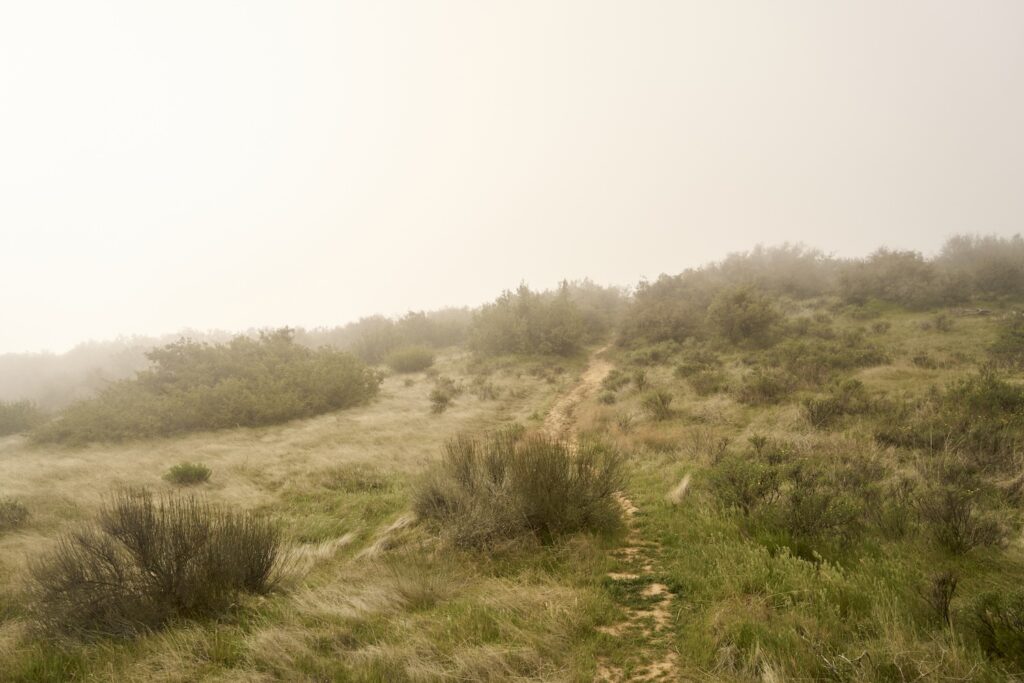
The traditional narrative of Southern California’s wilderness—characterized by oak savannas, chaparral, and coastal scrub—is being rewritten by the realities of a changing climate. Data from the National Oceanic and Atmospheric Administration (NOAA) underscores that higher average temperatures and extended periods of aridity are creating "fuel-primed" conditions. When these conditions align with the Santa Ana wind patterns, the resulting fires are no longer contained events; they are megafires that reshape the topography, strip soil of its nutrients, and trigger secondary disasters like landslides and flash flooding.
This volatility has forced a reckoning in how the state manages its wildland-urban interface (WUI). For decades, the primary management strategy was total fire suppression, a policy that inadvertently led to the dangerous accumulation of biomass. As this vegetation dries, it creates an incendiary landscape that threatens not just the ecosystem, but the insurance markets, utility infrastructure, and housing policies that sustain the region.
The Rise of Prescribed Grazing
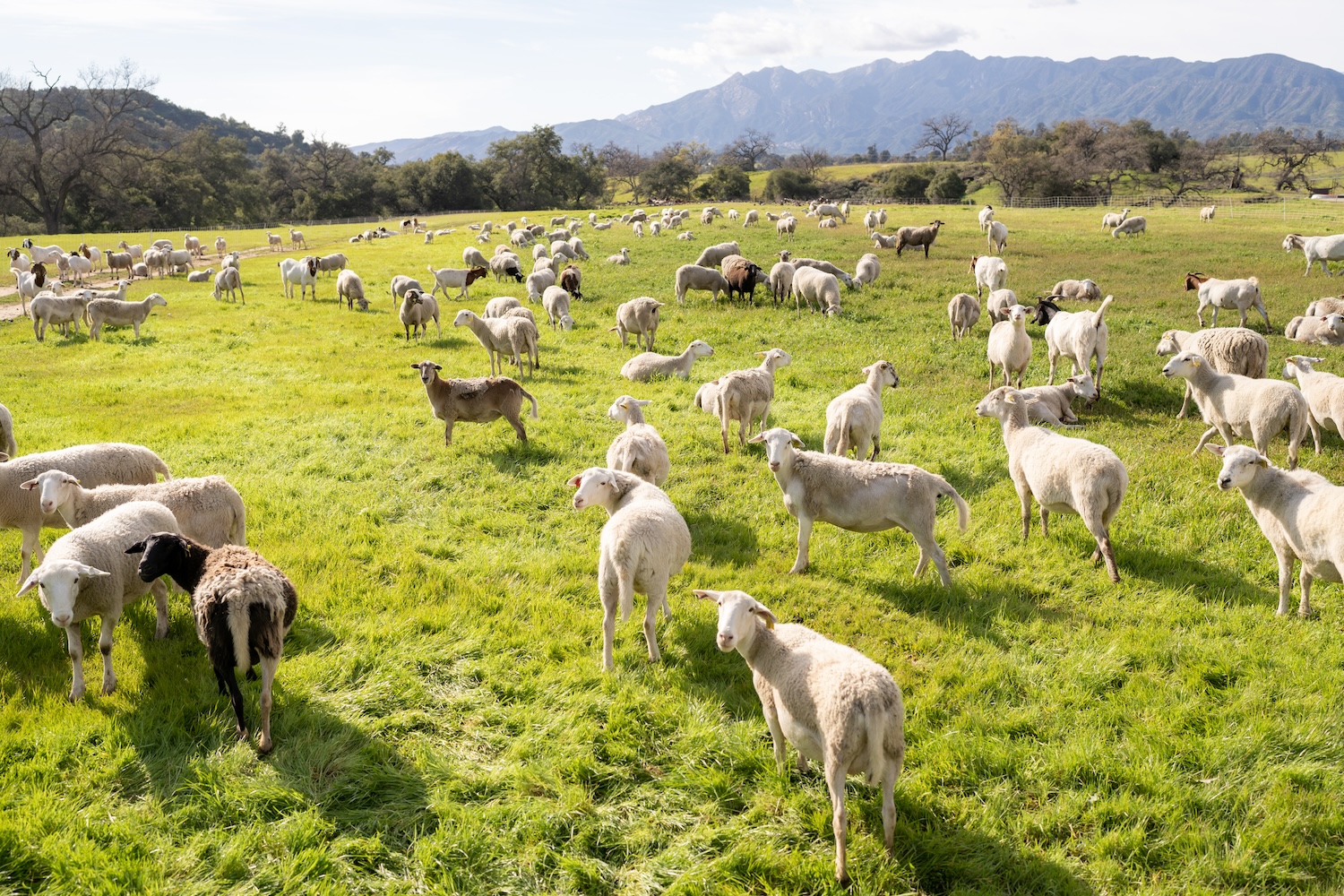
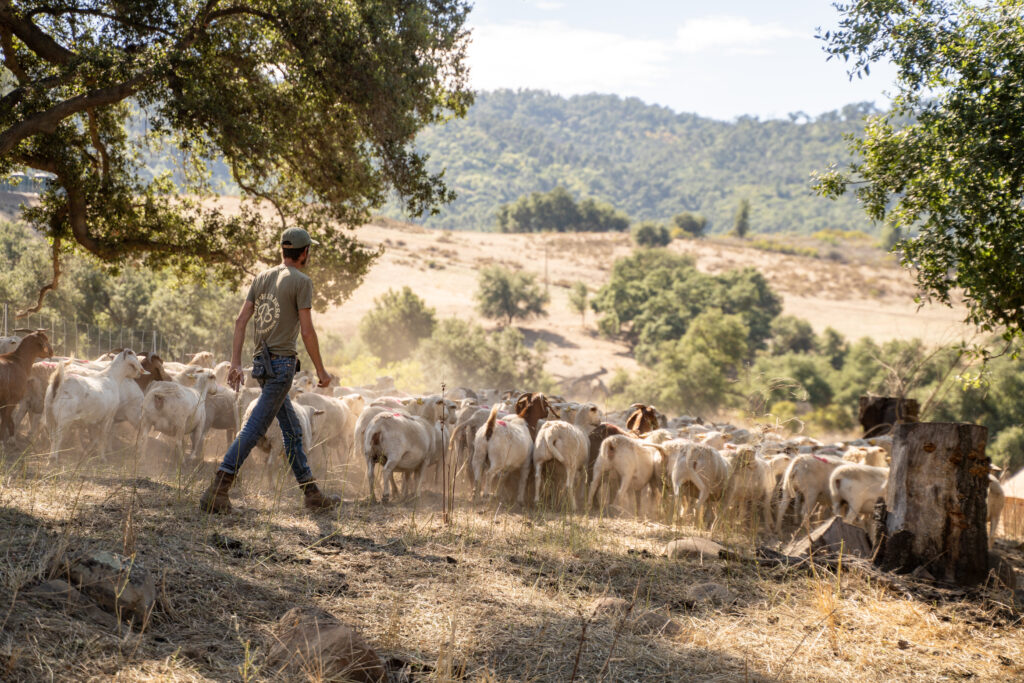
Prescribed grazing has emerged as a scientifically backed, scalable adaptation strategy. Unlike mechanical clearing, which can be ecologically disruptive and physically limited by steep, inaccessible terrain, livestock provide a biological solution.
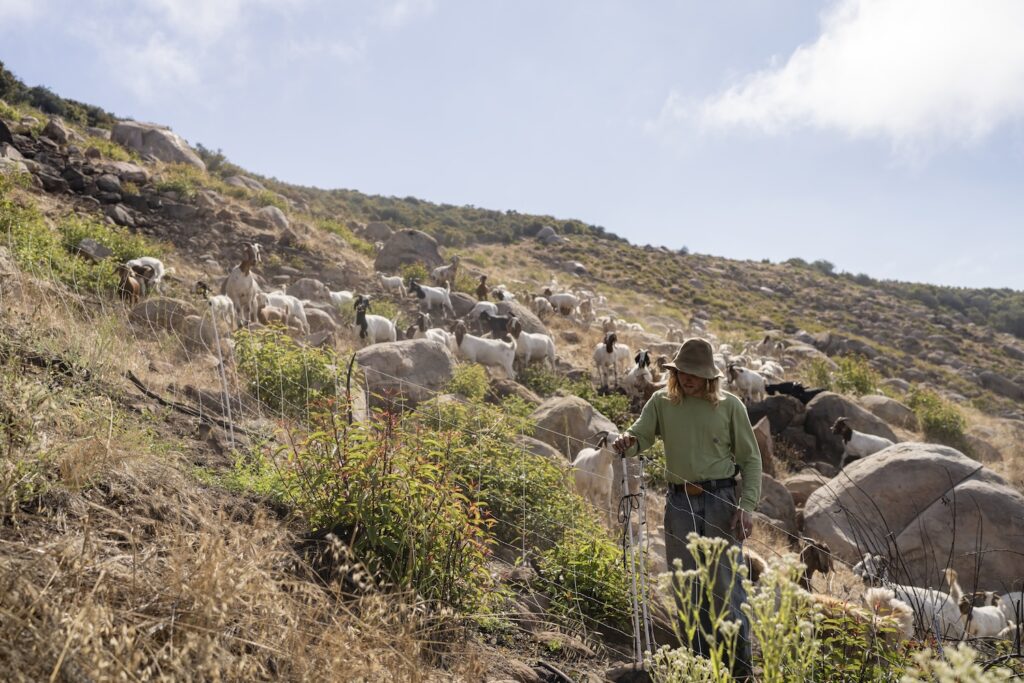
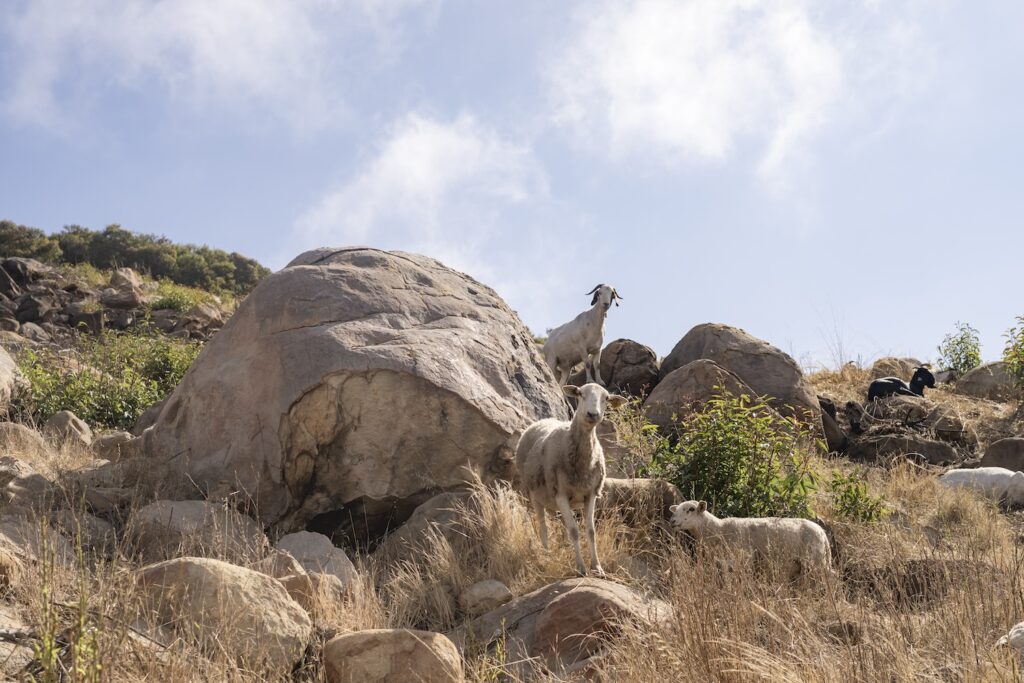
Practitioners like Cole Bush, founder of The Shepherdess Land and Livestock Co. and the Grazing School of the West, emphasize that this is not merely "clearing brush." It is an exercise in ecological literacy. Goats, being browsers, target woody vegetation and invasive shrubs, while sheep, as grazers, focus on flammable annual grasses. By rotating these animals through high-risk corridors, shepherds create a "patchwork" of reduced fuel that can slow or stop the advance of a fire front before it reaches critical infrastructure.
Chronology of Adaptation and Crisis
The shift toward proactive stewardship was accelerated by the catastrophic 2017 Thomas Fire, which scorched over 280,000 acres in Ventura and Santa Barbara counties. The event served as a turning point for local governance and community resilience, highlighting the vulnerability of the region’s narrow valley corridors.
By early 2025, the intensity of wildfire activity reached a new peak, most notably with the Madre Fire, which became the largest wildfire in California that year. This event tested the nascent networks of citizen-led response teams. During the subsequent January 2025 Los Angeles fires, the need for specialized livestock management became apparent. The "Ojai Herd and Horse Network" was formed as an improvised emergency response, proving that the expertise required for prescribed grazing—calmness, observation, and an understanding of animal behavior—was directly transferable to disaster evacuation. During the Kenneth Fire, experienced shepherds successfully evacuated semi-feral livestock from steep, smoke-filled hillsides where traditional emergency vehicles could not reach, preventing mass loss of life.
Data-Driven Resilience
The economic and environmental rationale for prescribed grazing is becoming increasingly clear. While cattle are often used for general agriculture, their water requirements and inability to navigate steep, rocky terrain make them less effective in Southern California’s rugged chaparral. Goats and sheep require minimal supplemental water, possess a lighter footprint that minimizes soil compaction, and can graze on slopes exceeding 30 degrees.
According to preliminary environmental impact assessments, strategic grazing can reduce fuel loads by 60% to 80% in specific target zones. Furthermore, by removing non-native annual grasses that typically outcompete native perennial bunchgrasses, these herds facilitate the return of native flora that are naturally more fire-resilient and better at retaining soil moisture.
Institutional and Political Implications
The transition from reactive suppression to proactive stewardship is now permeating local politics. Organizations such as the Ojai Valley Fire Safe Council are pivoting toward long-term adaptation. This includes the development of updated fire hazard maps and the integration of grazing permits into municipal land-use planning.
However, the transition is not without challenges. Insurance companies, facing record losses from climate-driven events, are increasingly withdrawing coverage from fire-prone zones, placing the financial burden of mitigation squarely on homeowners and local governments. Consequently, the "stewardship model" is moving from a niche environmental practice to a central pillar of regional policy. Policymakers are exploring tax incentives for landowners who utilize grazing services, recognizing that the cost of a managed herd is a fraction of the economic loss associated with a single major burn event.
The Human-Landscape Connection
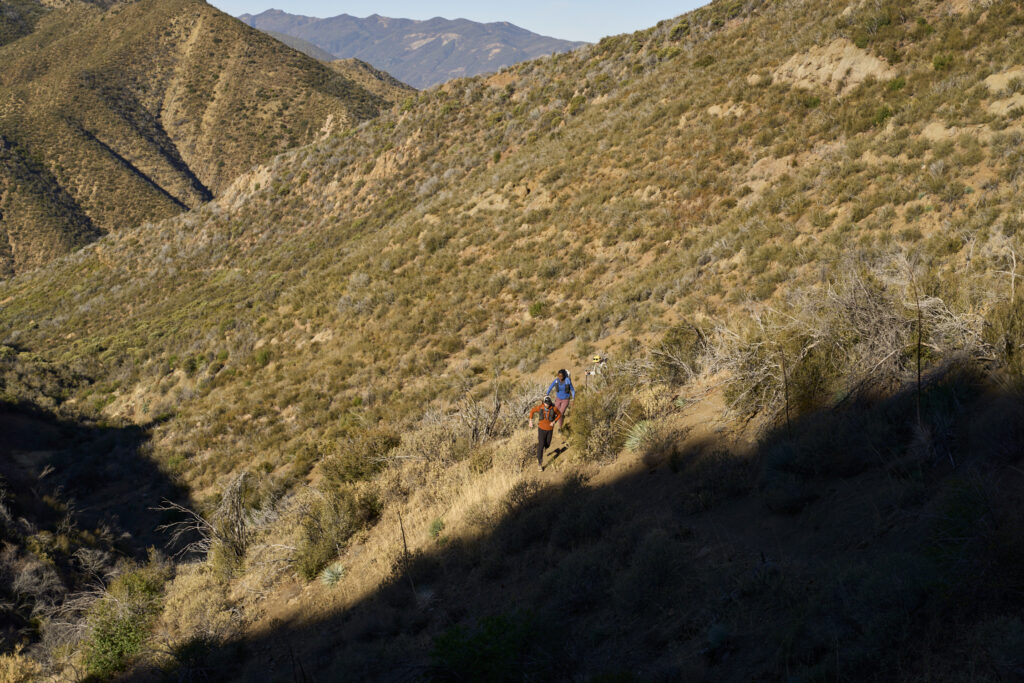
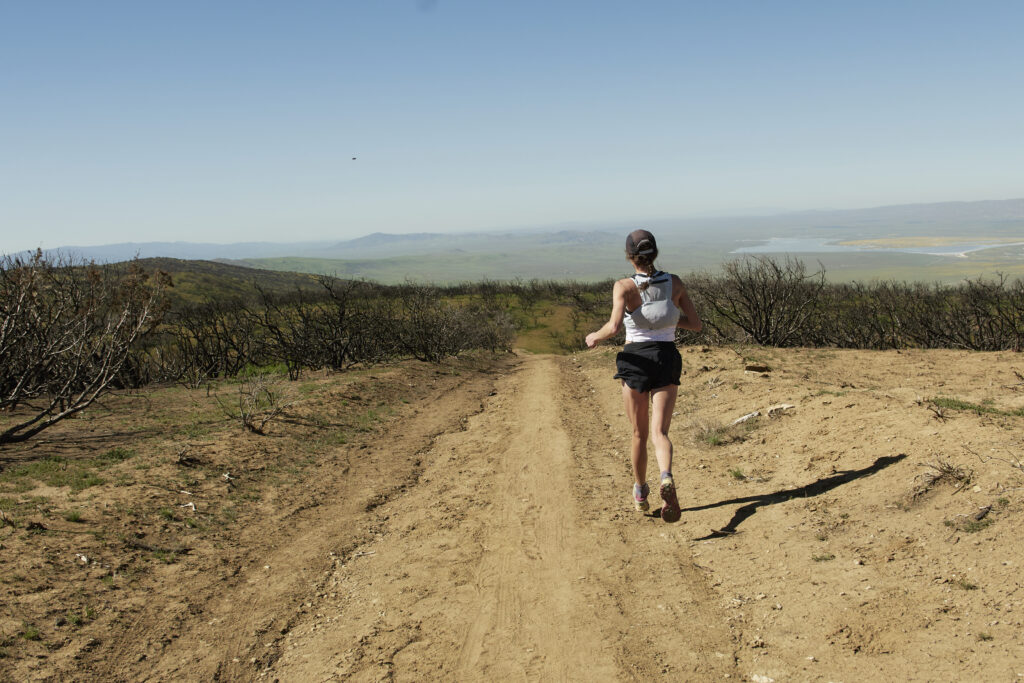
The intersection of outdoor recreation and ecological management is another emerging frontier. For those who utilize these lands—trail runners, hikers, and cyclists—the change in scenery is palpable. Trails that were once pristine are now frequently subject to closure due to fire damage or post-fire restoration efforts.
The professional community of trail users is beginning to view themselves as stakeholders in this management process. By monitoring erosion, vegetation regrowth, and invasive spread, these individuals provide a ground-level data stream that complements the work of professional ecologists. This is not just about "protecting nature" for the sake of recreation; it is about recognizing that human presence in these landscapes requires a reciprocal relationship of care.
Looking Toward the Future
The philosophy of the "modern shepherd" is defined by the idea that humans must be active participants in the landscape’s health. As Cole Bush notes, the goal is not to "dominate" the terrain but to "listen" to it. This involves identifying the systemic causes of dysfunction—such as the encroachment of non-native eucalyptus trees or the fragmentation of wildlife corridors—and utilizing targeted grazing to nudge the ecosystem back toward a state of equilibrium.
The implications for the broader American West are significant. As climate volatility continues to render historical fire models obsolete, the techniques being refined in Southern California—combining ancestral animal husbandry with modern ecological monitoring—offer a blueprint for other regions. Whether in the grasslands of the Great Plains or the forests of the Pacific Northwest, the move toward "living with fire" requires a departure from the singular focus on suppression and a return to the management of movement.
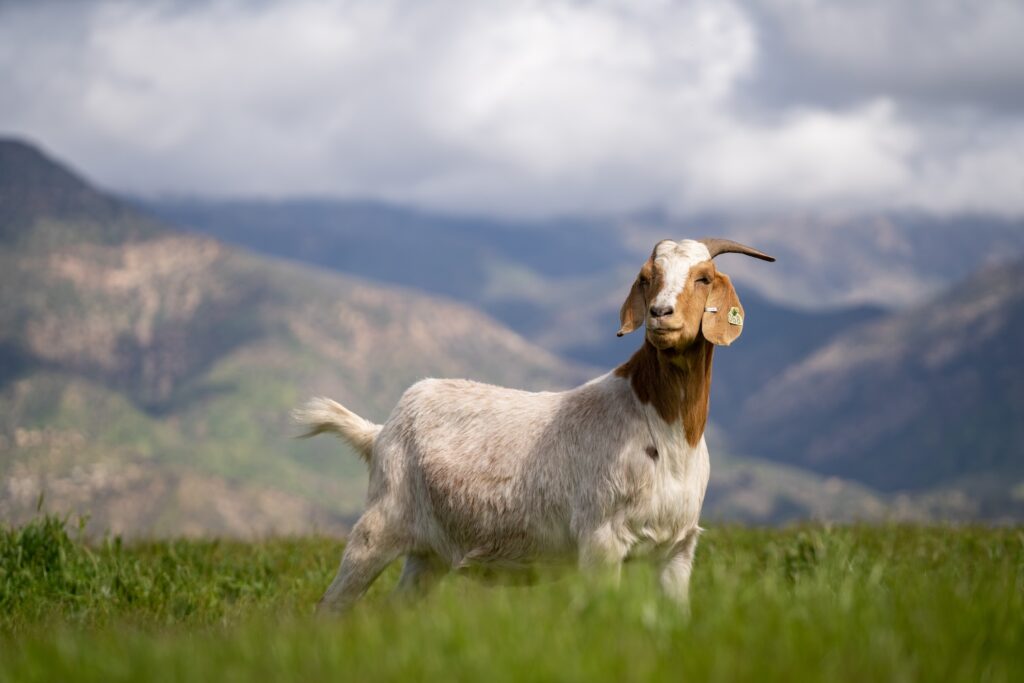
As the state faces an uncertain future of hotter, longer fire seasons, the quiet movement of sheep and goats across the hillsides serves as a potent metaphor for the broader work of adaptation. It is a slow, methodical, and labor-intensive process, yet it offers a tangible path toward resilience. By acknowledging that these landscapes are shaped by what moves through them, California is beginning to foster a new generation of stewardship—one that recognizes that survival in a volatile climate requires both the wisdom to observe and the courage to actively manage the ground beneath our feet.

