
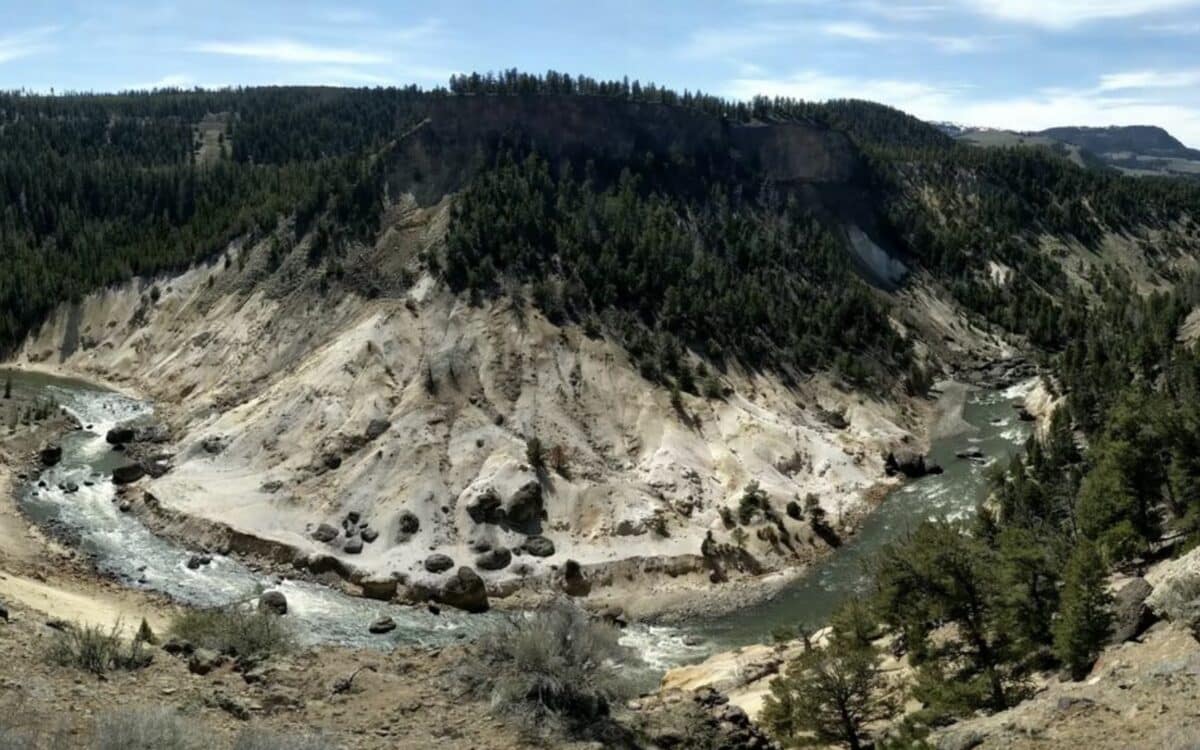
Yellowstone National Park, a globally renowned sanctuary for its dramatic geysers, vibrant hot springs, and the immense volcanic caldera that lies beneath its surface, harbors a geological secret that has eluded many visitors: natural oil seeps. Located in the northeastern expanse of the park at Calcite Springs, these rare hydrocarbon deposits offer a fascinating glimpse into the region’s ancient geological past, predating even the formation of the Yellowstone supervolcano. The United States Geological Survey (USGS) Yellowstone Volcano Observatory has been instrumental in documenting and analyzing these unique formations, highlighting their significance as remnants of millions of years of Earth’s transformative processes.
A Geologic Anomaly in a Volcanic Wonderland
For decades, geologists and researchers have noted the presence of hydrocarbons around Calcite Springs. Early expeditions described fumaroles (vents emitting volcanic gases) surrounded by sulfur-coated rock and a tar-like substance. Modern scientific investigations, building upon this foundational knowledge, have confirmed these deposits as naturally occurring hydrocarbons that have migrated to the surface through subterranean fractures.
Hydrocarbons, fundamental components of fossil fuels like petroleum, natural gas, and coal, are formed from organic matter that has been subjected to immense heat and pressure over geological timescales, typically millions of years. The process begins with the burial of organic material, which is then gradually transformed. Microbes initiate the breakdown of organic matter, producing methane. As the material is buried deeper and temperatures rise, liquid petroleum and a wider array of hydrocarbons can form. Extreme temperatures can further break down these hydrocarbons into simpler carbon-based materials like methane, graphite, and carbon dioxide.
While hydrocarbon seeps are a relatively common phenomenon in marine environments and are famously represented by locations like the La Brea Tar Pits in Los Angeles, California, their occurrence within the confines of Yellowstone National Park is exceptionally rare. This rarity underscores the unique geological conditions that prevail at Calcite Springs.
Tracing the Origins: Permian Seas and Eocene Lakes
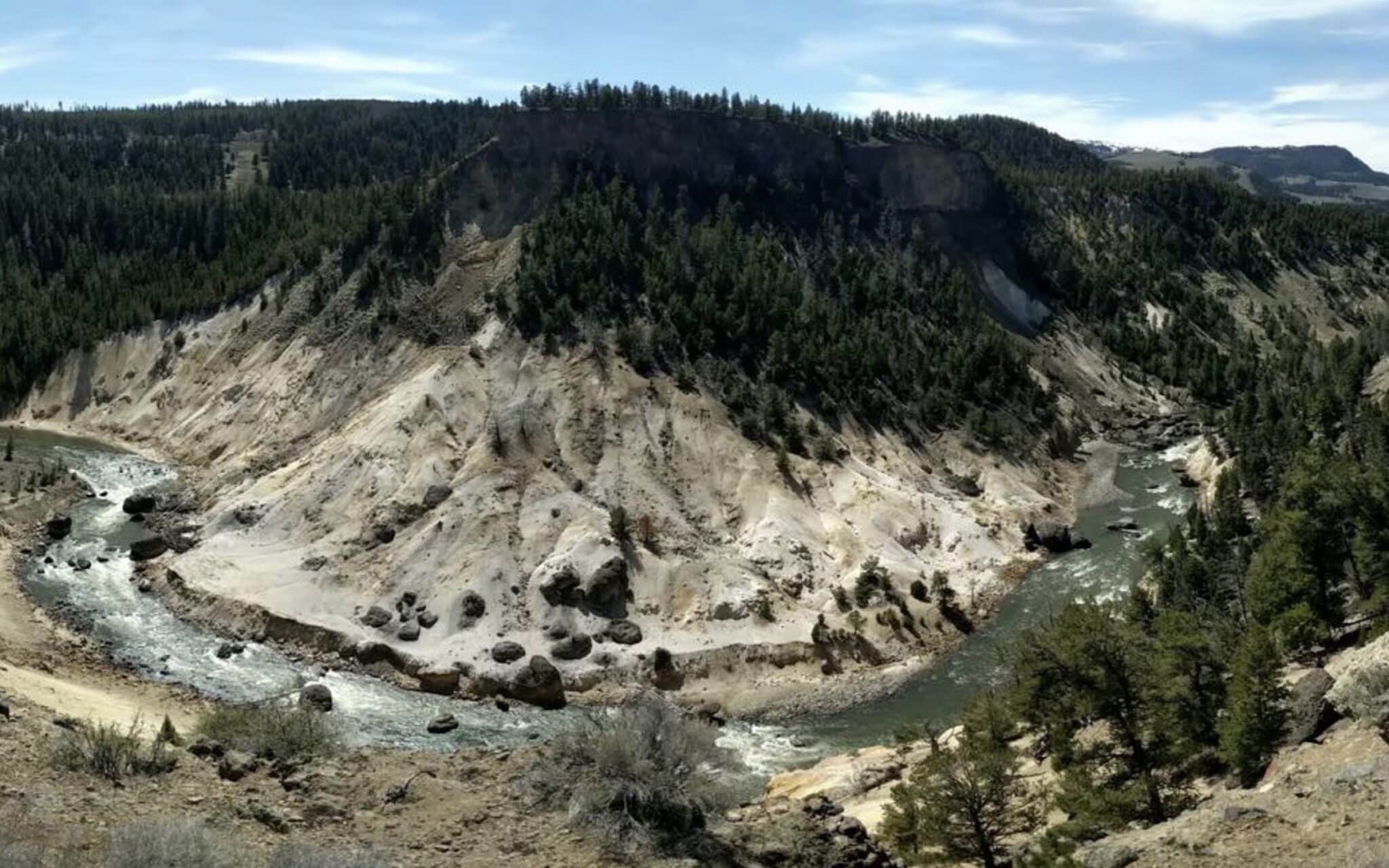
The USGS posits that the hydrocarbons found at Calcite Springs likely originated from ancient marine shale formations dating back to the Permian Period, approximately 299 to 252 million years ago. These very same rock layers are the source of many of the productive oil and gas fields found today in Wyoming’s Bighorn Basin, situated just to the east of Yellowstone. This geological connection highlights a shared subterranean heritage across the region, with ancient marine environments playing a crucial role in the formation of these valuable resources.
Furthermore, researchers suggest that younger lake sediments from the Eocene Epoch, which occurred roughly 56 to 34 million years ago, may have also contributed to the hydrocarbons now reaching the surface at Calcite Springs. The presence of both Permian marine shales and Eocene lake deposits indicates a complex and layered geological history at this specific location, allowing for the preservation and eventual migration of these organic riches.
The Role of Heat: Why Yellowstone Isn’t an Oil Field
The existence of oil seeps at Calcite Springs naturally prompts the question: if hydrocarbons are present beneath Yellowstone, why are they not more widespread across the park? The answer lies primarily in the intense geothermal activity that defines Yellowstone.
The vast majority of Yellowstone’s iconic hydrothermal features, including its geysers and hot springs, are situated within the park’s active volcanic caldera. This region experiences significantly higher underground temperatures compared to areas outside the caldera. This intense heat acts as a destructive force for hydrocarbons. Long before they could migrate to the surface, the elevated temperatures would have converted most buried hydrocarbons into simpler compounds such as methane, carbon dioxide, or graphite.
Calcite Springs, however, occupies a unique geological niche in the northeastern part of the park. Here, the subterranean thermal conditions are less extreme, allowing some of the ancient hydrocarbons to survive the transformative effects of heat and pressure. Crucially, the presence of faults and fractures in the bedrock provides pathways for these hydrocarbons to migrate upward and reach the surface, forming the visible seeps.
While Calcite Springs represents the most significant known surface oil seep within Yellowstone, scientists have detected trace amounts of hydrocarbons in other areas, including Yellowstone Lake, Lower Geyser Basin, and Norris Geyser Basin. However, these findings do not manifest as visible seeps like those observed at Calcite Springs, suggesting localized migration and preservation pathways at the latter.
A Chronicle of Yellowstone’s Dynamic Past
The discovery and ongoing study of the Calcite Springs oil seeps serve as a potent reminder that Yellowstone National Park is a tapestry woven from a far more complex geological history than its readily apparent volcanic features might suggest. Beneath the steaming geysers and prismatic hot springs lies a profound record of ancient oceans that once covered the land, primeval forests that gave rise to coal deposits, continents that shifted and collided, and cataclysmic volcanic eruptions that have shaped the landscape over eons.
This geological narrative stretches back hundreds of millions of years, a timescale that dwarfs human history. The presence of these hydrocarbons connects the park’s present-day hydrothermal system to this ancient past, demonstrating a continuity of geological processes that have been at play for an immense duration.
For the millions of visitors who flock to Yellowstone each year, the visual spectacle of erupting geysers and the vibrant colors of the hot springs remain the primary attractions. These phenomena offer a tangible connection to the Earth’s dynamic forces. However, for geologists and earth scientists, the subtle, tar-like deposits at Calcite Springs offer an equally compelling, albeit less dramatic, window into the park’s deep history. They are a rare tangible link to the ancient marine environments and evolving geological conditions that preceded the very formation of the Yellowstone supervolcano.
Broader Implications and Scientific Significance
The scientific significance of the Calcite Springs oil seeps extends beyond their rarity within the park. They provide valuable data for understanding:
- Hydrocarbon Generation and Migration Models: The seeps offer a natural laboratory for studying how hydrocarbons form, mature, and migrate through different rock types under varying thermal and structural conditions. This information can inform exploration strategies for fossil fuels in other regions with similar geological histories.
- Paleoenvironmental Reconstruction: The origin of the hydrocarbons from Permian marine shales and Eocene lake sediments provides direct evidence of past environments within and around the Yellowstone region, contributing to a more detailed understanding of Earth’s climate and geography over geological time.
- Volcanic-Hydrocarbon Interactions: While the intense heat of the caldera destroys hydrocarbons, the existence of seeps at Calcite Springs highlights the delicate balance between volcanic activity and the preservation of organic matter. Studying these interactions can help scientists better predict how geological processes influence the fate of subsurface resources.
- Unconventional Resource Potential: Although not currently exploited, the presence of significant hydrocarbon deposits beneath Yellowstone raises questions about the potential for unconventional oil and gas resources in the broader region. However, the extreme sensitivity of Yellowstone’s ecosystem and its designation as a national park make any discussion of resource extraction highly contentious and unlikely. The primary focus remains on scientific understanding and preservation.
The USGS Yellowstone Volcano Observatory continues to monitor the Calcite Springs seeps, integrating this data with broader seismic, gas, and ground deformation monitoring efforts. This comprehensive approach allows for a more holistic understanding of the complex geological processes that continue to shape Yellowstone. The oil seeps, while unassuming compared to the park’s more dramatic features, represent a vital piece of the puzzle, reminding us that beneath the surface of this iconic landscape lies a rich and ancient story waiting to be fully deciphered. They are a testament to the enduring power of geological forces and the remarkable resilience of Earth’s natural history, offering a unique perspective on the interplay between volcanic fire and the slow, persistent formation of fossil fuels over millennia.

