
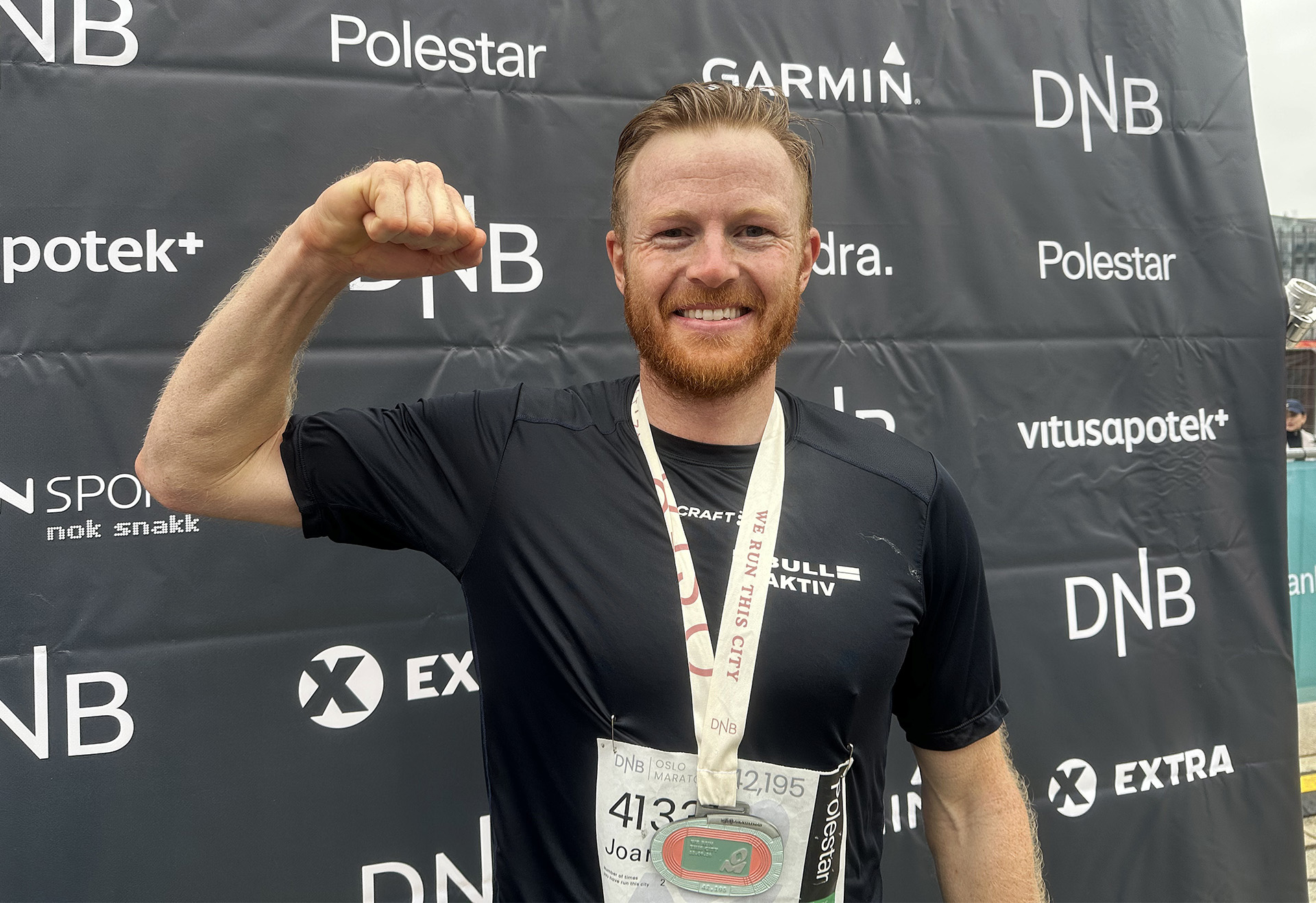
The Oslo Marathon, one of Norway’s most prestigious road running events, served as the stage for a compelling narrative of athletic transition this past weekend. Joar Thele, a veteran of over 200 long-distance cross-country ski races and a former mainstay in the Ski Classics circuit, officially stepped onto the asphalt to test his endurance in a new discipline. His performance in the full marathon distance—securing a third-place finish with a time of 2:22:45—underscores the successful crossover potential between high-level Nordic skiing and competitive road running.
The race, which drew thousands of participants through the streets of the Norwegian capital, highlighted not only Thele’s successful debut but also the continued focus of elite cross-country skiers on specialized road events as they transition away from, or supplement, their winter careers.
A Tactical Battle on the Streets of Oslo
The marathon began with a competitive surge as a lead pack of four athletes broke away early, establishing a rigorous pace. Among them was Thele, who demonstrated the aerobic engine developed over years of professional skiing. For the majority of the race, Thele maintained a position within the lead group, exhibiting a steady output that defied the typical "wall" often encountered by debutants at the 42.195-kilometer distance.
The competition intensified in the final quarter of the race. Erik Lomås, an experienced athlete with European Championship credentials, executed a decisive move in the closing stages to pull away from the pack. Lomås crossed the finish line to secure the victory with a time of 2:21:42.
The race for the remaining podium spots remained volatile until the final kilometers. Thele, who had looked strong throughout, faced a late-race charge from veteran runner Andreas Sjurseth. Sjurseth’s experience in road racing proved vital as he managed to overtake Thele in the final stretch. Despite being passed, Thele maintained his composure to finish third, clocking a commendable 2:22:45. His average pace throughout the race was approximately 3:23 minutes per kilometer, a metric that reflects elite-level efficiency in his first foray into marathon running.
Reflections on a Career Pivot
In the immediate aftermath of the race, Thele was clear about his future trajectory. Having retired from professional cross-country skiing after the previous winter season, he viewed the Oslo Marathon as a pivotal point in his athletic journey.
"There will be no more races at the top level in skiing," Thele remarked. "I am considering joining the Ski Classics circuit as a member of the service team, but my focus is shifting. This experience gave me a real taste for it, and I am certain I will participate in more marathons moving forward."
Thele’s transition is emblematic of a broader trend among Nordic athletes who find that the cardiovascular conditioning required for double-poling and high-intensity skiing translates well to long-distance running. While he acknowledged the technical differences between the sports, he expressed satisfaction with his performance, particularly regarding his ability to manage his energy reserves over the full distance. His confirmation that he will move away from competitive skiing highlights the high burnout rates and physical demands associated with the professional Ski Classics circuit, where athletes are often required to maintain peak performance through a grueling winter schedule.
Pål Golberg’s Continued Form on the Half-Marathon
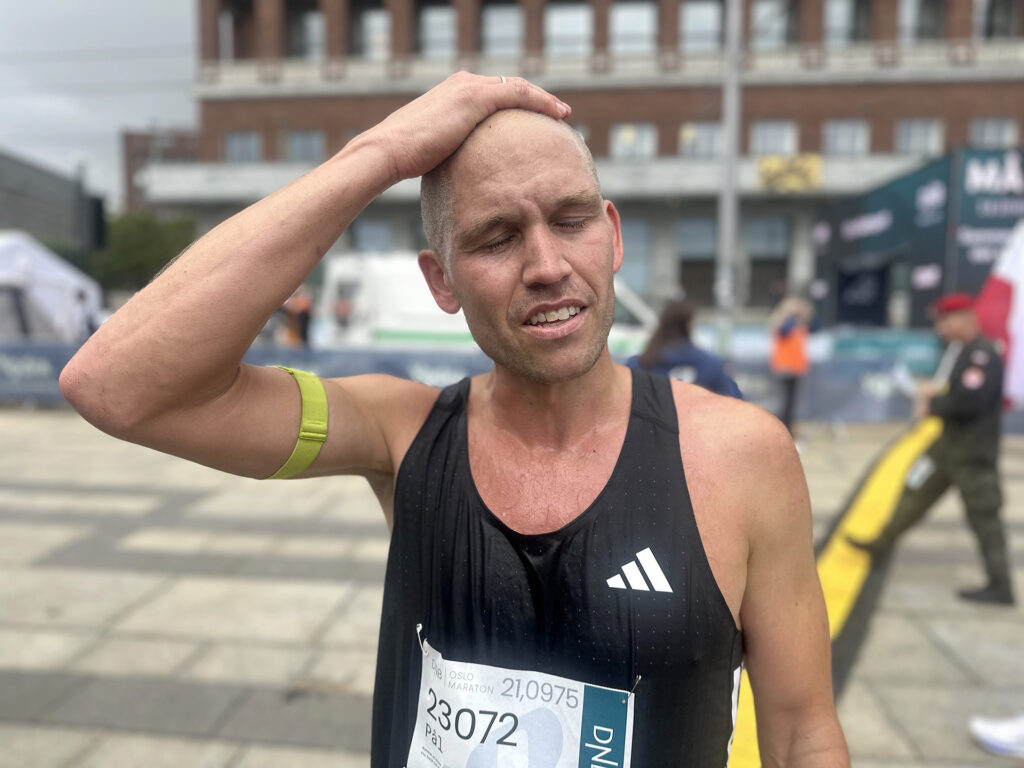
While Thele made his mark on the full marathon, another prominent Norwegian skier, Pål Golberg, made headlines in the half-marathon event. Golberg, the 2023 World Champion in the 50km freestyle, has been vocal about his ambition to diversify his training and performance goals.
Last year, Golberg debuted in the full marathon in Oslo, finishing in fifth place. However, he admitted to struggling with nutrition and energy depletion in the final stages of that race. Applying those lessons, he opted for the 21.1-kilometer distance this year to refine his speed and fueling strategies.
Golberg finished in fourth place with a time of 1:08:34, an impressive result that puts him in good stead for his upcoming objective: the Valencia Marathon. "I have been training quite a bit on asphalt," Golberg noted after his race. "The goal is the marathon in Valencia. I will try to run that in 1:19 for the half-split, or better. Today, I didn’t ‘hit the wall’ like I did last time, and I feel I have more in the tank for the full distance in the future."
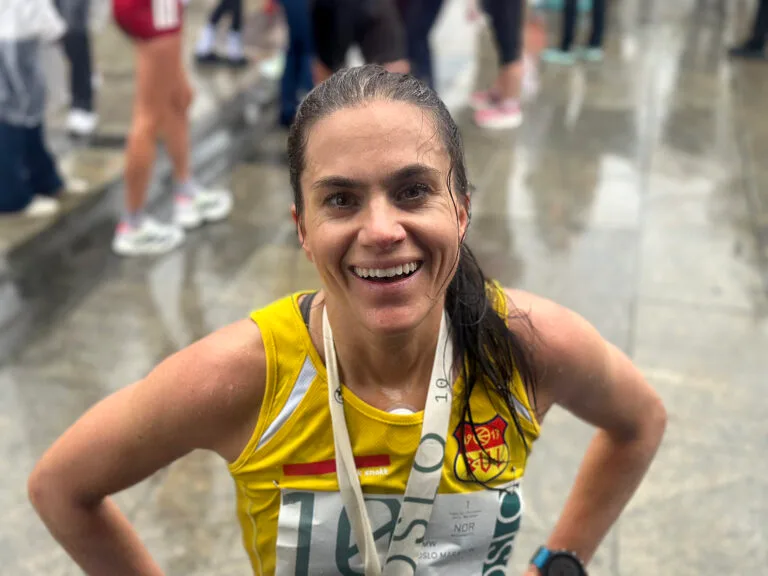
The men’s half-marathon was won by Senay Fissehatsion of Tjalve, who dominated the field from the start. His winning time of 1:04:02 represented a significant improvement over his victory last year, clipping more than two minutes off his previous personal best on the course.
The Significance of Cross-Training in Elite Sports
The participation of athletes like Thele and Golberg in the Oslo Marathon serves as a case study in the transferability of aerobic endurance. In the world of professional cross-country skiing, training cycles are increasingly incorporating high-volume running, particularly during the off-season months.
Physiologically, the aerobic capacity developed through years of competitive skiing is rarely lost, but the biomechanical adaptation to road running—specifically the impact forces on joints and the specificity of muscle recruitment—remains the biggest hurdle for skiers.

Analysis of Thele’s performance suggests that his transition was aided by his background in long-distance endurance, which taught him the "pacing discipline" required for marathon success. However, the success of specialist runners like Erik Lomås and Senay Fissehatsion reinforces that while a skiing engine provides a high floor, the technical demands of pure running require specific training to reach the podium at the highest national levels.
Broader Context and Event Impact
The Oslo Marathon continues to be a cornerstone event in the Norwegian sports calendar, attracting a blend of professional runners and high-profile athletes from other disciplines. The event organizers have focused on creating a course that balances scenic appeal with competitive viability, which has helped attract elite talent seeking to set personal records.
For the organizers, the involvement of high-profile skiers adds a layer of prestige to the race, bridging the gap between Norway’s two most popular endurance sports. The crossover interest also provides a boost to the event’s visibility, as the fanbases of the cross-country ski stars frequently follow their idols into their post-skiing endeavors.

Future Outlook
As the season progresses, the eyes of the running community will remain on the progress of athletes like Golberg, who are using events like the Oslo Marathon as a barometer for their winter preparations and their future road-running ambitions.
For Joar Thele, the focus is now on the next chapter. While his days of competing for the top spots in the Ski Classics podium are behind him, his performance in Oslo suggests he has significant potential as a competitive marathoner. Whether or not he enters the support staff for professional ski teams, it is clear that he has found a new arena in which to apply his athletic discipline.
The results from the Oslo Marathon serve as a testament to the versatility of the modern endurance athlete. As the lines between different sports continue to blur, the success of these individuals provides a roadmap for how elite physical training can be repurposed, creating longevity in careers that might otherwise conclude prematurely. The Oslo event was not merely a race; it was a transition, marking the end of one chapter and the promising start of another for some of Norway’s most resilient athletes.

