
The Norwegian biathlon scene is abuzz with the return of 21-year-old Kasper Kalkenberg to the national team setup, a move that comes after a period of intense criticism and a subsequent season of resounding success. Kalkenberg, a prodigious talent from Mo i Rana, made headlines in the spring of 2025 when he opted to forgo his place on the U23 national team, choosing instead to pursue a personalized training regimen. This decision, which initially drew significant flak from national team leadership, has now culminated in his reintegration, albeit on his own established terms.
The genesis of this unconventional journey can be traced back to Kalkenberg’s junior career. Despite a stellar performance at the Junior World Championships, where he secured two gold medals and one silver, and was recognized as the best overall athlete, his season with the U23 team was, by his own account, a significant disappointment. "I always wanted to try new things," Kalkenberg explained to IBU (International Biathlon Union) in an interview. "I wanted to train at altitude and see how my body responded to it." This curiosity and a desire for a more tailored approach were the primary drivers behind his decision to forge his own path.
A Bold Departure and Initial Backlash
Kalkenberg’s decision to step away from the national team was not made in isolation. His sister, Emilie Kalkenberg, who had also parted ways with the national team the previous spring, joined him in establishing a private training program. Their setup featured former national team coach Roger Grubben, with their father acting as coordinator and sparring partner. This familial and privately-coached structure, while offering a sense of control and personalized attention, immediately put Kalkenberg at odds with the established national team hierarchy.
The national team management expressed strong reservations about Kalkenberg’s choice. They argued that he would be forfeiting invaluable competitive experience and specialized support by opting for a private arrangement. Furthermore, the training methodology employed by Kalkenberg’s private team came under scrutiny. Reports from the time indicated that the leadership believed his approach was "completely wrong," suggesting a potential detriment to his development as a top-tier athlete. This period was characterized by a palpable tension between Kalkenberg’s aspirations and the established norms of national team development.
The "Canon Season" That Silenced Critics
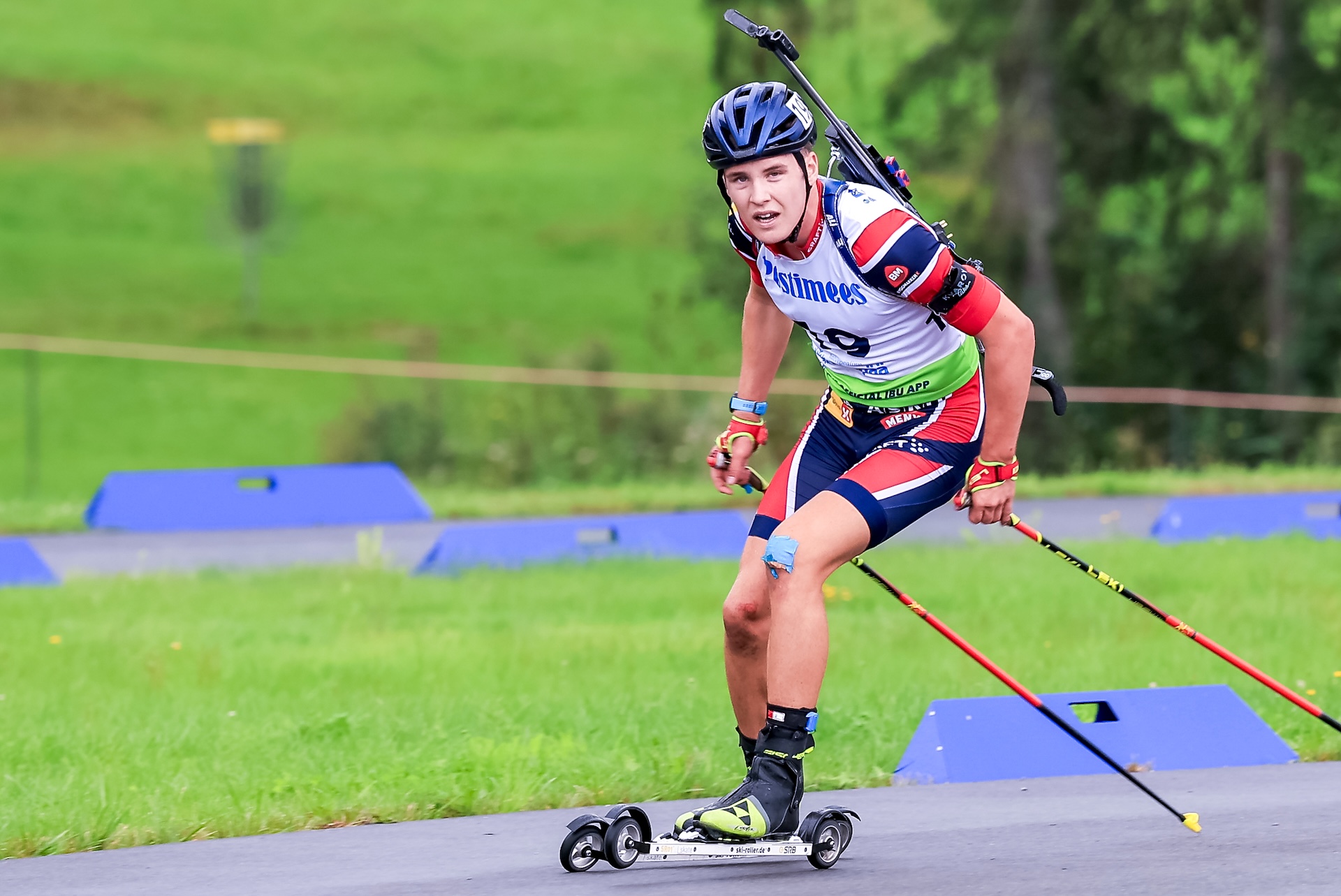
The 2025-2026 season, however, proved to be a resounding vindication of Kalkenberg’s audacious decision. Far from hindering his progress, his independent training regimen propelled him to unprecedented heights. His performance at the Junior World Championships that winter was nothing short of spectacular, yielding four medals, including a coveted gold in the mass start. This individual success was complemented by his impressive debut in the IBU Cup.
In the IBU Cup, a feeder circuit for the World Cup, Kalkenberg demonstrated remarkable prowess, securing two individual podium finishes against seasoned competitors who were also World Cup and World Championship medalists. His contribution to the European Championships relay also earned him a gold medal, further solidifying his status as a rapidly rising star. This "canon season," as it has been dubbed, was a testament to his dedication and the efficacy of his self-designed program.
Reflecting on this transformative period, Kalkenberg stated, "The season was full of new experiences and opportunities. I learned a lot about myself and my body." He elaborated on the competitive advantages he gained, noting, "As a junior, there are fewer competitions. There (in the IBU Cup), you have to cope with going to multiple competitions a week. But I love to compete, so I tried to adapt as best I could. Overall, I am satisfied with the results this winter." This statement highlights his adaptability and his intrinsic passion for the sport, which seemed to thrive in a more demanding, albeit self-imposed, competitive environment.
Reintegration into the National System: A New Chapter
Now, as Kalkenberg enters his first year as a senior athlete, he has been welcomed back into the national team fold. He is one of six men named to the recruitment national team, a roster that also includes Einar Hedegart, a standout performer in cross-country skiing during the past winter. Kalkenberg perceives his reception within the Norwegian Biathlon Federation as positive, especially considering the significant reorganizations the federation has undergone. "I have the impression that they are happy that I chose to come back," he remarked. This suggests a potential shift in perspective within the federation, acknowledging the success of alternative development pathways.
The recruitment team, a crucial stepping stone for aspiring athletes, provides a structured environment for development while allowing for a degree of individual focus. For Kalkenberg, this represents an opportunity to leverage the resources of the national team while maintaining the autonomy that has proven so beneficial. His inclusion alongside Hedegart also signals a broader trend of recognizing and integrating emerging talents, even those who have taken less conventional routes.
Ambitions and the Competitive Landscape
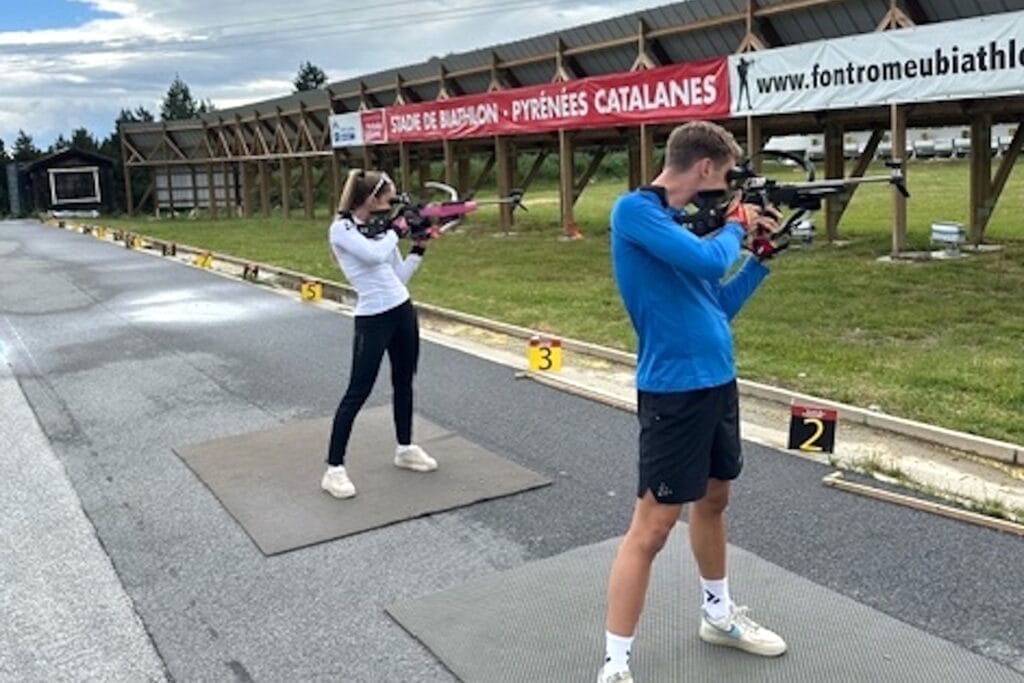
With his sights set firmly on the future, the 21-year-old is aiming for the podium and ultimately, a place in the World Cup. "I am aiming for the podium. Of course, I have the World Cup in mind, but I know I still have work to do to get there. My skiing skills haven’t always been the best," Kalkenberg admitted. This self-awareness is a critical component of his continued development. While his shooting has been a strong suit, he acknowledges the need to enhance his proficiency in skiing, a crucial element for success in biathlon.
The competitive landscape within the Norwegian biathlon team is notoriously fierce. The fact that even double World Champion Endre Strømsheim has found himself outside the immediate national team setup underscores the high level of competition. Kalkenberg is keenly aware of this reality and understands that his place on the team is not guaranteed. "I know that I always have to perform at my best and do my best. That helps me stay focused," he stated. This understanding of the constant need to prove himself is a powerful motivator, ensuring he maintains the discipline and drive that characterized his successful private season.
Broader Implications and Future Outlook
Kasper Kalkenberg’s journey offers a compelling case study in athlete development. His decision to prioritize personalized training, despite facing initial criticism, has yielded significant results. This success could potentially influence how national federations approach athlete development, fostering a greater openness to individual training philosophies and alternative coaching structures. The integration of athletes like Kalkenberg, who have demonstrated success outside the traditional system, could lead to a more dynamic and innovative approach to talent nurturing.
The Norwegian Biathlon Federation, having undergone substantial reorganizations, appears to be embracing a more adaptable strategy. By welcoming Kalkenberg back, they are signaling a willingness to acknowledge and incorporate the strengths of athletes who have charted their own course. This approach not only benefits the individual athlete but also enriches the overall competitive environment within the team.
As Kalkenberg continues his ascent, his story serves as an inspiration to aspiring athletes who may feel constrained by conventional pathways. His success underscores the importance of self-belief, adaptability, and the courage to pursue an individual vision, even in the face of significant opposition. The coming seasons will undoubtedly reveal the full extent of his potential as he navigates the elite ranks of international biathlon, a journey that began with a bold step away from the norm and has now led him back to the national stage, stronger and more determined than ever, on his own terms. His inclusion in the recruitment team, a strategic move by the federation, positions him for continued growth and competition, with the ultimate goal of reaching the pinnacle of the sport. The coming years will be critical in observing how his unique development trajectory continues to unfold within the demanding framework of elite biathlon.

