
The Finnish cross-country skiing community has been rocked by a significant shift in team dynamics as triple Olympic champion Iivo Niskanen has formally withdrawn from all upcoming national team training camps. This development follows a tumultuous period for the Niskanen family, marked most recently by his sister Kerttu Niskanen’s shock announcement of her retirement just two months before the start of the competitive season. While the Finnish national team, now bolstered by the expertise of Norwegian coach Hans Kristian Stadheim, had hoped to integrate the veteran back into the central training fold, the 34-year-old’s decision to pursue an individualized path marks a return to the independent training regimen that defined his later career.
A Departure from the Collective Strategy
The Finnish national team had undergone a comprehensive restructuring this past spring, aiming to consolidate resources and foster a high-performance environment under new leadership. The recruitment of Hans Kristian Stadheim—a coach renowned for his successes in the Norwegian system—signaled a shift toward a more unified and rigorous collective training culture. Central to this strategy was the requirement that all elite athletes, including established stars like Niskanen, participate in coordinated training camps to ensure technical alignment and team cohesion.
This requirement was not merely an expectation but a contractual obligation for members of the elite squad. However, Iivo Niskanen’s pivot back to an independent schedule highlights the ongoing tension between the rigid demands of a national program and the autonomy often preferred by veteran athletes with established track records. By opting out of the camps, Niskanen has effectively decoupled himself from the day-to-day supervision of the national coaching staff, though he remains theoretically within the national team framework for World Cup and championship participation.
Context and Career Timeline
Iivo Niskanen’s career has been characterized by consistent success at the highest levels of the sport. His record includes three Olympic gold medals, a testament to his tactical intelligence and physical endurance. Yet, the current season arrives at a critical juncture. The preceding 2025 season was defined by his absence from the World Championships in Trondheim, and his performance in the subsequent Olympic Winter Games in Italy was widely categorized as the most challenging of his professional life.
These setbacks have placed immense pressure on the veteran to deliver a definitive performance in the upcoming World Championships in Falun. For many observers, the decision to train independently is seen as a high-stakes bet on his ability to return to peak form without the constant oversight of the national team’s new coaching apparatus.
The Rationale: Family and Performance
Official communication from the Finnish national team has been careful to frame this decision as a pragmatic resolution rather than a conflict. Head coach Ville-Veikko Abrahamsson has publicly downplayed the potential for friction, citing the athlete’s personal circumstances as the primary driver for the change in status.
"We are fully aware of Iivo’s family situation," Abrahamsson stated in an interview with Yle. "He has two young children, and a third is on the way. This is not a situation fueled by internal drama or conflict."
From a technical perspective, the coaching staff maintains that they remain in active dialogue with Niskanen regarding his progress. The age factor is a significant variable here; at 34, Niskanen’s training requirements differ substantially from those of the younger athletes entering the elite pool. Abrahamsson noted that the training plan provided by Niskanen has been reviewed and deemed appropriate. "We are talking about a triple Olympic champion. His needs are different from a 23-year-old athlete. We have seen his plan, and physically, he looks to be in excellent condition. Our dialogue remains open and constructive."
The Impact on the Emerging Generation
While the coaching staff has accepted the arrangement, there are clear implications for the broader team culture. National team manager Petter Kukkonen has acknowledged that while the team respects Niskanen’s need for flexibility, his absence from group settings is felt by the younger members of the squad.
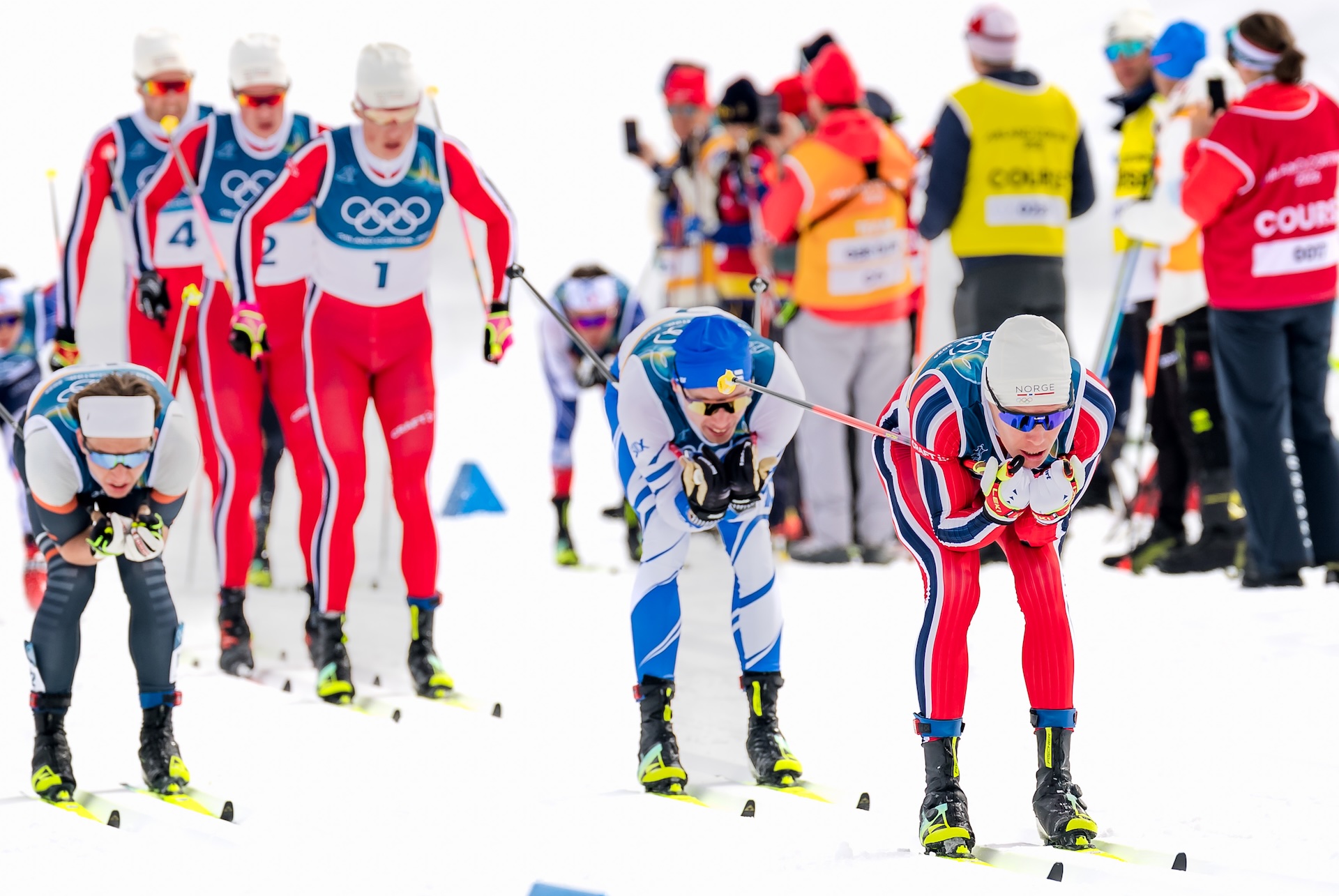
Talents such as Arsi Ruuskanen, Alexander Ståhlberg, and Niko Anttola were expected to gain valuable experience by training alongside a seasoned champion. The presence of a veteran of Niskanen’s caliber usually serves as a benchmark for young athletes, providing a tangible standard of professionalism and tactical execution. Kukkonen noted the dual nature of this loss: "The other team members would obviously benefit from having Iivo in the mix. However, the current indicators suggest that our younger athletes are making significant strides, and there is a growing sense that they are beginning to offer insights and training intensity that can benefit Iivo as much as he benefits them."
Operational Logistics and Future Outlook
Despite the absence of its biggest star at training camps, the Finnish national team continues its preparations for the season. The schedule remains demanding, with a high-altitude camp planned for Livigno between late October and early November, followed by a crucial snow-training camp in Muonio immediately preceding the season opener.
These camps serve as the crucible for the team’s performance goals. The integration of the new coaching philosophy, centered on technical efficiency and endurance, remains the priority. The team management has made it clear that the program will proceed with or without individual stars, emphasizing that the collective structure is designed to elevate the entire roster.
Analysis: Implications of the Independent Path
The case of Iivo Niskanen reflects a broader trend in professional endurance sports: the "independent veteran" model. As athletes reach the latter stages of their careers, the benefits of standard group training—such as motivation and pacing—often diminish, while the costs of travel, rigid schedules, and family separation increase.
For the Finnish Ski Association, the challenge is twofold: they must maintain a cohesive team unit while ensuring that their most marketable and successful athlete has the best possible environment to perform. If Niskanen succeeds in Falun, the decision to allow him to train independently will likely be vindicated as a masterclass in athlete management. Conversely, should his performance fall short of expectations, the debate regarding the necessity of a unified national training program will undoubtedly intensify.
The financial and contractual implications are also significant. By allowing a star to operate outside the standard team structure, the federation sets a precedent that could affect future contract negotiations. Yet, in a sport where medals equate to funding and visibility, the federation’s primary goal remains securing results on the international stage.
Looking Toward Falun
As the season approaches, all eyes will be on how Niskanen transitions from his solitary training sessions to the competitive environment of the World Cup. His performance will serve as the ultimate litmus test for his current training methodology. The pressure is compounded by the shadow of the Trondheim absence and the disappointment of the Italian Olympics.
Niskanen’s career has been built on his ability to adapt to changing conditions, both on the track and in his personal life. Whether this latest pivot—away from the collective and back to the individual—provides the necessary focus to reclaim his place on the podium in Falun remains the central narrative of the Finnish winter season.
The Finnish national team, meanwhile, finds itself in a period of transition. With a new coaching staff and a roster of younger athletes eager to prove themselves, the organization is looking to redefine its identity. Whether that identity includes a central, integrated role for its greatest star remains to be seen. For now, the focus shifts to the upcoming training camps, where the new guard will continue to refine their craft, preparing for the challenges that lie ahead in a high-stakes, uncompromising season.
Ultimately, the situation underscores the delicate balance between professional discipline and personal well-being in the world of elite sports. As Niskanen balances his responsibilities as a father with the demands of his professional career, the sporting world will be watching to see if his decision serves as a blueprint for veteran longevity or a cautionary tale about the importance of the team collective. As the snow begins to fall in the north, the answers will soon be found on the tracks of the World Cup circuit.

