
The high-altitude corridors of Colorado’s Interstate 70 present some of the most demanding driving conditions in North America. Traversing the Continental Divide requires navigating sustained, steep descending grades where commercial motor vehicles face extreme mechanical stresses. On September 6, 2026, these inherent hazards were vividly illustrated near the Eisenhower-Johnson Memorial Tunnels, when a heavily loaded semi-truck suffered a catastrophic loss of braking power. Captured on camera by a motorist and subsequently amplified by law enforcement, the incident underscored the vital engineering behind mountain highway safety infrastructure and highlighted critical defensive driving protocols for motorists sharing the road with commercial transport.
The Incident on Interstate 70
The harrowing event unfolded on the afternoon of September 6, 2026, along the westbound lanes of Interstate 70 near Eisenhower Pass. As commercial vehicles and passenger cars made the challenging descent from the high country toward lower elevations, a semi-truck hauling freight began experiencing severe brake fade—a dangerous condition caused by the overheating of brake drums and linings due to continuous friction.
Unable to reduce speed using conventional braking systems, the commercial vehicle quickly accelerated down the steep grade, transforming into a runaway hazard. Motorist Connor Storer, traveling along the same stretch of highway, witnessed the unfolding emergency and managed to capture the frantic descent on video. The footage, which was later shared widely across social media platforms, shows the out-of-control tractor-trailer careening down the mountain highway before successfully veering onto a designated emergency escape ramp. The precision maneuver prevented a catastrophic collision with passenger vehicles navigating the busy interstate corridor.
Anatomy of a Mountain Emergency: A Chronological Overview
Understanding the sequence of events during a runaway truck incident emphasizes the narrow margins of error present on mountain passes. While exact telemetry data from the September 6 event remains part of ongoing safety reviews by transport authorities, typical runaway scenarios follow a rapid, high-stakes timeline:
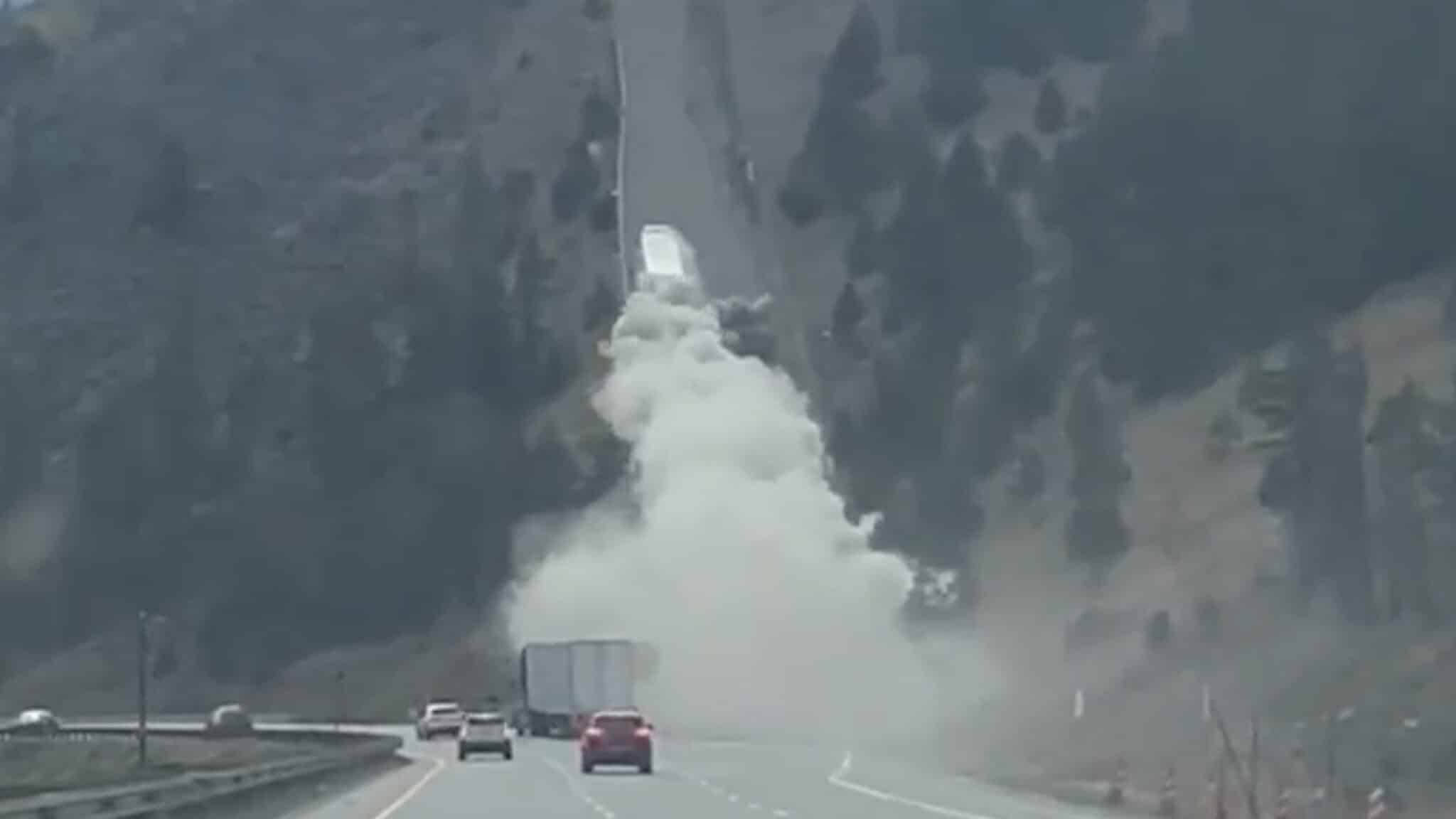
- Initial Ascent and Descent Preparation: Prior to reaching the summit of Eisenhower Pass, which sits at an elevation of over 11,000 feet, commercial drivers are required by law to inspect their brakes and engage lower transmission gears. Brake failure often initiates when drivers rely too heavily on service brakes rather than engine braking (jake brakes) to manage descent speeds.
- The Onset of Brake Fade: Descending westward from the tunnel, vehicles face a relentless downgrade. Excessive braking generates intense heat, glazing brake pads and boiling hydraulic fluid. Once brake fade sets in, pedal pressure yields little to no deceleration.
- Emergency Recognition: Within seconds, the driver realizes the truck is uncontrollable. At speeds exceeding safe operating limits, the driver must scan the immediate highway landscape for the next available runaway truck ramp while steering to avoid surrounding traffic.
- Execution of the Escape Maneuver: Upon reaching a designated gravel arrestor bed, the driver guides the semi-truck off the highway. The deep gravel bed decelerates the multi-ton vehicle safely, bringing it to a halt before it can re-enter traffic or plunge down a mountainside.
The Engineering and Purpose of Runaway Truck Ramps
Colorado Department of Transportation (CDOT) maintains an extensive network of runaway truck ramps—officially termed emergency escape ramps—along treacherous mountain passes like I-70, Vail Pass, and Monarch Pass. These specialized facilities are engineering marvels designed specifically to absorb the kinetic energy of runaway commercial vehicles.
Most escape ramps utilize a long, steeply ascending bed filled with millions of pounds of uncompacted, rounded gravel or pea stone. As a speeding truck enters the ramp, the resistance created by the deep gravel displaces outward, steadily and safely robbing the vehicle of its forward momentum without relying on mechanical brakes.
According to transportation safety analysts, these ramps save dozens of lives annually in mountainous states. However, their effectiveness relies entirely on unobstructed access. Unauthorized parking, mechanical breakdowns left unattended in ramp approaches, or passenger vehicles cutting off runaway trucks can render these life-saving installations useless.
Official Responses and Public Safety Guidance
In the wake of the September 6 incident, the Colorado State Patrol (CSP) utilized the viral video to launch a public awareness campaign regarding protocol during commercial vehicle emergencies. Law enforcement officials emphasized that civilian drivers often react incorrectly when they perceive a runaway vehicle approaching from behind.
"If you see a runaway semi-truck bearing down on you, do not panic, but act decisively," a Colorado State Patrol spokesperson noted in safety briefings following the event. "Because all runaway truck ramps in Colorado are engineered on the right shoulder of the highway, your primary objective is to yield the right-of-way by safely merging to the left."
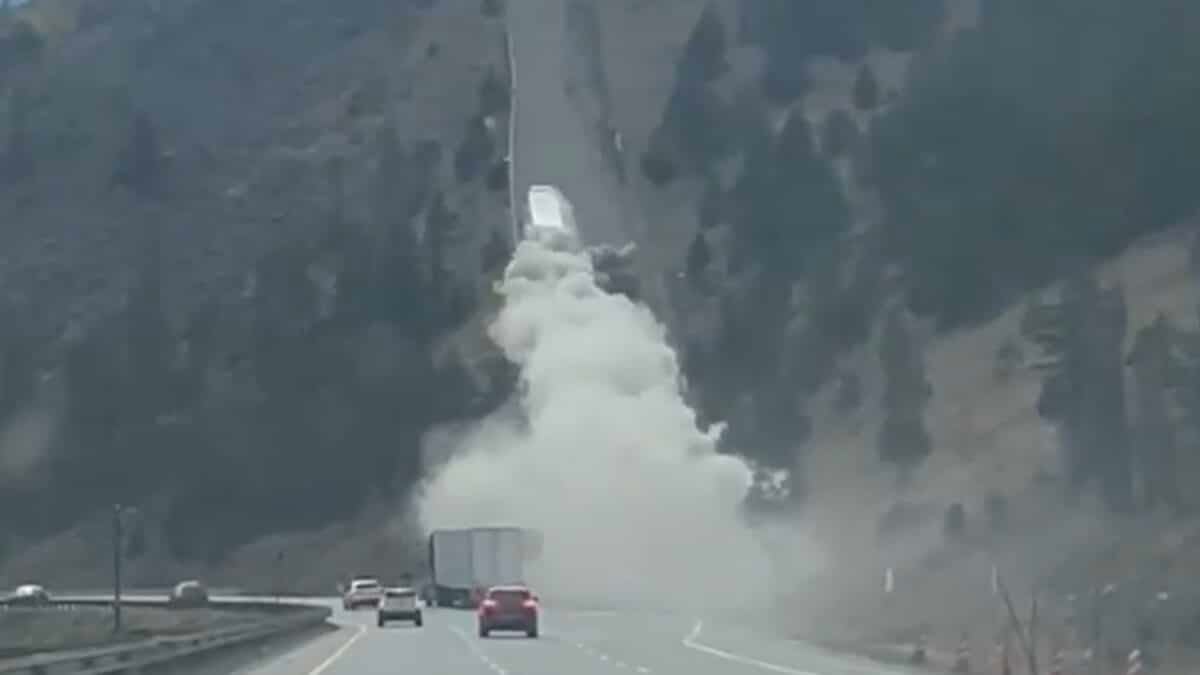
CSP outlined several key safety directives for motorists traveling the I-70 mountain corridor:
- Monitor Mirrors: Regularly check rear-view mirrors while descending mountain grades to monitor the behavior of trailing commercial vehicles.
- Move Left: If a vehicle is signaling distress, sounding its horn continuously, or visibly failing to slow down, signal and shift into the left-hand lane as soon as traffic permits.
- Maintain Distance: Avoid lingering directly in front of heavy trucks on steep downgrades. Giving commercial drivers a substantial buffer zone provides them with vital stopping distance and maneuvering room.
- Never Obstruct Ramps: State laws strictly prohibit parking, stopping, or standing in or near runaway truck ramps. Obstructing these facilities is a severe traffic violation that can carry catastrophic consequences.
Broader Implications for the I-70 Mountain Corridor
The dramatic video serves as a timely reminder as Colorado transitions away from the peak summer tourism season and looks ahead to the winter months. Interstate 70 serves as the primary artery connecting the Denver metropolitan area to world-class ski resorts such as Vail, Breckenridge, Keystone, and Copper Mountain.
During the winter ski season, traffic volume on I-70 surges dramatically, bringing a mix of local commuters, long-haul freight carriers, and out-of-state tourists navigating unfamiliar mountain terrain in rental cars often unequipped for severe weather. The combination of heavy snow, icy roads, and heavy commercial freight creates a complex driving environment where mechanical failures and driver errors can lead to major traffic snarls or severe accidents.
Transportation officials urge both commercial and passenger vehicle operators to exercise heightened vigilance. For truck drivers, adherence to weight limits, mandatory chain laws, and proper gear selection remain paramount. For passenger vehicle drivers, understanding the unique dynamics of mountain driving—including yielding to heavy transport and respecting emergency infrastructure—is essential for regional safety.
As dashcam footage of the September 6 incident continues to circulate, safety advocates hope the vivid display of a runaway truck safely captured by an escape ramp will reinforce lasting driving habits among the thousands of motorists who traverse the Colorado Rockies daily.

