
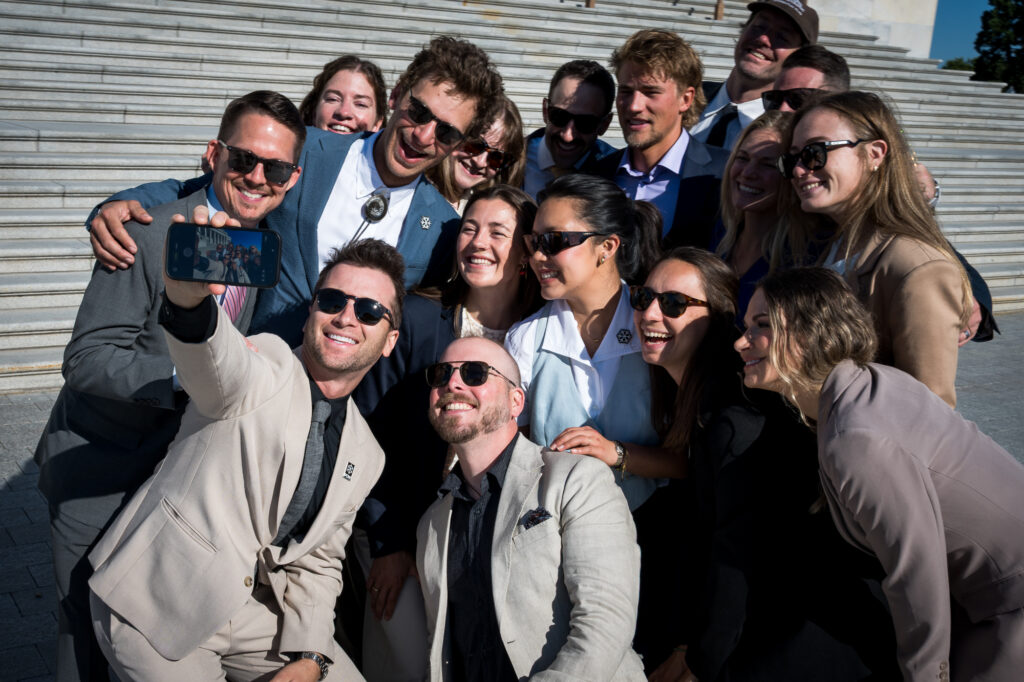
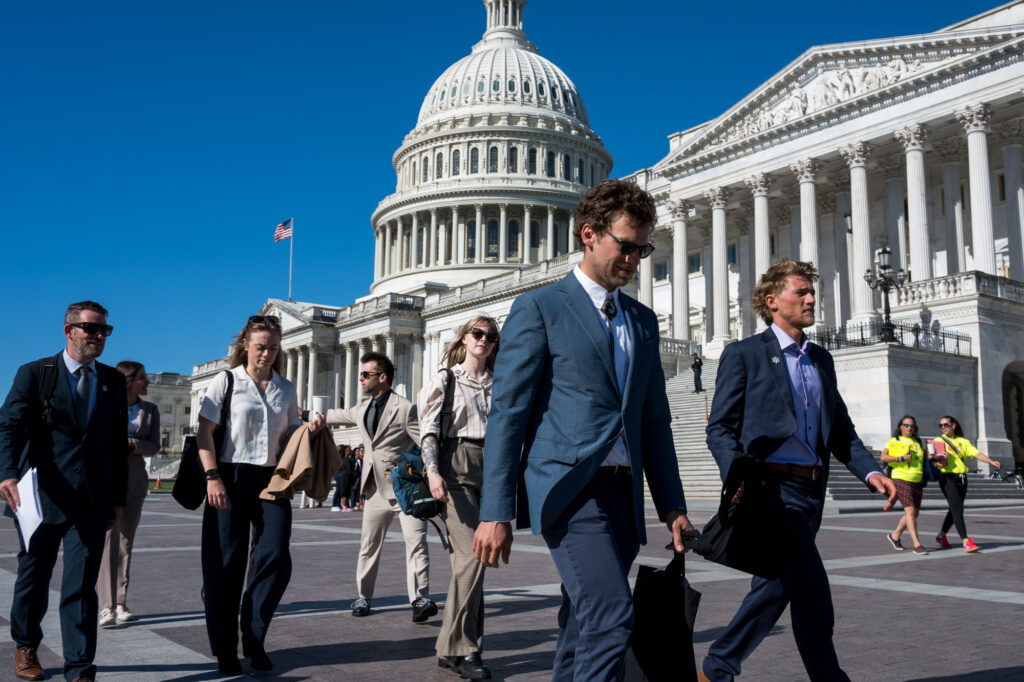
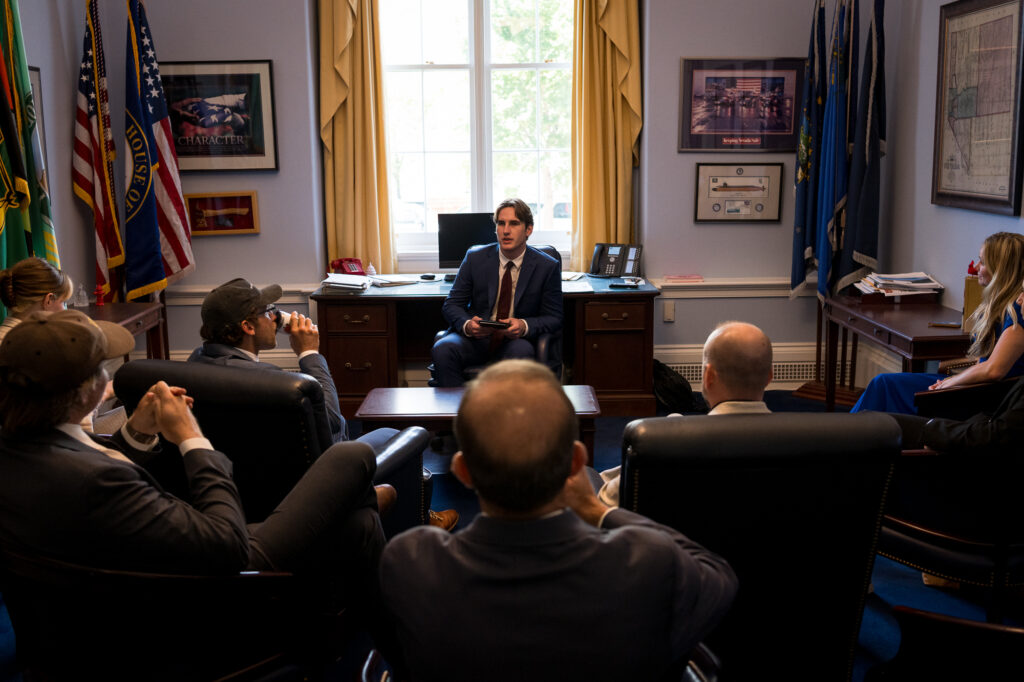
When the foundational rules governing the stewardship of America’s public lands, air quality, and water safety are being dismantled through quiet administrative maneuvering, silence is no longer an option for those whose livelihoods depend on the natural world. Last week, the advocacy group Protect Our Winters (POW) mobilized a high-profile delegation to Washington, D.C., bringing together thirteen Olympic athletes, climate scientists, award-winning filmmakers, and outdoor industry executives. This strategic lobbying effort, dubbed the "Outdoor State" summit, sought to confront members of Congress with a singular, non-negotiable message: the preservation of public lands and environmental integrity must remain a priority, regardless of political affiliation.
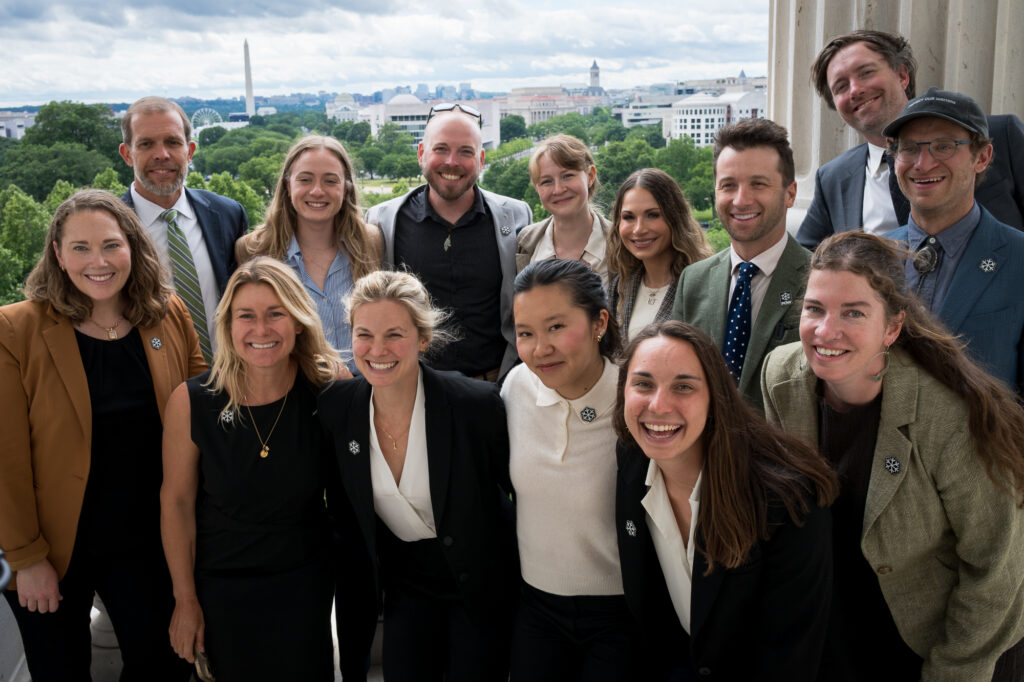
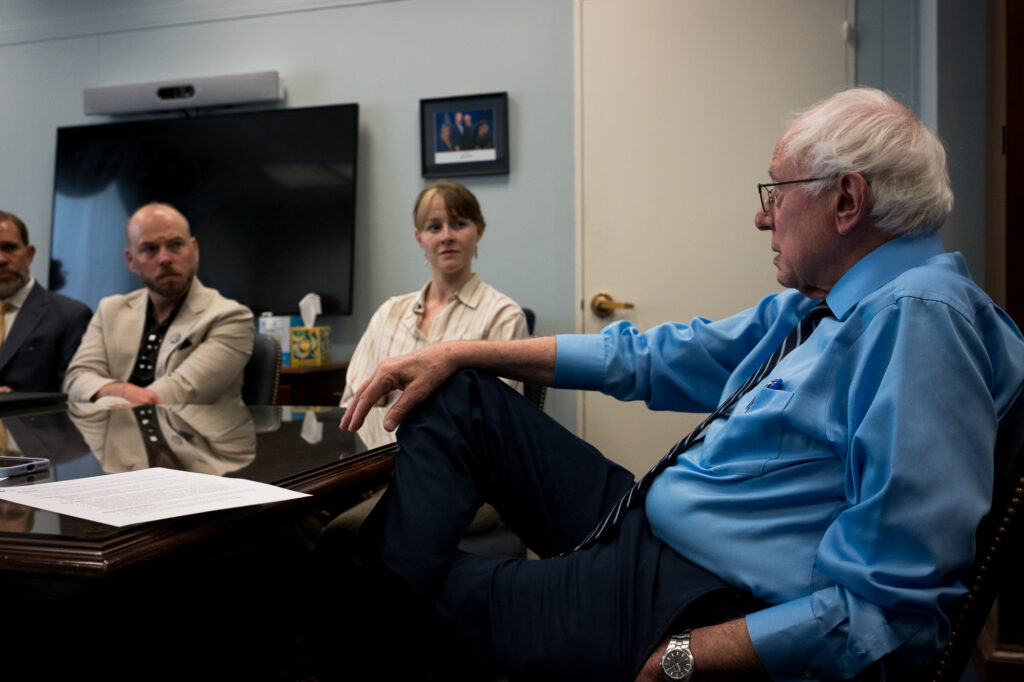
The delegation’s presence on the Hill was a calculated response to a series of federal policy shifts that have accelerated since early 2025. Over the last eighteen months, the federal government has systematically weakened or outright eliminated more than 50 core environmental regulations. These policy reversals have included the narrowing of the Clean Water Act, the rollback of methane emission standards for oil and gas infrastructure, and a reduction in the scope of protected habitats under the Endangered Species Act. By lobbying both sides of the aisle—conducting 38 meetings with congressional staff, split between 15 Republican and 23 Democratic offices—the delegation aimed to shift the narrative from partisan friction to the economic and health-based imperatives of conservation.
A Chronology of Advocacy and Escalating Tensions
The visit to Capitol Hill was the culmination of months of mounting tension between outdoor stakeholders and the current executive agenda. The timeline of this friction dates back to early 2025, when the administration began an aggressive campaign of deregulation. By the spring of 2026, the Department of Interior had significantly ramped up fossil fuel extraction activities on public lands, reaching a critical juncture in early June with the opening of lease sales in the Arctic National Wildlife Refuge’s Coastal Plain.
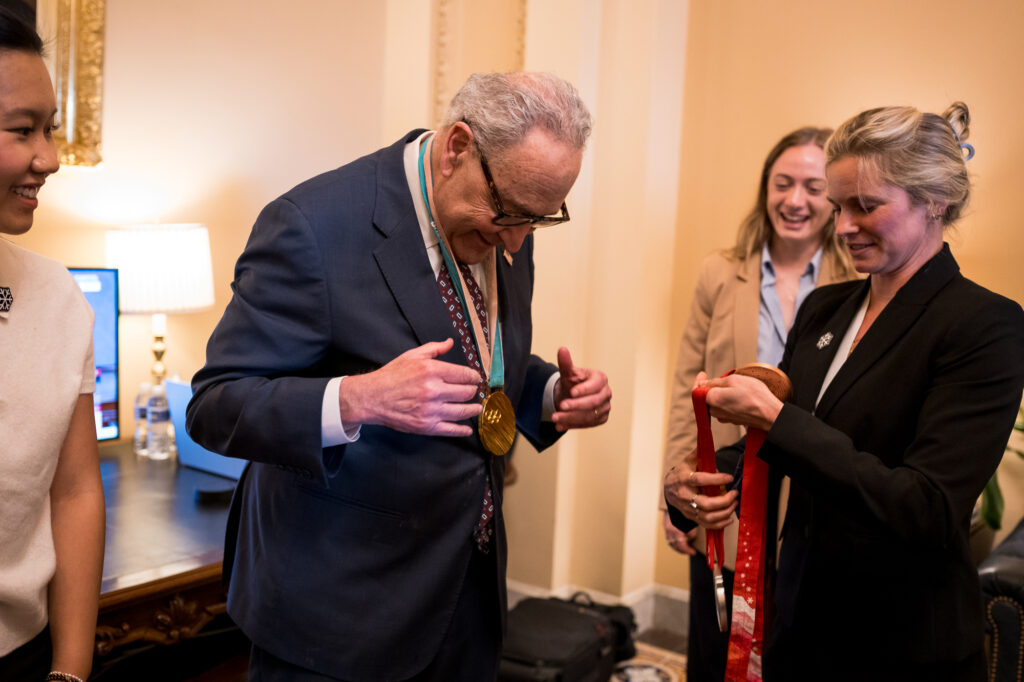
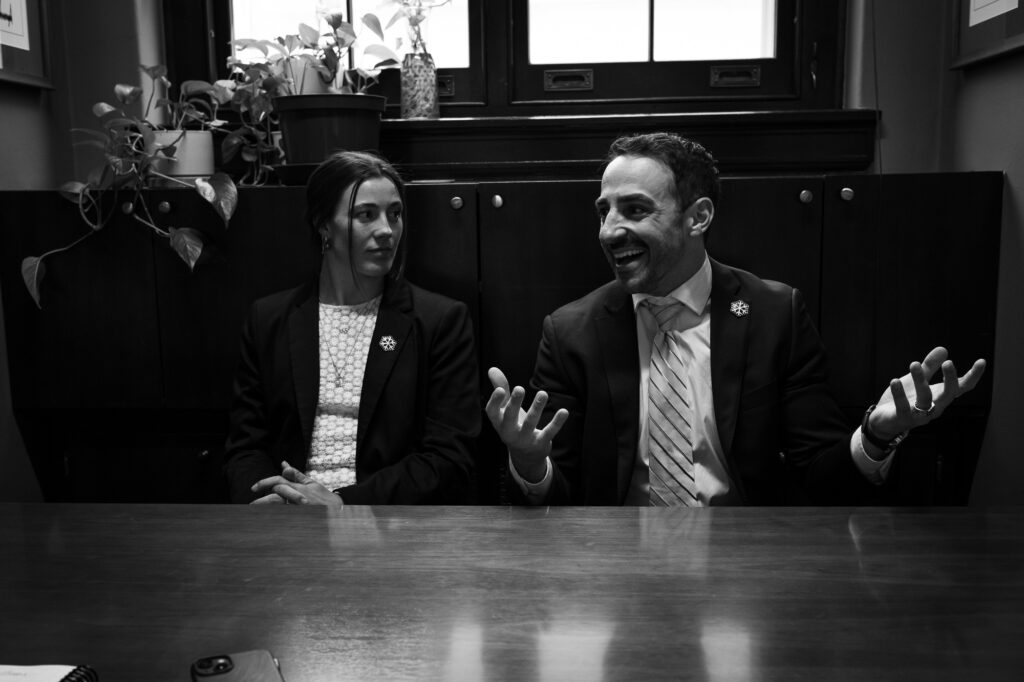
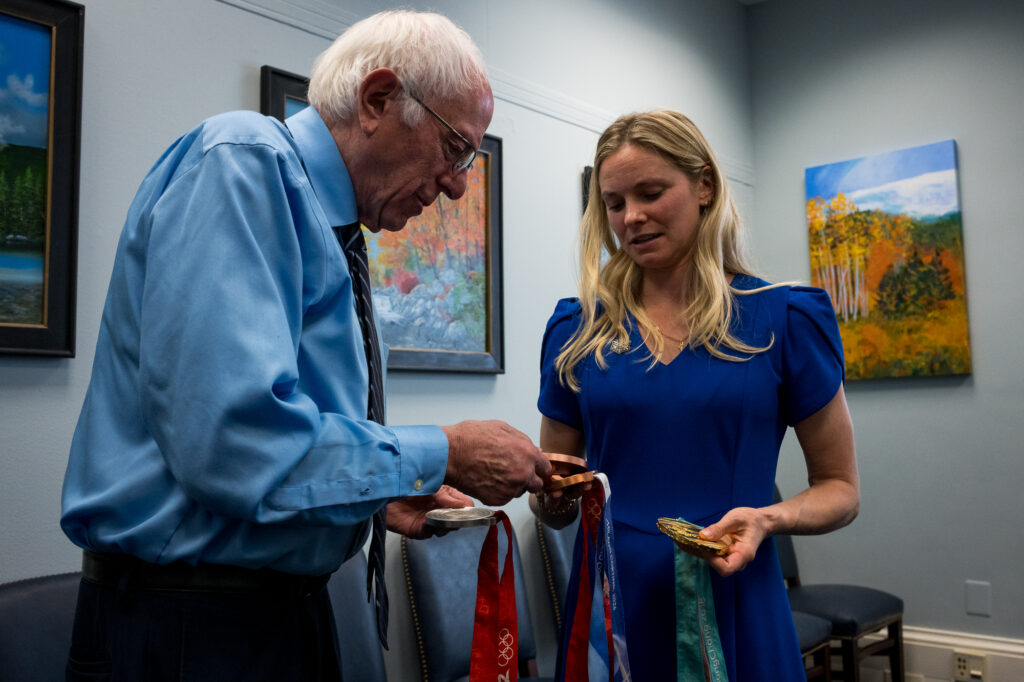
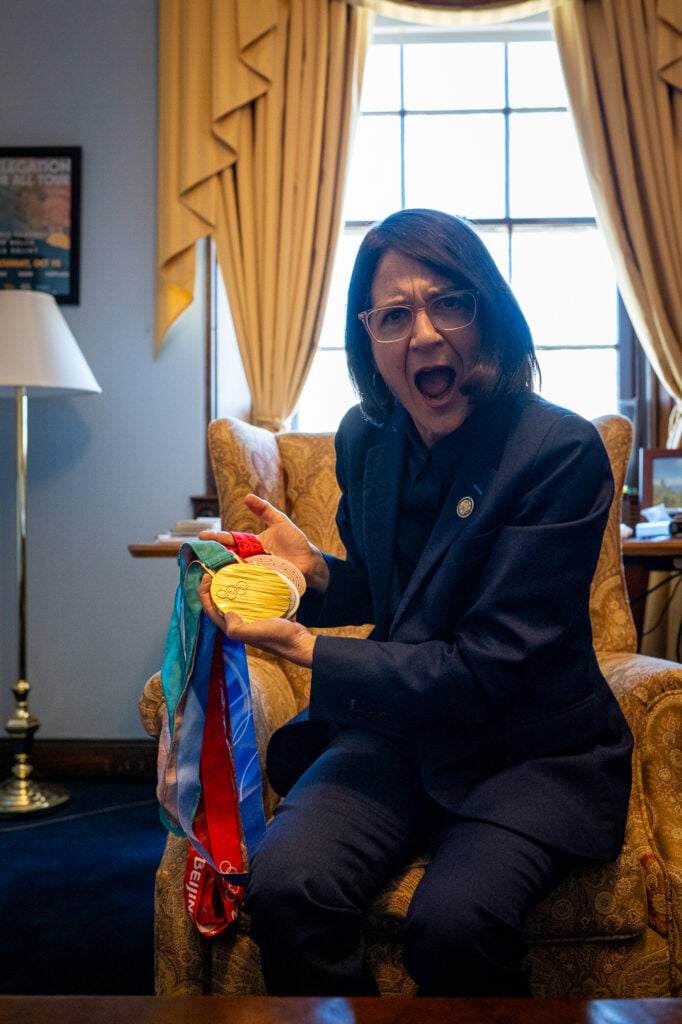
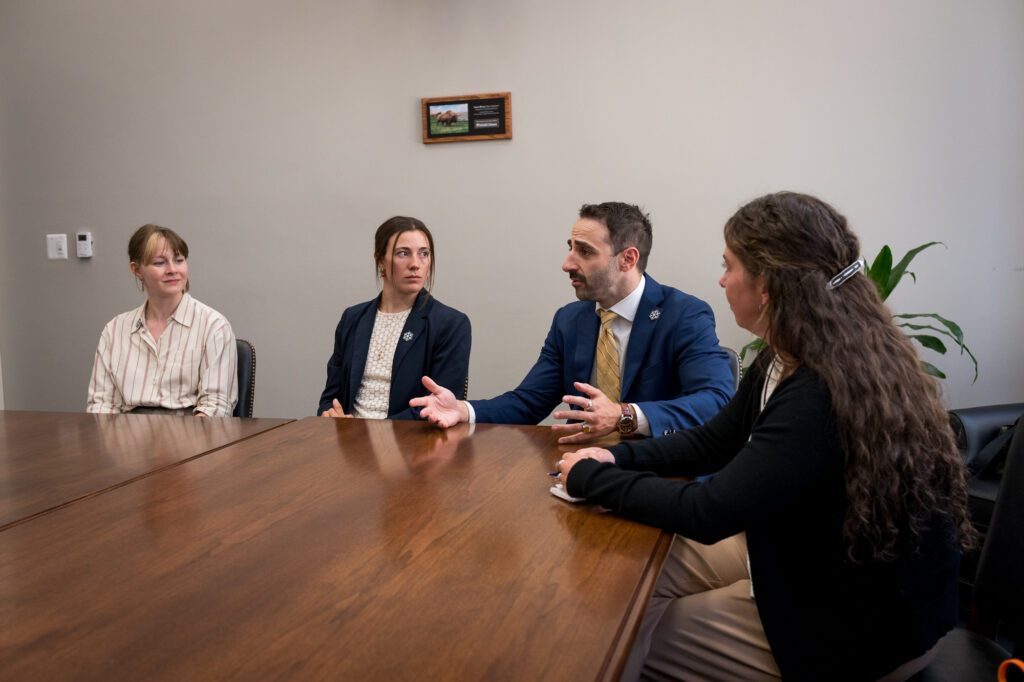
The delegation’s two-day itinerary was meticulously planned to mirror the legislative process. On the first day, members focused on the House Natural Resources Committee, emphasizing the connection between environmental health and the $862 billion outdoor recreation economy. By the second day, the group transitioned to direct meetings with individual legislative offices, utilizing their high-profile status to secure face-to-face time with senior policymakers. The presence of Olympic athletes like Jessie Diggins, Julia Kern, and Jaelin Kauf served as a powerful visual reminder of the human cost of climate change, while the inclusion of technical experts, such as former EPA scientist Stu Nissenbaum, provided the necessary scientific grounding to counter deregulation arguments.
The Scientific and Economic Rationale for Reform
The primary pillar of the delegation’s argument centered on the erosion of the Environmental Protection Agency’s (EPA) mandate. Since 2025, the agency has faced significant budget cuts and the sidelining of scientific advisory boards. The delegation presented evidence that the deregulation of industrial pollutants does not merely affect distant ecosystems; it poses immediate risks to local public health and the long-term viability of tourism-dependent "gateway towns."

Stu Nissenbaum, a former EPA scientist who joined the delegation, proved to be a pivotal figure in these discussions. His firsthand account of how policy changes directly impact data collection and enforcement provided lawmakers with a nuanced look at the administrative state. Nissenbaum’s testimony underscored the reality that when science is removed from the decision-making process, the resulting policies are often poorly calibrated, leading to irreversible damage to watersheds and air quality. This, in turn, creates a ripple effect throughout the economy, as hunters, anglers, and skiers find their traditional grounds increasingly fragmented or degraded by industrial development.
The Conflict Over Public Lands and Arctic Development
A significant portion of the delegation’s time was dedicated to the ongoing dispute over the National Petroleum Reserve-Alaska (NPR-A) and the Arctic Refuge. The Department of Interior’s recent decision to issue 187 leases—covering roughly 1.3 million acres in the NPR-A—has drawn intense criticism from conservation groups who argue that the short-term economic gains from oil and gas extraction are eclipsed by the long-term ecological risks.
The delegation urged lawmakers to move beyond the binary choice of energy independence versus environmental protection. Instead, they pushed for the passage of the Arctic Refuge Protection Act. This legislation would serve as a permanent statutory barrier against industrialization, ensuring that the Arctic remains a wild, carbon-sequestering landscape. Athlete Gus Schumacher, a member of the POW Ski Alliance, emphasized that the protection of these habitats should be viewed as a national security interest, given the role that intact landscapes play in mitigating the impacts of climate-driven catastrophes like wildfires and catastrophic drought.
Data-Driven Advocacy: The Economic Weight of the Outdoor State
One of the most effective strategies employed by the delegation was the use of hard economic data. In meetings with fiscally conservative lawmakers, the delegation highlighted that the outdoor recreation industry contributes significantly to the U.S. GDP, supporting approximately 4.5 million jobs. By framing public land access as a critical infrastructure requirement for this industry, the delegation was able to move the conversation away from abstract environmental goals and toward tangible economic outcomes.
The delegation’s analysis pointed to a growing trend: rural communities that once relied heavily on extractive industries are increasingly diversifying their economies to accommodate outdoor tourism. When these public lands are leased for drilling or mining, the stability of these local economies is threatened. This argument proved particularly resonant with offices that represent Western states, where the tension between land development and public access is most acute.
Assessing the Impact and Broader Implications
The delegation’s visit to Washington was not intended to produce immediate legislative change, but rather to establish a durable, long-term advocacy infrastructure. In the current political climate, where bipartisanship is increasingly rare, the delegation’s ability to engage offices across the political spectrum represents a significant tactical success. By framing climate-driven crises—such as the loss of snowpack and the increasing frequency of forest fires—as shared threats, the group effectively lowered the barrier to entry for lawmakers who might otherwise be wary of "environmental" messaging.
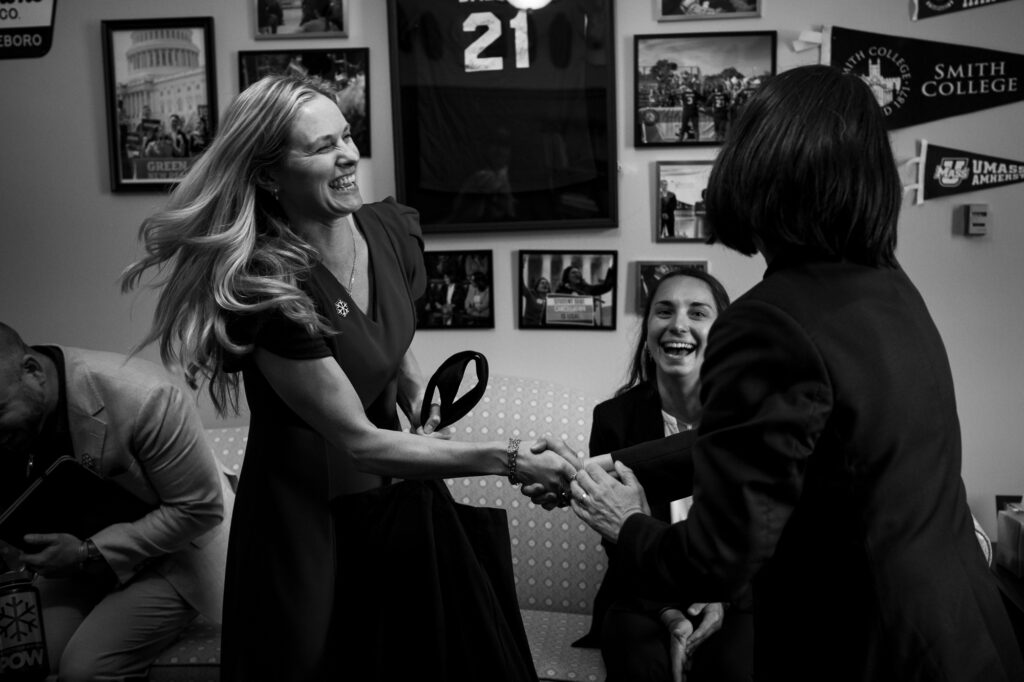
Max Lowe, a photographer and member of the POW Creative Alliance, reflected on the experience by noting the inherent, often frustrating, complexity of the American legislative system. He emphasized that the "slow way" of building relationships and securing small, incremental victories is often the only way to ensure that policy shifts endure beyond a single election cycle. This sentiment reflects a broader strategic pivot within the environmental movement: a move away from performative activism toward consistent, expert-led engagement with the machinery of government.
Looking Toward the Future
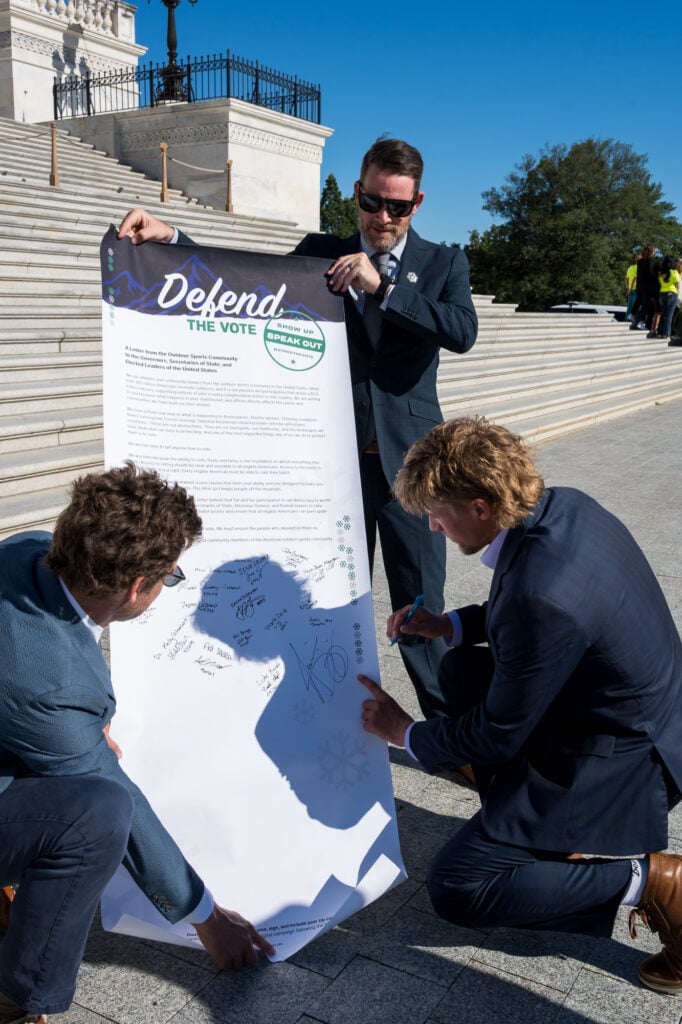
The success of this trip will ultimately be measured by the willingness of the targeted congressional offices to take concrete steps in the coming legislative session. The delegation’s requests were specific: reject further attacks on protected lands, support the Arctic Refuge Protection Act, and restore the scientific integrity of the EPA.
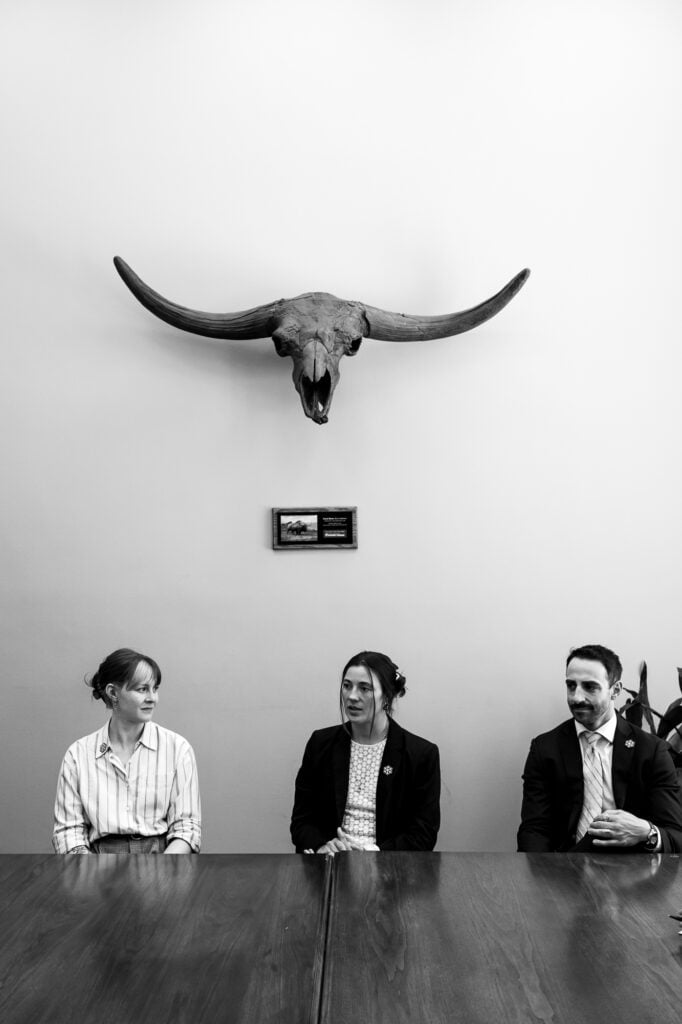
As the delegation departed D.C., they left behind a clear, documented set of priorities supported by a diverse coalition. For the outdoor industry, the challenge remains to maintain this momentum. The "Outdoor State" has demonstrated that it possesses the cultural capital and the technical expertise to demand a seat at the table. Whether this pressure can overcome the entrenched interests pushing for further deregulation remains to be seen. However, by bringing the reality of the changing climate directly to the offices of those who write the laws, Protect Our Winters has ensured that the status quo is no longer as comfortable as it once was.
The path forward, as articulated by the delegation, involves a sustained, patient, and uncompromising commitment to the scientific evidence. As the environmental and economic stakes continue to rise, the influence of this coalition—comprised of those who intimately understand the value of the wild—is likely to grow, signaling a new era of advocacy for the preservation of America’s natural heritage.

