
The conclusion of a high-profile internal investigation at Konnerud IL has been delivered, arriving only hours after sprint star Kristine Stavås Skistad finalized her departure from the club. The management board of Konnerud IL confirmed on Monday evening that the formal whistleblowing case against sport manager and former personal coach Lage Sofienlund has been concluded following an external review. Despite allegations of power abuse brought forward by Skistad earlier this year, the club has opted to issue a written warning, allowing Sofienlund to retain his position within the organization.
This development marks a definitive, albeit controversial, end to a period of internal turbulence that has shadowed the career of one of Norway’s most prominent cross-country skiers. The transition of Skistad to Mjøndalen IF, a neighboring club in the Buskerud region, signals a clean break from her childhood environment and a strategic move intended to provide the athlete with the stability required for the upcoming competitive season.
A Chronology of the Conflict
The friction between Skistad and her longtime coach surfaced publicly in June, when the sprinter terminated her professional relationship with Sofienlund. Following the split, it emerged that Skistad had submitted formal reports to both Konnerud IL and the Norwegian Ski Federation, alleging that she had been subjected to a pattern of power abuse.
The timeline of the dispute is as follows:
- June 2026: Skistad terminates her coaching agreement with Lage Sofienlund, citing professional irreconcilable differences.
- Late June 2026: Skistad submits a formal whistleblowing report to the Konnerud IL board and the Norwegian Ski Federation, requesting the removal of Sofienlund from his leadership role.
- Early July 2026: The Konnerud IL board issues an initial, unanimous statement claiming they found no evidence of illegal or unethical conduct in the private agreements between the parties.
- August 2026: Public scrutiny intensifies as details of the allegations emerge, prompting the club to retract its initial stance and appoint an independent third party to conduct a comprehensive investigation.
- Mid-September 2026: Kristine Stavås Skistad officially announces her transfer to Mjøndalen IF.
- September 2026: Konnerud IL announces the final outcome of the external investigation, resulting in a written warning for Sofienlund.
The Findings of the External Investigation
The investigation, conducted by external legal and human resources experts, was intended to clarify the nature of the "power imbalance" cited by the athlete. According to the board’s statement, while the investigation did not necessitate the termination of Sofienlund’s employment contract, it did reveal areas where his conduct fell short of club expectations.
"This is the club’s final reaction, and the matter will have no further consequences for the employment relationship; the coach will continue in his position," the board stated in a press release. The club further noted that the coach has acknowledged the severity of the situation and has committed to learning from the process. While the club has attempted to project a sense of resolution, the decision to maintain the status quo in the coaching hierarchy is expected to draw continued attention from observers within the sports community.
Contextualizing the Athlete’s Development
Kristine Stavås Skistad has long been viewed as a singular talent within Norwegian cross-country skiing, characterized by her aggressive racing style and independent training philosophy. Her career path has been marked by a departure from the rigid structures of the national team’s centralized training model. Instead, she has operated under a special agreement with the Norwegian Ski Federation that allows her significant autonomy over her daily training regimen.
This independence, while essential for her personal development, requires a high level of trust between the athlete and her local support structure. When that trust was breached, the lack of an immediate, comprehensive conflict resolution mechanism within the local club created a vacuum that allowed the issue to escalate into the public domain. For a top-tier athlete, the psychological toll of such a conflict—compounded by the pressure of World Cup expectations—cannot be overstated.
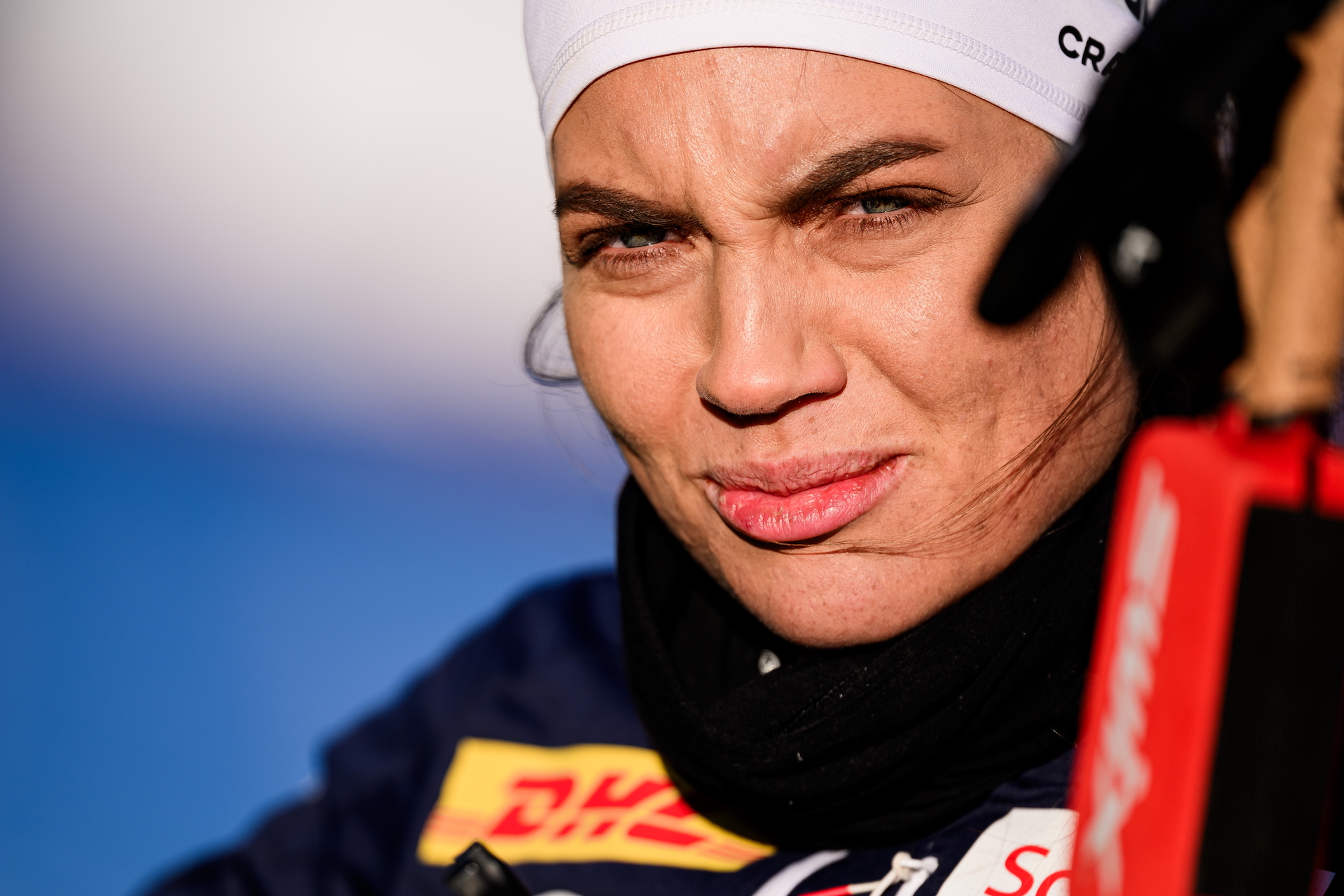
Mjøndalen IF: Providing a New Sportive Home
The move to Mjøndalen IF represents a significant strategic pivot for Skistad. Unlike her previous tenure, which was defined by the baggage of the conflict, the environment at Mjøndalen is framed by a desire to provide the athlete with "work-related peace."
Morten Gregertsen, the chairman of Mjøndalen IF Ski, emphasized that the club’s involvement is strictly focused on the athlete’s future performance. "Kristine approached us to discuss membership. She is navigating a challenging situation, and our goal is to facilitate an environment where she can focus on what she does best: skiing fast," Gregertsen stated.
Crucially, Mjøndalen IF has maintained a neutral stance regarding the underlying dispute. "This is not about taking sides. We respect the relationship between neighboring clubs, and our decision is purely an act of support for an athlete in need of a new sportive home," he added. The club has clarified that it has no insight into the specific material evidence handled by the investigators at Konnerud, nor is it a party to the ongoing legal or internal repercussions.
Broader Implications for Club Governance
The Konnerud case raises broader questions regarding how local sports clubs in Norway manage the transition from "grassroots" training environments to professional, high-performance coaching relationships. Often, these clubs are managed by volunteers who may lack the HR expertise required to mediate conflicts involving professional athletes, complex contracts, and allegations of power abuse.
Experts in sports management note that the "private agreement" model—where an athlete and coach negotiate terms outside of standard club oversight—often leaves both parties vulnerable. When these relationships fracture, the lack of clear, institutionalized guidelines for dispute resolution can lead to prolonged conflicts that harm the athlete’s career and the club’s reputation.
For the Norwegian Ski Federation, this case serves as a reminder of the necessity for standardized conflict resolution protocols at the club level. As the federation increasingly relies on athletes with individual, non-traditional training structures, the need for transparent, fair, and prompt investigative procedures is paramount to maintaining the integrity of the sport.
Analyzing the Future Outlook
As the dust settles, the immediate focus shifts to the upcoming winter season. For Skistad, the move to Mjøndalen provides the stability she has publicly stated she requires. Her ability to return to the podium will likely be viewed as a litmus test for her resilience in the face of significant administrative and interpersonal adversity.
For Konnerud IL, the challenge lies in rebuilding trust with the local community and potential future talents. The decision to retain a staff member who was the subject of a high-profile investigation will be scrutinized by parents, sponsors, and the sporting public alike. The club’s insistence that the warning is the final word on the matter suggests a desire to move forward, but the lingering questions regarding the "power abuse" allegations ensure that the case will remain a case study in how clubs handle the intersection of personal relationships and professional duty.
Ultimately, the conclusion of this saga reflects a common reality in modern sport: the speed of professional change, such as a club transfer, often outpaces the slow, methodical process of institutional investigation. Skistad has moved on to a new chapter, while the questions raised during her time at Konnerud remain a significant part of her narrative as she heads into the next stage of her career.

