
The landscape of women’s biathlon is set for a substantial transformation with the simultaneous retirement of two of Slovakia’s most prominent and accomplished athletes, Paulina Batovska Fialkova and Anastasiya Kuzmina. Their departures, announced ahead of the upcoming competitive season, leave a considerable void in the Slovak team and signal a generational shift within the sport internationally. Both athletes have enjoyed decorated careers, marked by significant achievements and remarkable comebacks, making their exits particularly noteworthy.
A Double Blow to Slovak Biathlon
The Slovak national biathlon team, which has intermittently challenged the top-tier nations in recent years, will face a significantly more arduous path to success without the combined experience and talent of Batovska Fialkova and Kuzmina. Their retirements follow in the wake of other high-profile departures from the sport, including those of Dorothea Wierer and Franziska Preuss, underscoring a broader trend of seasoned champions concluding their careers. This exodus creates opportunities for emerging talents to step into the spotlight and vie for top positions.
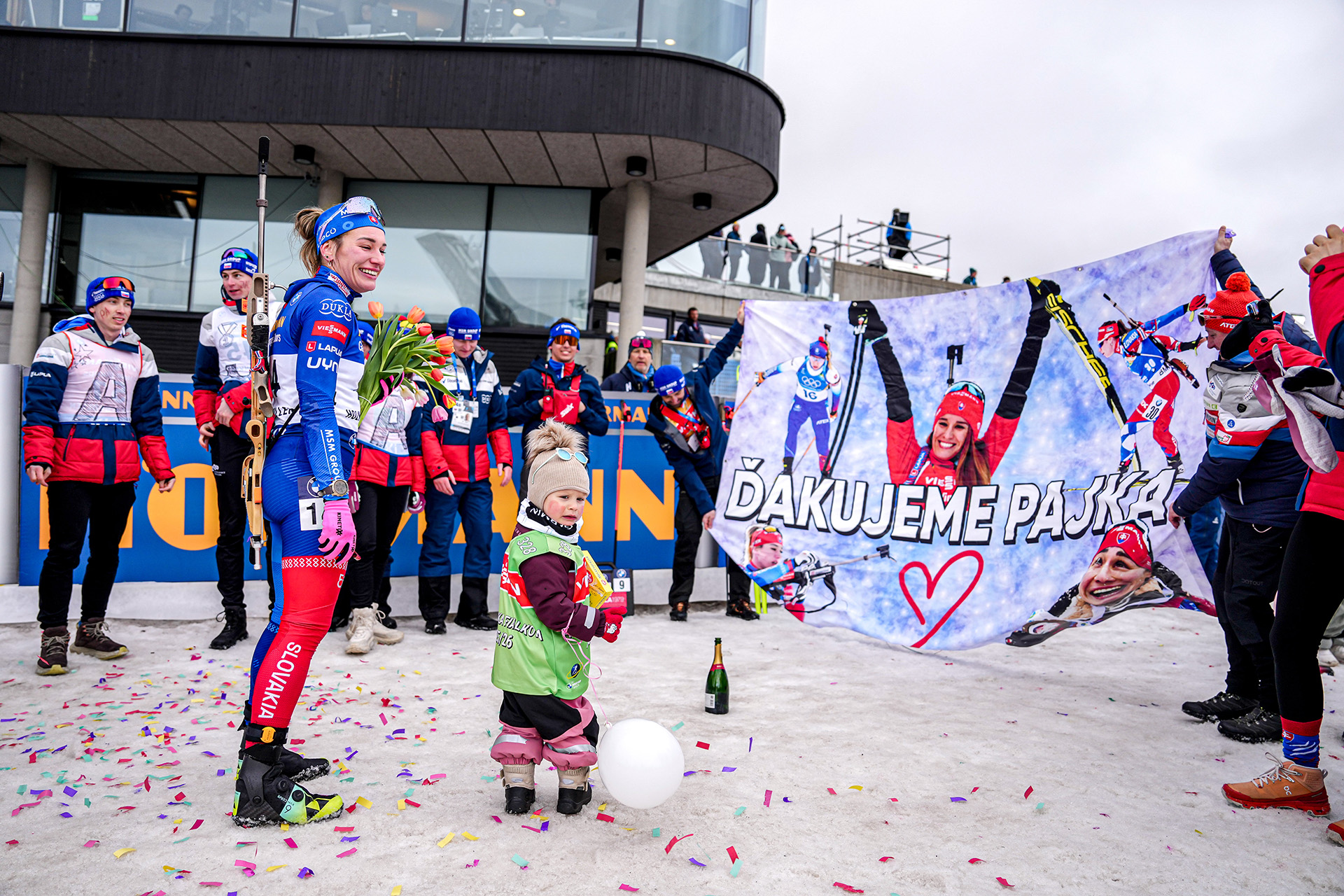
Paulina Batovska Fialkova, aged 33, concluded her final World Cup season, a feat not achieved by Wierer or Preuss in their respective farewells. Her decision to hang up her rifle and skis marks the end of an era deeply intertwined with the sport. In a video released by the Slovak Biathlon Federation, Batovska Fialkova reflected on her journey: "My entire life has been dedicated to a single sport. Biathlon has shaped me – from the earliest training sessions in my childhood to podium finishes in the World Cup. I have experienced almost everything in my career. I am not saying goodbye, but thank you! An important chapter in my life is coming to an end."
Batovska Fialkova’s Illustrious Career
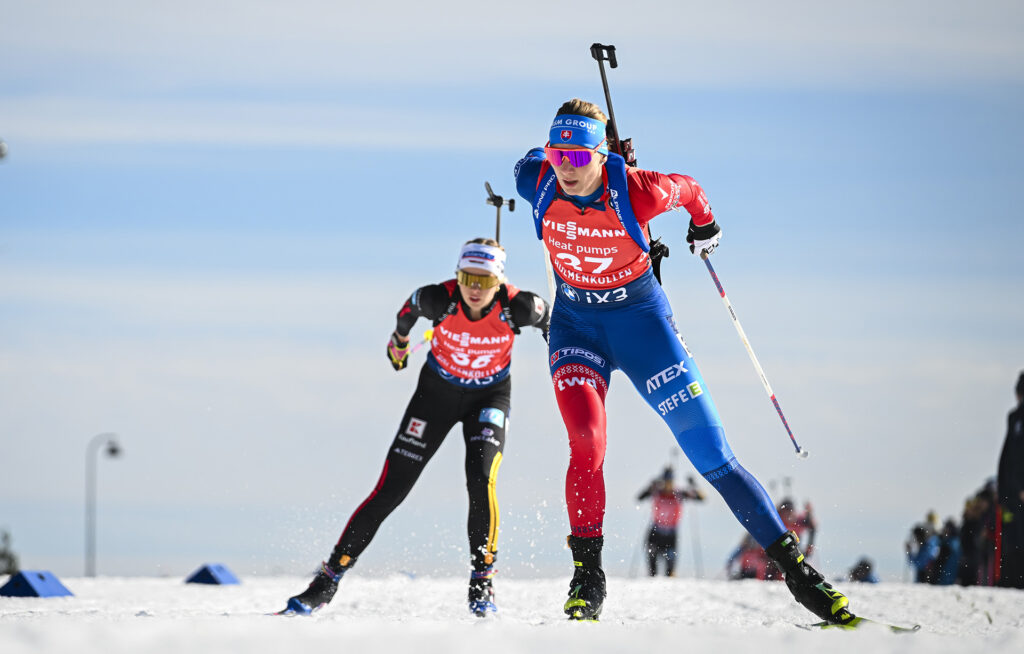
Batovska Fialkova made her World Cup debut in 2012 and amassed an impressive six podium finishes throughout her career. Her most successful season was undoubtedly 2018-2019, where she secured an outstanding sixth place in the overall standings. During that stellar season, she also achieved a second-place finish in the distance cup and a third place in the mass start cup, showcasing her versatility and consistent performance.
Adding to her remarkable achievements, Batovska Fialkova demonstrated exceptional resilience and determination by returning to the elite level after giving birth to her daughter in 2023. This comeback after maternity leave is a testament to her dedication and athletic prowess, further solidifying her status as a respected figure in the sport. Her marriage to Olympic race walker Miloš Bátovský highlights her connection to a family with a strong athletic background.

Anastasiya Kuzmina: A Legacy of Olympic Success
Slovakia will also bid farewell to Anastasiya Kuzmina, a two-time Olympic champion. Though in her 40s (aged 41), Kuzmina showed flashes of her former brilliance throughout the past winter season, proving she still possessed the capability to compete at the highest level. She participated in her fourth Olympic Games in Anterselva this past winter, though this particular outing did not result in top-tier placements.
Kuzmina’s Olympic legacy is formidable, boasting two individual gold medals and one relay gold. Beyond the Olympics, she also secured a World Championship gold medal in the sprint discipline in Östersund in 2019. Her World Cup career, which began in 2009, has seen her compete in nine World Championships. Originally from Russia, Kuzmina has been a significant contributor to the Slovak biathlon scene for over a decade, her presence leaving an indelible mark.
A Shifting Global Biathlon Scene
The retirements of Batovska Fialkova and Kuzmina are emblematic of a broader generational transition occurring in women’s biathlon. Many of the leading athletes who emerged and dominated during the late 1990s and early 2000s are now concluding their competitive journeys. This phenomenon presents a unique opportunity for a new wave of athletes to establish themselves as the sport’s next generation of stars.

The international biathlon circuit has witnessed a series of high-profile retirements in recent years. Alongside Wierer and Preuss, other established names have stepped away from the sport, creating a dynamic shift in the competitive hierarchy. This influx of new talent and the redistribution of top rankings are likely to inject fresh excitement and unpredictability into future seasons.
Data and Performance Metrics
To contextualize the impact of these retirements, examining their career statistics provides valuable insight:
-
Paulina Batovska Fialkova:
- World Cup Debut: 2012
- World Cup Podiums: 6
- Best Overall World Cup Finish: 6th (2018-2019 season)
- Discipline Cup Rankings: 2nd in Distance (2018-2019), 3rd in Mass Start (2018-2019)
- Notable Comeback: Returned to elite competition after maternity leave in 2023.
-
Anastasiya Kuzmina:
- World Cup Debut: 2009
- Olympic Medals: 2 Gold (Individual), 1 Gold (Relay)
- World Championship Medals: 1 Gold (Sprint)
- Olympic Appearances: 4 (including 2022)
- World Championship Appearances: 9
These figures highlight the consistent presence and significant achievements of both athletes on the international stage. Their absence will undoubtedly be felt by fans and competitors alike.
Analyzing the Implications
The retirement of Batovska Fialkova and Kuzmina presents several immediate and long-term implications for Slovak biathlon:
- Reduced Medal Chances: The team’s prospects for winning medals in individual and relay events will be significantly diminished in the short term. These two athletes were consistently among Slovakia’s strongest contenders.
- Developmental Push: The void left by their departures necessitates a concerted effort to nurture and develop emerging talent. Younger athletes will be under increased pressure and expectation to step up and fill the leadership roles.
- Strategic Adjustments: The Slovak Biathlon Federation will need to reassess its development strategies, coaching approaches, and resource allocation to adapt to this new reality. Investing in junior programs and identifying promising new athletes will be paramount.
- International Competition: The overall level of competition within the women’s biathlon circuit will become more open. While this is a loss for Slovakia, it creates an opportunity for other nations and athletes to gain prominence.
Looking Ahead: The Future of Slovak Biathlon
The Slovak Biathlon Federation faces the challenge of rebuilding and reorienting its national team. The path forward will require strategic planning, investment in youth development, and the emergence of new leaders within the sport. While the departure of such accomplished athletes is a significant setback, it also represents a catalyst for change and the potential for a new era of success. The federation’s ability to adapt and foster new talent will determine the future trajectory of Slovak biathlon on the international stage.
The global biathlon community will miss the presence and competitive spirit of Paulina Batovska Fialkova and Anastasiya Kuzmina. Their contributions to the sport have been substantial, and their retirements mark the end of a memorable chapter for biathlon enthusiasts worldwide. As the sport evolves, the focus now shifts to the next generation of athletes who will carry the torch and strive to emulate the successes of these departing icons.

