
The annual SKI Test at Deer Valley, Utah, has officially concluded, delivering definitive insights into the top-performing women’s frontside skis for the 2027 winter season. Conducted in late 2026, this year’s evaluations brought together a panel of seasoned industry professionals, including hardgoods buyers, former alpine racers, elite coaches, and veteran ski instructors. Operating under rigorous, objective testing protocols, the panel spent days evaluating 16 distinct models from 23 leading manufacturers across varied terrain profiles, ranging from pristine morning corduroy and hardpack ice to off-piste chopped snow, moguls, and variable spring conditions.
Frontside skis occupy a crucial market segment, engineered specifically for resort-focused skiers who spend the vast majority of their time on groomed trails while retaining the flexibility to venture off-piste. Typically characterized by a waist width between 80 and 90 millimeters, a moderate tip rocker, a slightly lighter construction profile than their unisex counterparts, and an easy-releasing tail, these boards balance high-speed edge hold with manageable turn initiation. The 2027 testing cycle highlighted a growing industry shift toward accessible performance, where high-end dampening and stability features are increasingly integrated into approachable designs suitable for intermediates and experts alike.
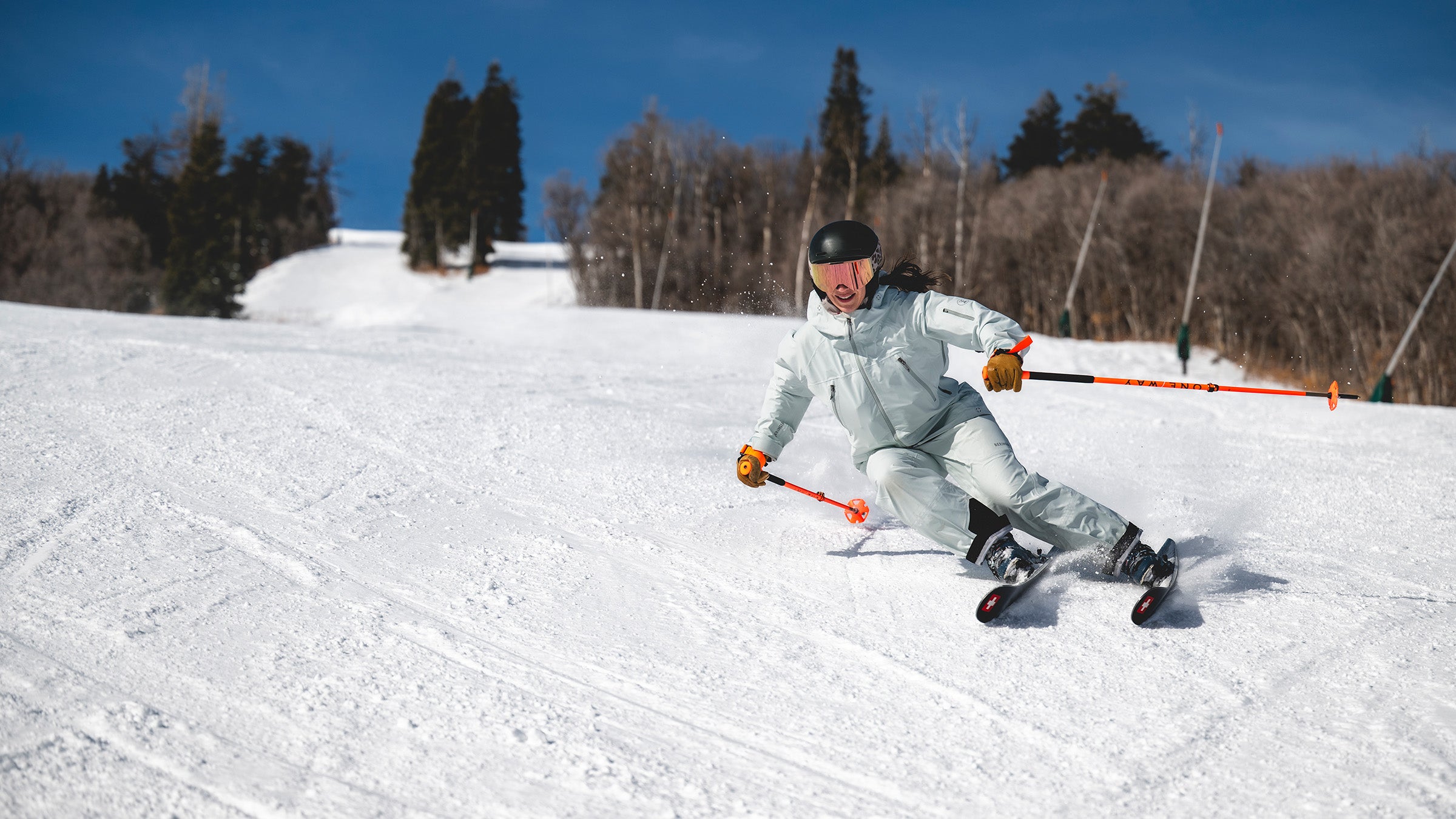
The Rigorous Testing Protocol at Deer Valley
The methodology behind the annual SKI Test remains one of the most exhaustive and transparent evaluation processes in the snowsports industry. Held against the demanding backdrop of Deer Valley Resort, the testing environment is carefully controlled to minimize subjective bias. Participating manufacturers pay no fees to enter, and no editorial coverage is guaranteed, ensuring complete journalistic independence.
During the multi-day evaluation, a core group of 16 expert testers rotated through identical ski models under uniform snow and weather conditions. Each tester completed digital scorecards evaluating every ski across nine critical performance metrics, including hard-snow integrity, edge grip, stability at speed, carving consistency, responsiveness, crud performance, and overall versatility. Particular analytical weight was assigned to hard-snow integrity and carving precision, as these are the defining characteristics of a superior frontside ski. The cumulative data was then synthesized to identify category winners and compile comprehensive consumer profiles.
Top Performers and Category Winners for 2027
The 2027 lineup features standout designs tailored to specific skiing styles, anatomical preferences, and performance objectives.
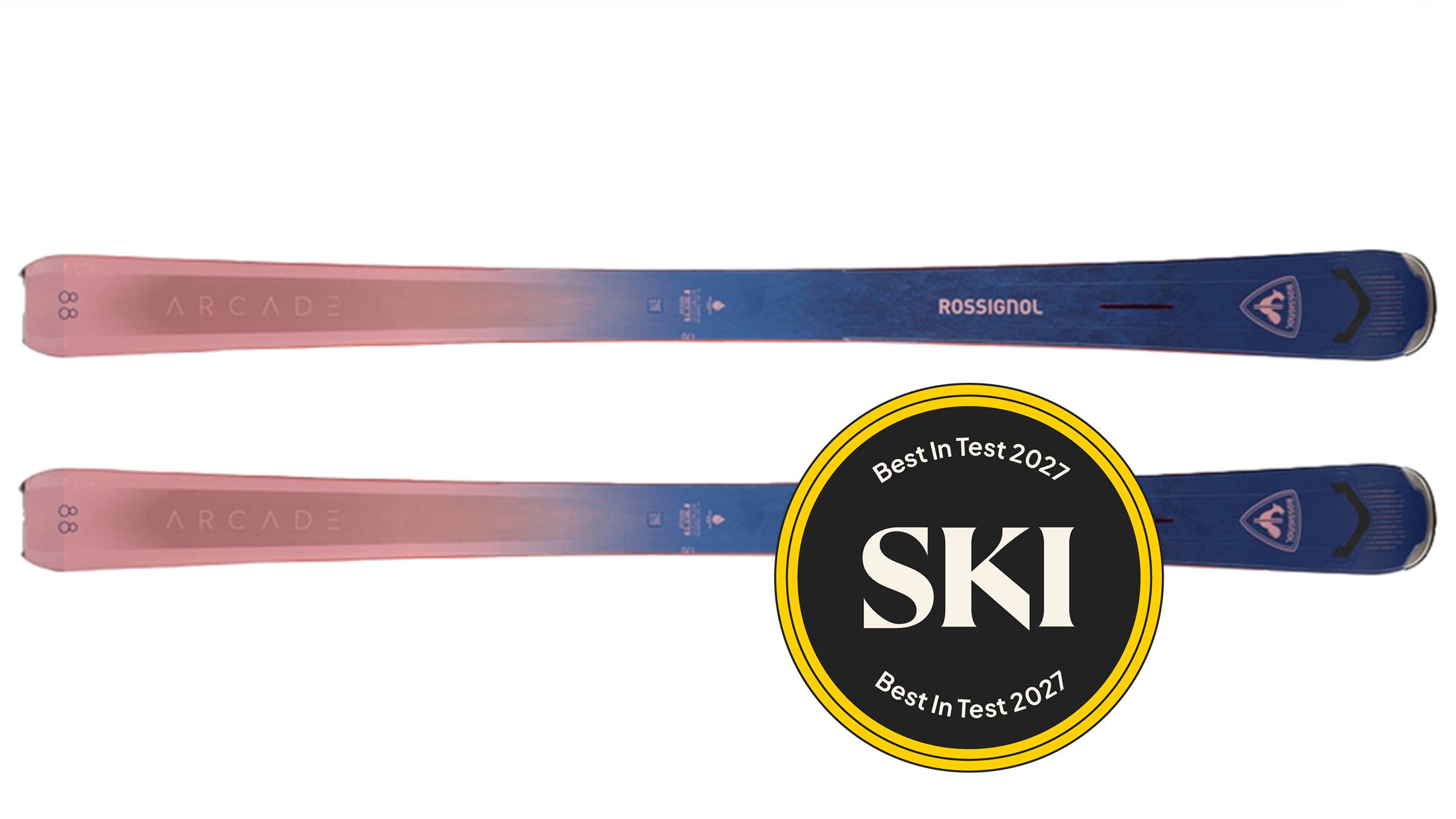
Securing the coveted Best in Test designation, the Rossignol Arcade W 88 (priced at $750) emerged as the overall benchmark for the category. Testers praised its large tip, which initiates turns intuitively at the slightest application of pressure, and its rare ability to transition seamlessly from steep groomers to moguls and variable chop. Built with a full layer of Titanal, a central power rail within the wood core, and an hourglass sidecut, the Arcade W 88 offers an expansive sweet spot. While testers noted that its stiff tail requires an active forward stance and leaves little room for backseat skiing, it was universally lauded as a versatile multitool for skiers aiming to level up their resort performance.
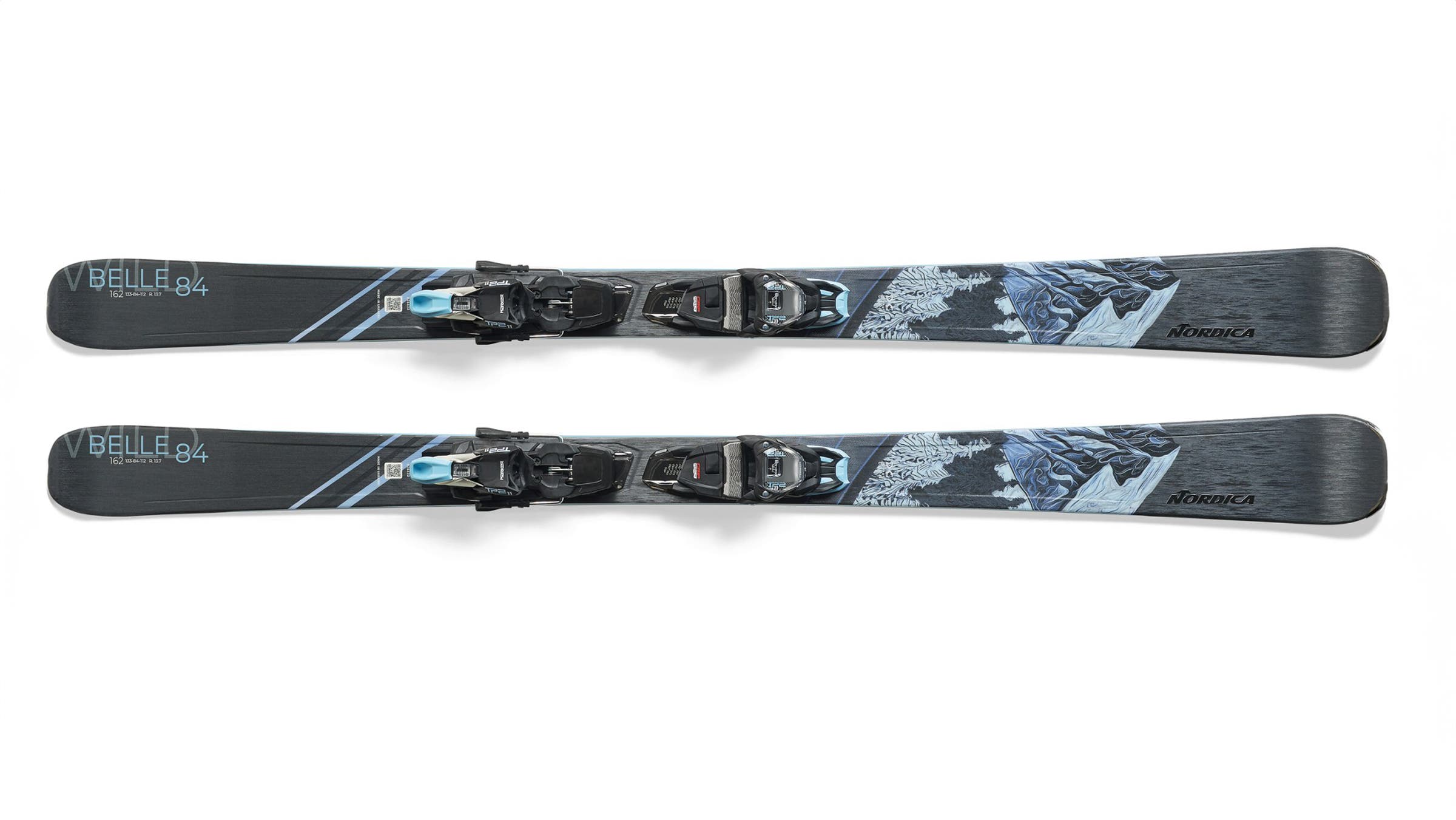
For consumers seeking exceptional performance without a premium price tag, the Nordica Wild Belle 84 DC ($750) earned the Best Value distinction. Redesigned with a shorter binding plate to allow a more natural flex from its double wood-and-elastomer core, the Wild Belle 84 DC excels in medium-to-long-radius turns. Testers described its arc as metronomic, noting its steady, predictable nature across wide-open slopes. Although it resists rapid adjustments into short swing turns and features a shovel that can occasionally wander at slow speeds, it provides intermediate to advanced skiers with unwavering confidence underfoot.
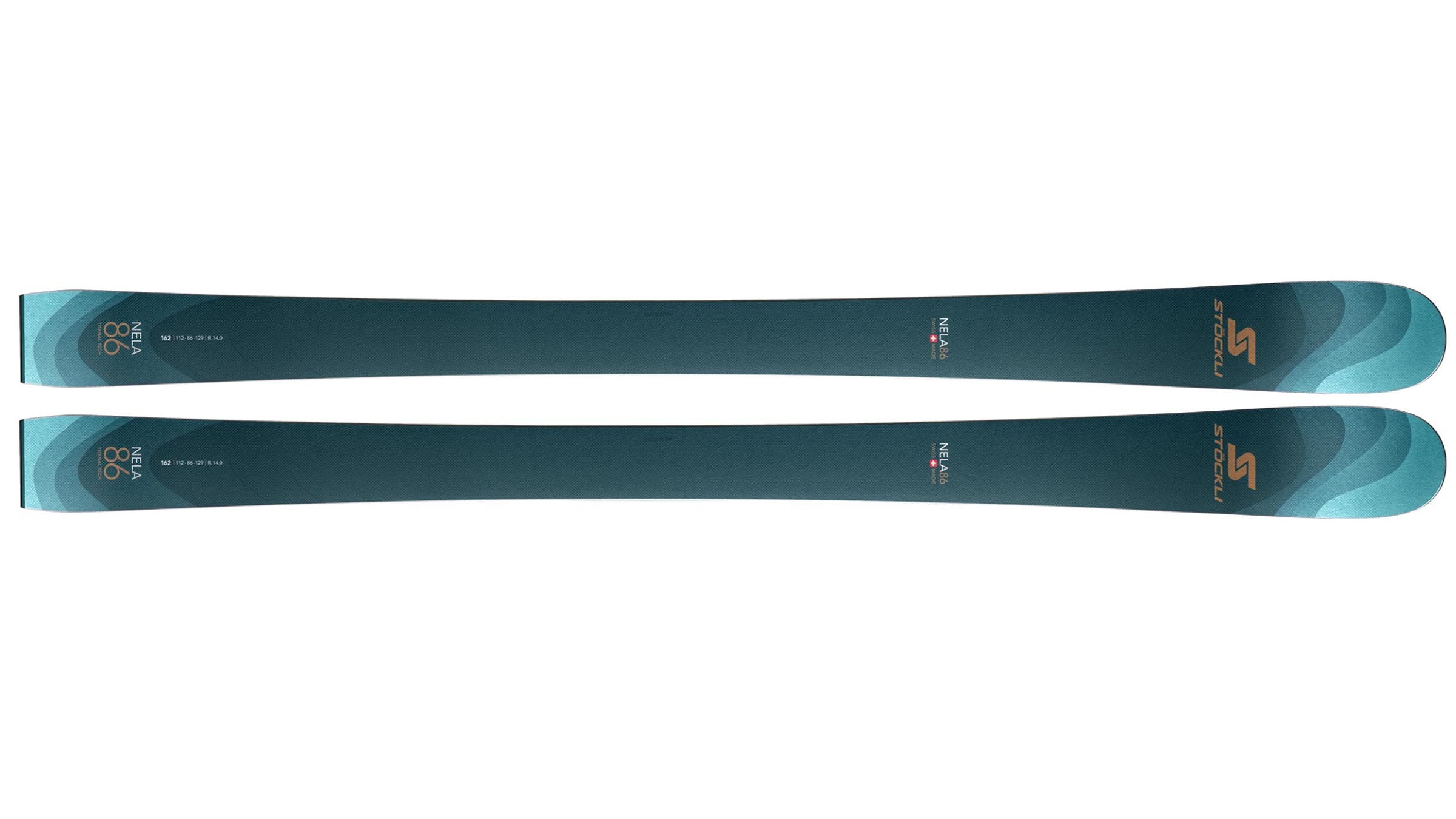
Advanced and technical skiers prioritizing elite-tier dampness and stability turned to the Stöckli Nela 86 ($1,529), designated Best for Experts. Earning the moniker "the Bugatti of skis," this freeride-leaning model combines traditional Stöckli smoothness and a glued-to-the-snow feel with a slightly softer construction utilizing a Titec topsheet. While its relatively stiff flex and preference for medium-to-long radius turns make it challenging to manage in tight moguls for less aggressive skiers, it offers unmatched stability and vibration dampening at high speeds.
Precision carvers looking for dynamic rebound and a narrow platform gravitated toward Fischer’s The Curv GT 80 ($800). As the narrowest model in the test at 80 millimeters underfoot, it captured top marks for quickness and edge engagement. Featuring a triple-radius sidecut and a carbon-fiber wrap over a strategically shaped metal layer, the ski delivers exceptional energy in short-to-medium turns. However, testers cautioned that its lively nature can quickly load up and buck an inattentive skier, and its narrow waist struggles to stay afloat in heavy, untracked crud.
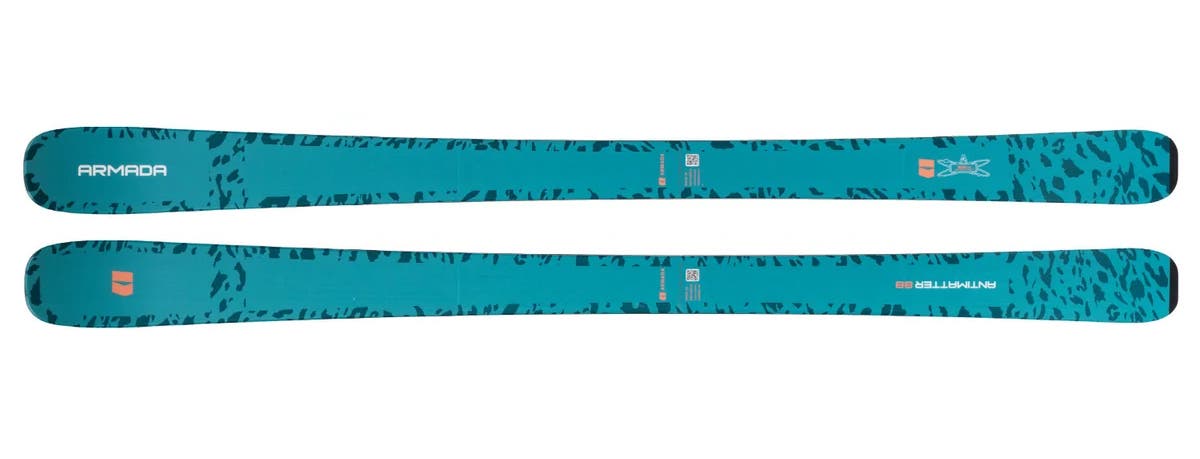
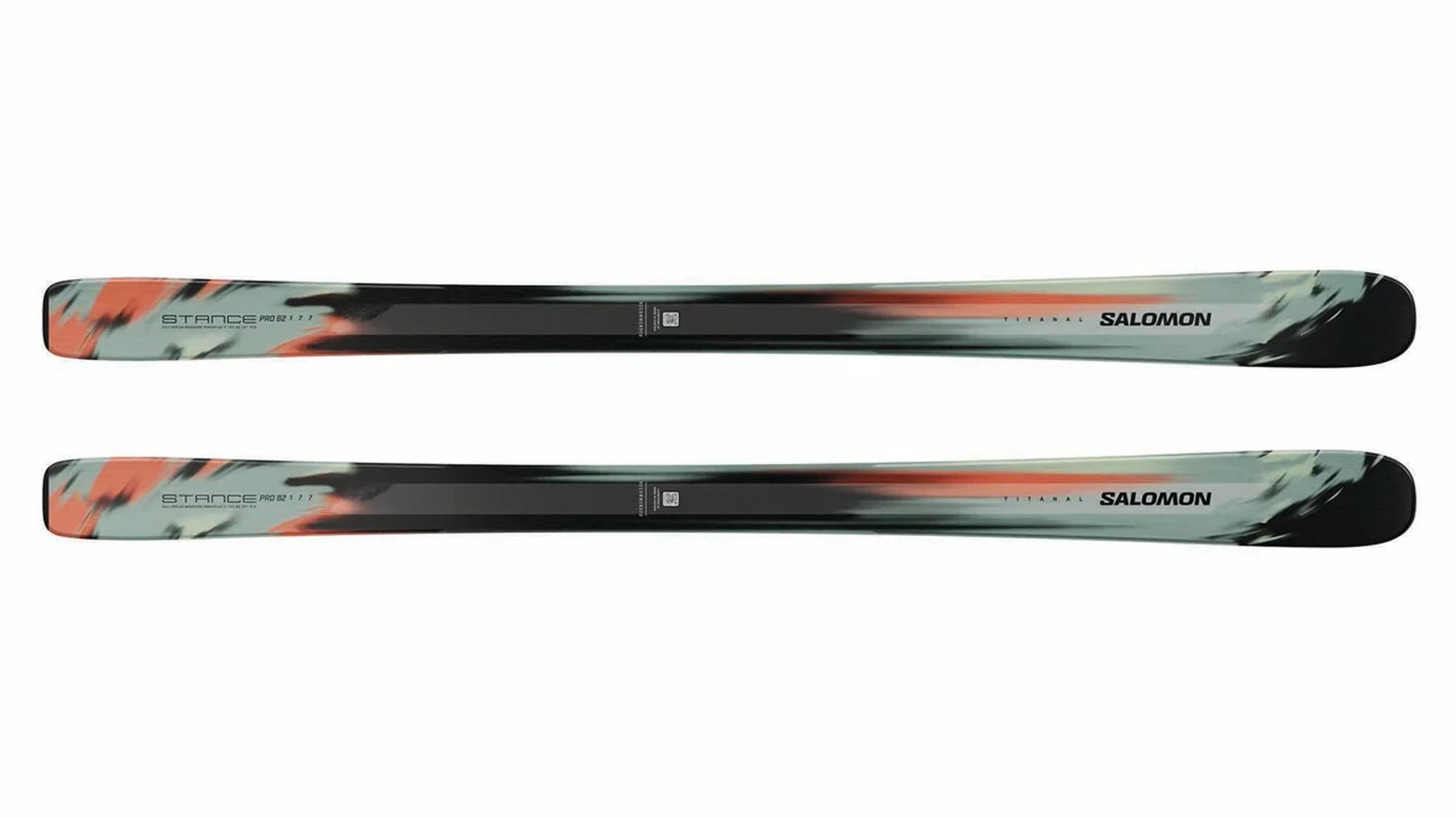
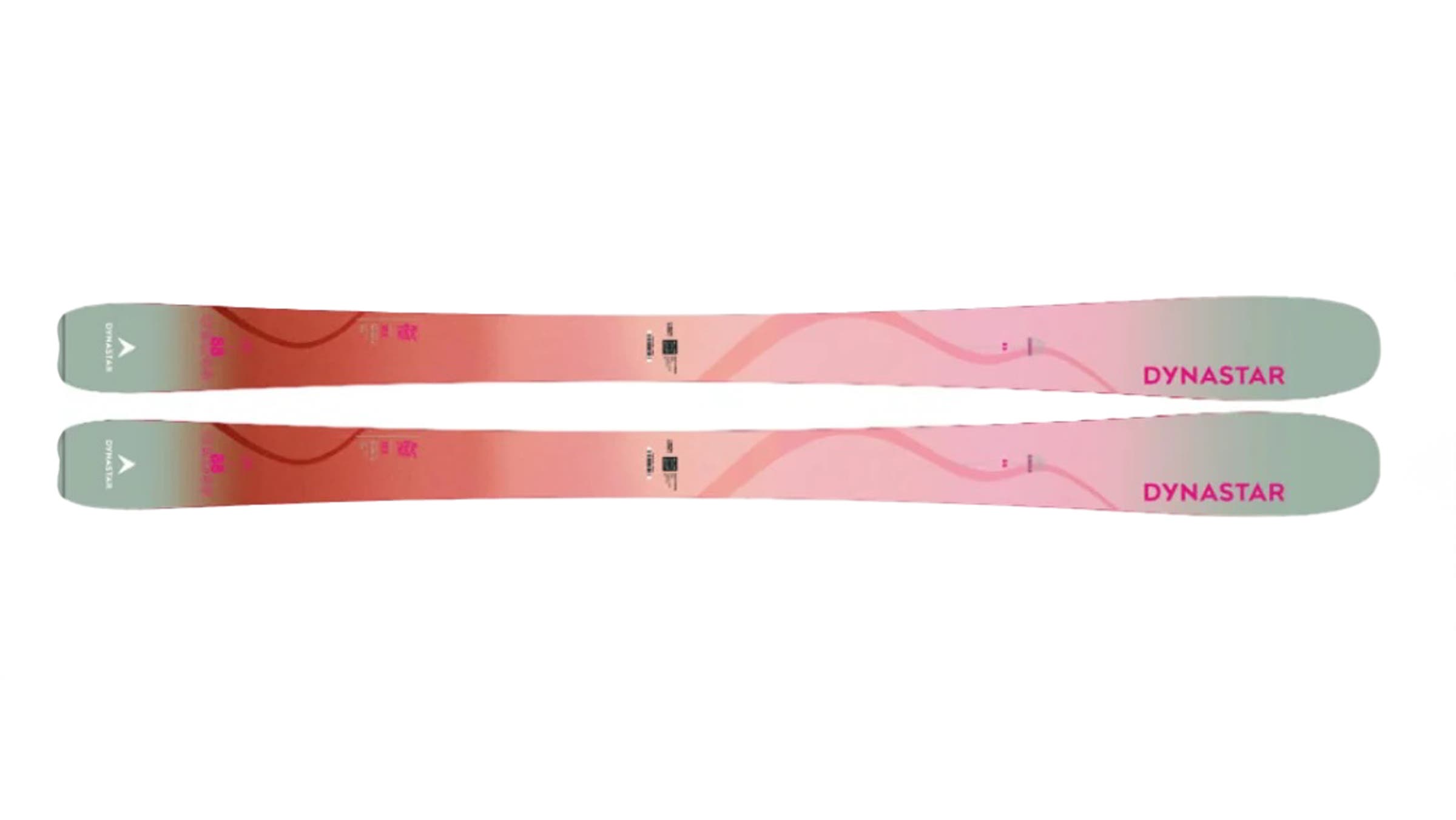
Additional category standouts addressed niche preferences across the market. The Armada Antimatter 88 W ($700) earned Most Forgiving, praised for its playful, low-maintenance demeanor across mixed resort terrain, though it sacrifices absolute edge grip on solid ice. Salomon’s Stance Pro 82 ($700) claimed Most Playful, utilizing a lively poplar wood core and targeted titanium reinforcement to deliver accessible, nimble performance across a broad spectrum of ability levels. For tackling heavy, tracked-out snow, the Dynastar M-Cross 88 W ($700) won Best for Crud, functioning as a damp, powerful tank that effortlessly smashes through choppy terrain despite a lack of chatter-free agility on pure ice. Finally, the Head Kore 87 Ti W ($700) secured Best Confidence Booster, leveraging a weight-reducing Freeride Sandwich Cap construction with graphene and dual Titanal layers to offer a balanced, approachable ride for developing intermediates.
Industry Implications and Market Analysis
The release of the 2027 frontside ski ratings reflects broader manufacturing trends prioritizing multi-condition capability over one-dimensional specialization. As ski resort demographics shift and skiers increasingly demand equipment that can transition from morning ice to afternoon slush without requiring a mid-day gear swap, brands are responding by blending freeride rocker profiles with traditional carving sidecuts.
Market analysts note that price points for premium frontside skis have stabilized around the $700 to $800 threshold, with luxury exceptions like Stöckli commanding higher prices due to hand-built Swiss manufacturing processes and proprietary metal laminates. Retailers have observed sustained consumer demand in the 84mm to 88mm waist width category, validating manufacturers’ decisions to expand their all-mountain-hybrid frontside offerings.
Frequently Asked Questions Regarding Frontside Skis
Understanding the nuances of ski design helps consumers navigate the purchasing process effectively.
What is a frontside ski? Also referred to as narrow all-mountain skis, frontside models typically feature waist widths between 80mm and 90mm, moderate tip rocker, traditional camber underfoot, and a flat tail. They are optimized for groomed trails and moderate bump runs while maintaining enough versatility to handle light off-piste variable snow. They are not engineered for deep, untracked powder.
What is the difference between a carving ski and a frontside ski? Carving skis function as precision instruments designed exclusively to arc high-speed, carved turns on groomed hardpack, closely mirroring race ski construction. Frontside skis incorporate slight tip rocker and wider waists, sacrificing a fraction of absolute carving precision to gain significant versatility in choppy or soft off-piste snow.
How do men’s and women’s skis differ? Many brands utilize identical core construction techniques for both genders, varying only the topsheet graphics. However, true women’s-specific models frequently feature modified flex patterns, lighter core materials, and shorter length availability (typically ranging from 150cm to 170cm) to accommodate physiological differences in weight distribution and leverage.
Conclusion and Consumer Guidance
Selecting the appropriate frontside ski depends heavily on an individual’s height, weight, preferred skiing speed, and regional snow conditions. While test results provide an objective baseline of performance capabilities, prospective buyers are encouraged to consult local specialty ski shops and demo equipment prior to purchase. By matching personal skiing style to the specific strengths of these evaluated models, skiers can ensure an optimal setup for the upcoming winter season.

