
Skiing remains one of the most physically demanding winter pastimes, challenging the human body through intense gravitational forces, rapid directional shifts, and sustained muscular contraction. Despite the colloquial perception that downhill skiing is a passive sport primarily driven by gravity, sports scientists and elite coaches emphasize that descending a mountain requires an exceptional synthesis of cardiovascular stamina, neuromuscular coordination, and raw muscular force. As snow sports enthusiasts gear up for the upcoming winter season, preparation in the gym has increasingly become the definitive factor separating a safe, enjoyable day on the slopes from exhaustion and potential injury.
Elite ski coach Chris Miller, renowned for training top-tier international ski racers, has long advocated for a specialized approach to physical conditioning. According to Miller, true ski fitness transcends conventional leg strength, requiring targeted regimens that prepare the body to operate efficiently under conditions of severe physical fatigue. This specialized attribute is known as power endurance—the physiological capacity to sustain explosive muscular movements repeatedly over an extended duration.
Defining Power Endurance in Alpine Sports
Power endurance serves as the critical bridge between maximum strength and aerobic stamina. In the context of skiing, every high-speed carve, mogul absorption, and aggressive turn demands a burst of explosive power from the lower extremities and core stabilizers. However, this power cannot be a one-time occurrence; it must be replicated continuously from the first chair of the morning until the final run of the afternoon.
When a skier navigates changing snow conditions, steep back bowls, or tracked-out crud, the quadriceps, hamstrings, glutes, and core musculature are subjected to continuous eccentric and concentric loading. Without adequate power endurance, lactic acid accumulation and localized muscle fatigue set in rapidly. This physiological breakdown leads directly to compromised technique, delayed reaction times, and an elevated risk of traumatic joint injuries, particularly to the knees and lower back. By integrating specific plyometric circuits, dynamic stability drills, and interval strength work into a pre-season routine, athletes can significantly delay the onset of fatigue, ensuring safer and more resilient performance on the mountain.
The Evolution of Pre-Season Ski Conditioning
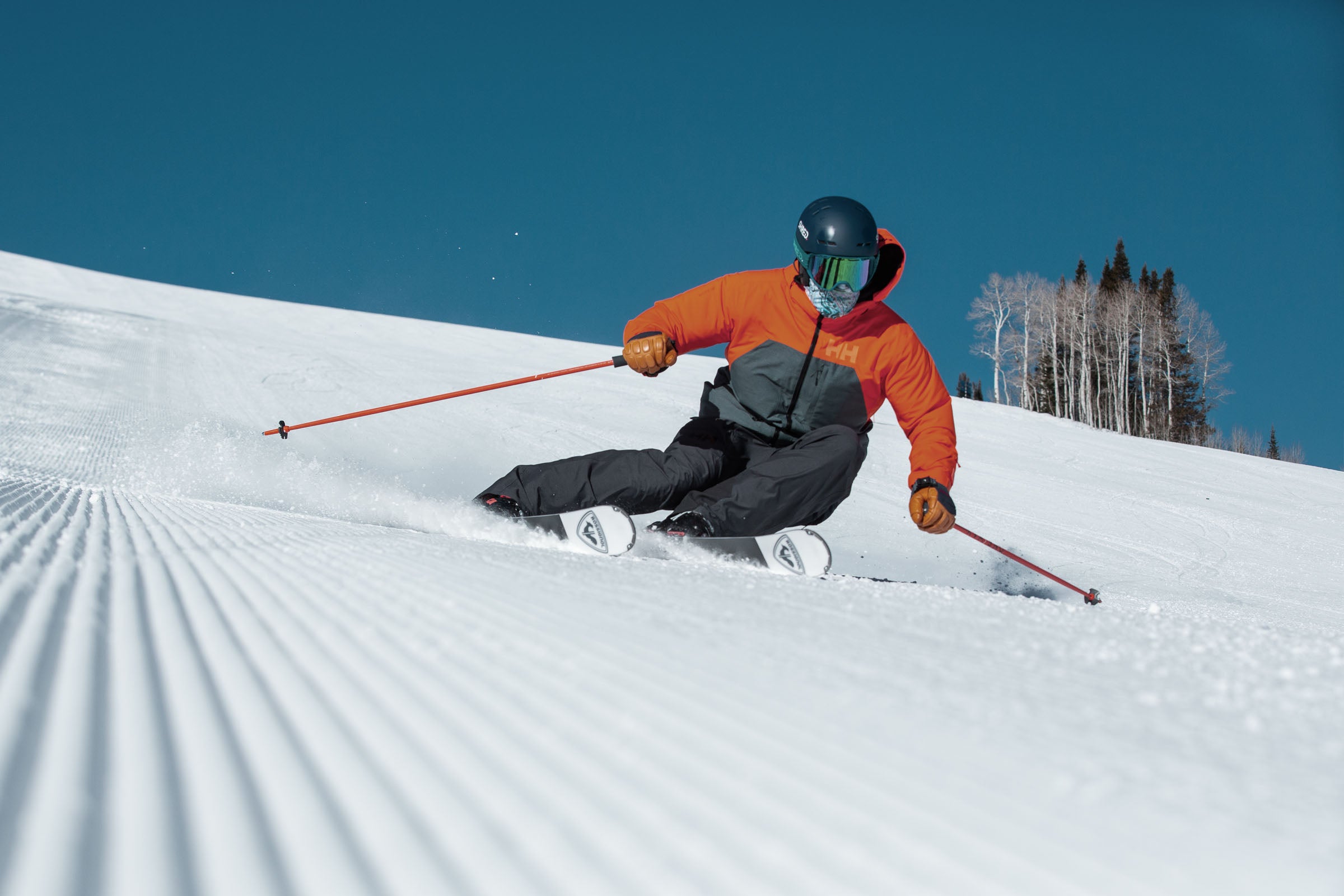
The philosophy of ski preparation has evolved dramatically over the past several decades. Historically, pre-season training for recreational skiers consisted primarily of basic cardiovascular exercises, such as jogging or cycling, supplemented by high-repetition bodyweight squats. While these traditional methods improved general aerobic fitness, they often failed to replicate the multi-planar, eccentric loading demands unique to alpine skiing.
In recent years, sports medicine professionals and alpine training specialists have shifted their focus toward functional movement patterns that mimic the physical realities of the ski slope. Programs designed by coaches like Chris Miller incorporate multi-directional agility drills, core stabilization exercises, and weighted power circuits. This modern paradigm shift acknowledges that skiing is fundamentally an anaerobic sport played out over an aerobic timeline. Consequently, training protocols have been refined to enhance the neuromuscular system’s ability to fire rapidly while under considerable physical stress, minimizing energy leakage and maximizing kinetic transfer through the skis and boots.
Comprehensive Breakdown of the Power Endurance Routine
To bridge the gap between off-season inactivity and peak winter performance, coach Miller has formulated a structured, progressive workout designed to enhance power endurance. This regimen requires minimal specialized equipment—typically a sandbag, open floor space, and bodyweight—making it accessible for both elite competitors and dedicated weekend warriors. The routine is systematically divided into a cardiovascular and mobility warm-up, a foundational quadruped series, a lower-body power circuit, and a trunk stabilization series.
Cardio Warm-Up and Quadruped Mobility Series
Before engaging in high-intensity power movements, the body requires a thorough physiological warm-up to elevate core body temperature, increase synovial fluid in the joints, and prime the central nervous system. The preparatory phase begins with a targeted cardiovascular warm-up designed to increase heart rate without inducing premature muscular fatigue.
Following the cardio sequence, athletes transition into the quadruped series. This phase focuses heavily on hip mobility, thoracic spine rotation, and foundational core engagement. By executing controlled movements from a hands-and-knees position, skiers activate stabilizing muscles in the shoulders, hips, and deep abdominal wall. The quadruped series is followed by a dynamic lunge sequence that gently introduces multi-planar movement, stretching the hip flexors and activating the gluteal complexes in preparation for the heavier loads of the primary workout circuits.

Lower-Body Power Circuit: The Sandbag Series
The core of the lower-body conditioning routine utilizes a weighted sandbag to simulate the unpredictable, shifting loads experienced while navigating challenging snow terrain. This circuit is engineered to challenge the lower extremities through explosive, plyometric movements paired with loaded functional exercises.
During this phase, exercises such as skater hops and weighted lunges are performed in rapid succession. Skater hops demand lateral explosiveness and single-leg stabilization, directly translating to the weight transfer required during parallel turns. By executing four consecutive sets with zero rest between individual exercises and a strict 45-second recovery window between full sets, athletes simulate the relentless, unbroken demand of a long top-to-bottom ski run. This structure forces the cardiovascular system to clear metabolic waste products while the muscles continue to contract under load, perfectly replicating the physiological demands of aggressive alpine skiing.
Trunk Stabilization: Anti-Movement Core Training
While powerful legs are essential for driving skis through a turn, a resilient and stable core is what keeps the upper and lower body unified. Skiers must resist unwanted rotational and lateral forces generated by variable snow conditions and centrifugal force during high-speed turns.
The second major circuit focuses on anti-movement trunk training, utilizing exercises such as the dead bug and isometric core holds. Unlike traditional crunches that involve spinal flexion, anti-movement exercises train the abdominal wall and back extensors to resist motion, maintaining a neutral spine under physical duress. Athletes typically perform three sets of these movements, incorporating 45 to 60 seconds of rest between sets to ensure high-quality execution and prevent form degradation. A strong, stable core acts as the transmission of the body, ensuring that power generated in the legs is efficiently transferred through the upper body to maintain balance and edge control.
Physiological Implications and Injury Prevention Analysis

From a sports medicine perspective, structured pre-season conditioning programs yield profound benefits regarding injury mitigation. Epidemiological studies on alpine skiing injuries consistently indicate that anterior cruciate ligament (ACL) tears and lower extremity sprains occur with higher frequency when fatigue compromises neuromuscular control. When a skier’s quadriceps and core stabilizers become exhausted, the biomechanical alignment of the knee joint deteriorates, placing excessive strain on passive ligaments and cartilage.
Implementing a targeted power endurance regimen addresses this vulnerability by conditioning the neuromuscular pathways to recruit muscle fibers efficiently, even when metabolic fatigue is high. Improved power endurance ensures that an athlete can maintain an athletic, balanced stance during the final hours of a ski day when snow conditions are often chopped up and heavy. Furthermore, enhanced trunk stability protects the lumbar spine from the jarring impacts associated with moguls, crud, and variable visibility.
Broader Industry Impact and Accessibility
The widespread dissemination of structured, video-guided training programs has democratized elite-level sports conditioning. Historically, specialized pre-season training protocols were restricted to national team members and collegiate athletes who had access to professional strength and conditioning coaches. Today, digital fitness integration allows recreational skiers around the globe to prepare their bodies with the same precision and scientific backing utilized by professional racers.
Resorts and ski industry analysts have noted a positive correlation between off-season conditioning initiatives and overall guest satisfaction. Skiers who arrive at the first snowfall physically prepared for the demands of the sport experience less physical soreness, report fewer fatigue-related incidents, and enjoy significantly longer durations on the mountain. By investing time in power endurance training prior to the winter season, participants not only safeguard their physical health but also unlock a higher tier of athletic performance, ensuring that every carve, turn, and descent is executed with confidence, control, and endurance.

